Should I Eat a THC Edible on an Empty Stomach?
Imagine this: You’ve had a long day, and it’s finally time to kick back, relax, and enjoy your favorite THC edible. But then, a dilemma strikes—should you eat it on an empty stomach or wait until after a meal? It’s a question many THC enthusiasts ponder, especially when aiming for the best possible experience. Eating an edible isn’t just about indulging in a sweet treat; it’s about how and when you consume it that makes all the difference. Whether you’re new to THC or a seasoned pro, we’ll help you navigate this critical decision.
What is THC and Its Effects?
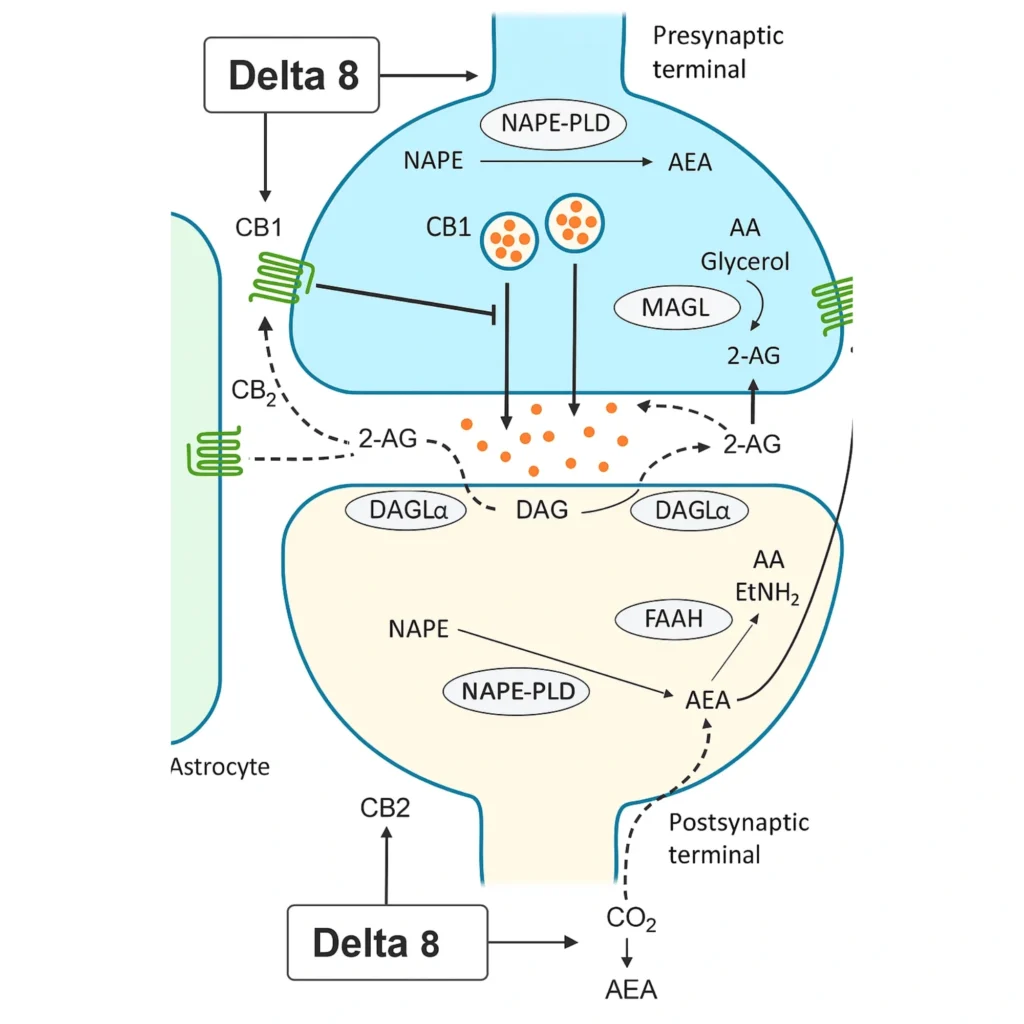
THC, or tetrahydrocannabinol, is the primary psychoactive compound found in cannabis. It’s responsible for that euphoric feeling, commonly referred to as a “high”. When consumed, THC interacts with the endocannabinoid system in the body, specifically targeting CB1 receptors in the brain. This interaction leads to various effects, ranging from relaxation and heightened senses to increased appetite and altered time perception.
However, not all THC experiences are created equal. The way you consume THC—whether through smoking, vaping, or eating—affects how quickly and intensely you feel its effects. One of the more popular methods of consumption today is through edibles, but there’s a unique science to how they work within the body. Let’s dive into that a bit further.
What are THC-Infused Edibles?
THC-infused edibles are food and beverage products that have been infused with tetrahydrocannabinol. Unlike smoking or vaping, consuming THC through edibles involves ingesting it, which changes the way your body processes the compound. After ingestion, THC is metabolized by the liver, converting it into 11-hydroxy-THC, a potent form of the compound that produces a longer-lasting, more intense effect compared to inhalation methods.
Edibles come in various forms, offering consumers a wide range of options, flavors, and potencies. Because of their diverse nature, the effects of edibles can differ depending on the type of product and your body’s response to it.
Different Kinds of THC Edibles
THC edibles come in various types, catering to different preferences and needs. Here are some of the most common kinds:
- Gummies: One of the most popular types of THC edibles, they come in various shapes, sizes, flavors, and potencies, making them appealing to a broad audience. Gummies are easy to dose, and their chewy texture makes them a fun, convenient way to enjoy THC.
- Candies: From hard candies to chocolates, THC-infused candies offer a discreet and tasty way to consume cannabis. They’re often available in small doses, allowing for more control over your intake. Plus, they’re portable, making them a favorite for people on the go.
- Mints: For those who prefer a low-calorie, refreshing way to get their THC, mints are a great option. They dissolve slowly in your mouth, providing a gradual onset of effects, and they’re easy to carry around without drawing attention.
- Baked Goods: Think brownies, cookies, and cakes. THC-infused baked goods are a classic choice for edible enthusiasts. These often come in larger servings and higher potencies, so they’re a favorite for those who want a more intense experience.
Most Popular THC-Based Edibles to Know
Below are the most common THC-based edible goodies you will come across:
- Delta 8 Edibles: Delta 8 THC is a close relative of Delta 9 but tends to offer a more mellow high. Delta 8 edibles are popular for those seeking a smoother, less intense experience than traditional THC products. The effects may take longer to set in but are generally more calming.
- Delta 9 Edibles: These are the standard when people refer to THC. Again, Delta 9 is the primary psychoactive component in cannabis, and edibles infused with this variant are known for producing strong effects. If you’re looking for the classic cannabis experience, Delta 9 edibles are a go-to.
- Delta 10 Edibles: Delta 10 THC offers an uplifting, energizing high. It’s not as well-known as Delta 8 or Delta 9 but is gaining popularity. Delta 10 edibles are ideal for daytime use or when you want to feel more focused and alert.
- THCA Edibles: THCA is a non-psychoactive precursor to THC. When consumed raw or without heat, it does not produce a high. However, if THCA edibles are decarboxylated (heated), they convert into THC and provide psychoactive effects. These edibles appeal to those seeking medicinal benefits without the high.
- THCV Edibles: THCV, or tetrahydrocannabivarin, is known for its potential appetite-suppressing properties. Edibles infused with THCV may offer a more alert, focused high with fewer munchies, making them a unique option for users looking for something different.
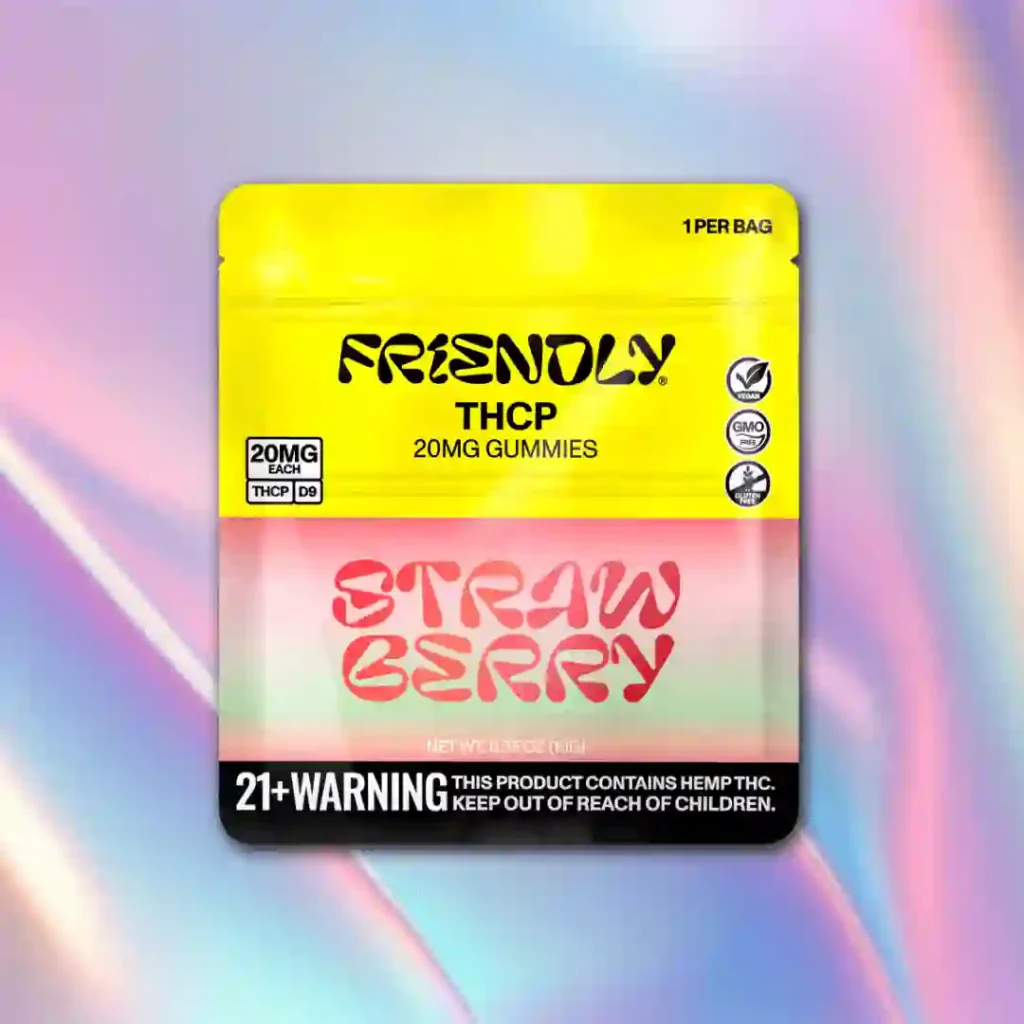
- THC-P Edibles: THC-P is one of the newer cannabinoids on the scene, known for its potency. It’s reportedly much stronger than Delta 9, so THC-P edibles should be consumed cautiously. Their effects are intense, making them more suitable for experienced users.
- HHC Edibles: HHC, or hexahydrocannabinol, is another novel cannabinoid gaining popularity. It provides a balanced high somewhere between Delta 8 and Delta 9, making HHC edibles a nice middle ground for users looking for a moderate experience.
- Blended Edibles (Multiple THC-based Cannabinoids): Blended edibles contain a mix of different cannabinoids, such as Delta 8, Delta 9, and THCV, offering a balanced high with multiple effects. These are great for users looking to explore the entourage effect—the theory that different cannabinoids work better together than individually.
The Question on a Hemp User’s Mind: “Should I Eat a THC Edible on an Empty Stomach?”
Now for the million-dollar question—should you eat your THC edible on an empty stomach? The answer isn’t as straightforward as a yes or no, and much depends on your personal preferences, metabolism, and tolerance. However, consuming an edible on an empty stomach can lead to a faster onset of effects due to the quicker absorption of THC.
On the flip side, eating a THC edible after a meal can slow the absorption process, leading to a delayed but possibly more sustained high. Let’s break it down by edible type to better understand the nuances:
- Gummies: When consumed on an empty stomach, THC gummies may kick in much faster, providing a more rapid onset of effects. However, this can also lead to a more intense high, which might be overwhelming for some users. For those who are new to edibles, it’s often recommended to have a light snack beforehand to moderate the intensity.
- Candies: Like gummies, THC-infused candies can hit hard and fast when eaten on an empty stomach. The quicker absorption rate may cause the effects to be more pronounced, which could be a benefit for experienced users but a potential drawback for beginners.
- Mints: Since these are typically low-dose edibles, consuming them on an empty stomach is less likely to lead to an overpowering experience. However, because they dissolve slowly, the onset might still be gradual, giving you a smoother, more manageable ‘high’.
- Baked Goods: Due to their higher caloric content and larger doses, can have a significantly stronger effect when consumed on an empty stomach. Eating a THC brownie or cookie without food in your system could result in a much more intense high, so it’s generally a good idea to eat something light before indulging.
Pros & Cons of Eating a THC Edible on an Empty Stomach
Yes, there are a few key things you need to know about and weight if you’re gonna eat a THC edible on an empty stomach.
Pros:
- Faster Onset: Without food in your stomach, THC can absorb into your bloodstream more quickly, leading to faster effects.
- Stronger High: With faster absorption comes a more intense high, which could be ideal for experienced users looking for a powerful experience.
- Efficiency: Since your digestive system isn’t busy with food, the THC may be more efficiently metabolized, maximizing the edible’s effects.
Cons:
- Too Intense: The rapid onset and strong effects might be overwhelming for some users, particularly those who are new to THC edibles.
- Shorter Duration: While the high might hit faster and harder, it could also wear off more quickly than if you had eaten the edible with food.
- Increased Risk of Nausea: Some users report feeling queasy or uncomfortable after consuming THC edibles on an empty stomach, especially with baked goods or high-dose edibles.
Bottom Line: Eating a THC Edible on an Empty Stomach is a Matter of Preference
At the end of the day, whether or not you should eat a THC edible on an empty stomach comes down to your personal tolerance, experience level, and what kind of effects you’re after. If you’re an experienced user looking for a fast and intense high, consuming an edible on an empty stomach might be the way to go. On the other hand, if you’re new to THC edibles or prefer a more gradual, sustained experience, having a light snack beforehand could help moderate the effects.
Just remember, the world of THC edibles is vast, and each type of product will affect you differently. So, whether you’re indulging in a gummy, a mint, or a baked good, consider your stomach’s contents—and, of course, your vibe for the night!
You must be logged in to post a comment.
More Similar Posts