What the DEA Really Says About Hemp-Derived Cannabinoids
When exploring DEA CBD regulation, it’s crucial to understand the official stance of the U.S. Drug Enforcement Administration. Because the DEA enforces the Controlled Substances Act (CSA), their interpretations directly affect which hemp-derived cannabinoids stay legal.
In this blog, we’ll get to know what the DEA really says, drawing on key directives, court rulings, and federal hemp laws to help both first-time readers and returning users navigate what’s acceptable in today’s market.
The Legal Foundation: The 2018 Farm Bill
The 2018 Farm Bill fundamentally reshaped U.S. hemp policy by removing hemp (cannabis with ≤ 0.3% Delta‑9 THC by dry weight) from the CSA schedule. This change put hemp-derived cannabinoids like CBD into a different legal category from marijuana. It also tasked the USDA with overseeing hemp cultivation while the FDA handles finished products.
As a result, federal hemp laws now treat natural hemp-derived CBD, CBG, and Delta‑9 THC under regulated but permissible guidelines. Still, this doesn’t extend to everything, even if a compound is plant-based.
DEA’s Official Position on Hemp-Derived Cannabinoids
The DEA has issued several clarifications on cannabinoids beyond standard hemp extracts:
- THCA and similar compounds: In a May 2022 letter, the DEA declared that THCA must be counted toward total Delta‑9 THC because THCA converts to psychoactive THC when heated.
- Novel cannabinoids (like THC-O): The DEA categorized compounds that are not naturally occurring in raw hemp as Schedule I, even if derived from hemp.
- CBD and standard hemp extracts: Per the 2004 Ninth Circuit decision (Hemp Industries Ass’n v. DEA), naturally derived CBD and hemp oils remain outside CSA regulation.
In short, the DEA views natural hemp extracts as legal but draws a clear line against synthetic or lab-enhanced cannabinoids.
Natural vs. Synthetic Cannabinoids: The DEA’s Distinction
Natural cannabinoids come directly from the hemp plant, CBD, CBG, and Delta‑8 (which are found in tiny amounts) and are generally accepted under federal hemp laws. The Ninth Circuit clarified that whether a compound comes from hemp matters more than how it’s extracted.
Synthetic or lab-enhanced cannabinoids, like THC-O or chemically derived Delta‑8 exceeding trace amounts, are considered contraband and treated as Schedule I. The DEA’s concern is whether a compound “occurs naturally in the cannabis plant.” If not, it falls outside the hemp-safe zone.
What’s Clearly Legal and What’s Not (According to the DEA)
Under the current DEA CBD regulation, here’s what you can confidently consider legal:
Legal:
- CBD and CBG from hemp extracts with ≤ 0.3% Delta‑9 THC
- Trace naturally occurring Delta‑8 THC
- Delta‑9 THC in compliant amounts (≤ 0.3% by dry weight, including THCA)
Illicit or at risk:
- THCA-heavy extracts that push total THC over the 0.3% federal limit
- Synthetic cannabinoids like THC-O designated as Schedule I
- Unregulated lab conversions of CBD into Delta‑8 or Delta‑9 without transparency or proper measurement
How Reputable Hemp Brands Stay Compliant?
Strong compliance practices go a long way toward consumer trust and legal clarity:
- Third-party lab testing: Official certificates verify cannabinoid levels, including THCA and Delta‑9 totals.
- Full disclosure of sourcing: Knowing whether cannabinoids are plant-extracted or chemically derived is vital.
- Clear and accurate labeling: Consumers should easily see total cannabinoid content and be informed about THC limits.
- Age verification and responsible marketing: Following DEA and FDA age standards is essential.
- Staying aware of evolving federal hemp laws: DEA reviews and court rulings are reshaping the industry landscape continually.
Brands that combine transparency with scientific rigor are best positioned to thrive under DEA CBD regulation.
How Court Rulings Influence DEA Enforcement?
Federal courts have consistently checked DEA overreach under the Chevron doctrine. Notably:
- Ninth Circuit (2004, 2018): Ruled DEA could not classify natural hemp extracts as controlled just by adding hemp-derived compounds.
- Fourth Circuit (2024): Confirmed courts can interpret the Farm Bill without automatically deferring to DEA opinions, especially regarding natural vs. synthetic cannabinoid disputes.
These court rulings support strong protection for naturally derived cannabinoids while respecting DEA authority over synthetic substances.
Value-Added Insights & Data
- According to NIDA, research on Delta‑8 and Delta‑10 continues as long as THC remains ≤ 0.3% by dry weight; no DEA Schedule I research license is needed.
- Natural Delta‑8 occurs in less than 1% of hemp; almost all commercial Delta‑8 is produced through lab conversion. That’s where regulation and transparency become crucial.
- DEA’s stance on THCA, which can constitute up to 20–30% of the biomass in high-THCA cannabis, means hemp cultivators must test for total THC (including THCA) pre-harvest.
Understanding these nuances helps consumers and producers make smarter, safer choices in line with federal hemp laws.
Conclusion
When it comes to DEA CBD regulation, the DEA supports hemp-derived cannabinoids so long as they’re naturally occurring, well-tested, and compliant with the 0.3% Delta‑9 THC threshold. Our takeaway? A clear line exists between plant-derived cannabinoids and synthetic, lab-manipulated ones. Courts continue to support commonsense interpretations aligned with the Farm Bill, helping shape a responsible and consumer-focused marketplace.
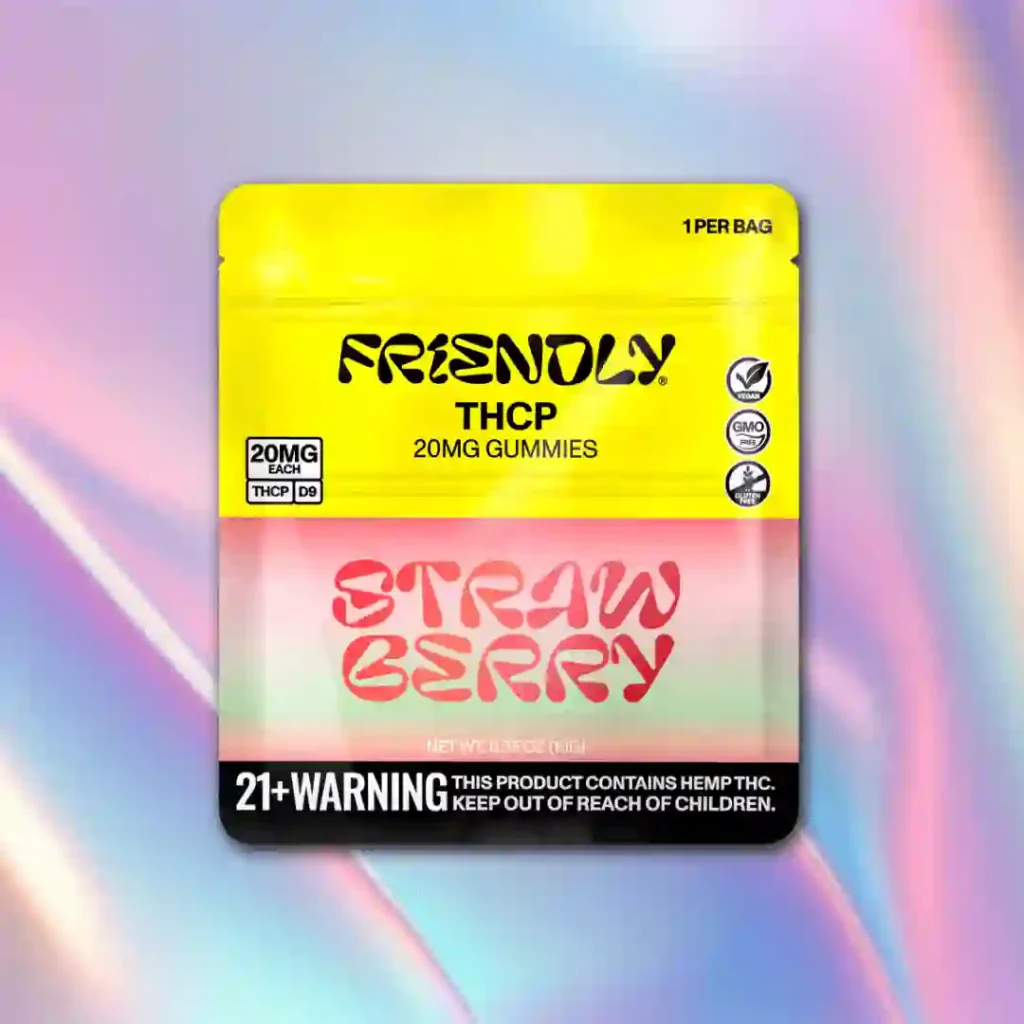
At Friendly Hemp, we’re committed to offering lab-tested, naturally sourced cannabinoid products that adhere to all DEA interpretations and federal regulations. We ensure accurate labeling, transparent sourcing, and full compliance, with your trust and wellness as our top priority. Now, if you are ready to vibe with edibles, vapes, and pre-rolls legally, we have a vast catalog ready just for you. Explore it and contact us to grab your favorite cannabinoid product today!
You must be logged in to post a comment.
More Similar Posts