What Happens When You Stop Using Delta-9 THC?
If you’ve ever decided to pause your Delta-9 THC routine and noticed your body or mood shifting, you’re not alone. Many hemp users find it challenging to predict how their body will respond after taking a break from Delta-9 THC. For some, this transition feels like a minor shift; for others, it’s a noticeable change in daily rhythms.
Understanding Delta-9 THC adjustment effects helps you navigate this process with more confidence and less uncertainty. In this blog, we explore what typically happens when you stop using Delta-9 THC, offering straightforward explanations and practical advice, without casting hemp in a negative light. Whether you’re new to hemp or a seasoned user, you’ll walk away with the clarity you need to make informed decisions.
Understanding Delta-9 THC in the Body
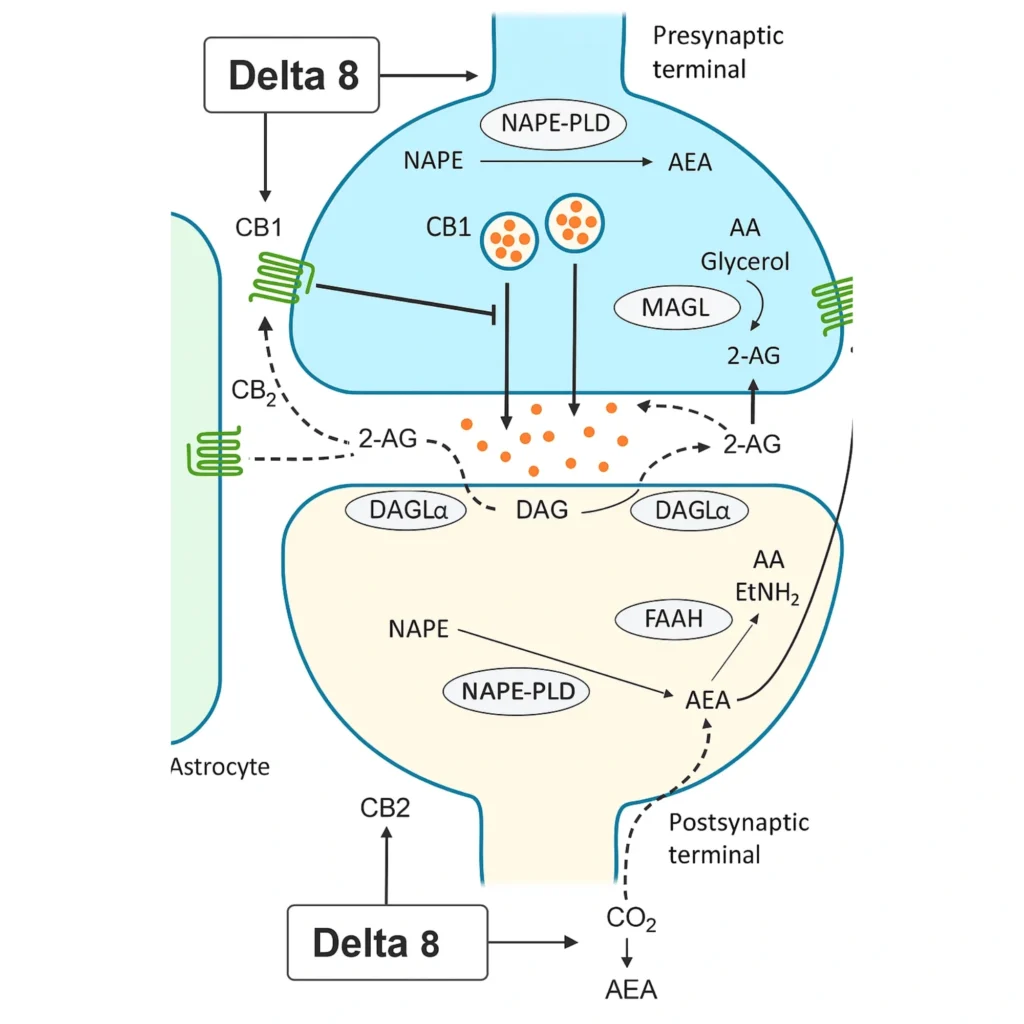
Delta-9 THC is the primary psychoactive cannabinoid in hemp and cannabis. It interacts with your endocannabinoid system (ECS), a network of receptors (CB1 and CB2) that helps regulate mood, appetite, sleep, and more. When consumed, Delta-9 THC binds primarily to CB1 receptors in the brain, producing its characteristic effects.
Over time, regular Delta-9 THC use can influence receptor activity, leading to tolerance, where your body requires more THC to achieve the same effects. Once you stop or reduce use, your ECS begins a natural recalibration process, adjusting back toward its baseline sensitivity.
What You May Notice When You Stop Using Delta-9 THC?
Pausing Delta-9 THC isn’t inherently negative, but your body may experience temporary adjustments as it readjusts to life without the cannabinoid’s regular influence. These shifts vary from person to person and depend on factors like frequency of use, dosage, and individual metabolism.
Here are some common experiences people report during the adjustment period:
- Mood Changes or Irritability: Temporary mood swings or restlessness may occur as your ECS rebalances.
- Sleep Pattern Changes: Some users notice shorter sleep duration, vivid dreams, or difficulty falling asleep during the first few nights.
- Shifts in Appetite: THC can boost appetite, so without it, you may feel less hungry until your body adapts.
- Mild Physical Discomfort: This may include headaches, low energy, or light stomach upset, which usually resolve quickly.
Safe & Mindful Transition Tips
While most people find the adjustment manageable, intentional strategies can make the process smoother. Here are ways to support your body and mind:
- Reduce Gradually: Instead of stopping suddenly, consider slowly lowering your Delta-9 THC intake to help minimize noticeable changes.
- Prioritize Hydration and Nutrition: Drinking water and eating balanced meals can help regulate energy and mood.
- Stay Active: Light exercise can boost endorphins, helping counter any temporary dips in mood.
- Consider Hemp Alternatives: Products like CBD tinctures or gummies can offer a sense of calm without Delta-9’s psychoactive effects.
How Long Might the Adjustment Take?
The adjustment timeline varies widely. Many users find that noticeable changes peak within the first 5 to 7 days after stopping and resolve within two to three weeks. For those who use Delta-9 THC in higher amounts or more frequently, the process may take slightly longer.
Individual factors, such as metabolism, diet, hydration, and overall health, play a role in how quickly your body feels “normal” again. Sleep patterns, in particular, can take a few extra weeks to fully stabilize for some people.
Value-Added Insights for Users
If you’re curious about what’s happening beneath the surface, here’s some deeper insight:
- Endocannabinoid Receptor Sensitivity Improves: Over time, your CB1 receptors may regain sensitivity, allowing you to respond more efficiently to cannabinoids in the future.
- Mental Clarity Can Increase: Some users report feeling sharper and more alert once THC is no longer part of their daily routine.
- Natural Sleep Cycles Can Return: THC can influence REM sleep, so you may notice more vivid dreams or deeper rest after your body rebalances.
These changes are part of your body’s natural adaptation process and often leave you better equipped to enjoy hemp products responsibly in the future.
How to Maintain a Healthy Lifestyle After Stopping Delta-9 THC?
Taking a break from Delta-9 THC can be an opportunity to explore new wellness habits that keep you balanced and energized. Here are some ideas to help maintain overall well-being during and after the transition:
- Create a Consistent Sleep Routine: Going to bed and waking up at the same time daily helps stabilize your circadian rhythm and improves sleep quality.
- Incorporate Mindfulness Practices: Techniques like meditation, deep breathing, or gentle yoga can reduce stress and keep your mind focused.
- Try Plant-Based Supplements: Hemp-derived CBD, herbal teas, or adaptogens like ashwagandha can promote relaxation without psychoactive effects.
- Engage in Creative Activities: Hobbies such as painting, music, or cooking can keep you mentally stimulated and emotionally fulfilled.
These habits not only help you feel better during the adjustment period but also enhance your long-term wellness, whether or not you decide to reintroduce Delta-9 THC in the future.
Conclusion
When you stop using Delta-9 THC, your body goes through a period of recalibration. You might notice temporary shifts in mood, sleep, appetite, or energy, but these are generally mild and short-lived. By tapering mindfully, taking care of your physical health, and allowing your endocannabinoid system to adjust, you can make the process smoother and more comfortable.
At Friendly Hemp, we believe in empowering our community with knowledge so you can make choices that feel right for your lifestyle, and we’re here to support you every step of the way. Contact us today!
You must be logged in to post a comment.
More Similar Posts