THCp vs. Delta 8: Which Cannabinoid Packs a Stronger Punch?
When it comes to new cannabinoids, a lot of people find themselves asking: “THCp vs. Delta 8, which one really packs a stronger punch?” And honestly, it’s a smart question. Both have been gaining serious attention in the cannabis world, but they couldn’t feel more different once you try them.
THCp is known for being super potent, while Delta 8 has a reputation for being the smooth, easygoing option. In fact, research by the National Library of Medicine (NLM) shows that THCp binds to CB1 receptors up to 33 times more strongly than traditional THC. That’s a huge deal. In this guide, we’ll break down what makes each one unique, how they compare, and how to choose the one that best fits your vibe.
What Are THCp and Delta 8?
Let’s kick things off with a quick rundown of what these two cannabinoids are:
Delta 8 THC
It is a naturally occurring isomer of THC, commonly appreciated for its milder, more approachable effects. It’s often extracted from cannabis-derived CBD through a semi-synthetic conversion process, which is legal in many areas under the Farm Bill. It’s known for delivering a calming, clear-headed experience.
THCp (Tetrahydrocannabiphorol)
Meanwhile, THCp is much rarer. It was first identified in 2019 and stands out because of its molecular structure, a seven-carbon side chain, vs. the five-carbon typical in THC, which allows it to bind much more strongly to CB1 receptors.
How Do They Interact with the Body?
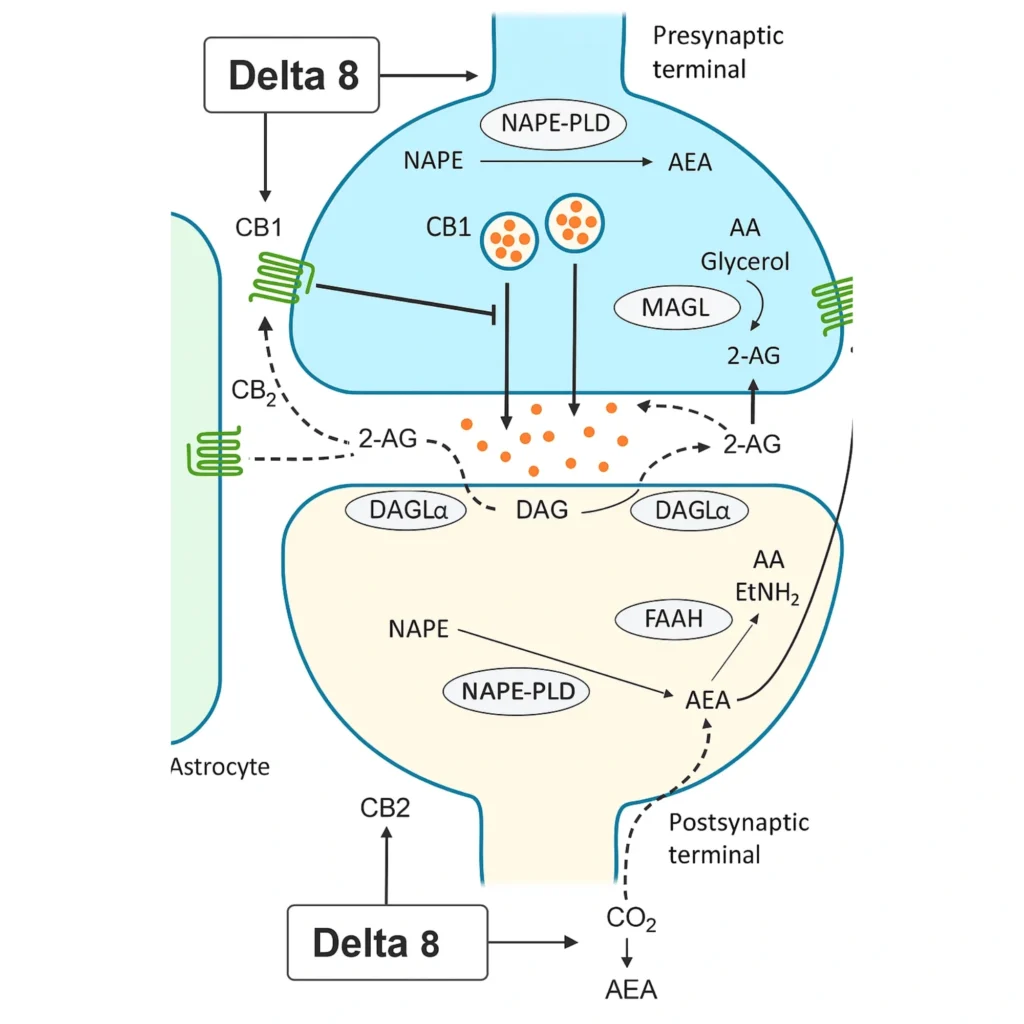
The key difference lies in how each cannabinoid engages your endocannabinoid system:
- Delta 8 has a relatively lower affinity for the brain’s CB1 receptors, making its effects more gentle and less likely to cause anxiety or paranoia. It’s favored by people who want THC-like effects without the intensity.
- THCp exhibits much stronger binding, up to 33 times stronger than Delta 9 THC, which means you can expect a noticeably more intense psychoactive experience. That’s why questions like “Is THCp stronger than Delta 8?” keep popping up.
Which Cannabinoid Feels Stronger, Delta 8 or THCp?
This is where the rubber meets the road:
- In “Delta 8 vs. THCp,” Delta 8 emerges as the mild-mannered friend, smooth, mellow, and manageable.
- Meanwhile, THCp comes through as the heavy-hitter. Research suggests that it could be 30 times more potent than Delta 9 THC, which itself is stronger than Delta 8 THC, making “Is THCp stronger than Delta 8” a safe bet: yes, by a considerable margin.
Simply put, Delta 8 offers a lighter, more predictable high. THCp delivers a deep, intense, and long-lasting psychoactive punch.
How Do Onset and Duration Compare?
The timing and length of effects can make or break your experience with cannabinoids.
- Delta 8 THC: When smoked or vaped, you’ll typically feel it within minutes. Edibles are slower, kicking in after 30 to 90 minutes, with effects lasting 3 to 5 hours. It’s a relatively quick, manageable option.
- THCp: This one tends to take longer, especially in edible form. While onset can be delayed, the experience is usually more potent and longer-lasting than Delta 8, often stretching well past the 6-hour mark.
If you’re looking for something fast and mild, Delta 8 is your go-to. For a deeper, extended ride, THCp takes the crown.
What Should Beginners Know About Dosing?
Getting your dose right is key, especially when comparing something mild to something 30x stronger.
- Delta 8 THC: A beginner-friendly cannabinoid. Most people start with a dose between 2.5 mg and 10 mg, depending on their tolerance. The effects are smooth and forgiving.
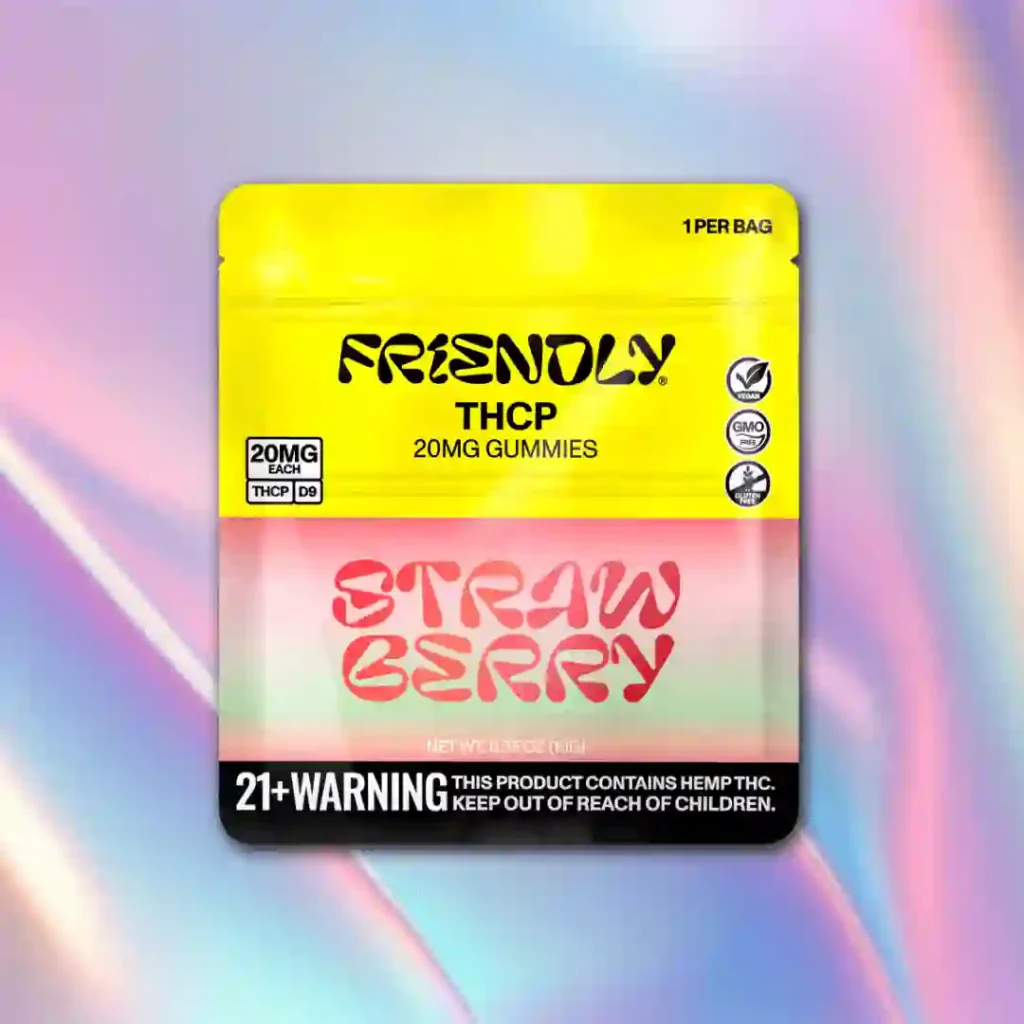
- THCp: Handle with care. Because THCp binds so strongly to CB1 receptors, even 0.5 mg to 1 mg can feel powerful. Overshooting your dose can lead to overwhelming effects.
The golden rule applies here: start low and go slow, particularly with THCp gummies and vapes.
How Do THCp and Delta 8 Benefits Differ?
Both cannabinoids can offer therapeutic value, but they do so in different ways.
- Delta 8 THC: Known for stress relief, relaxation, mild pain management, and sleep support, without the heavy fog often linked to stronger THC.
- THCp: Early research and user reports suggest stronger euphoria, deeper relaxation, and more pronounced relief for discomfort. But its intensity makes it better suited for experienced users.
If you want to understand the benefits in brief, just think of Delta 8 as the calm wave, and THCp as the tidal surge.
Which Cannabinoid Fits Your Lifestyle?
Your choice depends on your tolerance, goals, and daily routine.
- Delta 8 THC: Best if you’re new, curious, or want a clear-headed balance between relaxation and function.
- THCp: Ideal if you’re seasoned, comfortable with mindful dosing, and seeking serious, long-lasting effects.
- Blends: Many products combine Delta 8 and THCp, offering a middle ground that provides the clarity of Delta 8 with the depth of THCp.
Click here if you want to explore more of our Delta 8 and Delta blend products.
Legality and Purity of THCp vs. Delta 8 Products
The legal landscape isn’t the same for both.
- Delta 8 THC: Federally legal under the 2018 Farm Bill, but several states have banned or restricted it. Always check your local laws.
- THCp: Still very new, with limited regulation and testing. Its high potency puts it in a gray area legally, and quality can vary drastically.
Pro tip: Only buy third-party tested products to ensure purity, potency, and safety.
Conclusion
So, when comparing THCp vs. Delta 8, the biggest takeaway is this: Delta 8 offers a smoother, milder experience, perfect for newcomers or those wanting gentle effects, while THCp delivers a powerful, long-lasting punch, recommended only if you’re experienced and dose carefully.
We at Friendly Hemp appreciate how every user’s journey is unique, and that’s why we offer both approachable and advanced options to fit your comfort level and goals. No matter your path, we’ve got your back, safely, transparently, and thoughtfully. Contact us today!
You must be logged in to post a comment.
More Similar Posts