THCA vs. Delta 9 THC: What’s the Real Difference?
In the cannabis cosmos, there’s always something new to learn, especially when we talk about ‘THCA vs. Delta 9 THC.’ THCA, or tetrahydrocannabinolic acid, is like the quiet before the storm in marijuana plants—abundant and yet not intoxicating by itself. This compound is the precursor to the much buzzed-about Delta 9 THC, the star of the psychoactive show.
When you heat up THCA, say by smoking or vaping, it transforms into Delta 9 THC, which is where the magic happens. While both compounds come from the same family, their effects and how they interact with heat are what set them apart in the vast world of cannabinoids. Let’s understand the real difference:
Chemical Structure
Let’s break down the science behind THCA and Delta 9 THC. These two cousins are similar but have a key difference. THCA carries an extra group called a carboxylic acid group. This group makes THCA heavier and less stable, which is why it doesn’t stick around when the heat is on. In fact, it only takes a heat of about 230° F to transform THCA into Delta 9 THC through a process called decarboxylation.
Interestingly, because of that carboxylic acid group, THCA is bulkier. So, when it loses that group and becomes Delta 9 THC, it actually weighs about 87.7% of its original mass. This means if you start with 5 mg of THCA, you’ll end up with roughly 4.4 mg of Delta 9 THC once it’s heated and converted, plus any THC that was already in there.
Psychoactivity
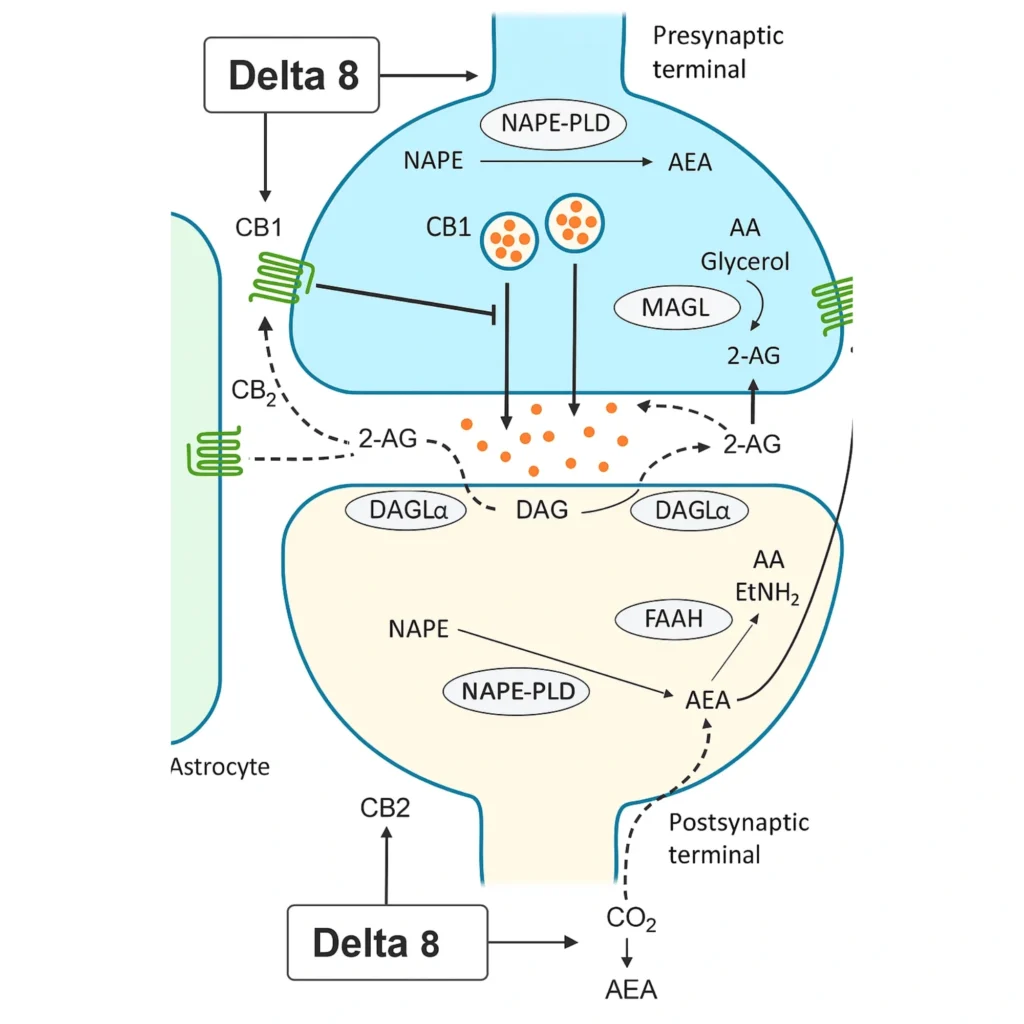
Delta 9 THC is the one that brings the party, locking onto our body’s CB1 and CB2 receptors like a key in a lock. When THC hits those receptors, it pumps up dopamine levels and delivers that euphoric effect we’re all familiar with.
On the flip side, THCA is the non-party type. It’s just too big to cozy up with those CB1 and CB2 receptors, so it cruises through your system without the psychoactive fanfare. The only way to turn THCA into the life of the party is by heating it up, which changes it into Delta 9 THC. Whether you’re vaping, smoking, or even baking it in your oven, you’re not actually getting euphoric effect off THCA itself; it’s all about the transformed Delta 9 THC that makes the magic happen.
Therapeutic Effects
Switching gears to the therapeutic side of things, let’s talk about THCA, which hasn’t been turned into Delta-9 THC yet. This raw, unactivated form of THCA isn’t what you get from vaping or smoking; those methods transform it. But in its original state, THCA has been snagging some spotlight in research for its health perks.
For starters, THCA might just be a brain protector. Studies are looking into its potential to safeguard against neurological disorders like Alzheimer’s. It’s also showing promise for its anti-inflammatory powers, which could help ease symptoms of conditions like irritable bowel disease.
Now, Delta 9 THC, which has been studied more extensively, also packs a punch with health benefits. It’s known for fighting inflammation and could help with respiratory issues and skin problems like contact dermatitis. Plus, it’s a champ at reducing chronic pain, particularly neuropathic pain, and is often more effective when teamed up with CBD. It might even help keep your stomach settled by reducing nausea and protecting your brain cells as a potent antioxidant.
Commercial Availability
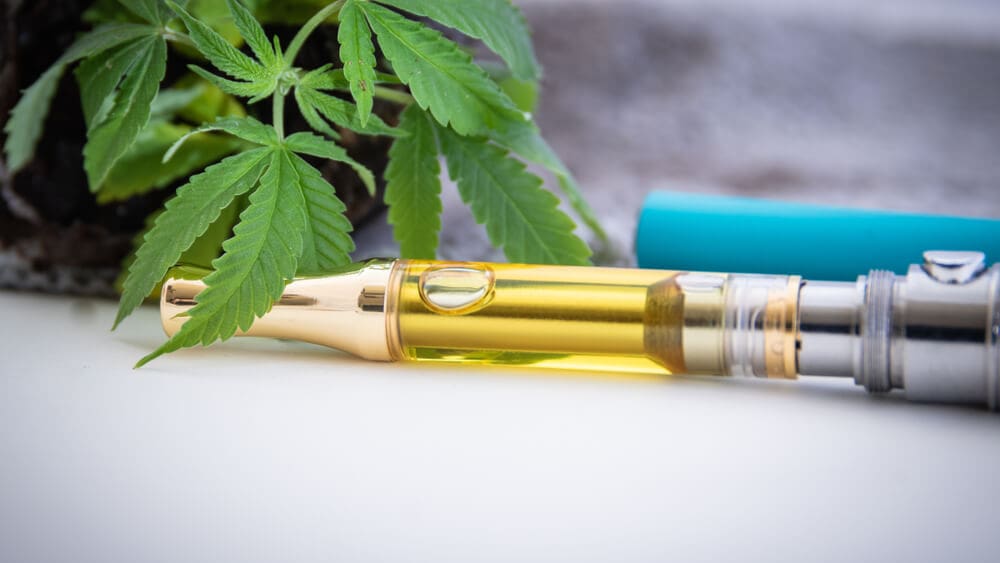
If you’re in a state where marijuana’s on the up-and-up, you’ll find Delta 9 THC products are pretty much everywhere. There’s a whole array of goodies to choose from—think THC carts, disposable vapes, edibles, and tinctures. Now, Delta 9 THC has the edge in stability compared to its cousin, THCA. Sure, THC can turn into CBN if you don’t store it right, but that takes a while and doesn’t really happen while you’re vaping or smoking.
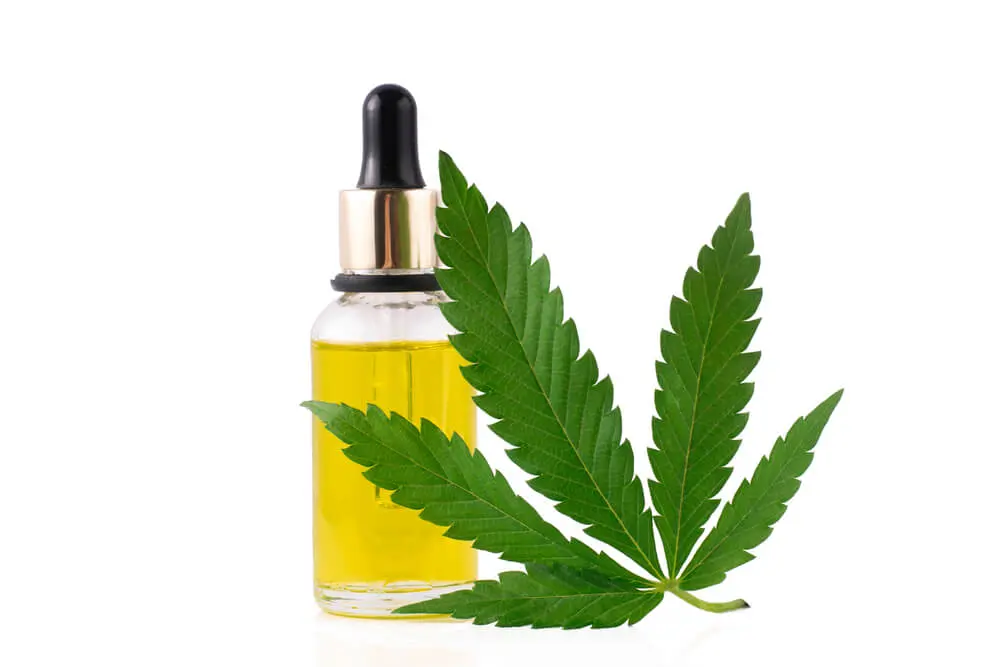
When it comes to THCA vs Delta 9 effects, know that THCA doesn’t stay THCA for long when heat’s involved. It flips to THC faster than you can say ‘vapor’ as soon as you heat it up. That means if you’re vaping or smoking, you’re mostly getting Delta 9 THC effects. Hunting for THCA? You’ll find it in its raw form, like buds you can juice or capsules and tinctures that you need to consume without heating to maintain the THCA goodness. But remember, light it up or heat it, and you’re back to THC territory.
Legality
Talking legality here—while some states are giving THCA the side-eye, on the federal level, it’s generally lumped in with other hemp derivatives under the 2018 Farm Bill. But keep your eyes peeled: some places are more about the total THC content than just the Delta 9 levels.
For hemp products to stay legal, they’ve gotta keep under 0.3% Delta 9 THC by dry weight. Whether it’s hemp bud, tinctures, or edibles, they all have to play by these rules. Carts and disposable vapes usually manage this easier since they mix in other cannabinoids, too. Crafting products rich in THCA without crossing the Delta 9 limit? That’s an art—requiring real finesse and patience.
Now, flip the script to marijuana and Delta 9 THC—they’re still on the Schedule I list in the U.S., which means they’re tightly regulated. You’re only in the clear to buy legal Delta 9 goodies if your state says it’s A-OK.”
Which Is Better: THCA or THC?
Honestly, it’s like comparing apples to oranges. Each has its own vibe and benefits, depending on what you’re after. If you’re looking to experience that classic cannabis high, THC is your go-to. It interacts with the brain to bring on those euphoric feelings. On the flip side, if you’re curious about potential health benefits without the psychoactive effects, THCA might be what you’re looking for.
Conclusion
In wrapping up our journey through the world of “THCA vs. Delta 9 THC,” it’s clear both have unique roles in the cannabis family, each with distinct benefits depending on your needs. Whether you’re after the euphoric effect that Delta 9 THC offers or the potential health perks of THCA without the psychoactive effects, understanding these differences helps you make informed choices.
So, whether you’re vaping, cooking, or researching, knowing what each brings to the table can enhance your cannabis experience in all the right ways. Always remember to buy all your cannabis products from a reputable source like Friendly Hemp to ensure you’re getting the right and lab-tested products each time you order. Contact us to get started today!
You must be logged in to post a comment.
More Similar Posts