Legal CBD vs. Delta-8: Why the Rules Are So Different
The world of cannabinoids is complex, with terms like CBD and Delta-8 THC becoming more familiar to consumers and legal bodies alike. While both of these compounds derive from hemp, their legal status and market presence differ significantly. Understanding why these two compounds are treated differently under the law is essential for consumers, retailers, and industry professionals. In this blog, we will help you understand the legal frameworks surrounding CBD vs. Delta-8, providing clarity on why one is considered legal while the other exists in a legal grey area.
What Is Legal CBD? A Federal Overview
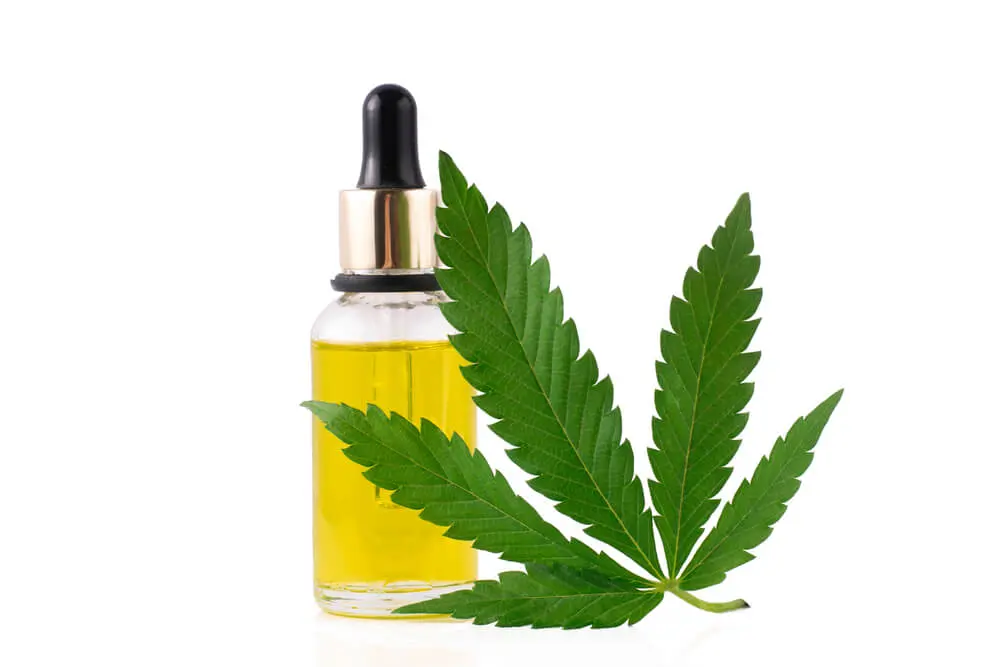
Legal CBD comes from hemp, a cannabis plant variety that contains less than 0.3% THC by dry weight. The 2018 Farm Bill legalized hemp-derived CBD at the federal level, making it available for a range of uses, from oils and tinctures to topical creams and edibles. Unlike Delta-9 THC (the psychoactive component in marijuana), CBD is non-intoxicating, which has made it widely accepted in the health and wellness space.
The legal framework surrounding CBD is relatively simple. As long as the product comes from hemp & contains less than 0.3% THC, it is considered legal under federal law. However, the FDA still regulates CBD products, particularly when they make health claims, which requires companies to follow specific guidelines on marketing and labeling. In practice, this means CBD products need to be third-party tested for THC levels, and manufacturers must provide accurate information regarding dosage and ingredients.
Despite federal legalization, some states have taken additional steps to regulate or to restrict the sale of CBD, especially in areas like food and beverages. This discrepancy is important because while CBD is legal federally, state-specific rules may apply, meaning its availability can really vary depending on where you are.
What Is Delta-8 THC? The Loophole Explained
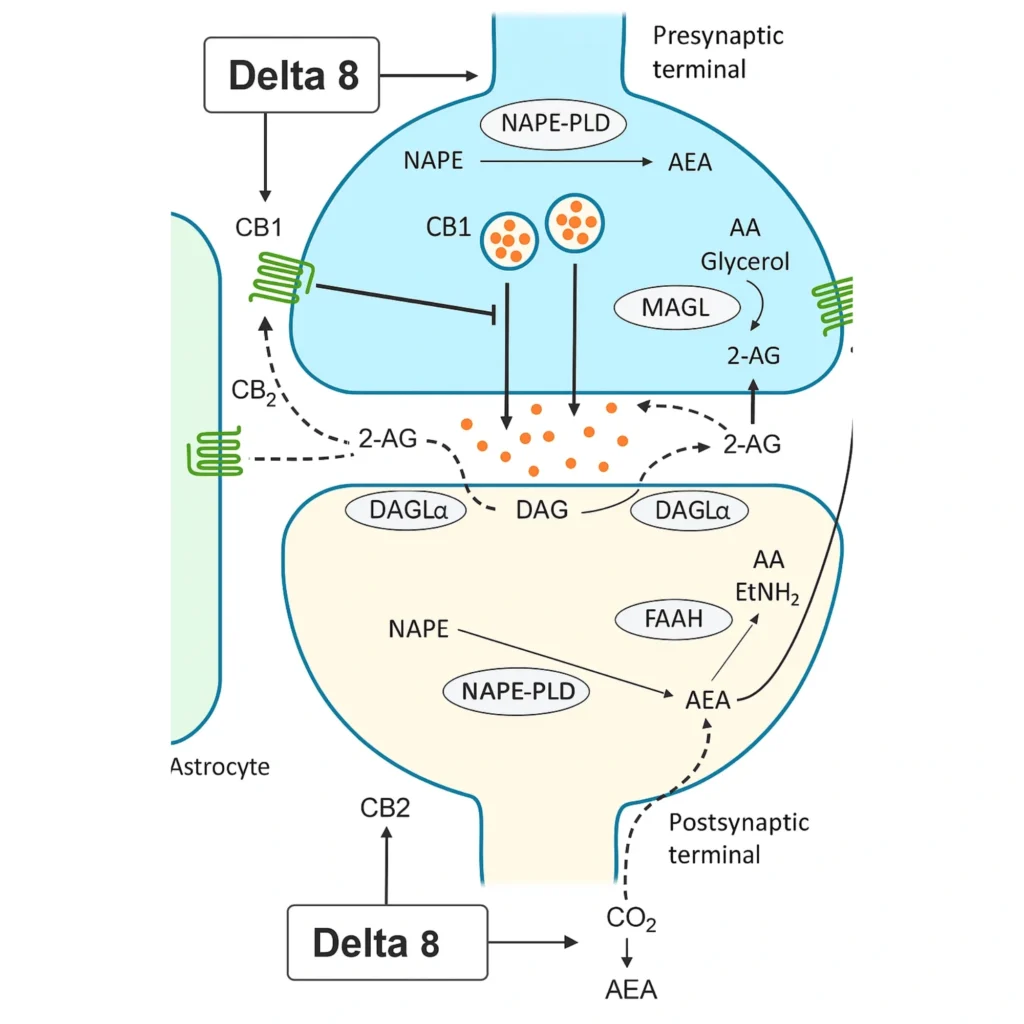
Delta-8 THC, like CBD, is derived from hemp but is a naturally occurring cannabinoid with psychoactive effects. Often referred to as a “milder” version of Delta-9 THC, Delta-8 can provide a similar but less intense high, making it an appealing alternative for consumers seeking the advantages of THC without the more potent effects associated with marijuana.
Delta-8 gained popularity because of a perceived loophole in the 2018 Farm Bill. While the law legalized hemp-derived products, it did not explicitly address Delta-8 THC, which is chemically similar to Delta-9 THC but typically exists in small quantities in the hemp plant. To create significant quantities of Delta-8, manufacturers use a chemical process to convert CBD into Delta-8. This process has allowed for a surge in Delta-8 products entering the market.
However, because Delta-8 produces intoxicating effects, it has raised regulatory concerns. In some states, it is classified similarly to Delta-9 THC and is therefore banned. Delta-8 THC occupies a legal gray area where it is legal under federal law in states that haven’t specifically outlawed it but are subject to varying local regulations that can change frequently.
Why CBD and Delta-8 Are Treated Differently
At the federal level, CBD and Delta-8 differ in terms of their chemical properties, their effects on the body, and how they interact with the Controlled Substances Act. CBD, being non-psychoactive, poses far fewer legal concerns compared to Delta-8, which has intoxicating properties similar to Delta-9 THC. This difference in psychoactivity is the main reason why the two cannabinoids are regulated so differently.
The federal government has classified CBD as a non-controlled substance, provided it meets the legal THC limit of 0.3%. However, Delta-8 is still in a legal limbo due to its psychoactive properties, even though it is derived from hemp. The FDA and DEA have expressed concern over the safety of Delta-8, as it is often synthesized through chemical processes, which may introduce harmful impurities. Some states, such as Alaska and Colorado, have already moved to ban Delta-8 THC, while others have created more relaxed rules or left it unregulated, creating a patchwork of rules across the country.
Market Access and Labeling Laws
The legal status of CBD products allows for greater market access, with stores selling a wide range of CBD products, from edibles to skincare. Because CBD is federally legal, it can be sold across state lines, though specific states may have local restrictions. Delta-8, on the other hand, is still subject to more complex regulations, and its availability depends heavily on local laws.
In terms of labeling, both CBD and Delta-8 products require careful adherence to state and federal regulations. CBD products must list the THC content to ensure compliance with the 0.3% THC limit, and they often carry a warning that they are not approved by the FDA for medicinal purposes. Delta-8 products, due to their intoxicating nature, must adhere to stricter labeling laws, which include clear disclaimers about potential effects and warnings regarding age restrictions.
What It Means for Consumers and Retailers
For consumers, the main takeaway is the importance of being informed about the products they buy. Legal CBD is widely available and can be found in many stores across the U.S., but Delta-8 is only available in certain regions, and its legality can change quickly. Consumers should be aware of where Delta-8 is legally sold and always check the THC content on CBD products to ensure they are compliant with regulations.
Retailers must navigate these differences carefully, ensuring that their CBD and Delta-8 products are compliant with local and federal laws. They must also stay updated on any regulatory changes, as both cannabinoids are still under legal scrutiny. For businesses selling Delta-8, they must take additional steps to ensure their products are appropriately labeled and tested for safety.
Looking Ahead: The Future of Hemp Regulation
The future of hemp and cannabinoid regulation is uncertain. As more research emerges and consumer demand for CBD and Delta-8 grows, lawmakers are likely to revisit the regulations surrounding these products. New laws may streamline the regulations, offering clearer guidelines on Delta-8 THC and the hemp market overall. It’s possible that Delta-8 will eventually be federally regulated, but for now, the legal status remains inconsistent from state to state.
In the coming years, we may also see more collaboration between regulators and the industry to ensure consumer safety while promoting innovation. The trend toward more standardized testing and labeling is likely to continue, with an emphasis on transparency for consumers.
Conclusion
The chemical properties and effects of each substance shape the legal landscape surrounding CBD vs. Delta-8. CBD has been broadly accepted under federal law as long as it complies with the legal THC limit of 0.3%, whereas Delta-8 THC is still navigating the legal gray area due to its psychoactive effects.
At Friendly Hemp, we prioritize consumer safety and transparency in every product we offer. Whether you choose our third-party, lab-tested Vegan CBD gummies, vapes, or pre-rolls, you can be confident in the quality and legality of our products. We ensure that every item meets the highest standards for potency and safety, giving you the peace of mind you deserve when searching for the cannabinoid product you want. And now, if you’d like to purchase any of the products mentioned above, don’t wait. Contact us today!
You must be logged in to post a comment.
More Similar Posts