Is Cannabis-Derived Delta 9 Safe? Potency, Testing, and Compliance Explained
Lots of people may wonder, “Is it even safe to use Delta 9 derived from Cannabis?”, and with good reason. Especially with so many products out there, it’s only natural to fret about what’s going into your body. Interestingly, in the U.S., studies published by PubMed Central (PMC) show that while most Delta 9 products stay under the legal THC limit, a whopping 66% of them don’t match their labelled dosage. It raises real safety concerns for consumers. So, “Is Cannabis-derived Delta 9 safe?” highlights how common its use has become across communities.
American Journal of Public Health. That’s why it’s so important to get the facts straight. When these Delta 9 products are manufactured responsibly, go through strict potency testing, and meet compliance standards, they can be safe and satisfying. In this guide, we’ll clear up the fog around everything, from potency and testing to regulations, so that you can make an informed decision, whether you are new to the field or already a pro user.
What Is Cannabis-Derived Delta 9?
Cannabis‑derived Delta 9 THC refers to the psychoactive compound sourced from cannabis (not marijuana), which is legally defined under the Farm Bill (issued in 2018) as containing no more than 0.3% Delta 9 THC by dry weight. The distinction between cannabis and marijuana hinges solely on that THC threshold; as long as the product complies, it’s considered cannabis and is federally permissible.
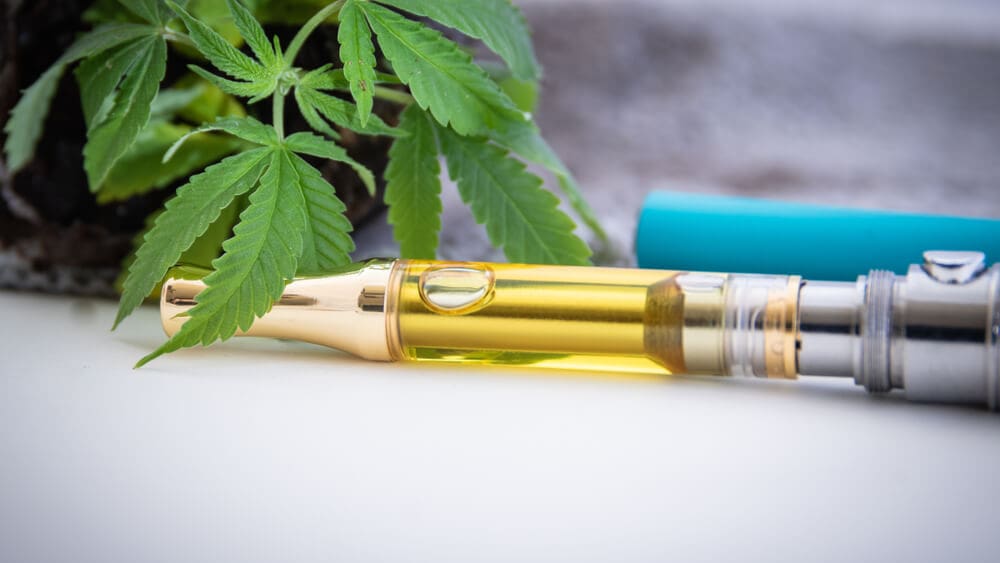
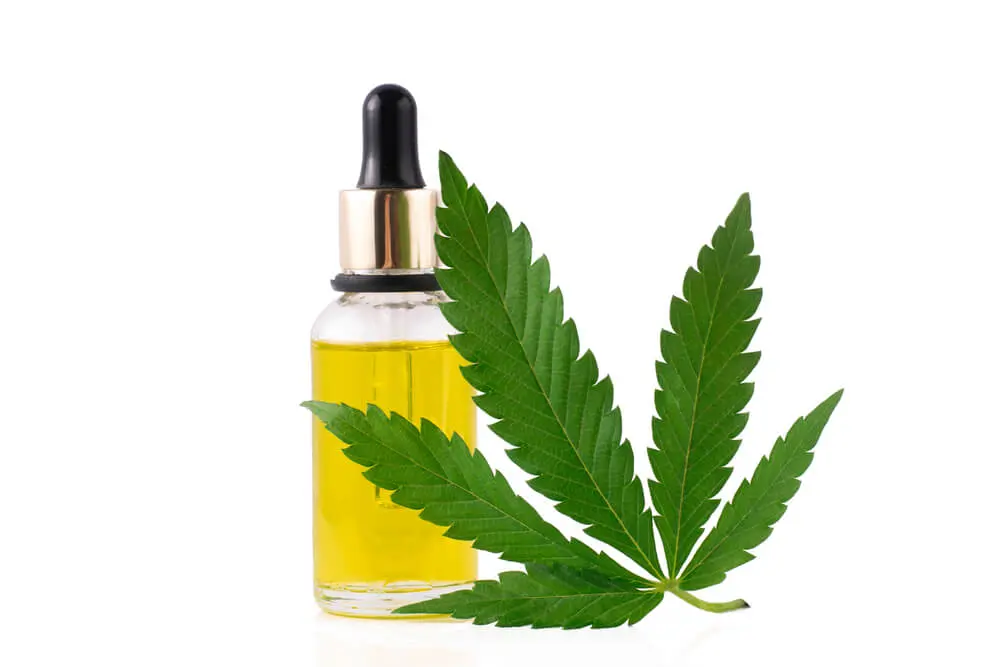
In practice, this means that cannabis‑derived Delta 9 appears in a variety of regulated products, vape cartridges, gummies, tinctures, licensed under compliant frameworks. These products offer a clear, legal path for safe consumption, provided they’re properly processed.
Delta 9 Potency: Understanding Strength and Effects
Let’s unpack Delta 9 Potency. In cannabis products, potency refers not just to total milligrams of THC, but also to how much Delta 9 is available per serving. Because regulations cap Delta 9 at 0.3% by weight, foods and beverages can still contain significant total THC depending on their size. For example, a 50 g chocolate bar at 0.3% could deliver up to ~150 mg of THC. This is many times higher than the standard 5 mg dose recognized by researchers.
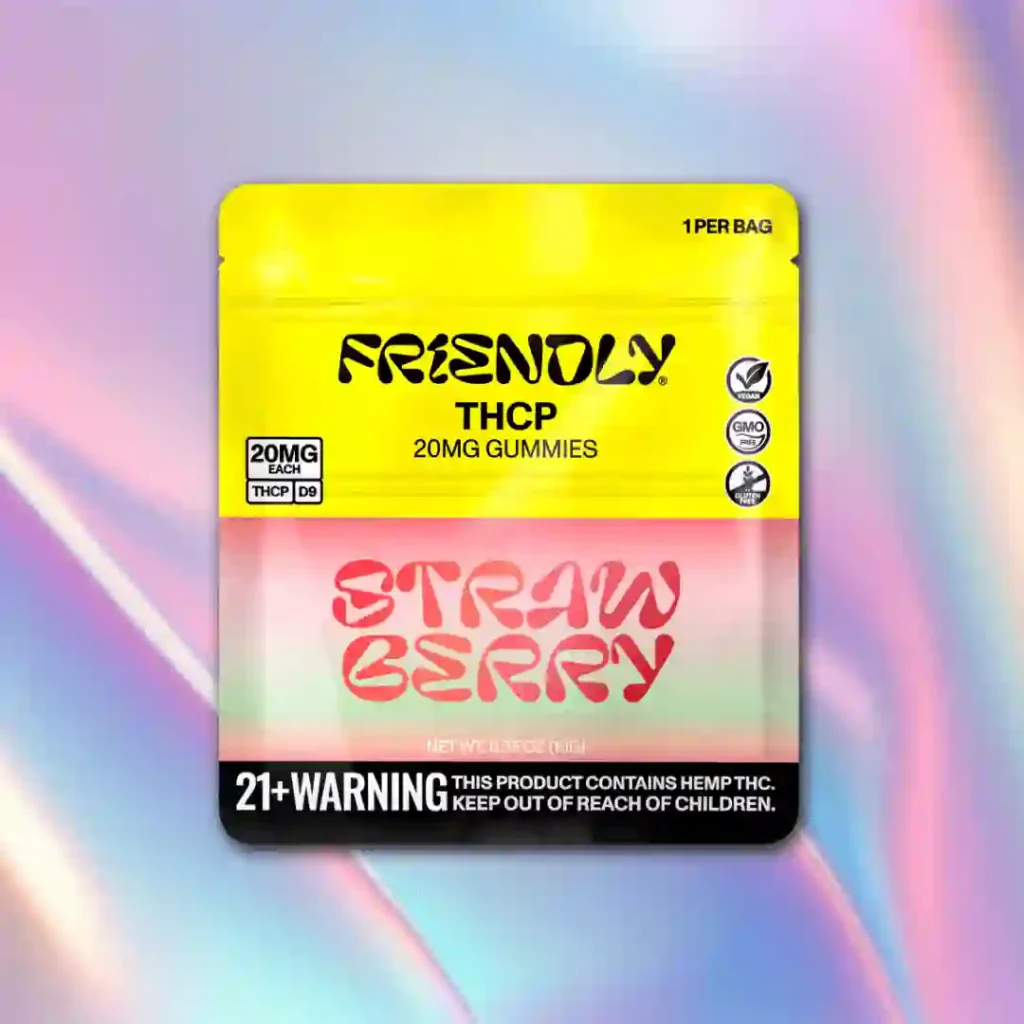
Responsible producers design products that match dosage to safe, enjoyable effects, from low-potency options (like 5 to 10 mg per serving) to moderate ones (20 to 30 mg). High-potency products also exist, but good brands emphasize responsible dosing and clear serving suggestions.
This helps every user to tailor their Delta 9 potency to their tolerance and desired effects, avoiding overconsumption and ensuring a positive experience. For beginners, starting low and gradually adjusting is the safest strategy, while experienced consumers may prefer more potent options. Ultimately, potency is about finding the balance that strikes the sweet spot between effectiveness and comfort.
The Role of Third-Party Lab Testing in Delta 9 Safety
Delta 9 Testing is the backbone of product safety. Reputable cannabis labs analyze:
- Total Delta 9 THC (including potential THCA conversion)
- Cannabinoid profiles
- Residual solvents, pesticides, heavy metals, microbials, and other contaminants
Under USDA (U.S. Department of Agriculture) cannabis program rules, labs must follow rigorous protocols, validated methods, quality checks, measurement uncertainty reporting, and sample disposal procedures.
Consumers should always check a product’s COA (Certificate of Analysis), which verifies that Delta 9 Testing confirms compliance and that harmful compounds are absent or below safe thresholds. Lab-tested Delta 9 equals transparency and safety, giving you confidence in your purchase.
Cannabis-Derived Delta 9 Compliance and Regulations
Delta 9 products containing Cannabis must adhere to the 2018 Farm Bill’s ≤ 0.3% THC limit. Additionally, federal definitions currently treat cannabis‐derived products under a different regulatory lens than marijuana, so long as they remain within that threshold.
Still, a legal gray area remains: products made through chemical conversion (for example, converting CBD into Delta 9 or Delta 8) sometimes skirt into “intoxicating” territory. Many states have begun tightening oversight in response. For now, markets remain largely compliant if brands:
- Source from verified, lawful cannabis producers
- Use clear batch testing
- Follow compliant manufacturing and labeling practices
This type of compliance safeguards consumers and retailers alike, assuring legal, responsible use and shipping.
How to Choose Safe Delta 9 Products?
When browsing cannabis-derived Delta 9 options, focus on these key trust markers:
- Verified third-party testing: Look for COAs from USDA-accredited labs.
- Transparent labeling: Serving size, total THC content, ingredients, and origin.
- Clear dosage guidance: Is it beginner-friendly? Moderate? Advanced?
- Positive brand reputation: Solid reviews, open policies, customer support.
Choosing reputable retailers, like ours at Friendly Hemp, means you’re accessing products crafted with care, safety, and compliance in mind. That ensures peace of mind from cart to consumption.
Conclusion
In short, “Is Cannabis-Derived Delta 9 Safe?” And we know the answer by now, that is, absolutely Yes. When potency is responsibly dosed, testing is thorough and transparent, and compliance is built into every step of the process. By leaning on lab-tested, well-labeled, and legally compliant cannabis products, you can trust the experience you’re getting.
At Friendly Hemp, we believe in safety, clarity, and quality. That’s why all our Delta 9 offerings are third-party tested, carefully dosed, and fully compliant. It’s so you can choose wisely, use confidently, and enjoy responsibly. Contact us today!
You must be logged in to post a comment.
More Similar Posts