How to Identify Fake or Low-Quality Cannabinoid-Infused Products
The growing popularity of cannabinoid-infused products has opened the door to a wide array of choices in the market. However, not all products are created equal, and the influx of low-quality and counterfeit items can make it challenging for consumers to discern the good from the bad. Understanding how to identify fake or low-quality cannabinoid-infused products is crucial for ensuring safety, efficacy, and value for money. So, we’ll be discussing some key indicators of such products and offer guidance on making informed choices.
Understanding Cannabinoid-Infused Products
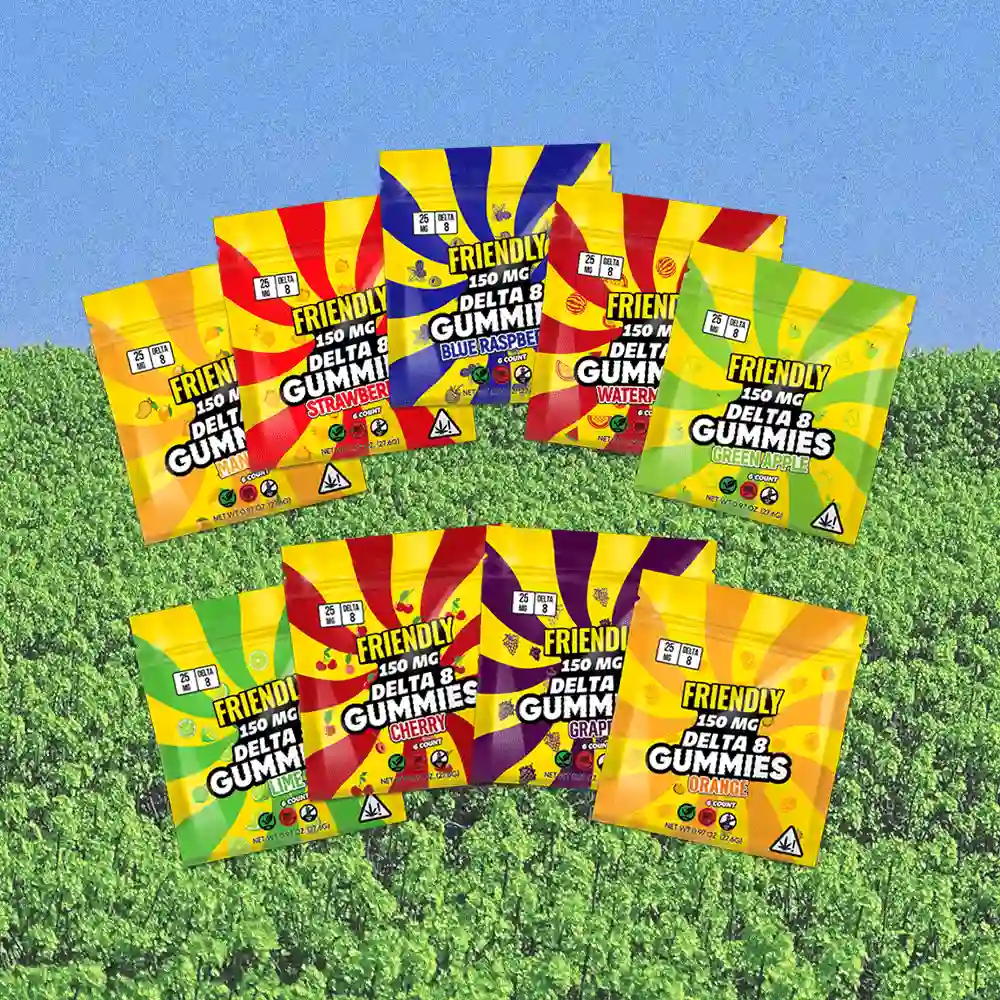
Before diving into the specifics of identifying fake or low-quality products, it’s essential to understand what cannabinoid-infused products are. These products contain cannabinoids (non-psychoactive, psychoactive, or a combination of both), the active compounds found in cannabis. They come in various forms, each offering certain effects and uses.
Now, buying high-quality cannabinoid-infused products are vital for several reasons:
- Safety: Low-quality products may contain harmful contaminants.
- Efficacy: Poor-quality products may not provide the desired effects.
- Value for Money: Investing in high-quality products ensures you get what you pay for.
Key Indicators of Fake or Low-Quality Products

Identifying fake or low-quality cannabinoid-infused products requires vigilance, education, and skepticism.
Indicator #1: Lack of Third-Party Testing
Reputable cannabinoid-infused products should be accompanied by third-party lab testing results. These tests verify the product’s cannabinoid content and check for contaminants such as pesticides, heavy metals, and mold. If a product does not have a Certificate of Analysis (COA) or if the COA seems dubious (e.g., not from a recognized lab), it’s a red flag.
Indicator #2: Suspiciously Low Prices
While everyone loves a good deal, be cautious of products priced significantly lower than the market average. The production of high-quality cannabinoid-infused products is costly due to rigorous testing, quality ingredients, and safe extraction methods. Extremely low prices often indicate cut corners or outright scams.
Indicator #3: No or Poorly Detailed Ingredients List
A reliable product will have a clear and comprehensive list of ingredients. Vague terms like “hemp oil” without specifying the type or concentration of cannabinoids can be a sign of a low-quality product. High-quality products should specify the exact amount of CBD or THC in each serving.
Indicator #4: Over-the-Top Health Claims
Be wary of products that make exaggerated health claims, such as curing diseases or offering miraculous results. The FDA strictly regulates health claims associated with cannabinoid products. Any product claiming to cure, treat, or prevent diseases is likely violating these regulations and should be approached with skepticism.
Indicator #5: Inconsistent Branding and Packaging
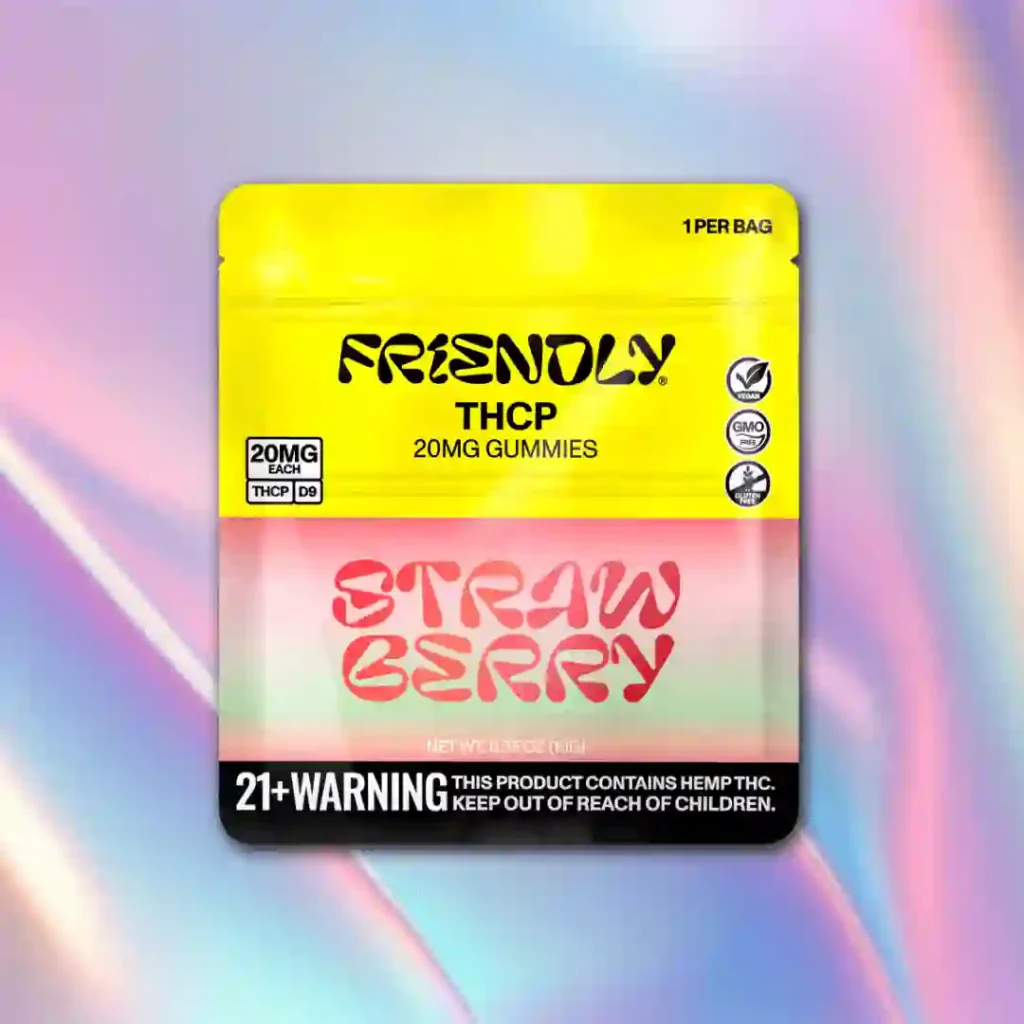
Professional and consistent branding and packaging are indicators of a legitimate product. Look out for spelling mistakes, inconsistent fonts, poor-quality printing, or packaging that looks tampered with. These could be signs of counterfeit products.
Indicator #6: No Online Presence or Reviews
A reputable brand should have an online presence, including a website and social media profiles. Additionally, genuine customer reviews can provide insights into the product’s quality. If a product or brand has no online presence or only has suspiciously positive reviews, it may be a sign of a fake or low-quality product.
Indicator #7: Unclear Source of Hemp
High-quality cannabinoid products should specify the source of their hemp. The best products are typically made from organically grown hemp from regions known for their stringent agricultural standards, such as the USA or the EU. Products that do not disclose their hemp source may be using low-quality or contaminated hemp.
Steps to Ensure You’re Buying High-Quality Cannabinoid Products

Fortunately, there are some steps you can take to ensure you purchase only the finest cannabinoid products possible:
- Research the Brand: Before purchasing, research the brand. Look for information about their sourcing practices, extraction methods, and testing protocols. Trustworthy brands will be transparent about their processes and readily provide information.
- Check for Third-Party Lab Reports: Always look for third-party lab reports. These should be easily accessible on the brand’s website. Ensure the lab is accredited and the reports are up-to-date. The COA should match the product batch number and verify the cannabinoid content and the absence of contaminants.
- Certifications: Look for products with certifications such as USDA Organic, Good Manufacturing Practices (GMP), and ISO standards. These certifications indicate adherence to high-quality production and safety standards.
- Read Customer Reviews: Customer reviews can be very telling. Look for detailed reviews on multiple platforms to get a balanced perspective. Be cautious of products with only overly positive reviews, as these can sometimes be fake.
- Verify the Ingredients: While it’s not always true that a higher price equals higher quality, extremely low prices should raise a red flag. Compare prices across reputable brands to get a sense of the average cost for quality cannabinoid products.
- Consider the Price: Carry documentation proving that your cannabinoid product is hemp-derived and contains less than 0.3% THC. This can include lab test results or a certificate of analysis from the manufacturer.
- Evaluate the Packaging: Quality packaging often reflects the quality of the product inside. Look for products with professional, well-designed packaging that includes detailed product information, usage instructions, and safety warnings.
Now that you have a better idea of what to look for, above let’s really zone in based on the product type, since different types of cannabinoid-infused products require specific checks.
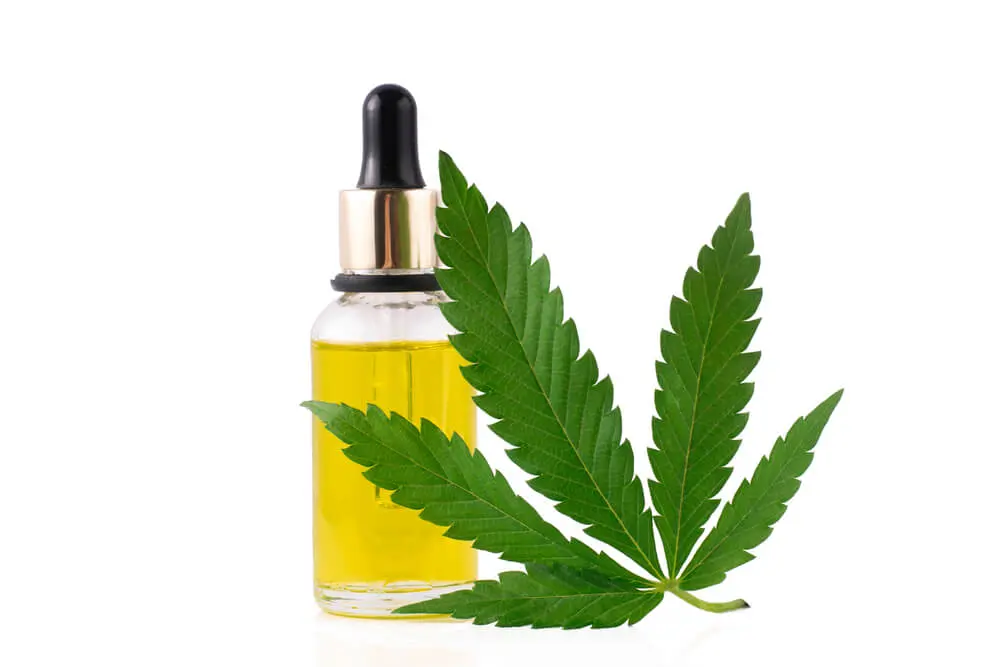
a). Tinctures:
- Red Flag: Cloudy oil or oil that separates into layers. They should also have a natural, earthy smell and taste. A strong chemical odor or taste is not good.
- Quality Check: The oil should be clear and well-mixed. Verify the extraction method; CO2 extraction is a gold standard. Ensure the dropper is functional and the bottle is dark to protect from light degradation.
b). Edibles:
- Red Flag: Inconsistent texture, color, or flavor.
- Quality Check: Edibles should be uniform in appearance and taste. Ensure the dosage information is clearly stated, as each piece should have a consistent and clearly labeled cannabinoid content. Plus, avoid products with artificial additives and preservatives.
c). Capsules:
- Red Flag: Inconsistent sizes or shapes of capsules.
- Quality Check: Capsules should be uniform and contain detailed dosage information.
d). Topicals:
- Red Flag: Greasy or overly fragrant product.
- Quality Check: Quality topicals are well-absorbed by the skin and have a mild, pleasant scent. Ingredients should be listed in detail. Ensure the packaging is hygienic and prevents contamination.
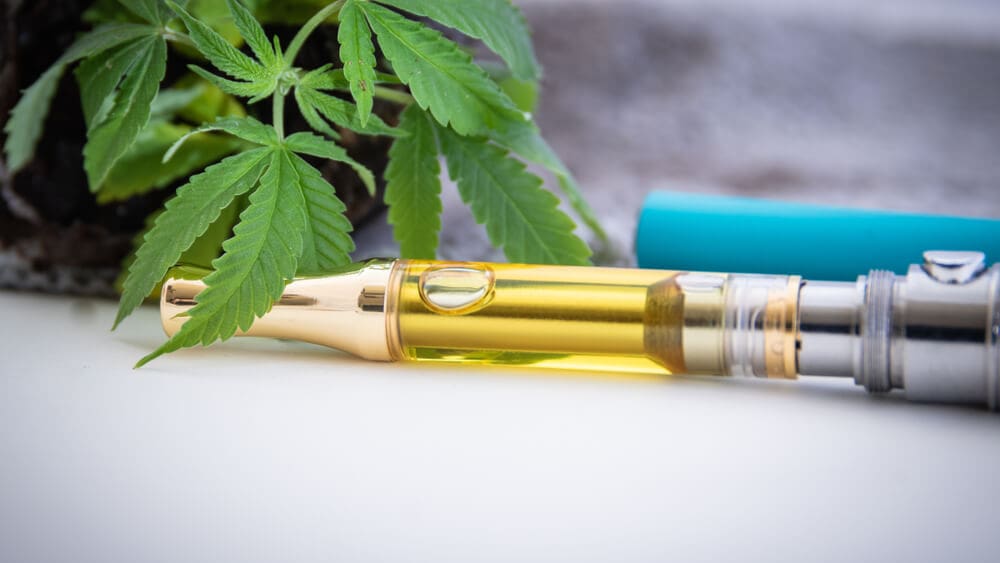
e). Vape Products:
- Red Flag: Unusual taste or smell when vaped.
- Quality Check: Vape products should have a clean taste with no burnt or chemical flavors. Ensure the product uses high-quality carrier oils like MCT oil. High-quality vape cartridges should be clear and free from any particles. Also, ensure the vape pen or device is of good quality and functions properly.
Now You Know What to Look For!
Identifying fake or low-quality cannabinoid-infused products requires vigilance and knowledge. By understanding the key indicators of quality, researching brands, and paying attention to regulatory standards, consumers can make informed decisions and enjoy the benefits of safe, effective cannabinoid products. Always prioritize safety, transparency, and quality to ensure the best possible experience with cannabinoid-infused products. We also gotta mention that as the hemp marketplace continues to grow, consumer awareness and demand for transparency will drive higher standards. Future trends include blockchain technology for tracking product authenticity, increased regulation, and more widespread availability of third-party testing.
You must be logged in to post a comment.
More Similar Posts