Understanding how cannabinoids interact with the body is essential for both new and experienced users. Among the most discussed compounds in the hemp space today are Delta 8 and Delta 9 THC. While these two cannabinoids share structural similarities, they differ significantly in how the body metabolizes them and, consequently, in the effects they produce.
Whether you’re exploring hemp-derived products for wellness, relaxation, or clarity, knowing the metabolic differences between Delta 8 and Delta 9 THC can help you make more informed choices. This blog explores the science of metabolism behind these two cannabinoids, comparing their absorption, breakdown, and effects on the body.
What Happens When THC Enters the Body?
When you consume THC, whether Delta 8 or Delta 9, it first enters the bloodstream through various pathways depending on the method of intake. Inhalation delivers cannabinoids quickly to the bloodstream via the lungs, while edibles must first pass through the digestive system and the liver, a process known as first-pass metabolism.
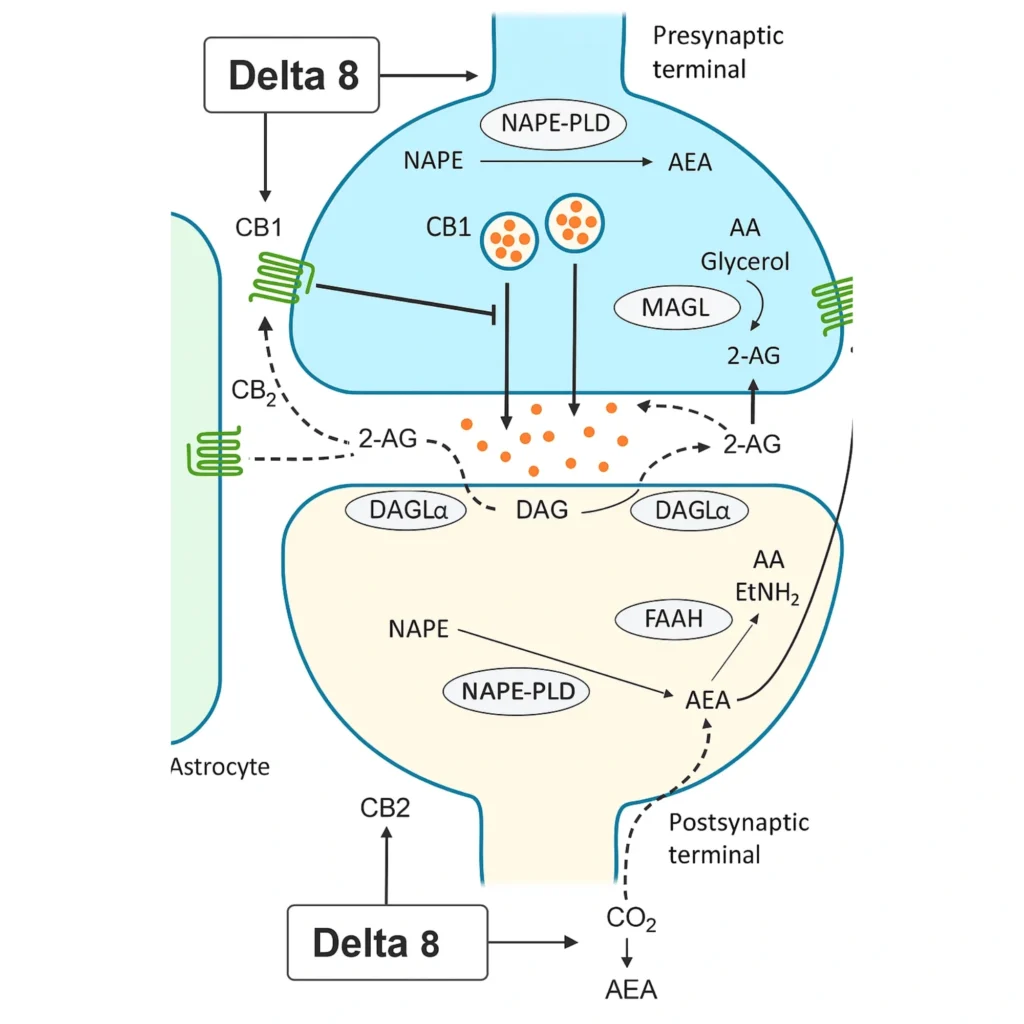
Once THC enters the bloodstream, it interacts with the endocannabinoid system (ECS), a complex cell-signaling system responsible for regulating mood, appetite, pain, and more. The ECS has two main receptor types: CB1 and CB2. THC primarily binds to CB1 receptors found in the brain and central nervous system, which are responsible for the “high” associated with its consumption.
The liver plays a critical role in THC metabolism. It uses enzymes, mainly from the cytochrome P450 family, to break down cannabinoids into active metabolites, which then circulate throughout the body and produce effects.
Metabolism of Delta 9 THC
Delta 9 THC is the most well-known psychoactive component of cannabis. When ingested, particularly in edible form, Delta 9 THC metabolism involves its conversion by liver enzymes into 11-hydroxy-THC, a metabolite that is considerably more potent than Delta 9 itself. According to a study published in Therapeutic Drug Monitoring, 11-hydroxy-THC is estimated to be 2-3 times more psychoactive than Delta 9 THC.
This process explains why edibles tend to produce stronger and longer-lasting effects compared to inhaled products. When smoked or vaped, Delta 9 bypasses the liver’s first-pass metabolism, producing faster onset effects (within minutes) that typically peak around 30 to 60 minutes after use and taper off in a few hours.
Delta 9 THC metabolism also varies based on several factors, including body weight, age, tolerance, and frequency of use. Chronic users may metabolize THC more efficiently, but they may also accumulate THC metabolites in fat cells, extending the time it remains in the system.
Additionally, the body stores THC metabolites like THC-COOH in fatty tissue, which can be detectable in drug tests for days or even weeks, depending on usage patterns.
Metabolism of Delta 8 THC
Delta 8 THC is a naturally occurring isomer of Delta 9 but has a slightly different molecular structure, specifically, the position of a double bond. This seemingly minor distinction results in a different metabolic profile.
When consumed orally, Delta 8 metabolism follows a similar pathway to Delta 9: the liver converts it into an active metabolite, 11-hydroxy-Delta 8-THC. However, this metabolite is generally considered to be less psychoactive than 11-hydroxy-Delta 9-THC. This is why users often describe Delta 8 as delivering a more mellow and clear-headed experience.
Moreover, Delta 8 metabolism tends to result in more gradual onset and offset effects, making it a popular choice for those seeking sustained calm without intense psychoactivity. Inhaled forms of Delta 8 are also available and, like Delta 9, bypass the liver initially for quicker effects. However, the strength of these effects is typically milder.
Recent research in Cannabis and Cannabinoid Research suggests that while both Delta 8 and Delta 9 interact with CB1 receptors, Delta 8 does so with slightly lower affinity, contributing to its reduced psychoactive impact.
Another important factor in Delta 8 metabolism is individual biochemistry. Factors such as enzyme availability, overall health, and even diet can influence how Delta 8 watermelon gummies is processed and how long it stays active in the system.
Key Differences in Effects and Duration
While Delta 8 and Delta 9 are metabolized in comparable ways, the outcomes can be noticeably different.
Delta 9 THC Effects and Duration:
- Rapid onset (especially when inhaled)
- Strong psychoactive effects
- Shorter duration for inhaled forms (2–3 hours), longer for edibles (4–8 hours)
- Higher risk of side effects like anxiety or paranoia in sensitive users
Delta 8 THC Effects and Duration:
- Slower onset, especially for edibles (1–2 hours)
- Milder, clearer effects; less intensity
- Longer-lasting calm for some users (up to 6–8 hours)
- Fewer reports of anxiety or discomfort
From a wellness perspective, Delta 8 may be better suited for daytime focus or evening relaxation, while Delta 9 is often favored for deeper recreational or therapeutic experiences. Understanding Delta 8 metabolism and Delta 9 THC metabolism can help consumers tailor their intake based on lifestyle needs, time of day, or specific wellness goals.
Why This Matters for Hemp Product Users
Knowing how Delta 8 and Delta 9 are metabolized offers more than scientific insight; it empowers smarter choices. For users seeking a lighter, smoother experience without overwhelming psychoactivity, Delta 8 products may be a better fit.
Conversely, those looking for more potent effects may prefer Delta 9, especially when taken in moderate, controlled doses. It also matters when considering product types. For example:
- Edibles: Longer duration, greater intensity for Delta 9; more sustained calm for Delta 8
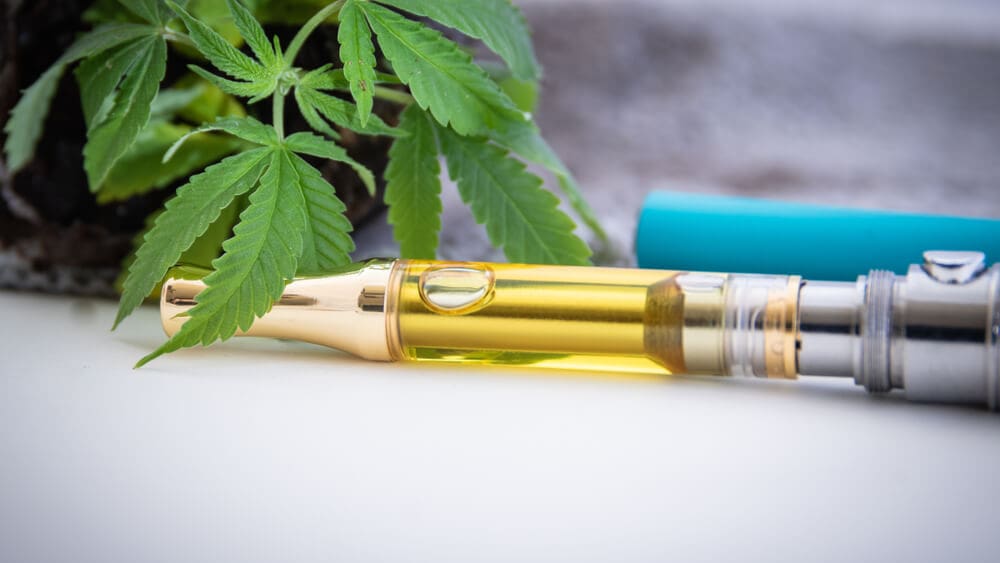
- Vapes: Fast relief, with Delta 9 delivering a stronger head high; Delta 8 offering more stability
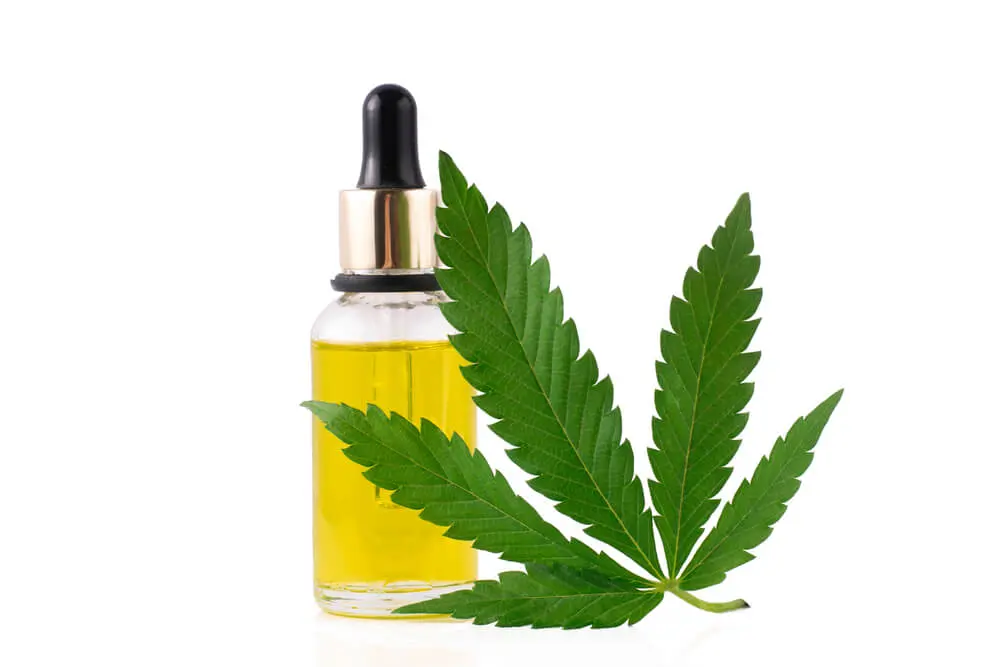
- Tinctures or oils: Controlled dosing and customizable effects
Personal tolerance, metabolism speed, and even your body’s enzyme production will influence how you respond to each cannabinoid. That’s why many users start with low doses and gradually increase to find their ideal balance.
Conclusion
Understanding the differences in how the body metabolizes Delta 8 vs. Delta 9 THC is key to making informed and confident product choices. From how these cannabinoids are absorbed to the way their metabolites shape your experience, the science behind them matters, especially for those seeking consistent results with hemp-derived wellness products.
At Friendly Hemp, we believe in transparency and quality. That’s why all of our products are third-party lab tested, ensuring you get premium, compliant, and clearly labeled Delta 8 and Delta 9 offerings. Whether you’re just starting your hemp journey or refining your preferences, we’re here to support it with safe and effective products you can trust. Contact us today and let’s get started!