Delta 8 THC has emerged as a popular cannabinoid in recent years due to its milder psychoactive effects compared to Delta 9 THC, the primary intoxicating compound found in cannabis. Delta 8 THC offers a more subdued experience, often sought after by those who want to enjoy the benefits of THC without the intense highs and anxiety associated with Delta 9. However, one key concern among many users is how long Delta 8 stays in the system, especially when facing drug tests or health assessments.
The question, “How long does it take for Delta 8 to leave your system?” is one that many individuals who consume Delta 8 products ask, whether for recreational or medicinal purposes. The answer, however, isn’t straightforward. Several factors contribute to how long Delta 8 THC stays in your body, and understanding these factors is crucial if you’re considering the potential impact of Delta 8 on drug tests or other evaluations.
Delta 8 THC 101
Delta 8 THC (Δ8-THC) is a naturally occurring cannabinoid found in cannabis plants. While it shares a similar molecular structure with Delta 9 THC (Δ9-THC), the main psychoactive compound in marijuana, Delta 8 is less potent. The key difference between the two cannabinoids lies in the placement of a double bond on their molecular chain, which affects how they interact with the body’s endocannabinoid system.
Delta 8 THC binds to the same cannabinoid receptors as Delta 9, but it has a weaker binding affinity. This results in Delta 8 offering a less intense psychoactive experience—many describe it as a “clearer,” more functional high that can offer a relaxed feeling without overwhelming euphoria or paranoia.
Delta 8 is often derived from hemp through a chemical process known as isomerization, where CBD (cannabidiol) is converted into Delta 8. And since hemp-derived Delta 8 contains less than 0.3% Delta 9 THC, it is considered legal under the 2018 Farm Bill in the U.S.
How Does Delta 8 THC Work in the Body?
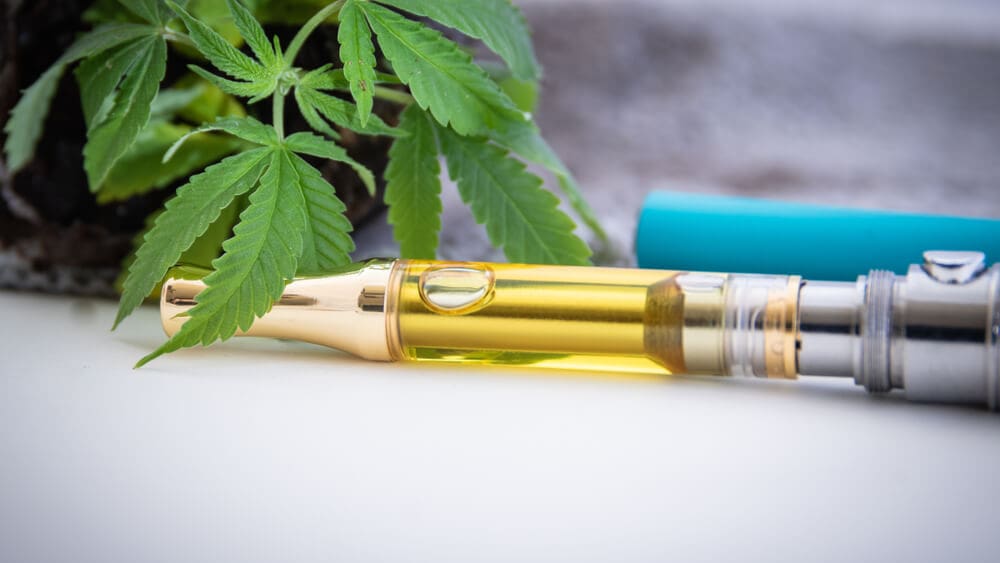
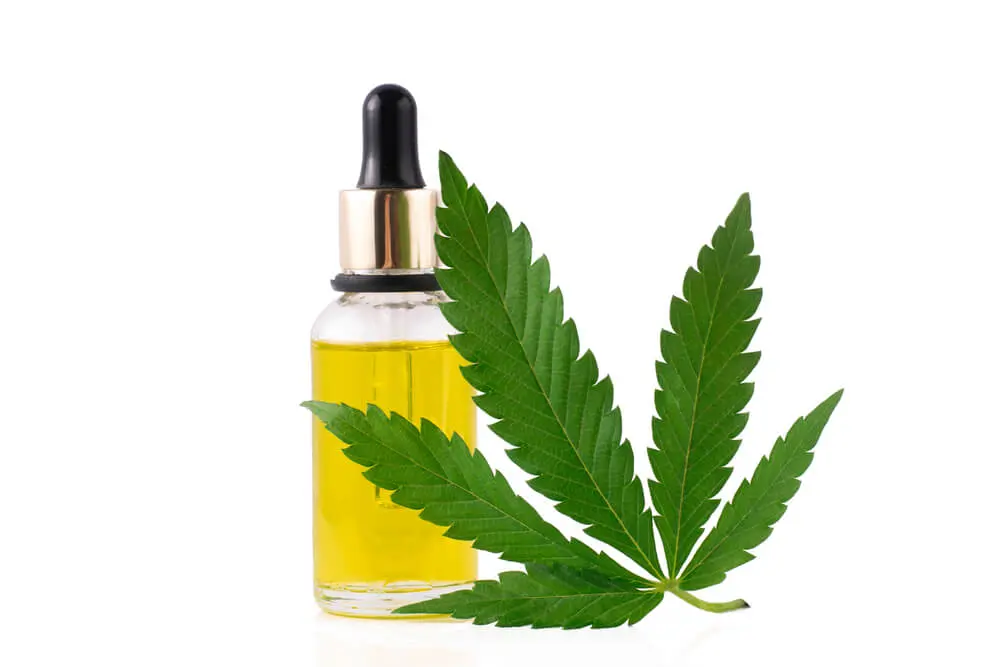
When taking Delta 8 THC, whether through smoking, vaping, edibles like gummies, or tinctures, the cannabinoid enters the bloodstream and interacts with the body’s endocannabinoid system (ECS). The ECS plays a vital role in maintaining homeostasis within the body, regulating various functions such as mood, appetite, sleep, and pain perception.
Delta 8 THC binds to cannabinoid receptors, particularly the CB1 receptors located in the brain and central nervous system. This interaction triggers the psychoactive effects that users experience, including feelings of relaxation, euphoria, and altered sensory perception. However, Delta 8 THC is known to produce a less potent and less overwhelming effect compared to Delta 9 THC.
After Delta 8 is metabolized, it is broken down into various metabolites by the liver. The primary metabolite of Delta 8 THC is 11-hydroxy-THC, which is then further broken down into THC-COOH, a non-psychoactive byproduct that remains in the body for much longer and is commonly detected in drug tests.
How Long Does Delta 8 Stay in Your System?
The time it takes for Delta 8 THC to leave your system depends on a variety of factors, including how you consume it, your frequency of use, and individual characteristics such as metabolism, body fat percentage, and hydration levels. Generally speaking, Delta 8 can stay detectable in your system for anywhere from a few days to several weeks, depending on these factors.
General Detection Windows for Delta 8 in the Body
While the exact timeline for how long Delta 8 stays in your system can vary, here’s a general guideline based on usage frequency:
- Occasional Users (One-time or infrequent use): For people who consume Delta 8 THC only occasionally, it typically takes 3 to 7 days for the cannabinoid to leave the system. Since occasional users consume Delta 8 infrequently, their bodies metabolize and clear it relatively quickly, and the cannabinoid doesn’t accumulate in significant amounts.
- Moderate Users (Multiple times per week): For those who use Delta 8 several times per week, it can stay in the body for 7 to 15 days. Regular but not daily use leads to a moderate accumulation of metabolites in the system, which will take longer to excrete.
- Frequent Users (Daily use):
People who use Delta 8 on a daily basis may retain THC metabolites for up to 30 days or longer. Chronic use results in a buildup of THC metabolites in the body, particularly in fat cells, and it takes the body more time to fully eliminate them.
How Long Delta 8 Stays in Urine, Blood, and Hair
Different types of drug tests detect Delta 8 THC and its metabolites for varying amounts of time. The most common drug tests are urine tests, but blood tests and hair follicle tests are also used in certain situations. Below is an overview of the detection times for each type of test:
- Urine Tests: Urine tests are the most common method for detecting THC metabolites. THC-COOH, the primary metabolite of Delta 8 THC, can be detected in urine for:
- Occasional users: 3 to 7 days
- Regular users: 7 to 15 days
- Heavy users: 30 days or more
- Blood Tests: Blood tests are less commonly used for routine drug screenings, but they are used by law enforcement in DUI cases. Blood tests have a much shorter detection window for THC:
- THC metabolites are typically detectable in blood for 1 to 2 days after consumption.
- Blood tests are useful for detecting recent use, but they cannot track the long-term presence of Delta 8 metabolites in the body.
- Hair Follicle Tests: Hair tests can detect THC metabolites for a much longer period of time, typically up to 90 days. However, hair follicle tests are less commonly used for routine screenings due to their cost and the complexity of the testing process.
Factors That Influence How Long Delta 8 Stays in Your System
Several individual and external factors can affect how long Delta 8 remains in your system. These include:
- Frequency of Use: As mentioned earlier, the more frequently you consume Delta 8, the longer it will stay in your system. Occasional use may result in THC being cleared from the body within a week, while daily use may lead to metabolites remaining detectable for a month or more.
- Metabolism: People with faster metabolisms typically process and eliminate substances more quickly. If you have a high metabolic rate, Delta 8 metabolites may be cleared from your body faster. Conversely, those with slower metabolisms may retain THC for longer periods.
- Body Fat Percentage: Since THC is fat-soluble, it binds to fat cells and can remain in the body’s fat tissue. Individuals with higher body fat percentages may retain THC metabolites for longer periods, as the metabolites are stored in fat cells and released slowly over time.
- Hydration and Diet: Staying hydrated and consuming a healthy diet can support your body’s natural detoxification processes. While water alone won’t necessarily eliminate Delta 8 faster, maintaining hydration may help flush out metabolites over time. A healthy liver and digestive system are essential for efficient toxin elimination.
- Method of Consumption: The way you consume Delta 8 also impacts how long it stays in your system. When smoked or vaped, Delta 8 enters the bloodstream more quickly, and the effects may wear off faster. However, when consumed in edibles or tinctures, the metabolization process is slower, and Delta 8 may remain in the body for a longer period.
How to Speed Up the Process of Clearing Delta 8 from Your System
If you’re trying to speed up the elimination of Delta 8 from your system—perhaps because you’re facing a drug test or just want to clear it out for personal reasons—there are a few strategies you can employ:
- Exercise Regularly: Engaging in regular physical activity can help burn fat, which may assist in releasing stored THC metabolites from fat cells. However, this process can take time, so it’s not a quick solution.
- Stay Hydrated: Drinking plenty of water is essential for supporting your body’s detoxification process. Water helps flush out waste products through the urine, which can include THC metabolites. However, drinking excessive amounts of water right before a drug test will not guarantee a pass.
- Eat Detoxifying Foods: Eating foods that support liver health and metabolism may help your body process and eliminate toxins more efficiently. Foods like leafy greens, cruciferous vegetables (broccoli, cauliflower), and antioxidant-rich fruits can support your body’s natural detoxification systems.
- Consider Detox Products: There are a variety of detox products available that claim to help cleanse the system of THC. These products generally work by promoting increased urination or temporarily masking the presence of THC metabolites. However, they are not foolproof, and results vary.
Regarding How Long It Takes for Delta 8 to Leave Your System Really All Depends
As you can see, Delta 8 THC typically stays in the system for a few days to several weeks, depending on several factors such as frequency of use, metabolism, body fat, and the method of consumption. For occasional users, Delta 8 can clear from the system in 3 to 7 days, while frequent users may retain metabolites for 30 days or more.
If you’re concerned about Delta 8 staying in your system for a drug test, the best approach is to abstain from using Delta 8 for several weeks before the test. Regular hydration, exercise, and a healthy diet may help support your body’s natural detoxification process. However, there’s no guaranteed way to speed up the process significantly, and the most effective method remains to give your body ample time to clear the cannabinoid naturally.
Always stay informed about the factors that influence how long Delta 8 stays in your system and make decisions based on your personal needs, whether it’s for recreational, medicinal, or professional reasons.
Please Note: This information is only valid as per December 6th, 2024