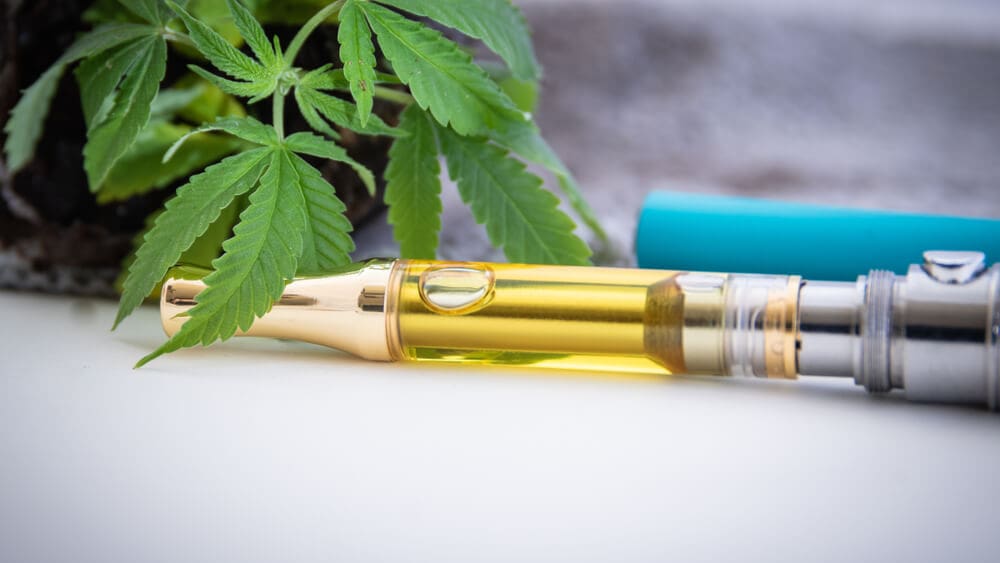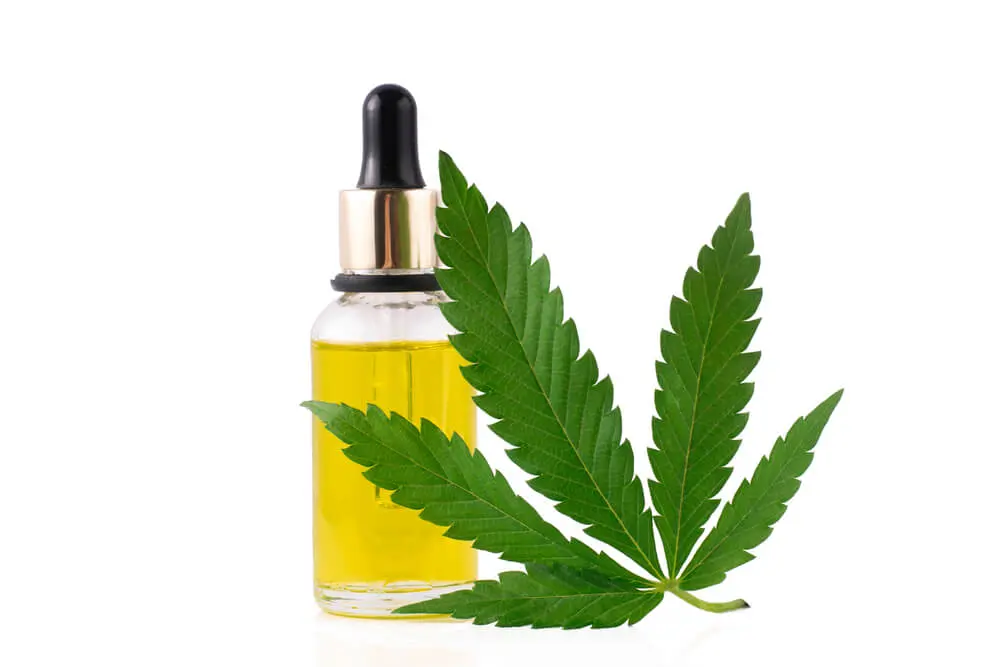
How Is Delta 8 THC Made? The Extraction Process
Delta 8 THC has quickly become one of the most sought-after cannabinoids in the hemp space, thanks to its milder psychoactive effects and legal availability in many U.S. states. But one of the most common questions consumers ask is: how is Delta 8 THC made? Unlike CBD or even Delta 9 THC, Delta 8 occurs in very small amounts naturally, which means it requires a specific extraction and conversion process to be produced efficiently and safely.
In this blog, we’ll take a closer look at how Delta 8 THC is made, from the sourcing of hemp to the final purification steps, so that you can better understand what goes into your favorite Delta 8 products.
What Is Delta 8 THC?
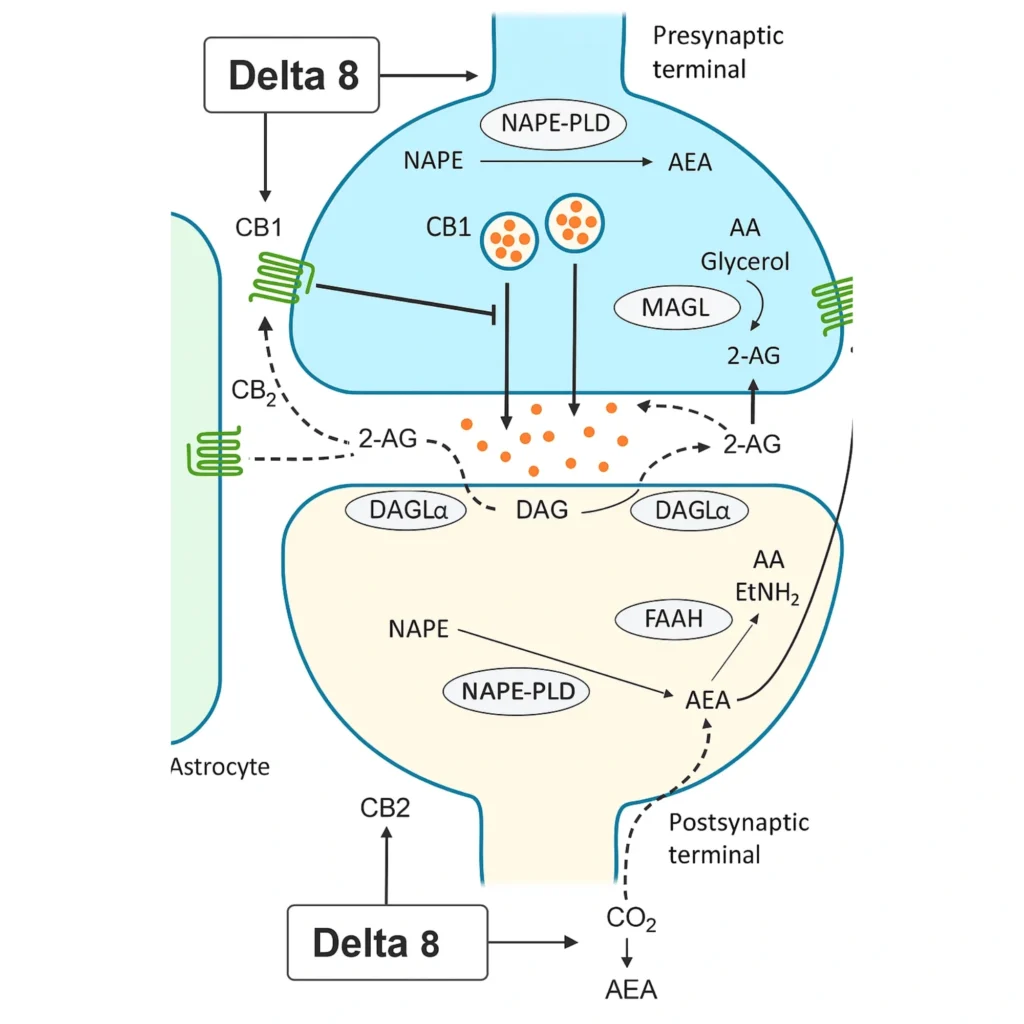
Delta 8 THC (Delta-8-tetrahydrocannabinol) is a naturally occurring cannabinoid found in hemp and cannabis plants. It is chemically similar to Delta 9 THC, the primary compound (psychoactive one) in marijuana, but with a slightly altered molecular structure. This difference results in milder effects, making Delta 8 popular among those looking for a balanced experience without the intensity often associated with Delta 9.
Importantly, Delta 8 THC derived from hemp is federally legal under the Farm Bill (2018), provided it has Delta 9 THC less than 0.3% by dry weight. However, its legal status varies from state to state.
Why Is Delta 8 Extracted?
While Delta 8 THC does occur naturally, it appears in such trace quantities that direct extraction from raw hemp is not commercially viable. Instead, manufacturers convert CBD, a cannabinoid that is abundant in hemp, into Delta 8 through a process known as isomerization.
This scientific approach allows producers to create Delta 8 in compliance with federal law, using legally sourced CBD as the foundation. This is not only cost-effective but also ensures product consistency when done correctly.
Step-by-Step Delta 8 Extraction Process
Sourcing High-Quality Hemp
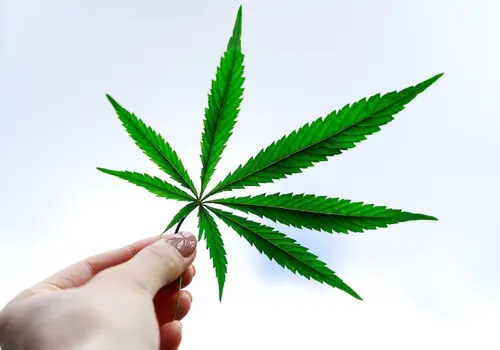
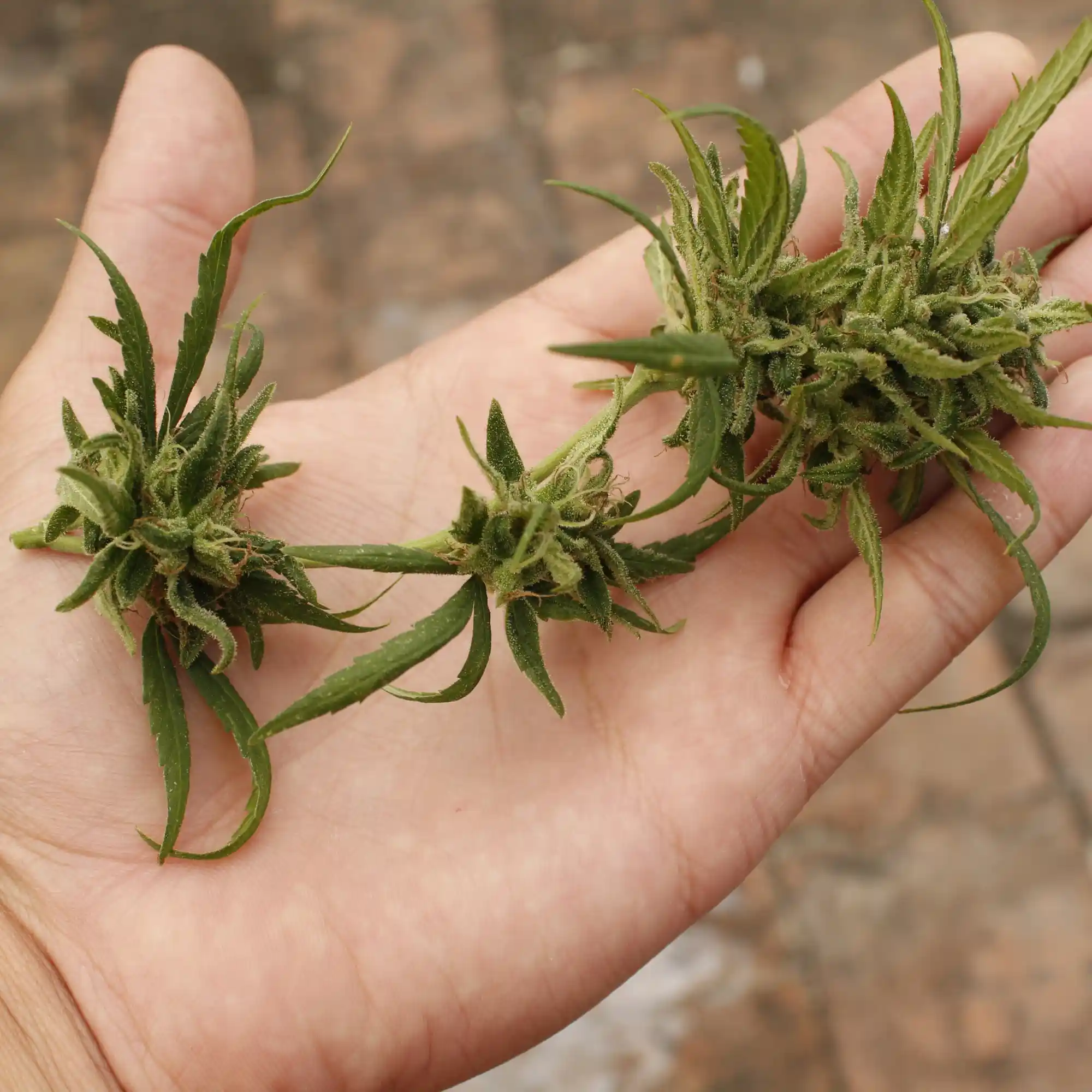
The process begins with selecting premium, U.S.-grown hemp. Top producers prioritize organically grown hemp that is free of pesticides, heavy metals, & other contaminants. This step is essential because the quality of the starting material directly impacts the purity and safety of the final Delta 8 product. Producers typically source hemp strains high in CBD content to ensure an efficient conversion process later on.
Extracting CBD from Hemp
The next step involves extracting cannabidiol (CBD) from the hemp plant. There are a few industry-standard methods for this:
- CO2 Extraction: Considered the cleanest method, this uses pressurized carbon dioxide to pull cannabinoids from plant material. It’s non-toxic and leaves no residue.
- Ethanol Extraction: A cost-effective and scalable option that uses food-grade ethanol to dissolve cannabinoids and terpenes. Afterward, the ethanol is evaporated, leaving behind pure CBD extract.
Both methods are widely used, and reputable companies will employ one of these to ensure a high-quality raw extract ready for further refinement.
Isomerization: Converting CBD to Delta 8 THC
The core step in Delta 8 extraction is the conversion of CBD into Delta 8 THC, also called isomerization. This chemical process rearranges the molecular structure of CBD to create 150mg delta 8 gummy.
Here’s a simplified breakdown:
- CBD is dissolved in a solvent, often heptane or another safe organic compound.
- An acid reagent, such as p-toluenesulfonic acid (pTSA), is added to catalyze the reaction.
- The solution is stirred and heated under controlled lab conditions for a specific period.
- After the reaction completes, the resulting solution contains Delta 8 along with minor cannabinoids and by-products.
It’s crucial that this step is performed by trained chemists in a controlled laboratory setting. Improper execution or lack of purification can lead to harmful residues.
According to a 2021 study published in ACS Chemical Health & Safety, improper Delta 8 production without purification may leave behind reaction by-products that are not safe for inhalation or ingestion, emphasizing the need for proper lab protocols.
Purification and Refinement
Once the isomerization process is complete, the solution undergoes purification. This includes:
- Neutralizing and washing to remove acid residues
- Filtration and solvent removal through evaporation
- Vacuum distillation to isolate pure Delta 8 THC
This distillation process is where clarity and purity are achieved. The final distillate should be clear, light amber, and free from residual solvents or impurities.
Many manufacturers conduct multiple passes of distillation to improve the quality of the extract. These additional steps ensure that the Delta 8 THC meets safety and potency standards before hitting the market.
Lab Testing and Compliance
Every batch of Delta 8 must undergo third-party lab testing. Reputable brands will test for:
- Cannabinoid profile (to confirm Delta 8 content)
- THC content (ensuring Delta 9 is below 0.3%)
- Residual solvents
- Heavy metals and pesticides
These lab results are typically published as Certificates of Analysis (COAs), which are essential for transparency and consumer trust. Always look for these COAs before purchasing a Delta 8 product.
Why Quality Matters in Delta 8 Products
Not all Delta 8 products are created equal. Quality begins at the source & extends through every step of the Delta 8 extraction process. Factors like improper conversion, unfiltered solvents, or inaccurate dosing can affect both safety and effectiveness.
Here’s what to look for when choosing a Delta 8 product:
- Clearly labeled ingredients
- Third-party lab testing
- Transparency about extraction methods
- Proper packaging to prevent oxidation or contamination
Choosing a product backed by science and proper lab practices ensures a reliable experience every time.
Conclusion
Now that you know ‘how is Delta 8 THC made,’ it’s easier to understand the care and precision behind every high-quality Delta 8 product. From organic hemp sourcing to lab-grade conversion and rigorous testing, every step matters.
At Friendly Hemp, we’re committed to offering only premium-grade, third-party, lab-tested Delta 8 products. We believe in full transparency, scientific integrity, and customer trust because you deserve to feel confident about what you’re using. Contact us today and explore our range of Delta 8 offerings and experience the difference.
You must be logged in to post a comment.
More Similar Posts