The debate around hemp vs cannabis continues to stir confusion among consumers, businesses, and even regulators. Despite federal legislation like the 2018 Farm Bill distinguishing the two based on THC content, the legal boundaries remain hazy. In this blog, we explore why the line between hemp vs. cannabis is still unclear, what the law says, and how evolving regulations affect everyone, from manufacturers to everyday users.
What Does the 2018 Farm Bill Say?
The 2018 Farm Bill marked a turning point for hemp. Under the bill, hemp is legally defined as a cannabis plant having no more than 0.3% Delta-9 tetrahydrocannabinol (commonly known as THC) on a dry weight basis. This federal statute legalized the cultivation, processing, & sale of hemp-derived products, provided they meet the THC threshold.
However, while the bill legalized hemp at the federal level, it left enforcement and regulatory decisions largely to the states. As a result, even though a product is federally compliant, it might not be legal under Cannabis Laws or Hemp Laws in certain states.
Cannabis: Still a Schedule I Drug
Even though there have been advancements in the use of hemp, cannabis is still classified as a highly controlled substance by the federal government. This means that any cannabis product containing more than 0.3% of a compound known as Delta-9 THC is considered illegal across the country, no matter if it’s being used for medical purposes or for fun.
This classification makes it legally risky for companies to operate in multiple states without carefully navigating both federal and state-level laws. Additionally, the DEA maintains that synthetically derived THC, even from legal hemp, could fall under controlled substances depending on its concentration and form.
The THC Loophole: Delta-8, Delta-10 & Others
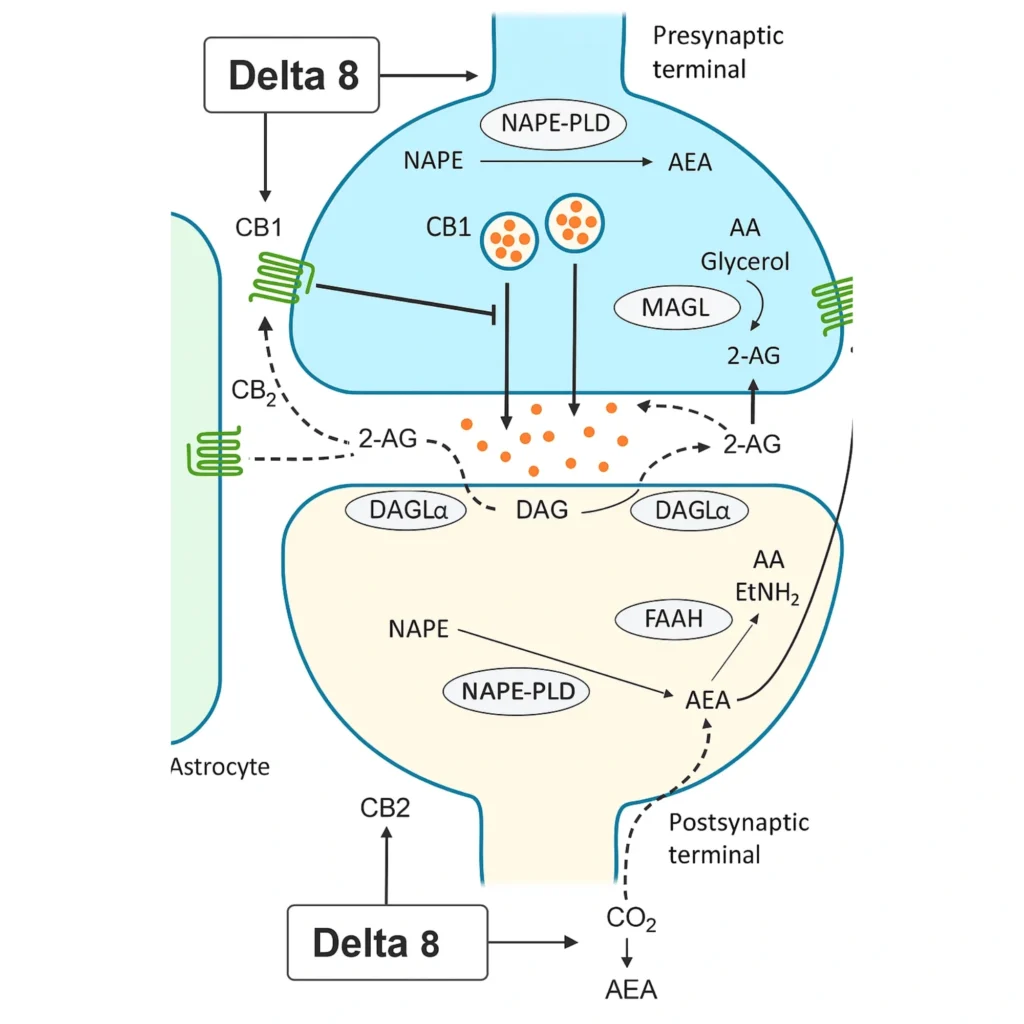
In recent years, the hemp industry has seen a boom in products containing Delta-8, Delta-10, and other minor cannabinoids. These compounds can be derived from legal hemp but still produce psychoactive effects. Since the Farm Bill only regulates Delta-9 THC levels, many manufacturers use this loophole to legally sell intoxicating products under the hemp banner.
States have started to close this gap. For example, Colorado and New York have banned the sale of Delta-8 THC products altogether, citing safety and regulatory concerns. As of 2024, more than 20 U.S. states have placed some form of restriction on hemp-derived THC variants. This evolving landscape showcases the gap between federal regulation and state-level enforcement.
State-by-State Legal Differences
Understanding Cannabis Laws and Hemp Laws requires looking at them state by state. For example:
- California has legalized both recreational cannabis and hemp but with separate regulatory frameworks for each.
- Idaho strictly prohibits any cannabis product containing any amount of THC, including federally legal hemp-derived items.
- Texas allows the sale of hemp-derived cannabinoids but regulates Delta-8 and other THC variants through court rulings and administrative rules.
This inconsistent legal framework creates confusion for consumers and challenges for businesses trying to expand across state lines. A product considered legal and compliant in one jurisdiction may be flagged as controlled or banned in another.
Why the Legal Line Is Still Blurry
Several factors contribute to the ongoing confusion surrounding hemp vs cannabis laws:
Lack of Unified Federal Enforcement
Federal agencies have been slow to provide specific guidelines on how to consistently enforce the 2018 Farm Bill. The FDA has also yet to issue clear rules around the use of hemp-derived cannabinoids in consumable products, further complicating regulatory clarity.
Testing Standards Vary
Lab testing methods to determine THC content are not standardized across the U.S. Some labs test only Delta-9 THC, while others include total THC (including THCA). This inconsistency can lead to discrepancies in product classification and enforcement actions.
Labeling and Marketing Loopholes
Some companies market hemp-derived products as compliant despite high THC levels, relying on ambiguous labeling or insufficient lab data. This practice not only misleads consumers but also puts legitimate sellers at risk of non-compliance.
What This Means for Consumers & Businesses
For consumers, the legal haze means increased responsibility. Always verify whether a product meets your state’s Hemp Laws before making a purchase. Check for third-party lab testing, clear labeling, and THC concentration.
For businesses, the stakes are even higher. They must stay current with shifting state regulations, maintain transparent supply chains, and work with certified labs to validate product compliance.
Those entering the market should invest in legal consultation and quality control systems to avoid regulatory violations. As Cannabis Laws change frequently, proactive compliance isn’t just good practice; it’s essential for survival in this competitive industry.
Calls for Regulatory Reform
The need for comprehensive federal reform is clear. Lawmakers and industry groups are pushing for better-defined THC limits, clearer testing protocols, and universal standards for hemp and cannabis-derived products.
In Congress, multiple proposals are under review to reform the measurement of THC thresholds and to introduce greater transparency in labeling. The U.S. Hemp Roundtable and other advocacy organizations are also calling for the FDA to provide updated guidelines on consumable hemp products.
Without unified regulations, the legal uncertainty will continue to hinder innovation, confuse consumers, and expose businesses to unnecessary risk.
Conclusion
The ongoing confusion surrounding hemp vs. cannabis laws is rooted in an inconsistent legal framework, a lack of federal guidance, and rapidly evolving cannabinoid science. While hemp is federally legal under the 2018 Farm Bill, varying state regulations and the emergence of new THC compounds have blurred the lines.
At Friendly Hemp, we understand the importance of compliance and consumer trust. That’s why all our products are third-party lab-tested and crafted with premium ingredients. As regulations evolve, we remain committed to transparency and quality, ensuring our customers always receive safe and effective products. Contact us today to grab yours!