Hemp-derived Delta 9 THC: Legal but Regulated – What You Need to Know
Hemp-derived Delta 9 THC has become one of the most talked-about cannabinoids in the wellness and cannabis space. Fortunately, because of the 2018 Farm Bill, products containing this compound can be legally sold across the U.S., but only if they meet certain federal criteria. At the same time, individual states are setting their own rules, adding a layer of regulation that every consumer and retailer needs to understand.
If you’re wondering where hemp-derived Delta 9 THC stands in terms of legality, safety, and access, you’re in the right place. In this guide, we’ll break down what makes it legal, how it’s regulated, and what you need to know before making a purchase or selling hemp-based products in 2025.
Federal Legal Status of Hemp-derived Delta 9 THC
Let’s start with the basics. In 2018, the U.S. Farm Bill legalized hemp at the federal level. Hemp is defined as cannabis that contains no more than 0.3% Delta 9 THC by dry weight. This distinction made it possible to create legal products that deliver psychoactive effects, as long as they stay within this threshold.
That means many edibles like gummies or chocolates are legally permitted to contain a measurable amount of hemp-derived Delta 9 THC, as long as the product’s total weight keeps the THC concentration below 0.3%.
What’s important here is the source: Delta 9 THC derived from hemp is legal at the federal level, while Delta 9 from marijuana remains classified as a Schedule I substance under the Controlled Substances Act.
Why States Regulate Delta 9 Differently?
While federal law provides the foundation, states retain the power to enforce additional regulations. This is why you might find Delta 9 THC products widely available in one state and restricted or even banned in another.
States enact their own cannabis-related policies based on public safety concerns, interpretation of the law, and market oversight needs. In 2025, several states revised their hemp laws to create stricter controls on products that contain intoxicating cannabinoids, even if they’re federally legal.
Common types of regulations include:
- Age Limits: Typically set at 21+ for purchase and consumption.
- Licensing: States may require specific licensing for selling hemp Delta 9 THC products.
- Testing and Labeling Requirements: Ensures transparency and consumer safety.
- Sales Restrictions or Bans: Some states prohibit the sale of intoxicating hemp products altogether.
These state-level rules often aim to close loopholes, ensure consumer protection, and draw clear lines between regulated marijuana products and legal Delta 9 from hemp offerings.
Common Regulations You Should Know
Here are the most frequent regulations being enforced across states in 2025:
1. Lab Testing
Most states now require third-party testing to verify the cannabinoid profile, THC content, and absence of contaminants like heavy metals, pesticides, or solvents. This ensures the hemp Delta 9 THC product is not only legal but also safe.
2. Labeling Requirements
Accurate and clear labeling is mandatory in regulated states. Labels often need to include:
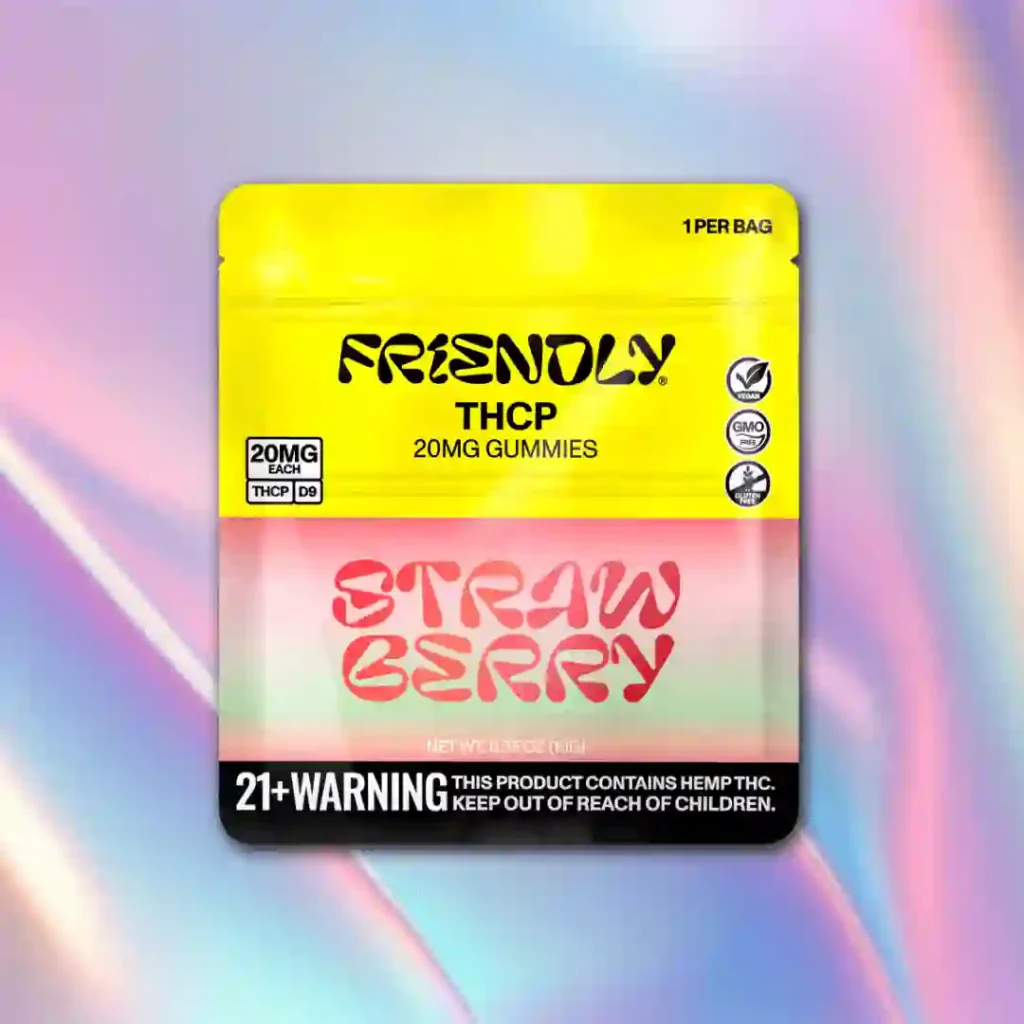
- Milligrams of Delta 9 THC per serving and per package
- QR code linking to lab results
- Warnings for minors or pregnant individuals
3. Packaging Rules
Packaging must be child-resistant and tamper-evident in most jurisdictions. Misleading claims or cannabis imagery may also be prohibited, depending on local rules.
4. Shipping Restrictions
Even if a product is federally legal, it can’t be shipped to a state where that product is banned or restricted. Businesses must stay up to date on Delta 9 from hemp shipping guidelines and use geolocation tools to prevent accidental sales.
5. Purchase Limits
Some states cap the total THC content allowed per product or per transaction. For instance, a state might limit a single Delta 9 edible to 10mg of THC per serving, aligning with medical or adult-use cannabis standards.
Understanding and complying with these rules protects not just your legal standing but also consumer trust.
How to Stay Compliant as a Consumer?
With the rules varying from state to state, here’s what you can do to make sure you’re buying legal and safe Hemp-derived Delta 9 THC products:
Know Your State Laws
Before making a purchase, research your local hemp laws. Some states, like Idaho and North Dakota, have strict bans on THC, even if derived from hemp. Others, like Texas and Illinois, allow Delta 9 under specific conditions. The safest way to stay informed is by checking with your state’s Department of Agriculture or Health.
Buy Lab-Tested Products
Reputable sellers will always provide Certificates of Analysis (COAs) from third-party labs. These reports confirm that the product contains legal levels of THC and is free from contaminants.
Read the Label Carefully
Make sure the product explicitly states that it contains Hemp-derived Delta 9 and is compliant with federal law. Look for clear potency info, usage directions, and safety disclaimers.
Stick to Trusted Retailers
Buy from brands that prioritize compliance and transparency. Many retailers, including online stores, will list the states they ship to, and more importantly, those they don’t. By being proactive, you protect yourself and support a legal, responsible hemp industry.
What to Expect in the Future
As Hemp-derived cannabinoids become more mainstream, regulation is expected to evolve. Here are a few trends experts anticipate in 2025 and beyond:
- Unified Testing Standards: The FDA and USDA may step in to standardize testing requirements across states, reducing confusion and ensuring product safety.
- Stronger Retail Oversight: States are starting to adopt cannabis-style licensing for sellers of Delta 9 THC from hemp, which may become the norm nationwide.
- Education & Public Awareness: With more consumers exploring hemp alternatives, there’s a push for better public education about how these products work, what’s legal, and what’s safe.
- More Explicit Definitions: Lawmakers are expected to refine definitions of synthetic vs. naturally occurring cannabinoids and what qualifies as an “intoxicating” compound. This will influence future rules on hemp Delta 9 THC, and related cannabinoids.
In the meantime, transparency and responsibility are key. The brands that thrive will be those that stay compliant, educate their customers, and help shape the future of legal hemp.
Conclusion
Hemp-derived Delta 9 THC is legal at the federal level but regulated by each state in unique ways. From testing and labeling to shipping and possession, understanding the rules where you live is essential to staying compliant and informed.
At Friendly Hemp, we take pride in offering fully compliant, lab-tested products that meet both federal and state requirements. We believe in empowering consumers through education and transparency so that you can enjoy Hemp-derived products with confidence. Whether you’re new to hemp or a returning customer, we’re here to help you navigate the evolving landscape with trust and reliability. Contact us today!
You must be logged in to post a comment.
More Similar Posts