Entering the Strain Game as a Newbie: What You Need to Know & Beyond!
Here at Friendly Hemp, we focus a lot on different cannabinoids and how they each affect us in their own exciting way. And, why wouldn’t we? The hemp market has evolved exponentially over the years, with lots of new and bliss-inducing cannabinoids to explore. But if you’re trying to personalize your hemp experience to get specific types of effects, there is more than just “the cannabinoid” to consider. That right folks, we’re gonna be focusing our attention on strains, which are every bit as important as cannabinoids when it comes to getting the specific effects that you want. With so many products of ours coming in a large variety of different strains, we really want our customers to find what suits them best.
Welcome to Strains 101
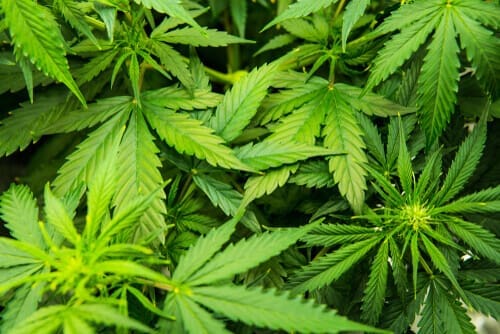
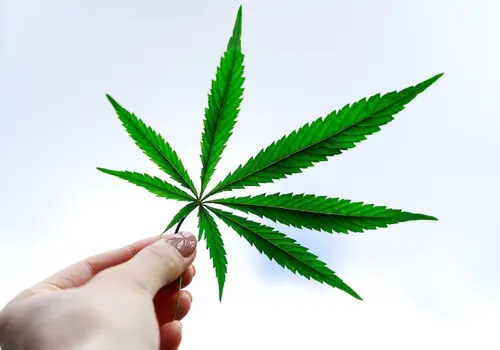
The strain of cannabis refers to its cultivar, or its “breed”. You see, cannabis has been growing in the wild for at least many thousands of years, and as the plant migrates, it adopts new characteristics to acclimate to its environment. The result is that historically, different cannabis plants found in different parts of the world possessed unique chemical compositions, mainly in terms of their terpene profiles – more on that in just a moment.
Now, we have hundreds, if not thousands of strains available. The reason why is because a new industry of breeders has emerged, and these breeders have devoted their lives to crossing different strains together to create new phenotypes – aka “offsprings”, if you will.
What separates one strain from the next is its chemical composition. And in fact, while each strain has differences in terms of certain dominant cannabinoids (for instance, some cannabis plants naturally yield 10% THC, and others 30%), it’s really the terpene profile that determines one strain from the next, as there’s a lot more variation here.
Before continuing on, we need to talk about terpenes for a moment. Terpenes are the other category of compounds in cannabis flower, aside from cannabinoids. There are over 100 terpenes in the plant, and the composition of terpenes dictates the strain. Terpenes are nonintoxicating and sometimes therapeutic compounds found in all plants, having a major role in the plant’s effects, and even determining the plant’s flavor and aroma.
Some strains, for example, have high levels of limonene (a terpene also found in citrus fruits), and others, like linalool (a terpene that dominates the lavender plant). Now that you have a better idea of what terpenes are, you can understand and appreciate why each strain has a distinctive flavor & aroma profile.
As every terpene has its own unique effects, each strain of cannabis can have very distinctive dominant effects. For instance, some strains can offer up a major boost while others practically put you to bed.
How Important is it to Find the Right Strain?
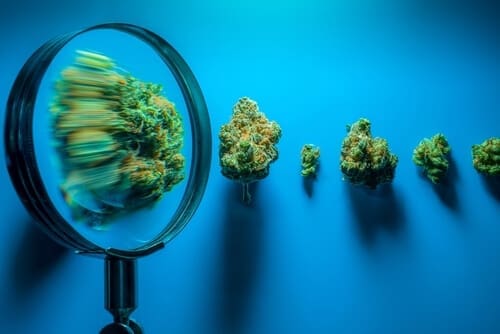
Most of us come to cannabis for a reason. Maybe we want a mood boost, possibly we’re looking for something to help us decompress after a demanding day, or perhaps we’re seeking out actual benefits that go above and beyond the more recreational side of the plant? Regardless, you need to understand the ‘strain game’ if you’re looking to get those desired effects. Otherwise, you could very well end up with a strain that isn’t bad, per se, but just doesn’t capture what you need, or ends up giving you the opposite of your desired effects.
Case in point, let’s say you’re seeking out a strain that can make you feel giggly and bubbly at a social event. But, you go with a heavy indica strain, which is notorious for making people feel drowsy and foggy. Now, you’re at a party feeling anything but sociable.
Fortunately, strains are quite easy to research these days, as you can simply look up the name of a strain and find loads of reviews and profiles stating their effects, flavor profile, practical uses, genetics, THC concentrations, etc.
The “Big 3” of Strains Everyone Should Know
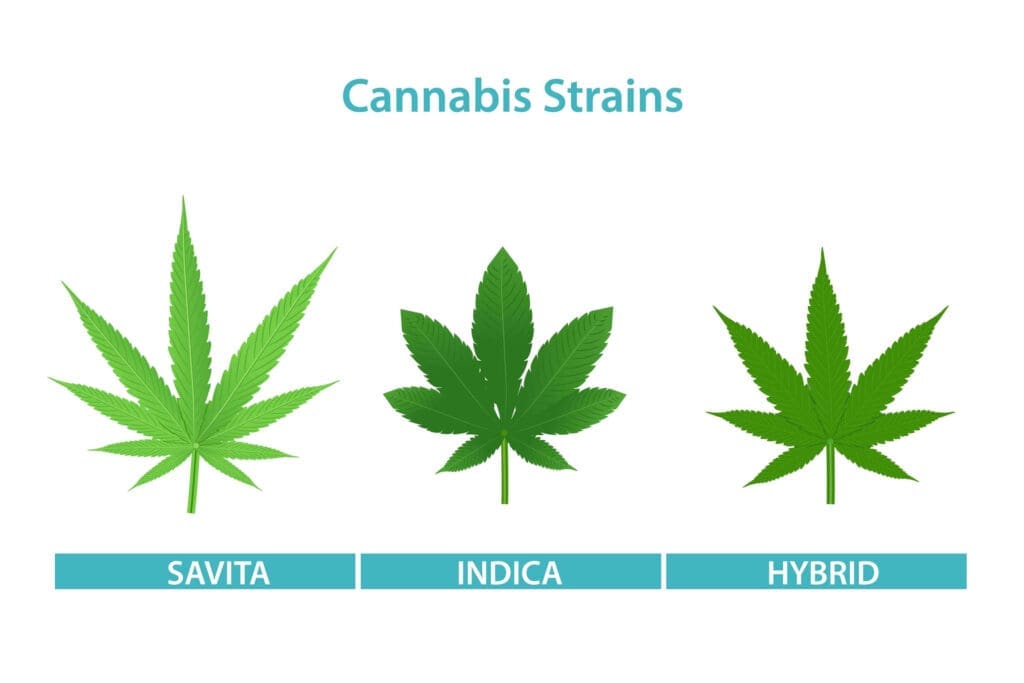
Time to finally move onto the different kinds of strains, and what effects they’re associated with, because as you will see, the effects will vary.
Indica Strains
Indica plants are typically shorter and bushier compared to sativa plants. They have broader leaves and denser buds. These plants are well-suited for growing in cooler climates due to their shorter flowering period. Not only are indica strains short and bushy in terms of what the plants look like, they also tend to have an above-average concentration of myrcene, a terpene associated with drowsier properties.
No wonder so many people prefer to save their indica strains for nighttime. For one thing, the physical effects can be quite strong, to the extent of, depending on the strain and amount taken, causing “couchlock” – a clever way of describing that state in which you feel glued to the couch because your limbs are so heavy and at ease.
Indica strains generally make people feel very chilled-out, and that can make it difficult to stay productive. Indica strains are not recommended for taking while you’re working, or doing any other kind of activity that requires lots of focus and physical energy.
Popular examples of indica strains include:
- Northern Lights
- Bubba Kush
- Hindu Kush
- Granddaddy Purple
- Blueberry
Sativa Strains
Sativa strains are sorta the opposite of indica strains, even in their appearance. They’re typically tall and thin, to the point that growing them often requires structural support so that the slender stalks and branches don’t snap under the weight of the flower buds.
Otherwise, sativa strains tend to be more uplifting, cerebral, and even focus-enhancing. People tend to find that they perform better at physical activities when they’ve taken a sativa compared to an indica. Sativa strains are ideal for daytime, since the body effects are warmer and more tingly rather than heavy and couchlock-inducing.
Obviously, taking a sativa strain, say, right before bed might not be the greatest idea, as it could possibly keep you up. So, if you see a sativa strain, consider that it might be best saved for morning or afternoon partaking.
Popular examples of sativa strains include:
- Durban Poison
- Pineapple Express
- Sour Diesel
- Tangie
- Green Crack
Hybrid Strains
Hybrids result from crossing a sativa with an indica; or crossing at least one hybrid with a strain. As you can guess, hybrid strains are known for being balanced in their effects, although not all hybrids are automatically 50% indica and 50% sativa, no more than a human child has exactly 50% traits from their mother and 50% traits from their father. While 50/50 hybrids exist, you will find numerous strains that lean more toward indica or sativa:
- Indica-Dominant
- Indica-Leaning
- Sativa-Dominant
- Sativa-Leaning
Currently, hybrid strains are very popular, as more people are seeking out cultivars that are extremely versatile, being neither too energizing nor too sleepy-feeling. And so, thanks to advanced breeding techniques, crafting the perfect hybrid is easier than it ever has been.
Some of the most popular hybrid strains include:
- Girl Scout Cookies
- Wedding Cake
- Blue Dream
- OG Kush
- Gelato
Ready Now to Play the Strain Game? Find Your New Favorite Strains at Friendly Hemp Today!
Clearly, the world of cannabis strains is something worth diving into, in order to refine your own experience and find the strain(s) that best suit what you’re trying to get out of the plant. We encourage you to have fun experimenting with different indica, sativa, and hybrid varieties, to see how each one makes you feel, not to mention the flavor and aroma profiles that you can enjoy in the process. Friendly Hemp carries a wide selection of in-demand strains in many of our products, so that you can experiment and take your hemp and strain game to a whole new level.
You must be logged in to post a comment.
More Similar Posts