Does Delta-8 Affect REM Sleep? What the Research Suggests
Sleep is one of the most essential functions of the human body, and REM sleep in particular plays a critical role in emotional processing, memory consolidation, and mood regulation. But as more people turn to cannabinoids for help with relaxation, a growing question emerges: Does Delta-8 affect REM sleep?
Delta-8 THC, a hemp-derived cannabinoid that’s gained popularity for its milder psychoactive effects compared to Delta-9 THC, is often used by individuals hoping to improve their sleep. But does it really work? And more specifically, what impact, if any, does it have on REM sleep, the most restorative phase of our nightly cycle? Let’s take a deeper look at what science and user reports reveal about Delta-8’s relationship with REM sleep and overall sleep quality.
What Is Delta-8 THC and How Does It Interact with the Body?
Delta-8 THC (tetrahydrocannabinol) is a naturally occurring cannabinoid found in trace amounts in hemp. It shares a similar structure to Delta-9 THC, the compound best known for its intoxicating effects, but delivers a more subtle, clear-headed experience.
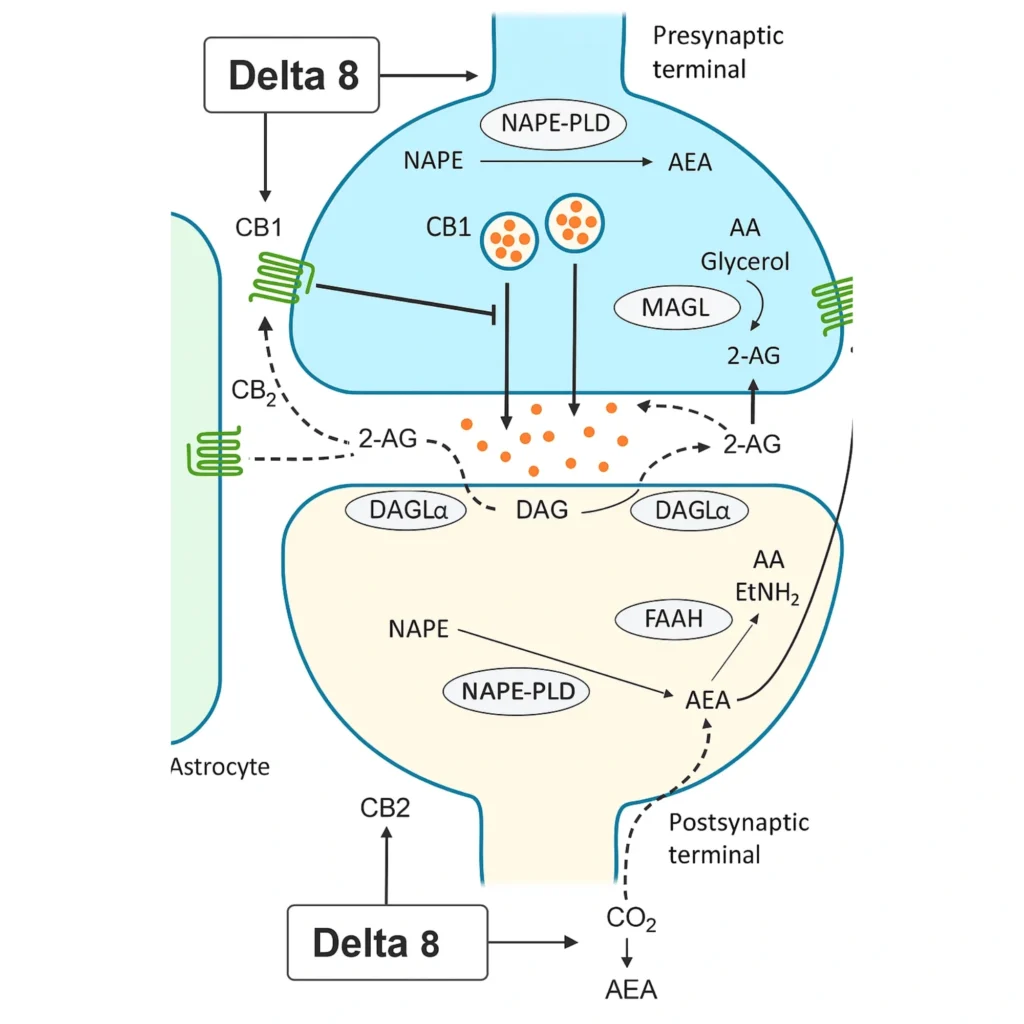
When consumed, Delta-8 THC interacts with the body’s endocannabinoid system (ECS), a complex network of receptors (CB1 and CB2) that regulate mood, pain, appetite, and sleep. Delta-8 binds primarily to the CB1 receptors in the central nervous system, which can influence sleep cycles by modulating neurotransmitters like dopamine and serotonin.
According to a 2022 peer-reviewed article in Cannabis and Cannabinoid Research, cannabinoids like Delta-8 may help regulate circadian rhythms and promote better sleep quality by calming overactive neural pathways. While direct research on Delta-8 is limited, its behavior in the body suggests it may support a more restful night’s sleep, especially during periods of stress or restlessness.
Understanding REM Sleep and the Sleep Cycle
Before diving into how cannabinoids might affect REM sleep, it’s important to understand the basics of the sleep cycle. Sleep is divided into two major categories: non-REM (NREM) sleep and REM (rapid eye movement) sleep. Each night, our brain moves through four stages of sleep:
- Stage 1 (NREM): Light sleep, easy to wake up.
- Stage 2 (NREM): Body temperature drops, heart rate slows.
- Stage 3 (NREM): Deep sleep begins; body repairs itself.
- Stage 4 (REM): Vivid dreaming occurs; the brain processes memories and emotions.
REM sleep typically begins about 90 minutes after falling asleep and occurs in cycles throughout the night. Disruptions in REM sleep can lead to cognitive fog, irritability, and even weakened immune function. Hence, any substance that enhances or interferes with REM sleep should be approached mindfully.
What the Current Research Says About Delta-8 and REM Sleep
So, does Delta-8 affect REM sleep directly? Unfortunately, human studies specifically focused on Delta-8’s impact on REM sleep are scarce. However, we can gain insight by examining broader cannabinoid research and adjacent data on Delta-9 THC and CBD, both of which influence the sleep cycle in ways that may be mirrored by Delta-8.
A 2008 study published in Chemistry & Biodiversity observed that THC (Delta-9) reduces the time it takes to fall asleep but may also reduce REM sleep duration (2). However, the sedative effects of cannabinoids vary depending on the dosage, user tolerance, and delivery method.
Given that Delta-8 THC shares pharmacological properties with Delta-9, it’s reasonable to assume it may also suppress REM to a mild extent in high doses while promoting deep sleep (Stage 3 NREM) overall. For some users, that tradeoff can lead to fewer vivid dreams but deeper rest.
Another point to consider is that REM suppression isn’t always negative. For individuals experiencing nightmares or PTSD-related sleep disturbances, reducing REM intensity can actually improve perceived sleep quality. This is one of the key reasons many users are exploring Delta-8 for sleep as a natural alternative to traditional medications.
Reported Sleep Benefits from Delta-8 Users
While clinical data is still evolving, anecdotal evidence and user feedback provide a useful window into how Delta-8 is working in real-life scenarios. Many users report that Delta-8 for sleep helps them fall asleep faster and stay asleep longer without the grogginess commonly associated with sleep aids. On platforms like Reddit and cannabinoid review sites, users describe waking up feeling more refreshed and less anxious after using Delta-8 in moderate doses.
In a 2022 survey published in the Journal of Cannabis Research, over 70% of Delta-8 users reported reduced anxiety and better sleep quality. Though the data was self-reported, it highlights Delta-8’s potential role in improving sleep by easing psychological tension, one of the most common barriers to uninterrupted sleep.
Again, REM sleep quality varies greatly by individual. But for those struggling with anxiety-induced insomnia, Delta-8 may offer just enough sedation and relaxation to ease the body into a healthier sleep rhythm.
How to Use Delta-8 for Better Sleep (If Considering It)?
If you’re thinking about trying Delta-8 THC to support your sleep routine, it’s important to approach it thoughtfully. Here are a few practical tips:
- Start with a low dose: Begin with 5 to 10mg and increase gradually as needed. Higher doses may increase drowsiness but could impact REM sleep duration.
- Choose the right form: Delta-8 edibles or tinctures are often preferred for sleep due to their longer-lasting effects. Inhalable options may act faster but wear off sooner.
- Take it 1 to 2 hours before bedtime: This allows your body time to metabolize the cannabinoid before transitioning into deeper sleep stages.
- Look for third-party lab-tested products: Ensure safety, potency, and compliance by choosing hemp-derived Delta-8 from reputable brands.
Some users pair Delta-8 with other calming supplements like melatonin or magnesium, though you should always consult a healthcare professional before combining substances.
Safety Considerations and Legal Reminders
While many people use Delta-8 safely, it’s important to stay informed.
- Use responsibly: Avoid combining with alcohol or operating machinery after use.
- Know your local laws: Delta-8 THC is federally legal under the 2018 Farm Bill, but individual states may regulate or restrict its sale.
- Consult your doctor: If you’re taking sleep medications or have a sleep disorder, check with a medical professional before introducing Delta-8 into your routine.
Because everyone’s body chemistry is different, what works for one person may not work the same for another.
Conclusion
So, does Delta-8 affect REM sleep? While more targeted studies are needed, current research and user feedback suggest that Delta-8 may influence REM sleep, either by mildly suppressing it or by helping users reach deeper sleep stages more effectively. Its calming interaction with the endocannabinoid system makes it a promising option for those seeking natural support for better rest
At Friendly Hemp, we believe in transparent, research-backed wellness. That’s why all our Delta-8 products are third-party tested, lab-certified, and made with care. Contact us today to get your Delta-8 gummies or vapes so that you can explore sleep support with peace of mind.
You must be logged in to post a comment.
More Similar Posts