Do Cannabinoid Vapes Have Calories?
Vaping has taken the world by storm, offering a more modern, tech-forward experience for people who enjoy everything from nicotine to CBD. But as more individuals are getting health-conscious and looking into the nitty-gritty details of their everyday habits, one question stands out: Do cannabinoid vapes have calories? If you’ve ever sat back after a satisfying puff and wondered whether you’re sneaking in extra calories, you’re not alone.
What are Calories? Everything You Want to Know!
Calories are a term we hear almost every day, especially when it comes to food and exercise. But what exactly are they? In simple terms, a calorie is a unit of energy. It measures the amount of energy that food provides when consumed, and it’s essential for keeping our bodies functioning. Whether you’re running a marathon or just sitting at your desk, your body needs energy to keep going, and calories are the fuel that powers everything from basic bodily functions, like breathing and digesting, to complex movements, like lifting weights or swimming.
When we talk about calories in food, we’re referring to the amount of energy that specific food will give us. Our bodies then use that energy for physical activity, as well as for maintaining the body’s organs, muscles, and overall well-being. But, if we consume more calories than we need, the body stores the excess as fat. On the other hand, if we consume fewer calories than required, our bodies start using stored fat for energy, leading to weight loss.
Now that we know calories provide energy, let’s dive into where they come from, how many calories a person should consume daily, and how they play a role in weight management.
Where Calories Come From
Calories come from three main macronutrients: carbohydrates, fats, and proteins. Each of these nutrients provides a different amount of energy per gram:
- Carbohydrates: 1 gram of carbohydrates provides 4 calories. Carbs are often the body’s preferred energy source because they are easier to convert into glucose, which fuels most of our daily activities. Carbs can be found in foods like bread, pasta, fruits, and vegetables.
- Fats: 1 gram of fat provides 9 calories. Fat is a concentrated source of energy and helps store energy in the body for long-term use. Foods high in fat include oils, butter, avocado, nuts, and fatty meats.
- Proteins: 1 gram of protein provides 4 calories. Proteins are primarily responsible for building and repairing tissues, but they also provide energy when necessary. Protein is found in foods such as meat, dairy products, legumes, and soy.
Beyond these macronutrients, there are also alcohol calories. Alcohol contains about 7 calories per gram, which is more than carbs and protein but less than fat. However, these calories are often considered “empty” because alcohol doesn’t provide any nutrients that your body can use.
Amount of Calories a Person Should Have Daily
How many calories you should consume daily depends on several factors, including your age, gender, physical activity level, and overall health goals. The general guideline provided by health organizations is as follows:
- Adult women: On average, women need around 1,800 to 2,400 calories per day. Women who lead a sedentary lifestyle tend to need fewer calories (closer to 1,800), while women who are physically active may need closer to 2,400 calories.
- Adult men: Men typically require more calories than women, with average recommendations ranging from 2,200 to 3,000 calories per day. Men who are sedentary would need fewer calories, whereas highly active men may need 3,000 or more.
- Elderly individuals: Caloric needs often decrease as people age because metabolism slows down, and physical activity may decrease. Older adults might require anywhere from 1,600 to 2,200 calories per day.
The Basal Metabolic Rate (BMR) also has a critical role in determining your daily calorie needs. BMR refers to the number of calories your body requires to maintain basic functions, like breathing and circulating blood, while at rest. The more muscle mass you have, the higher your BMR tends to be.
If you want a more personalized calorie recommendation, many tools and formulas, such as the Harris-Benedict equation or the Mifflin-St Jeor equation, calculate calorie needs based on individual height, weight, age, and activity level.
Basically, the key factors that influence daily caloric needs are:
- Physical Activity: People who are more active (e.g., athletes, laborers) need more calories than those with sedentary jobs or lifestyles. Exercise increases energy expenditure, thus increasing caloric requirements.
- Body Composition: Individuals with more muscle mass burn more calories, even at rest, because muscles require more energy to maintain than fat.
- Age: Younger individuals generally have faster metabolisms, which means they require more calories than older adults.
- Health Status: Pregnant or breastfeeding women, people recovering from surgery or illness, and individuals with specific medical conditions might require more or fewer calories than average.
When to Gain or Lose Calories
Caloric intake has a primary role in weight management. The balance between calories consumed (through food and drink) and calories burned (through activity and metabolism) determines whether you gain, lose, or maintain weight.
Gaining Calories
If your goal is to gain weight, you need to be in a caloric surplus. This means you consume more calories than your body burns in a day. Here’s how to approach it:
- Weight Gain Goals: People looking to increase muscle mass, such as bodybuilders or athletes, need to eat more than their maintenance calories. A common recommendation is to consume 250-500 more calories than your daily requirement to gain weight gradually.
- Balanced Diet: Even when gaining weight, it’s important to focus on nutrient-dense foods, like whole grains, lean proteins, healthy fats, and plenty of fruits and vegetables. This ensures you’re not just consuming empty calories but are providing your body with the nutrients it needs for optimal health.
- Exercise: Resistance training and strength exercises are crucial when aiming to gain muscle mass. Exercise helps ensure that any weight gain is primarily muscle rather than fat.
Losing Calories
On the flip side, if you’re aiming to lose weight, you need to create a caloric deficit, meaning you consume fewer calories than your body burns. Here are some strategies:
- Sustainable Caloric Deficit: A daily caloric deficit of 500 to 1,000 calories is typically recommended for weight loss, translating to about 1 to 2 pounds of weight loss per week. It’s important not to drastically cut calories, as this can lead to nutrient deficiencies, muscle loss, and other health problems.
- Nutrient Density: Focus on eating nutrient-dense, low-calorie foods, such as vegetables, lean proteins, and whole grains, to ensure you’re still getting essential vitamins and minerals while consuming fewer calories. Avoid processed foods and sugary beverages, which are high in calories but low in nutritional value.
- Increased Activity: Exercise, particularly a mix of cardiovascular and strength training, helps burn calories and maintain muscle mass during weight loss. Physical activity also has other health benefits, such as improving cardiovascular health and boosting mental well-being.
- Slow and Steady: Rapid weight loss isn’t sustainable and can be harmful to your metabolism and overall health. Instead, aim for a gradual, steady weight loss of 1 to 2 pounds per week for long-term success.
Maintaining Caloric Balance
Once you’ve reached your weight goal, whether that’s gaining or losing weight, maintaining it requires balance. At this point, it’s important to consume enough calories to match your daily energy expenditure. Tracking your food intake, staying active, and being mindful of portion sizes can help prevent unwanted weight fluctuations.
So, what does all of this have to do with cannabinoid vapes? Let’s find out!
Cannabinoids 101
Before getting into the nitty-gritty of calories in vapes, let’s quickly recap what cannabinoids are. Cannabinoids are naturally occurring compounds found in cannabis plants, including THC, CBD, and lesser-known ones like CBG and CBN. Each cannabinoid interacts with your body’s endocannabinoid system differently, producing various effects. For example, THC is known for its psychoactive effects, while CBD is non-psychoactive and commonly used for relaxation or wellness.
There are many ways to consume cannabinoids—tinctures, edibles, topicals, and, of course, vapes. But do these vapes come with hidden calories?
What are Cannabinoid Vapes?
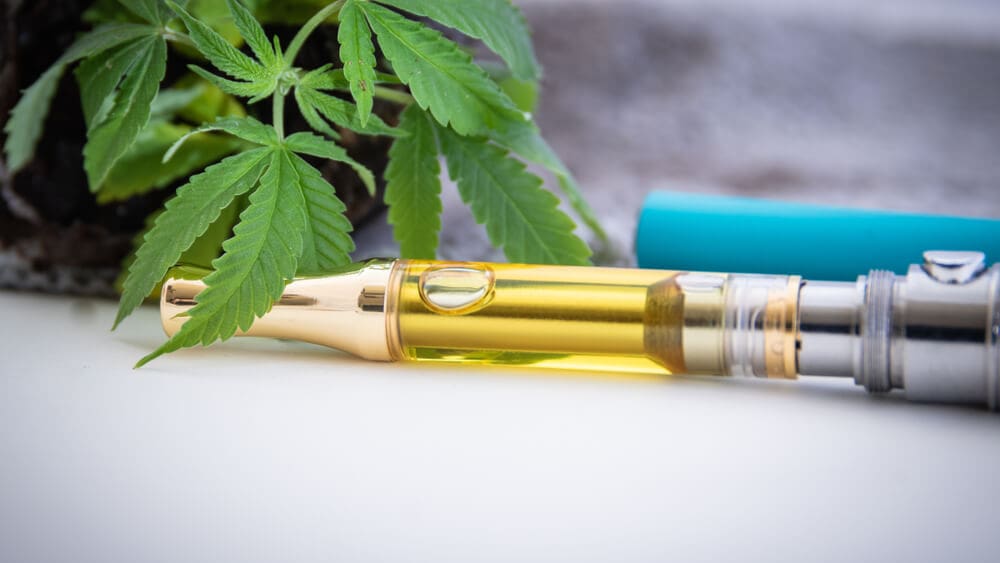
Cannabinoid vapes are a modern method of enjoying the effects of cannabinoids without the need to smoke traditional flower. These devices heat up cannabinoid-infused e-liquid to create vapor that you can inhale. Not only are they discreet, but they also come in two main types: all-in-one disposable vapes and pre-filled vape cartridges.
All-In-One Disposable Vapes
Disposable vapes are compact, ready-to-use devices (users can start vaping right away, with no need for assembly or preparation) that contain a pre-filled cartridge and built-in battery. Once the vape is empty, you simply toss it and grab another one. These are ideal for convenience but can vary greatly in cost depending on their features, puff count, and cannabinoid blend. Designed for easy operation, often featuring a draw-activated mechanism; which means users simply inhale to activate the device. This makes them accessible for both experienced users and beginners. Plus, their size and often minimalistic design allow for discreet use in public settings. Some disposable vapes are also rechargeable.
Pre-Filled Vape Cartridges
Pre-filled vape cartridges are constructed from stainless steel and transparent Pyrex glass, which house a coil, and are designed to be used with compatible vape pens or batteries, which’re typically sold separately. The most common connection type for these cartridges is the 510-thread. Pre-filled vape cartridges require a battery to function and are disposable. Cartridges are swapped out as needed, with users often purchasing new ones when the liquid runs out. Like disposables, they come in various potencies and cannabinoid blends.
Now, the Question for Any Calorie Conscious Hemp User: “Do Cannabinoid Vapes Have Calories?”
Let’s get straight to the point: Cannabinoid vapes have negligible or no calories.
Unlike edibles or beverages, which need to be digested and metabolized, vapes work by inhalation. When inhaling the vapor from a cannabinoid vape, the cannabinoids are absorbed directly into your bloodstream through your lungs, bypassing your digestive system entirely. Because you’re not consuming anything that needs to be broken down for energy (like food or drink), cannabinoid vapes don’t add any significant calorie intake to your day.
Most vape oils are composed of cannabinoids, terpenes, and a carrier liquid like propylene glycol (PG) or vegetable glycerin (VG). Neither cannabinoids nor terpenes contribute calories, and the trace amounts of PG and VG you’re inhaling also don’t contain enough calories to be meaningful. So, rest assured, a puff from your favorite vape pen won’t impact your daily caloric intake.
For comparison, when you eat an edible, your body must digest it, which’s where the calories from the fat, sugar, or other ingredients come into play. Vaping, on the other hand, skips that entire process.
Could Certain Cannabinoids in a Vape Help Someone Burn or Increase Calories?
Ah, the age-old dream—losing weight without breaking a sweat! While it sounds too good to be true, some research hints that certain cannabinoids might play a role in how your body handles calories, though it’s essential not to overstate these findings. Three cannabinoids we know of so far are:
- Cannabidiol (CBD): Has been shown to influence metabolism and may potentially support the body’s ability to regulate weight. Studies suggest that it can encourage the browning of fat cells, which may promote calorie burning. Browning refers to the process where white fat cells, which store energy, turn into brown fat cells, which burn energy.
- Cannabigerol (CBG): Another non-psychoactive cannabinoid found in cannabis plants. While research on CBG is still in its early stages, there are some indications that it may play a role in weight management.
- Tetrahydrocannabivarin (THCV): A cannabinoid found in cannabis that has garnered interest for its potential effects on appetite and metabolism. While research is still limited, some studies and anecdotal evidence suggest how it can have an impact on appetite suppression and metabolic effects.
Note: It’s important to remember that the effects of cannabinoids on calorie burning or consumption are still under investigation. The science is far from conclusive, and while it’s a fun topic to think about, relying on vaping cannabinoids to manage your weight is not a solid strategy.
Final Cannabinoid Vapes Calorie Counting Thoughts
In the grand scheme of things, cannabinoid vapes won’t add any calories to your diet, which’s great news for those who are calorie-conscious. Unlike edibles or other consumables that require digestion, vaping cannabinoids is a quick and calorie-free way to enjoy their benefits.
Whether you’re looking to chill out with a non-psychoactive cannabinoid, or even enjoy the psychoactive effects of THC-based cannabinoids, you can rest easy knowing that your vape won’t be sneaking any extra calories into your day. However, while vaping may not impact your calorie count, it’s always a good idea to stay informed and make choices that align with your wellness goals.
You see, while cannabinoid vapes may be a convenient and low-calorie option for enjoying the effects of cannabis, they aren’t a magic solution for burning calories or controlling your weight. Essentially, anyone considering using cannabinoids for weight management should consult with a healthcare professional.
So, enjoy them for what they are—a calorie-free, flavorful way to experience cannabinoids. Go vape on, my friend, and keep calorie counting to your meals and snacks, not your puffs!
You must be logged in to post a comment.
More Similar Posts