CBD vs. Delta 8 in 2025: What Future Regulations Could Look Like
In 2025, as the Cannabis industry continues to mature, understanding CBD vs. Delta 8 in 2025 isn’t just about legal definitions. It’s much about safety, clarity, and trust. A 2024 study found that 60% of U.S. adults have tried a CBD product, demonstrating widespread familiarity and growing consumer acceptance. In an evolving regulatory landscape, having a clear picture of what lies ahead helps both first-time users and seasoned shoppers navigate responsibly.
CBD in 2025: Current Standing and Future Outlook
CBD, under CBD federal law, remains largely supported by the 2018 Farm Bill, which legalized Cannabis-derived cannabinoids containing less than 0.3% Delta 9 THC. Federal law continues to treat Cannabis-derived CBD as legal, provided it meets these guidelines and complies with FDA oversight and state rules. A notable legal precedent in Cannabis Industries Association v. DEA reaffirmed that Cannabis-derived CBD remains lawful under the Farm Bill.
In 2025, we anticipate federal policymakers clarifying labeling requirements, testing standards for contaminants, and dosage guidelines, especially as the upcoming Farm Bill and FY2026 spending proposals target tightened definitions of legal cannabis. These regulatory updates would benefit consumers by enhancing transparency and safety, while giving responsible brands clearer compliance pathways.
Delta 8 in 2025: Current Status and Market Trends
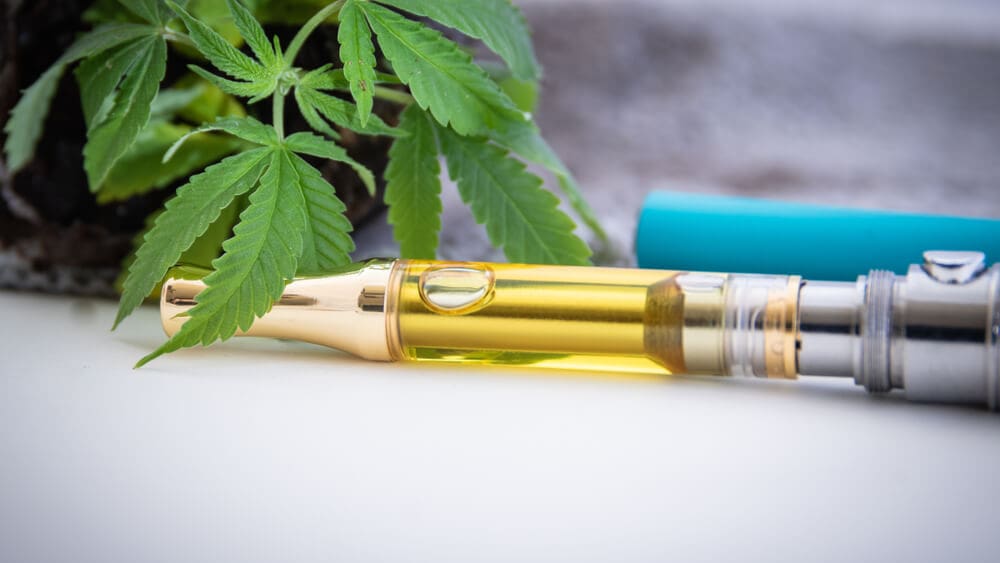
Talking about Delta 8 THC (commonly called Delta 8), this minor cannabinoid has exploded in popularity thanks to its milder psychoactive effects and accessibility. While the 2018 Farm Bill didn’t explicitly mention Delta 8, many interpreted its allowances for cannabis-derived cannabinoids under 0.3% Delta 9 THC as covering Delta 8 as well.
However, clarity is eroding. The DEA (Drug Enforcement Administration) and FDA (Food and Drug Administration) argue synthetically produced or intoxicating compounds derived from Cannabis fall outside that safety net, potentially stripping them of legal protections under the Controlled Substances Act. Still, several federal appeals court decisions have upheld the legality of cannabis-derived Delta 8 under the Farm Bill’s criteria.
State-level variability is widespread: at least 13 states have outlawed Delta 8, while others allow it with restrictions like age limits and lab testing. The FDA has issued safety warnings about Delta 8 edibles that appeal to minors and noted that it’s not an approved food additive.
Comparing CBD vs. Delta 8 Regulations
When comparing CBD vs. Delta 8, the contrast is clear:
- CBD, especially non-psychoactive, enjoys broader legal clarity under federal law. It’s typically subject to more consistent regulatory frameworks for testing and labeling.
- Delta 8 THC, being mildly intoxicating, faces a patchwork of state rules and an unstable federal footing due to its psychoactive nature and regulatory ambiguity around synthesis methods.
This divergence highlights how consumer access, retail rules, and compliance paths differ significantly between CBD and Delta 8, making it more important than ever to choose trusted, third-party-tested products.
What Future Regulations Could Look Like for CBD & Delta 8?
As CBD and Delta 8 keep gaining ground, regulators are paying closer attention. The goal isn’t to restrict access but to create safer, clearer, and more reliable standards for everyone. Based on recent FDA reports and state-level actions, here’s where rules may tighten in 2025 and beyond:
Product Safety & Testing
Expect more rigorous third-party testing across the board. The FDA has already warned about contaminants in cannabis products, including pesticides, heavy metals, and residual solvents. Future rules could require labs to verify purity and potency before anything hits the shelves. For Delta 8 specifically, regulators may demand proof that products are derived legally from cannabis and that Delta 9 THC levels stay under 0.3%.
Labeling Requirements
Clear, standardized labels are on the horizon. Consider nutrition labels on food: they should provide accurate cannabinoid profiles, dosage guidance, and warnings where necessary. Since Delta 8 is psychoactive, packaging may soon need to display stronger disclaimers about effects and safe use.
Age Limits & Retail Controls
Just like alcohol or nicotine, Delta 8 could see nationwide 21+ age restrictions. Some states already enforce this, and federal alignment would eliminate confusion. Retail rules may also change. Certain products could be limited to dispensary-style shops rather than gas stations or corner stores.
Interstate Commerce Rules
A big one: shipping. Federal guidance may step in to streamline the cross-state commerce of cannabis products. That would reduce the current “patchwork” effect where a product is legal in one state but restricted in the next. For consumers, this means fewer headaches and safer, more consistent access.
All in all, these changes aren’t about limiting cannabis. They’re about legitimizing the industry. By setting clear standards, regulators give consumers confidence and help responsible businesses thrive.
What Do These Regulations Shifts Mean for Consumers & Businesses?
So, what do these regulatory shifts mean in practice? Let’s break it down:
For Consumers
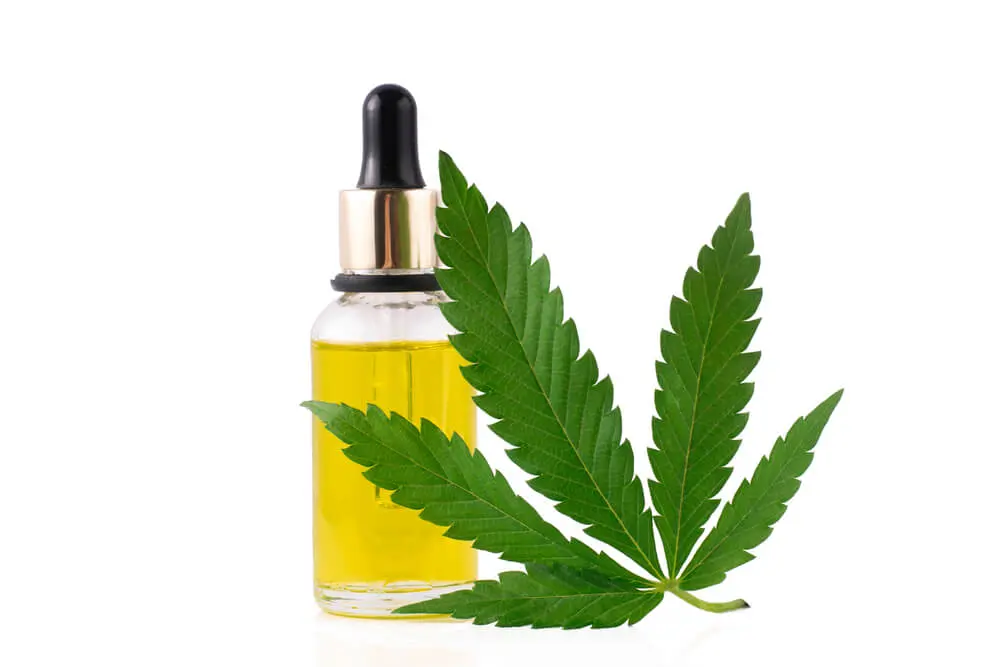
- Clearer choices: Labels and testing mean shoppers can trust what’s in the bottle or gummy. No more guessing.
- Safer access: With age restrictions and verified sourcing, products become safer for the people who choose them.
- Lower Risk of Bad Buys: Stronger oversight reduces the odds of running into mislabeled or unsafe products.
A 2023 FDA consumer update found that nearly 25% of sampled CBD products had inaccurate labeling, something future rules aim to fix.
For Businesses
- Credibility Boost: Following strict standards builds trust and sets companies apart from less transparent competitors.
- Consistency Across Markets: National rules would mean less confusion between states, making it easier to operate.
- Room to Grow: Stability encourages innovation, new product lines, and stronger partnerships.
Regulation, done right, isn’t a roadblock but a launchpad. It gives everyone, brands and buyers alike, the confidence to move forward in a maturing cannabis market.
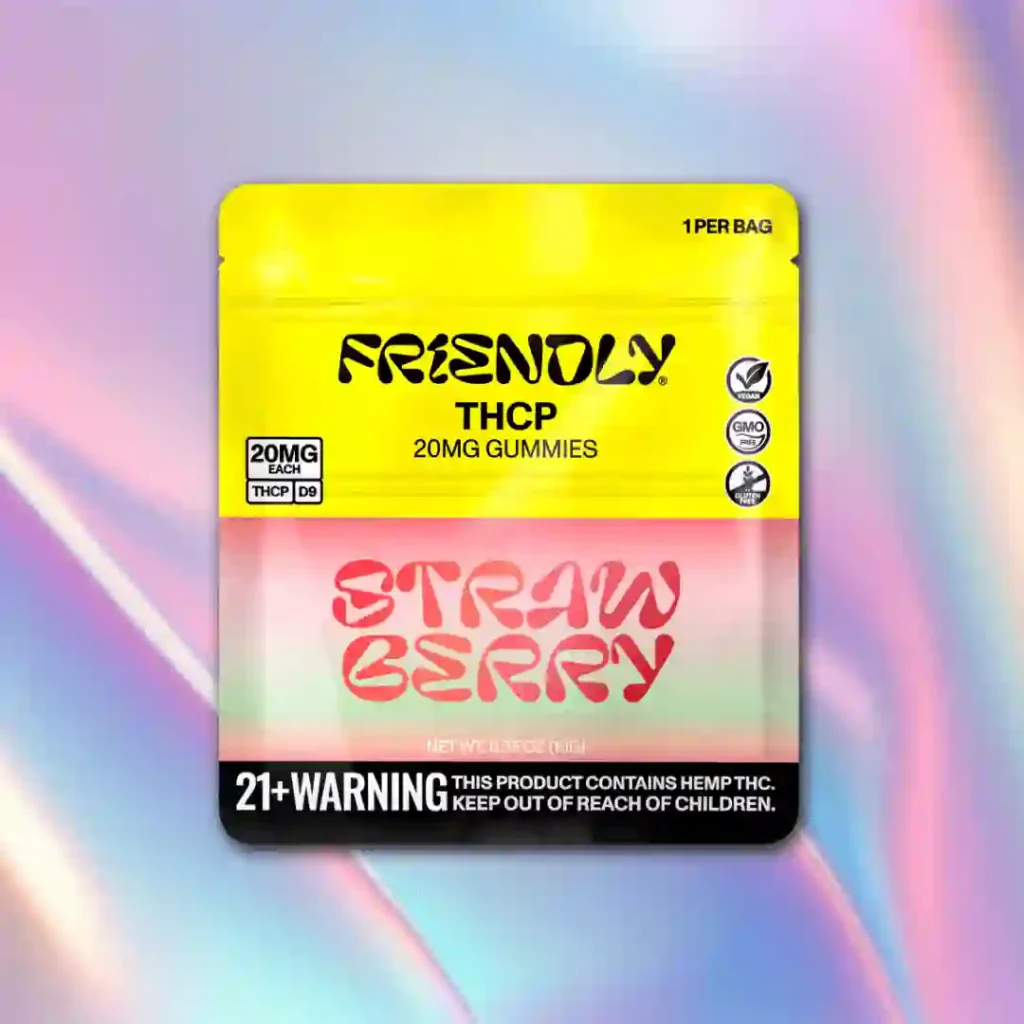
Note: Find our Delta 8 gummies made with full transparency and third-party certificates here.
Conclusion
To wrap up, CBD vs. Delta 8 in 2025 represents not just a regulatory comparison but a snapshot of how two closely related Cannabis derivatives travel diverging paths. CBD benefits from more explicit federal backing and a consistent regulatory framework. Delta 8, meanwhile, sits in regulatory limbo, its future hinging on pending Farm Bill updates, spending bill definitions, and the evolving patchwork of state laws.
At Friendly Hemp, we’re watching these developments closely, ensuring our products stay compliant, transparent, and safe for all customers. We’re committed to offering Cannabis-derived options that reflect the highest standards and prepare for tomorrow’s regulatory environment. Contact us today to grab your favorite CBD or Delta 8 product!
You must be logged in to post a comment.
More Similar Posts