Are Delta-8 and Delta-9 THC Addictive? What Research Shows
As Delta-8 and Delta-9 THC products become increasingly popular, many people are asking an important question: Are these cannabinoids addictive? Whether you’re new to THC or have used it before, understanding its effects on the body and whether it leads to dependency is essential. In this post, we break down the research around Delta-8 and Delta-9, explore how addiction is defined, and offer tips for the safe, responsible use of hemp-derived products.
Understanding Delta-8 and Delta-9 THC
Both Delta-8 and Delta-9 are naturally occurring cannabinoids found in the cannabis plant. While they are chemically similar, they have slightly different effects on the body.
- Delta-9 THC is the psychoactive (primary one) ingredient in cannabis, which is responsible for that very classic “high” sensation.
- Delta-8 THC is a less potent isomer, usually derived from hemp, and is often described as offering a milder, more clear-headed experience.
Legally, Delta-8 is available in most U.S. states under the 2018 Farm Bill, provided it’s derived from hemp and has less than 0.3% Delta-9 THC. Delta-9, however, is more heavily regulated, depending on state laws.
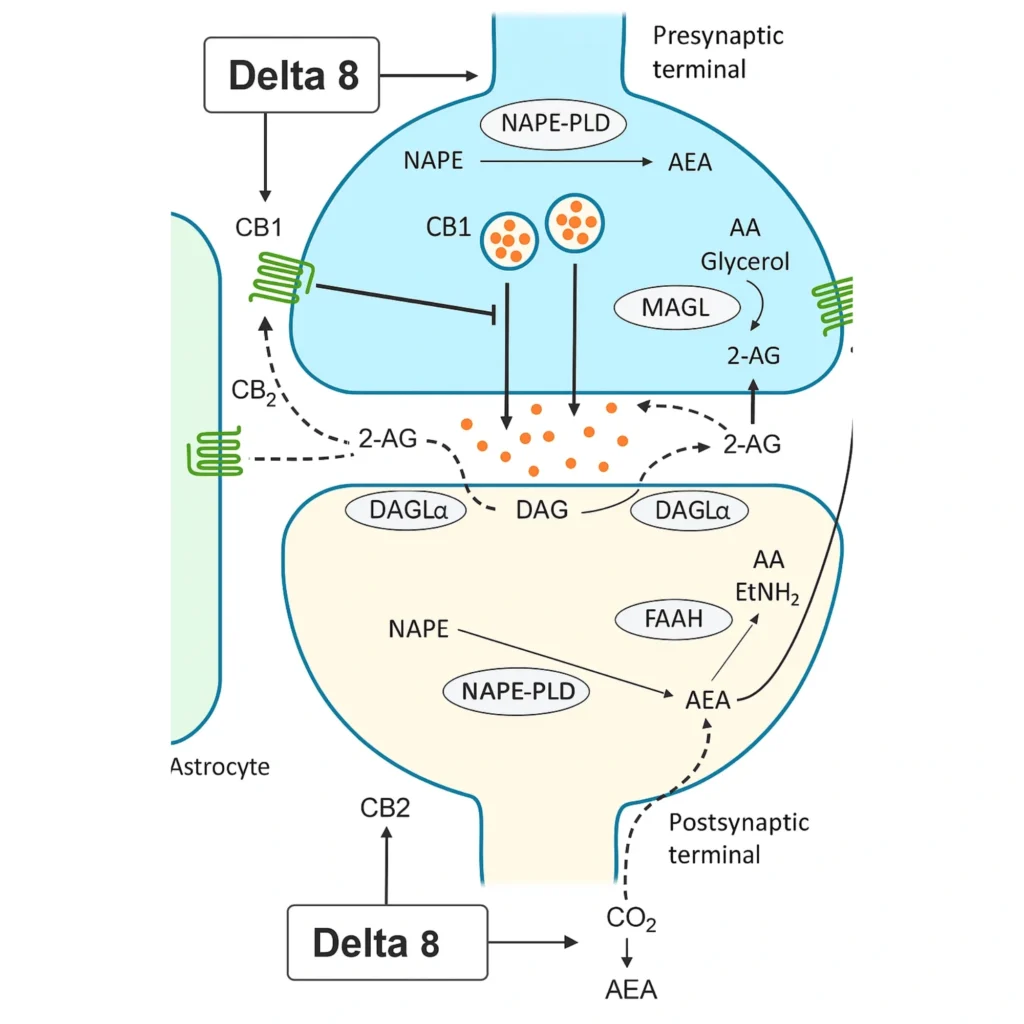
Because both compounds interact with the body’s endocannabinoid system, especially the CB1 receptor, they can produce effects related to mood, memory, and reward. These effects are at the center of the conversation about potential addiction.
What Does “Addictive” Really Mean?
Before we examine the research, it’s important to clarify what “addiction” actually involves. In clinical terms, addiction is more than just frequent use; it’s characterized by compulsive use despite negative consequences, cravings, and difficulty stopping. Dependence refers to physical adaptation, where the body gets used to the substance & experiences withdrawal without it.
Tolerance means needing more of a substance over time to achieve the same effect. Not every substance that causes dependence or tolerance is considered addictive. For example, caffeine can cause both, but it’s not typically classified as an addictive drug in a harmful sense. This nuance is essential when discussing cannabinoids like THC.
What Research Says About Delta-9 THC and Addiction?
Delta-9 THC has been studied extensively, and yes, it may lead to psychological dependence in some users, particularly those who use it frequently and in very high doses.
As per the National Institute on Drug Abuse or NIDA, about 9% of cannabis users overall develop a cannabis use disorder, & that number increases to 17% among those who start using in adolescence and up to 25-30% for daily users.¹ This condition includes symptoms such as cravings, increased tolerance, and unsuccessful attempts to cut down.
That said, many people use Delta-9 THC without developing dependence or problematic use patterns. Factors such as genetics, mental health, environment, and age play a major role in how someone responds to the substance. The question “Is Delta-9 addictive?” depends largely on individual behavior and usage context rather than the compound itself.
Further research suggests that the route of administration (inhalation vs. edibles), dosage, and frequency all influence the likelihood of developing dependence. When used occasionally and responsibly, Delta-9 is generally considered safe for most adults.
Is Delta-8 THC Addictive?
Compared to Delta-9, Delta-8 THC has not been studied as thoroughly, largely due to its newer presence in the market. However, early data and anecdotal reports suggest that Delta-8 has a lower psychoactive impact, which may reduce the potential for problematic use.
Since Delta-8 binds to the same CB1 receptors as Delta-9 but with less affinity, it tends to produce milder effects. Users report experiencing less anxiety and paranoia, and some even use Delta-8 as an alternative to Delta-9 for this reason.
So, is Delta-8 addictive? Based on what we know so far, it appears to have a lower potential for addiction, especially when used in moderation. Still, like any substance that impacts the brain’s reward system, there is some risk of psychological dependence, especially if it’s used excessively or to self-medicate underlying issues like stress or insomnia.
A 2022 study published in the Journal of Cannabis Research found that most Delta-8 users did not report compulsive usage or problematic patterns, and many used it as a substitute for Delta-9 or pharmaceutical drugs. This suggests that Delta-8 may be less habit-forming; however, responsible use remains essential.
While we can’t say definitively that Delta-8 has no risk, current insights indicate it is less likely to lead to addiction if we were to compare it to its stronger counterpart.
Responsible Use and Risk Reduction
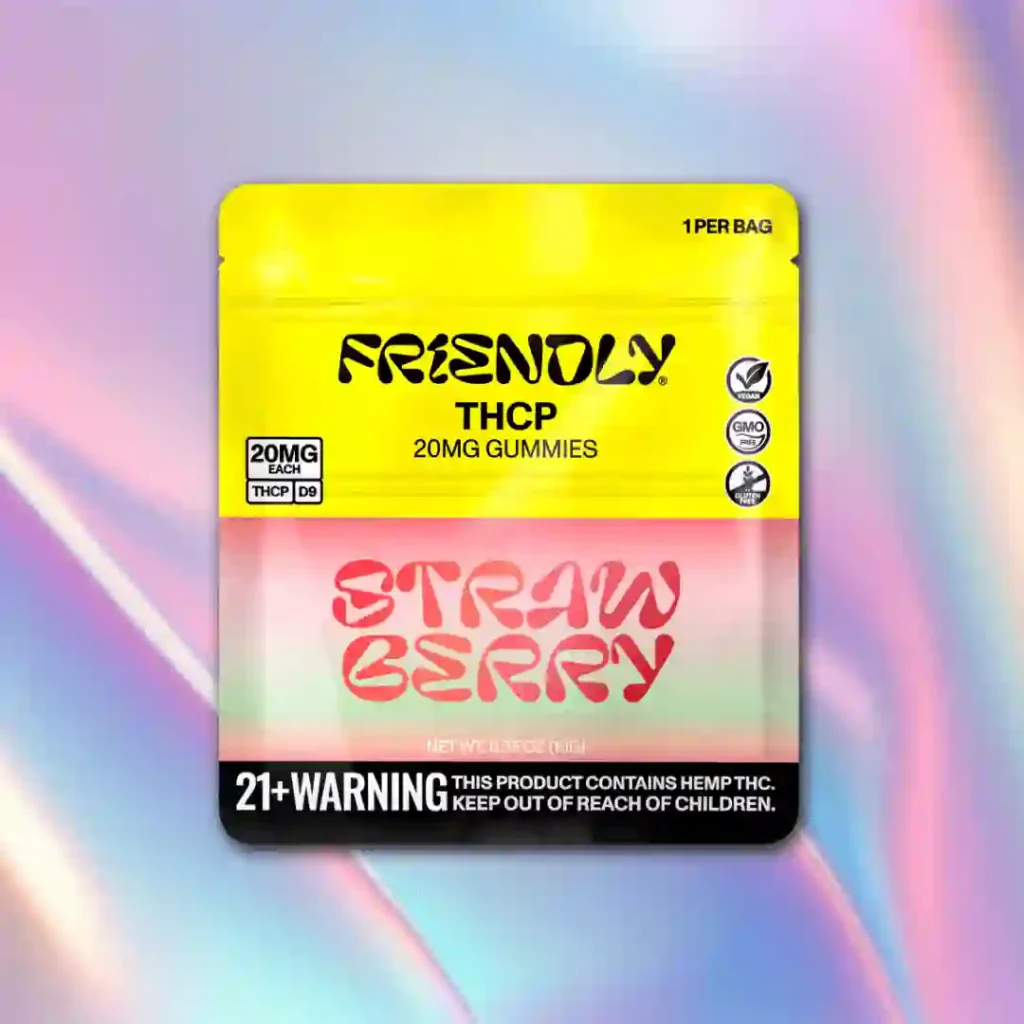
Regardless of which cannabinoid you use, the best way to avoid unwanted side effects, including dependence, is to approach vegan THC gummies products with intention and mindfulness. Here are a few best practices for responsible use:
- Avoid Daily Use: Giving your body regular breaks can prevent tolerance buildup & reduce the risk of dependence.
- Start Low, Go Slow: Especially if you’re new to THC, begin with a low dose and observe how your body reacts.
- Know Why You’re Using It: Use THC for intentional wellness goals (like relaxation or sleep) rather than out of habit or emotional coping.
- Buy from Reputable Brands: Always choose lab-tested, hemp-derived products from trusted sources to ensure potency and purity.
These practices help ensure that your experience with Delta-8 or Delta-9 is safe, balanced, and beneficial.
Conclusion
So, are Delta-8 and Delta-9 THC addictive? While Delta-9 THC does have the potential for psychological dependence, particularly with heavy or long-term use, most casual users will not experience addiction when using it responsibly. Delta-8 THC, based on current knowledge, appears to carry an even lower risk of addiction due to its milder effects and lower potency.
At Friendly Hemp, we believe in offering hemp-derived products that support your wellness goals, not create problems. That’s why we always provide third-party lab-tested products and encourage informed, intentional use. If you ever have questions about which THC product is right for you, we’re here to help. Contact us and grab the right dose that works in tune with your body and mind!
You must be logged in to post a comment.
More Similar Posts