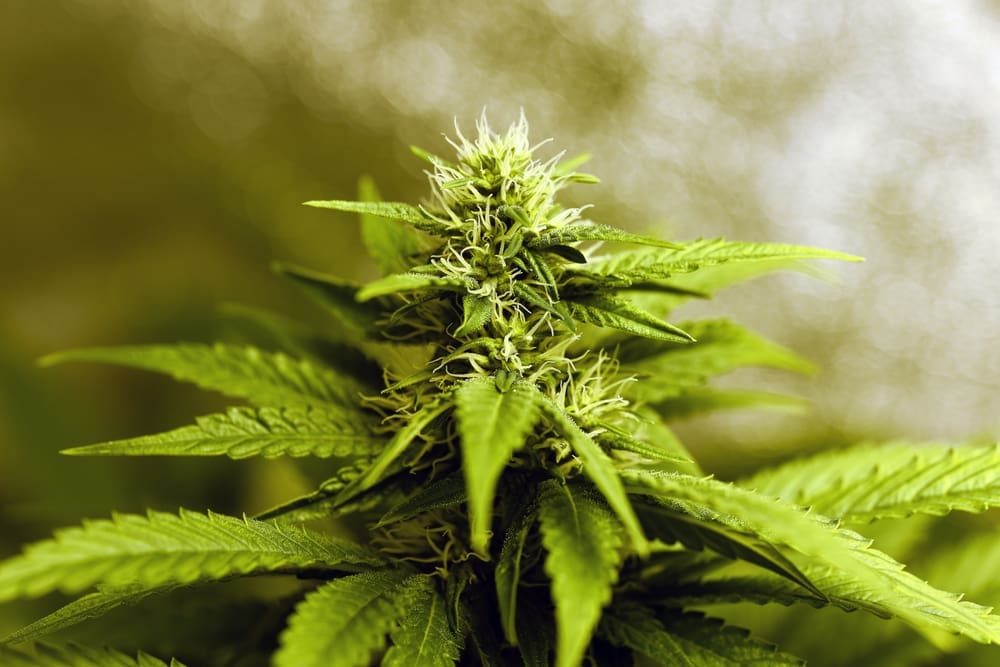
A 2025 Friendly Guide to THC-H
With tons of new cannabinoids entering the hemp marketplace, it’s no wonder why many newbies don’t even know where to start. But that’s why we’re here – to help provide a better, clearer understanding of what these immensely popular cannabinoids are, and what makes each one so unique. Today, we’re gonna dive into THC-H, a relative newcomer to the scene, but one that has also already gained tons of attention thanks to its reliably and consistently blissful effects.
Getting to Know THC-H
Tetrahydrocannabihexol (THC-H) is a cannabinoid naturally present in trace amounts in hemp flower. It was first isolated in 2020, as that explains why there’s little information about it online regarding studies and the like. Because of its enhanced hexyl sidechain, THC-H has the distinction of being super-duper potent, and it’s believed to be the second strongest cannabinoid in cannabis, after tetrahydrocannabiphorol (THC-P).
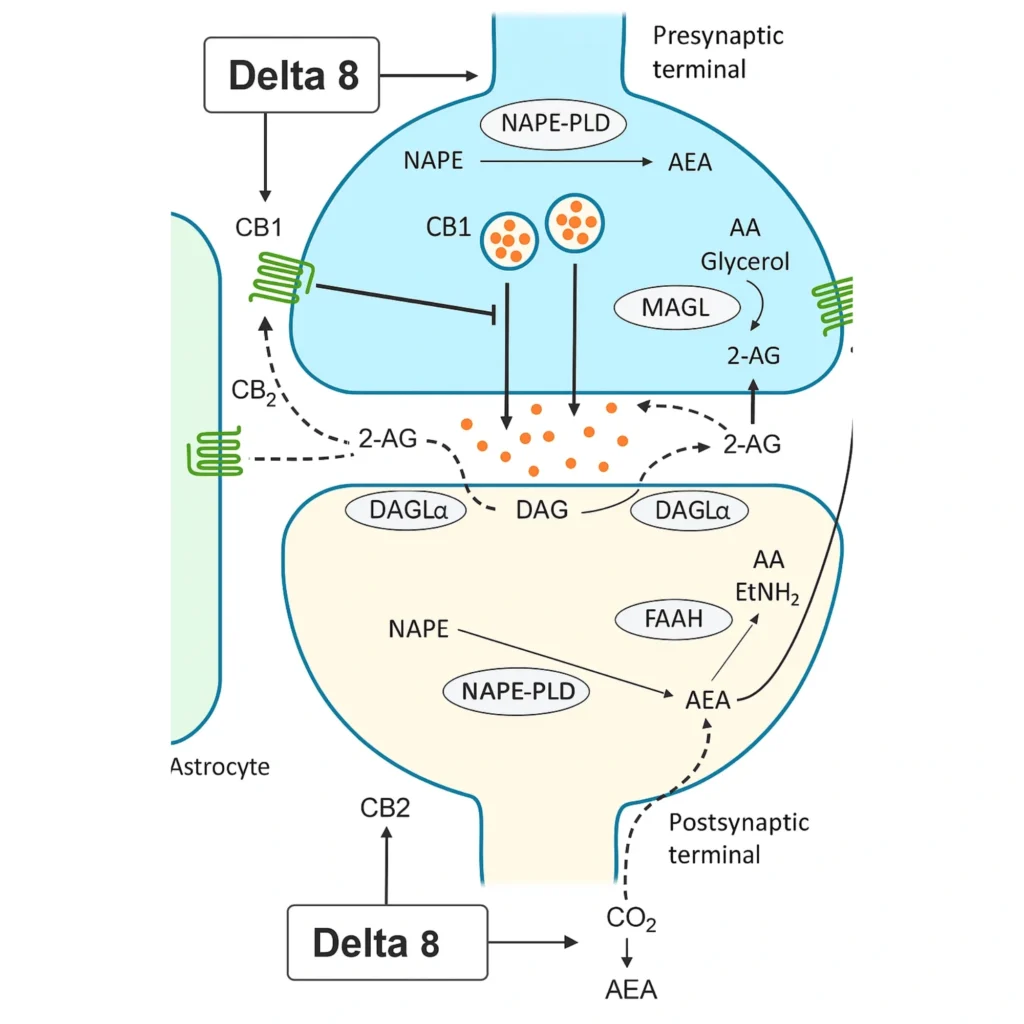
Like all cannabinoids, THC-H attaches itself to cannabinoid receptors (CB receptors) in the body, as a function of the endocannabinoid system (ECS), which aims to keep the body in homeostasis. When cannabinoids attach to cannabinoid receptors, physiological processes associated with these receptors become regulated, and when all processes of the body are regulated, we can exist in a state of equilibrium.
How Will THC-H Make Me Feel?
Basically, there aren’t any studies showing a direct link between THC-H and certain benefits. Again, tetrahydrocannabihexol is just too new for researchers to have had a chance to really dive into its possibilities, therapeutically speaking. But, we have talked to many people who have taken THC-H since it first hit the market, and there are some clear conclusions that we can draw based on this anecdotal evidence.
Is THC-H Legal to Buy in the USA?

With the passing of the 2018 U.S. Farm Bill, it at last, legalized hemp and all of its derivatives. The one caveat is that no hemp product can exceed more than 0.3% delta 9 THC by dry weight. But THC-H is not delta 9 THC, and what that means is that you can buy THC-H products in unrestricted concentrations, according to federal law, in order to enjoy this cannabinoid to the fullest of its potential.
A number of states have since decided to outlaw certain psychoactive cannabinoids, and these states below are the most up-to-date ones:
- Alaska
- Arizona
- Arkansas
- Colorado
- Delaware
- Hawaii
- Idaho
- Iowa
- Maryland
- Mississippi
- Montana
- Nevada
- New York
- North Dakota
- Oregon
- Rhode Island
- Utah
- Vermont
- Washington
What Kinds of THC-H Products Should I Try?
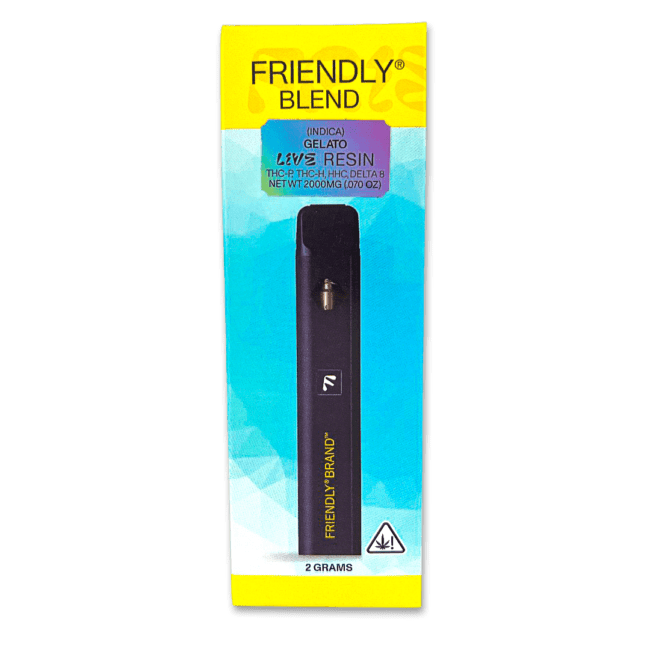
Despite being the new ‘cannabinoid kid on the block’, THC-H comes in several standard product types that can be purchased:
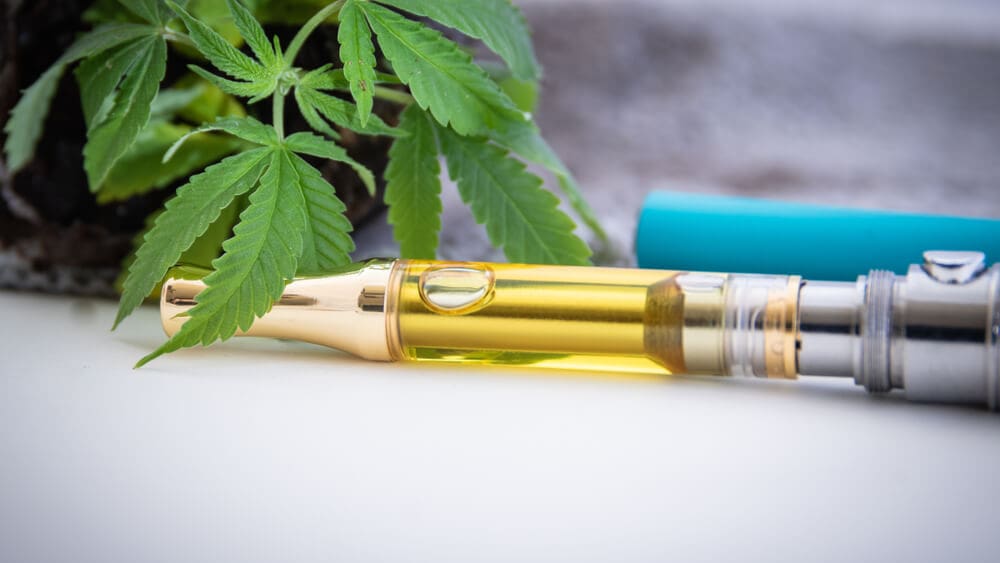
- THC-H Vape Cartridges (Vape Carts): Are 510-threaded cartridges that contain a vape oil consisting of THC-H distillate and terpene extracts, and they attach to 510-threaded vape pens. Like all vapes along with flower and concentrates, vape cartridges come in a large number of strains.
- THC-H Disposable Vapes: All-in-one vape pens with a cartridge and connected battery, that also contain a formula of THC-H distillate and terpene extracts. They require virtually no maintenance and can be vaped right out of the box.
- THC-H Concentrates: Also known as dabs, like wax, shatter, budder, rosin, etc., these are concentrated products that produce far stronger effects than vapes.
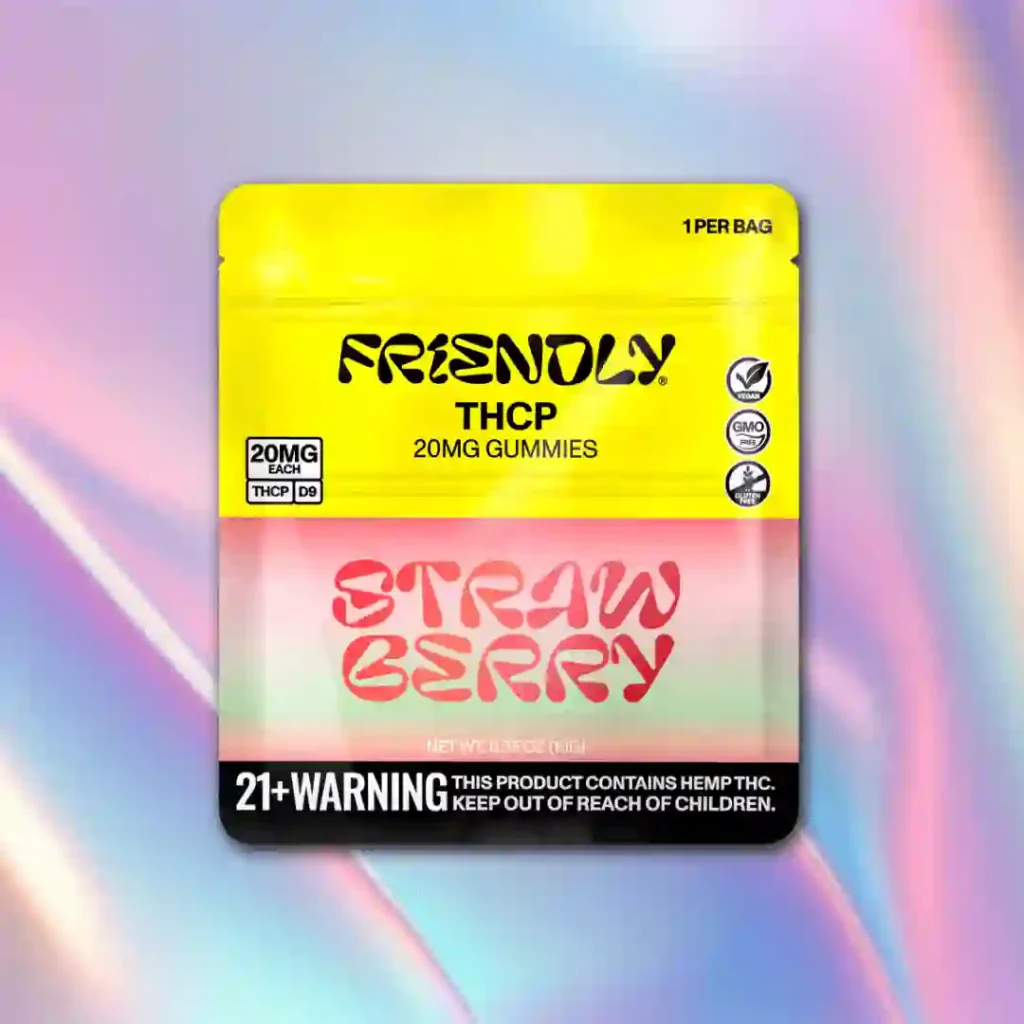
- THC-H Gummies: These are edibles that’re infused with pure THC-H, and also provide the longest-lasting effects (several hours).
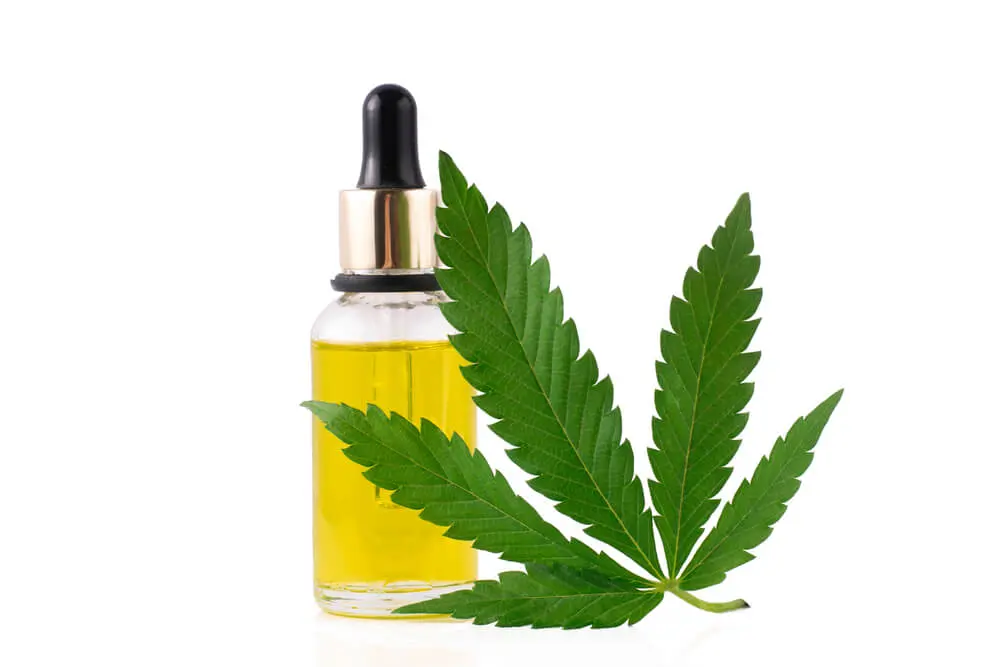
- THC-H Tinctures: Consist of THC-H distillate and a carrier oil (and occasionally flavoring), which are absorbed below the tongue (sublingually).
How Does THC-H Interact with Other Cannabinoids?
When looking online or at your local cannabis shop, you will see products that’re blended (have multiple cannabinoids). This holds true for THC-H, as it could also interact with other cannabinoids in several facets, thus influencing its effects, and here’s possibly how:
- Potency and Efficacy: THC-H’s interaction with other cannabinoids could potentiate or modulate the overall effects seen in cannabis use, especially the psychoactive and therapeutic aspects.
- Entourage Effect: Like other cannabinoids, THC-H likely participates in the entourage effect. This effect theorizes that cannabinoids do not work in isolation but rather in concert with other compounds in the plant, such as other cannabinoids and terpenes, to produce unique effects. THC-H could enhance or modify the effects of other cannabinoids, potentially leading to a more pronounced overall effect when consumed as part of a full-spectrum cannabis product.
- Modulation of Effects: Given its potency, THC-H might modulate the effects of other cannabinoids by influencing how they interact with cannabinoid receptors. For example, if THC-H competes with THC at the same receptor sites, it could potentially alter the psychoactivity usually attributed to THC.
- Impact on Metabolism: The presence of THC-H could also affect the metabolism of other cannabinoids in the body. Its influence on enzymes in the liver that metabolize cannabinoids could change how quickly other cannabinoids are processed and eliminated from the body.
Note: Once more, given that THC-H and its interactions aren’t as well researched as the common cannabinoids, such as THC and CBD, much of the current understanding is based on its structural similarity to other cannabinoids and preliminary studies. Continued research will be crucial in defining the direct ways tetrahydrocannabihexol interacts with other cannabinoids.
How Does THC-H Interact with Live Resin and Live Rosin?
When it comes to THC-H’s interaction with live resin and live rosin, there are several factors to consider:
- Concentration in Extracts: Like THC-P, THC-H is present only in trace amounts in cannabis. However, the extraction processes used for producing live resin and live rosin might concentrate these minor cannabinoids along with the more abundant ones.
- Potential Potency Increase: The concentration process in making live resin and live rosin could potentially increase the psychoactive potency of the extract if THC-H is present. When used (via methods like dabbing or vaping that involve heating), THC-H could contribute significantly to the strength and character of the psychoactive effects, given its purported potency.
- Entourage Effect: The presence of THC-H in live resin and live rosin could also have a part in the entourage effect. And, in turn, potentially enhancing numerous effects and possible benefits of the extract, making it more effective or providing a different quality of high compared to extracts without THC-H.
- Enhanced Effects and Experience: The unique properties of THC-H, combined with the rich terpene and cannabinoid profile maintained in live resin and live rosin, may lead to enhanced or unique effects. This includes not just a potentially stronger high but also variations in the sensory experience (taste, smell) and therapeutic impacts.
- Live rosin, on the other hand, is produced through a solventless method involving heat and pressure, also from fresh or frozen material.
Overall, while the exact impact of THC-H in live resin and live rosin might be small due to its trace amounts, its potent nature could still significantly influence the overall effects of these cannabis concentrates. This makes live resin and live rosin potentially appealing to users looking for a powerful and complex cannabis experience.
Are There Side Effects After Taking THC-H?
Good news everyone, you’re not more at risk when taking THC-H compared to any other cannabis product. There’s no known serious harm associated with this cannabinoid, although of course, if you have a low THC tolerance, getting majorly high when you’re not prepared for it might not be fun.
If you are worried, then let’s make it clear that all cannabinoids are nontoxic, hence the human body can tolerate the cannabinoid without causing toxicity. Still, mild and short-lived side effects can occur, like:
- Dry mouth
- Dry eyes
- Anxiety/paranoia
- Dizziness/lightheadedness
- Low blood pressure
- Increased heart rate
- Fatigue
- Confusion
- General impairment
Now, should you experience side effects that’re concerning, or if you’re worried about what kinds of side effects might happen when you take THC-H, you can speak to a medical professional who can offer more personalized guidance.
What About Drug-Testing? Does THC-H Get Picked Up?
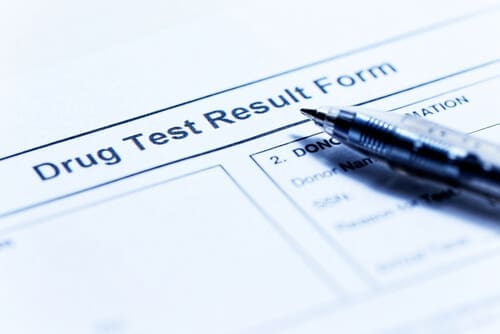
Regarding drug testing, the situation with THC-H is similar to that with THC-P:
- Standard Drug Tests: Most standard drug tests are designed to detect THC by identifying its primary metabolite: THC-COOH. These tests typically don’t specifically look for THCH, as it is a distinct chemical compound with different properties.
- Potential for Cross-Reactivity: While standard tests may not specifically target THC-H, there is a possibility of cross-reactivity due to structural similarities with THC. This could potentially lead to a positive test result if the test is sensitive to similar cannabinoid structures.
- Advanced Detection Methods: More sophisticated testing methods, which can detect a wider range of substances, might be able to identify THCH if it’s specifically included in the testing panel. However, such tests are less common and would likely only be used in specific contexts.
As research continues and more becomes known about cannabinoids like THC-H, testing methods may evolve. If you have a drug test scheduled in the near future though, wait to take THC-H, as there may be consequences to failing.
THC-H is a Cannabinoid That Will Rock Your World in 2025!
Overall, THC-H is a standout cannabinoid because its effects just seem to strike the right chord with so many hemp enthusiasts. Now, its effects are very potent, so maybe it’s not the most beginner-friendly option on the table, but experienced consumers can get a whole lot of satisfaction out of its blissful properties and effects related to the endocannabinoid system. Friendly Hemp les you try THC-H for yourself, so you can see what this cannabinoid has to offer.
You must be logged in to post a comment.
More Similar Posts