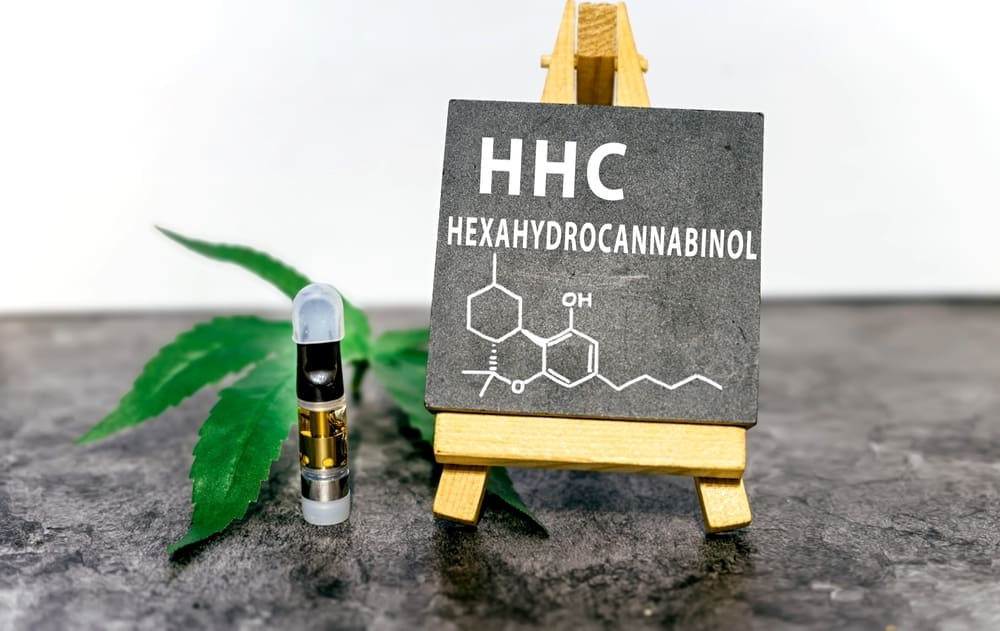
A 2025 Friendly Guide to HHC
In case you haven’t heard, HHC is one of many cannabinoids that has emerged onto the marketplace in recent years, coinciding with the legalization of hemp derivatives and ramped-up funding into cannabis research. And, HHC is pretty distinctive from the other cannabinoids that you may be coming across, as you might have guessed by its name. That’s why we’re gonna cover what makes HHC such an impressive cannabinoid.
Time to Learn the Basics on HHC
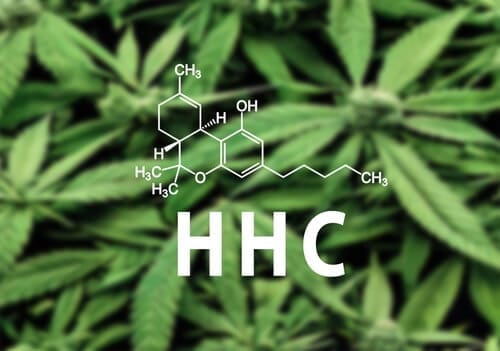
Hexahydrocannabinol (HHC) is a naturally occurring component of the hemp plant, found mainly in the plant’s seeds and pollen. It was discovered only a few years ago, but it was synthesized several decades ago before its natural discovery. What makes HHC unique, aside from the fact that it’s perhaps the only cannabinoid available that isn’t exclusively found in the female plant’s flowers, is the fact that it’s a hydrogenated analog of delta 9 THC. To get really scientific for a moment, it attaches to the same cannabinoid receptors as delta 9 THC to produce almost identical effects, although it seems that the effects are slightly weaker.
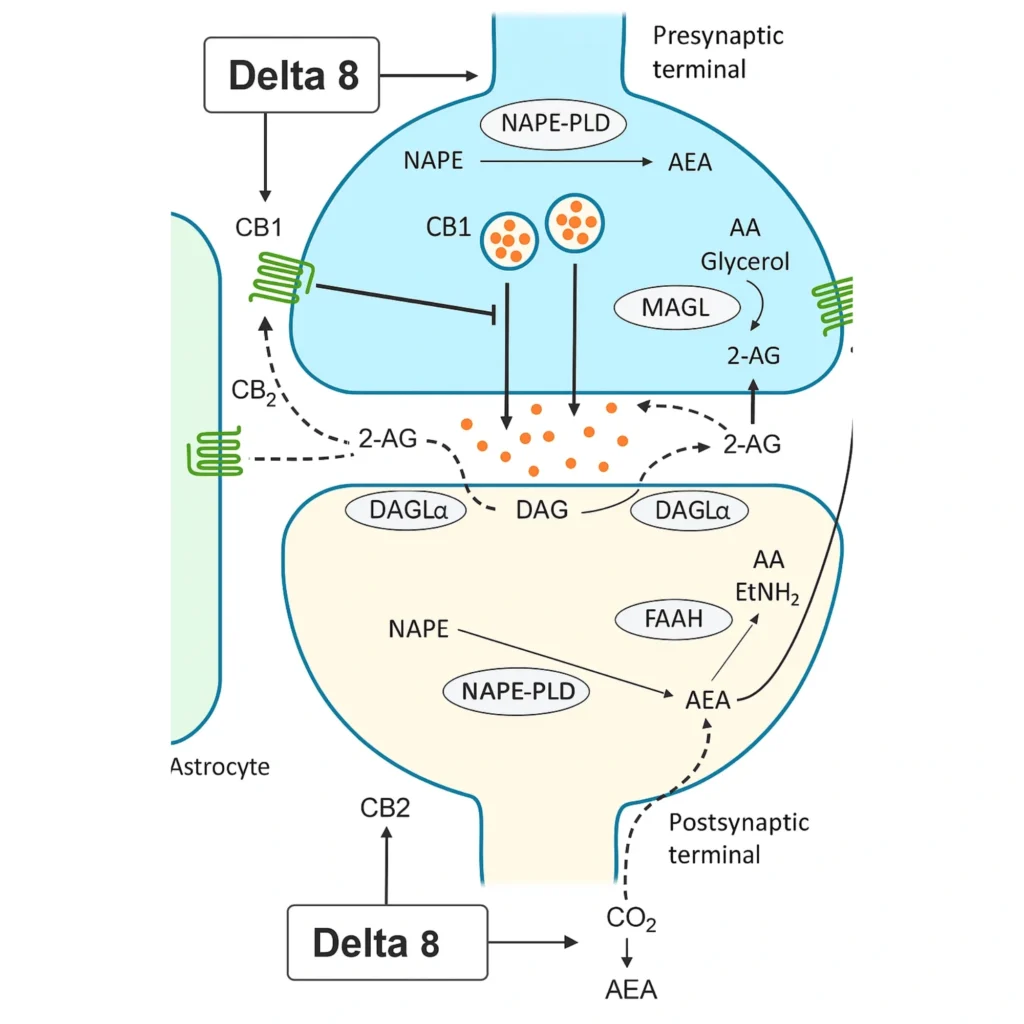
All cannabinoids attach to cannabinoid receptor (CB receptors) in the body, as a function of the endocannabinoid system (ECS) – body that uses these receptors to regulate physiological processes that work together toward keeping us in homeostasis. HHC has very limited research behind it, specifically pertaining to its effects, but anecdotally, it shows lots of promise.
How Will I Feel When Taking HHC?
Because of the lack of clinical research behind HHC, we can’t offer any real promises when it comes to possible benefits. But, again, we can draw from lots of anecdotal evidence, which tells us that HHC probably offers similar physiological effects to delta 9 THC, as we know a lot about what delta 9 THC can do due to decades of research.
Again, hexahydrocannabinol likely has slightly weaker effects than delta 9 THC, but that doesn’t mean that you can’t experience a very, very similar mind-altering buzz.
Is HHC Legal to Buy in the United States?

Back in 2018, the United States passed the Farm Bill to legalize hemp and all of its derivatives. Basically, what this means is that under federal law, you can purchase any HHC product without restrictions on concentration, because the only cannabinoid that’s regulated is delta 9 THC. The law says that products may not contain more than 0.3% delta 9 THC, but it says nothing about HHC or any other cannabinoid.
Yet, since the hemp market really exploded several years ago, we’re seeing a number of states that have banned all mind-altering cannabinoids derived from hemp, including HHC, as those states are the following:
- Alaska
- Arizona
- Arkansas
- Colorado
- Delaware
- Hawaii
- Idaho
- Iowa
- Maryland
- Mississippi
- Montana
- Nevada
- New York
- North Dakota
- Oregon
- Rhode Island
- Utah
- Vermont
- Washington
What Types of HHC Products Are Out There to Try?
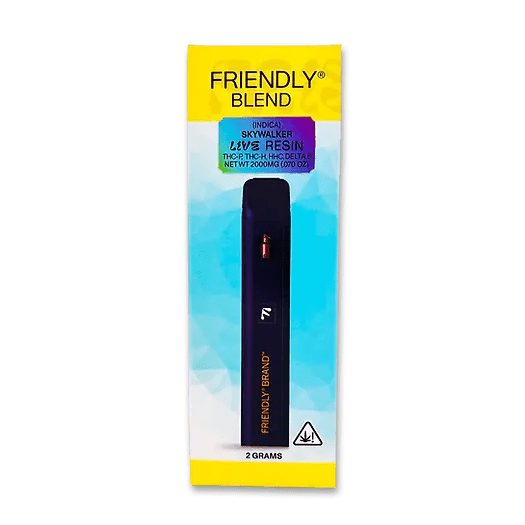
HHC is found in all of the same product types that you’re used to with other cannabinoids, i.e., CBD, delta 8 THC, etc.. These products all contain HHC distillate, which’s a pure extract of hexahydrocannabinol. The most common types of HHC-based products you’ll find present are:
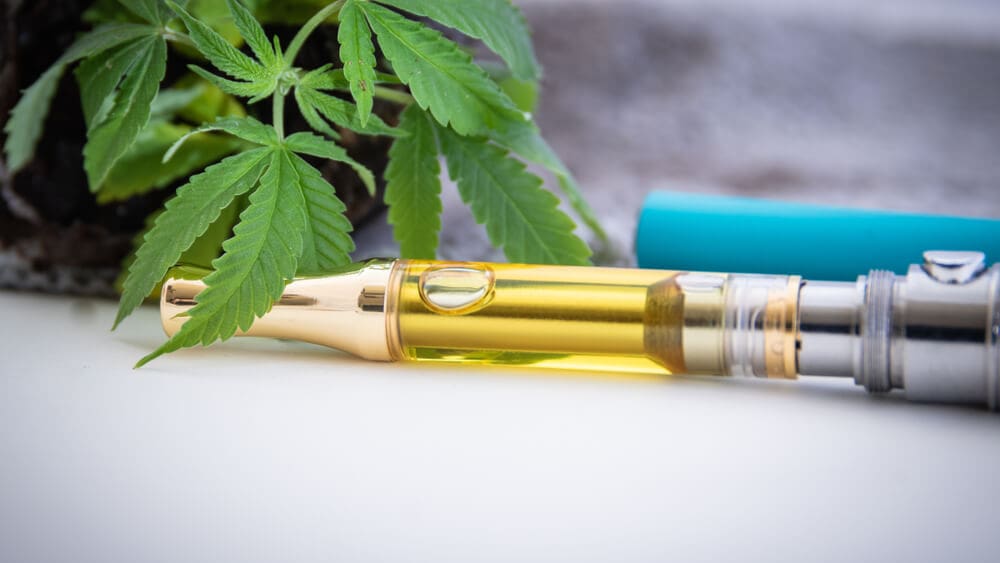
- HHC Vape Cartridges (Vape Carts): These are 510-threaded cartridges that contain a vape oil consisting of HHC distillate and terpene extracts, and they attach to 510-threaded vape pens. Like all vapes along with flower and concentrates, vape cartridges come in a large number of strains.
- HHC Disposable Vapes: Are all-in-one vape pens with a cartridge and connected battery, that also contain a formula of HHC distillate and terpene extracts. They require virtually no maintenance and can be vaped right out of the box.
- HHC Flower: Raw hemp flower buds that have been infused with HHC distillate and can be used just like “regular” cannabis buds.
- HHC Pre-Rolls: Consist of ground up flower rolled into paper, ready to smoke out of the package.
- HHC Concentrates: Also known as dabs, like wax, shatter, budder, rosin, etc., are concentrated products that produce far stronger effects than flower or vapes.
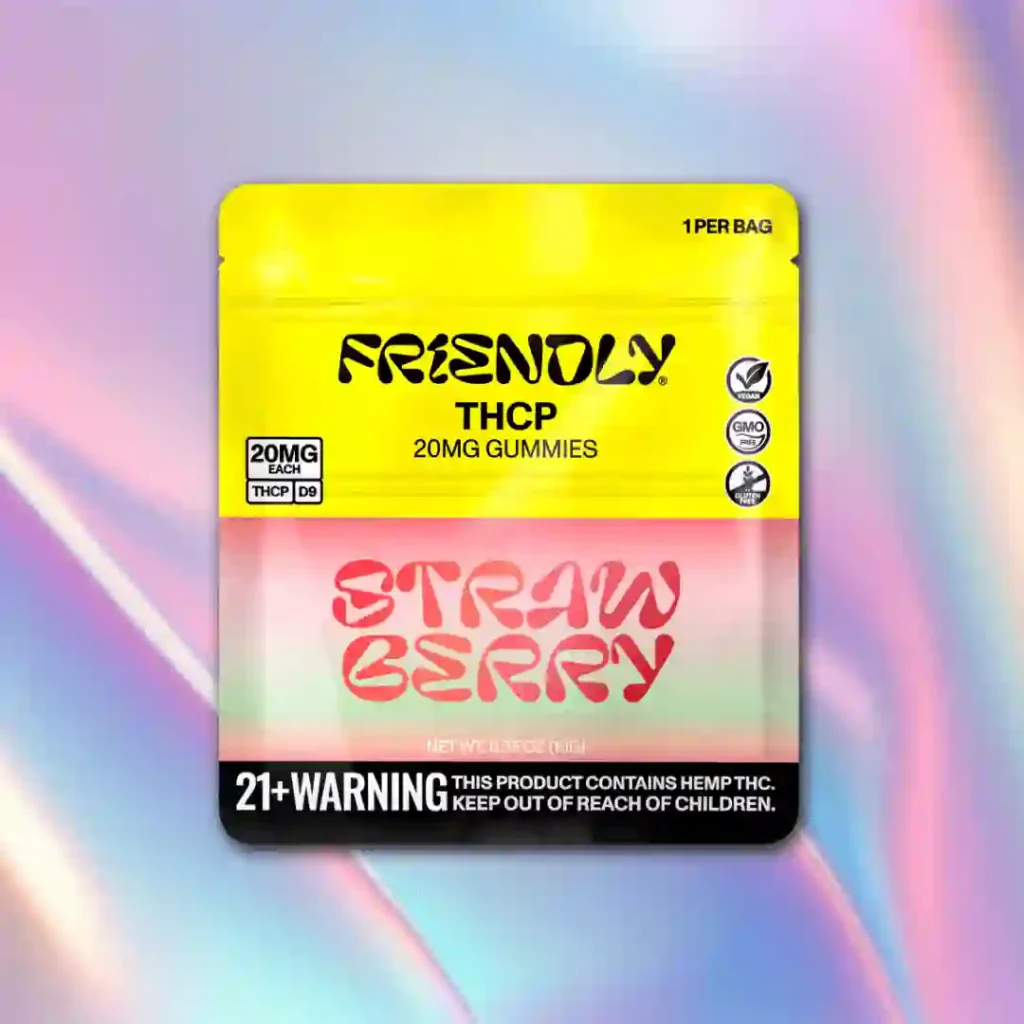
- HHC Gummies: These are edibles that’re infused with pure HHC and can provide the longest-lasting effects (several hours).
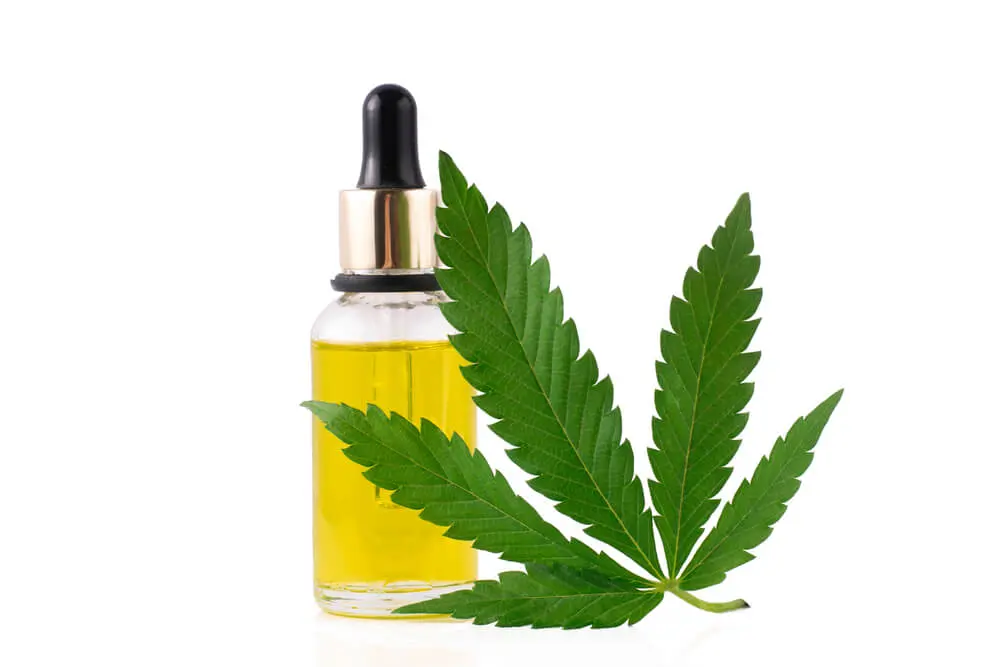
- HHC Tinctures: Consist of HHC distillate and a carrier oil (and sometimes flavoring), which are absorbed below the tongue (sublingually).
How Does HHC Interact with Other Cannabinoids?
When attempting to search online or at your local cannabis shop, you might encounter products that’re blended (have multiple cannabinoids). This hold true for HHC, as it could also interact with other cannabinoids in several facets, which in turn, influences its effects, and here’s possibly how:
- Similar Receptor Binding: Like THC, HHC binds to the CB1 and CB2 receptors in the human endocannabinoid system. Because it is structurally similar to THC, it is thought to interact with these receptors in a comparable way, albeit potentially with different potency and efficacy. The interaction of HHC with other cannabinoids that also target these receptors (like CBD, CBN, or THC) might either potentiate or modulate their effects due to competitive binding or synergistic action.
- Entourage Effect: HHC is also believed to participate in the entourage effect. This means it can work synergistically with other cannabinoids and terpenes found in cannabis to enhance the overall effects and potential therapeutic benefits.
- Modulation of Psychoactivity: Depending on its concentration and the ratios of other cannabinoids present, HHC could influence the overall psychoactive profile of a cannabis product. For example, if used in conjunction with CBD, the non-psychoactive effects of CBD might help counterbalance the psychoactive effects of HHC, leading to a more balanced experience.
- Impact on Metabolism: The metabolic pathway of HHC could be influenced by the presence of other cannabinoids that are metabolized by the same liver enzymes. This can affect the duration and intensity of its effects. For instance, CBD has been known to inhibit certain enzymes in the cytochrome P450 system, which could slow the metabolism of HHC, potentially increasing its effects or prolonging its presence in the body.
Note: The interactions of HHC with other cannabinoids are not as thoroughly researched as those of more common cannabinoids like THC and CBD. As such, much of the understanding is extrapolated from the known behaviors of structurally and functionally similar cannabinoids. More data is needed to fully define how HHC interacts within the complex matrix of cannabis constituents.
How Does HHC Interact with Live Resin and Live Rosin?
When considering live resin and live rosin, these are concentrates derived from fresh or frozen cannabis that aim to preserve the natural cannabinoid and terpene profile of the plant. Again, since HHC isn’t naturally present in significant amounts in the cannabis plant, its interaction with these products would be primarily through deliberate inclusion after synthesis, rather than as a naturally extracted compound.
Here’s how HHC could interact with live resin and live rosin if it were included:
- Addition Post-Extraction: If HHC were added to live resin or live rosin, it would be post-extraction. This could be done to modify or enhance the psychoactive effects of the concentrate, tailor experiences, or potentially leverage the entourage effect with the natural terpene and cannabinoid profile of the concentrate.
- Influence on Effects: The addition of HHC to live resin or live rosin might adjust the potency and type of psychoactive effects. HHC is noted for its stability and resistance to oxidation and UV light, which could enhance the shelf life and maintain the integrity of the psychoactive effects longer than THC might in some storage conditions.
- Entourage Effect: Possibly, like other cannabinoids, if HHC is added to live resin or live rosin, it could participate in the entourage effect.
It’s important to remember that the presence of HHC in live resin or live rosin wouldn’t be due to the extraction process used to create these products but would be a result of an additional step in product formulation. This could provide consumers with a product that combines the benefits of a full-spectrum concentrate with the unique properties of HHC.
What About HHC Side Effects?
First off, know that HHC is not considered inherently dangerous, nor riskier to take than any other cannabis product. A lot of people have taken HHC by now, and as long as you’re buying an authentic product made without harmful ingredients, and are taking it according to the directions, chances of a major adverse event are extremely low.
Keep in mind that all cannabinoids are nontoxic, and nobody has ever been reported to suffer a fatal overdose of a cannabinoid. Still, mild and short-lived side effects can occur, such as:
- Dry mouth
- Dry eyes
- Anxiety/paranoia
- Dizziness/lightheadedness
- Low blood pressure
- Increased heart rate
- Fatigue
- Confusion
- General impairment
Now, if you’re worried about possible side effects, or have experienced side effects outside of the norm, please speak to a medical professional to get their guidance, since they can offer more personalized advice and treatment.
What About Drug-Testing? Does HHC Get Picked Up?
You should be aware of the fact that there’s a risk that HHC can cause a failed drug test result. However, the likelihood of HHC being detected in a drug test depends largely on the type of test used and its specificity. If you’re confused, allows us to quickly break it down for you:
- Standard Drug Tests: Standard drug tests typically screen for THC by detecting its metabolite: THC-COOH. Since HHC is a unique compound, standard THC tests aren’t specifically designed to detect HHC. However, the metabolites of HHC might share some structural similarities to THC metabolites.
- Potential for Cross-Reactivity: There’s a possibility for cross-reactivity in drug tests due to the structural similarities between HHC and THC. Some metabolites of HHC could theoretically trigger a positive result on tests aimed at detecting THC, depending on the sensitivity and specificity of the test.
- Advanced Detection Methods: More sophisticated and specialized testing methods could potentially detect HHC if they are designed to look for it specifically. But such tests are not commonly used in standard drug testing protocols.
Essentially, if you’ve a drug test coming up, you should probably stay away from HHC until after the testing is completed.
HHC is the Next Awesome Cannabinoid You Just Gotta Try Today!
It’s simple: HHC is as popular as it is for a reason. People who have tried the cannabinoid, by and large, simply can’t get enough of the dreamy way in which it makes them feel. If you wanna give HHC a try, then head on over to Friendly Hemp, and check out different product types, strains, and more, all of which give you the purest, most effective HHC there is!
You must be logged in to post a comment.
More Similar Posts