A 2025 Friendly Guide to Hemp-Derived Delta 9 THC
Delta 9 THC is the most recognized cannabinoid of all-time, and the most controversial, as well. Today, we’re going to lift the mask, so to speak, and take an honest look at what this cannabinoid has to offer, despite being notorious for decades of recent history. Now that hemp-derived delta 9 THC has become a staple of the legal market, it’s time to reevaluate its effects, and understand the basics on legality, product types, and more.
Back to Basics: What is Delta 9 THC?
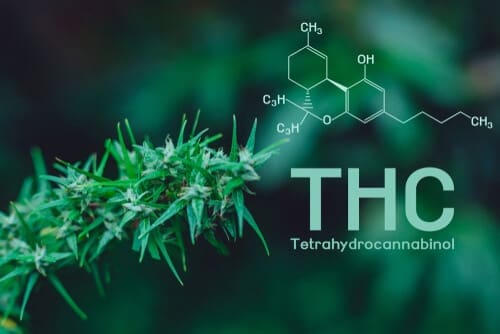
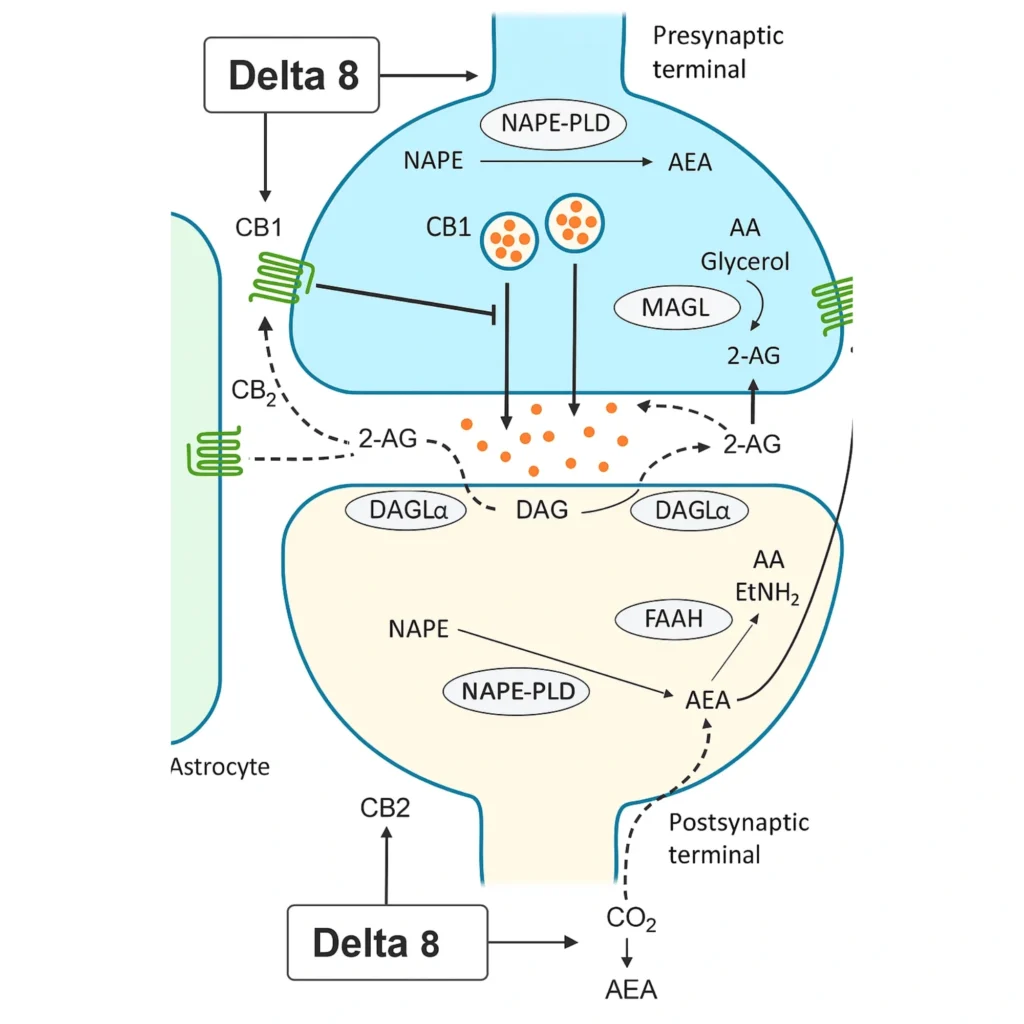
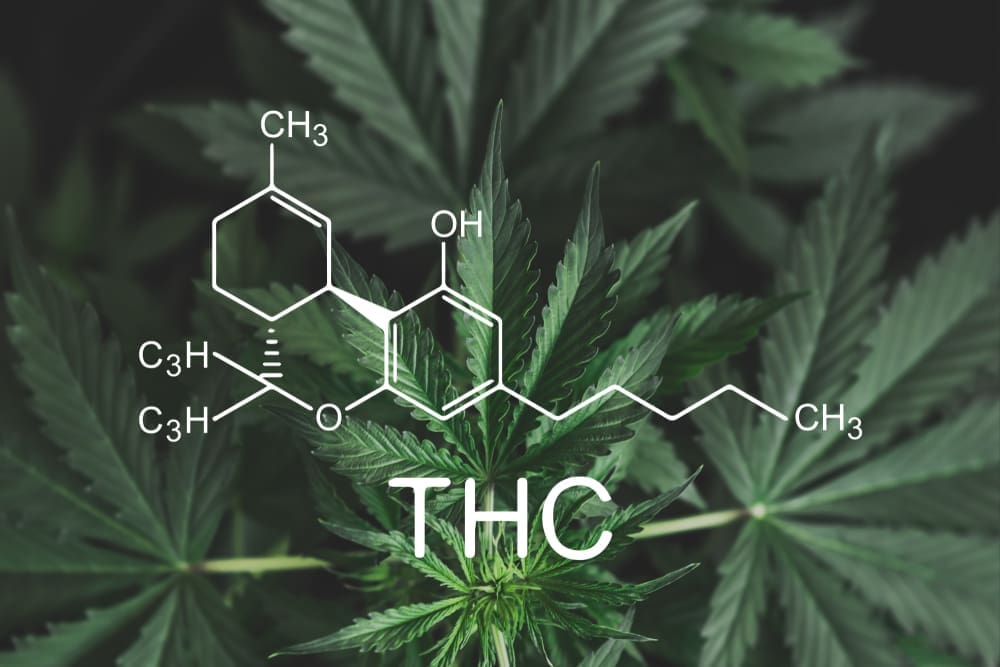
Let’s start off with the basics. Delta-9 tetrahydrocannabinol (delta 9 THC) is a naturally occurring cannabinoid found in hemp, which belongs to the cannabis genus. As a cannabinoid, it serves the role of attaching to the body’s cannabinoid receptors that make up the endocannabinoid system (ECS), in order to regulate processes of the body that lead to homeostasis.
So, just how much delta 9 THC can you find in the hemp plant? Interestingly, only about 0.3%. It’s a trace amount, although that’s not a problem when it comes to producing hemp-derived delta 9 products, as we’ll get into more later.
Delta 9 was discovered all the way back in the 1940s, and it just so happens to be the most well-researched cannabinoid of all-time, and that’s good news for anyone looking to better understand its possible therapeutic uses. It’s also because of this wealth of research that the medical cannabis industry exists as it does in the USA.
What Kinds of Effects Does Delta 9 THC Offer?
Now that we’ve established some background info, you’re probably wondering what delta 9 THC actually does – in other words, what its best known properties are. Well, we all understand that delta 9 THC is strong, and many people swear by its ability to lift the mood while easing feelings of worry and irritability. Its recreational use is incredibly popular, and it has been for literally thousands of years.
Putting all that aside, we recognize that delta 9 THC may be able to offer potential relief from all kinds of common complaints, ranging from physical discomfort to poor appetite. A lot of people turn to this cannabinoid specifically in hopes of achieving a sense of relief, as researchers have demonstrated over the course of several decades that there’s major promise in terms of how THC affects the mind & body. Still, however, more research is being conducted, as we can only base some of this data and people’s responses to it on an anecdotal level.
How are Hemp-Derived Delta 9 Products Legal?
Historically, cannabis has been a strictly illegal substance, but that all changed in 2018, specifically when the United States passed the Farm Bill to legalize hemp and all of its derivatives. Essentially, with the passing of the 2018 Farm Bill, products containing a maximum of 0.3% delta 9 THC by dry weight can be sold legally under federal law. Now, every state has the right to restrict certain hemp products as they see fit, but overall, the “0.3%” rule applies to all 50 states.
Again, 0.3% sounds like an extremely small amount of THC. So small, you couldn’t possibly derive any benefits from it. But companies have found ways to take advantage of the law. How? Well, by producing hemp-infused products with large enough portion sizes that 0.3% comes out to be a substantial amount of delta 9 – pretty much enough delta 9 for you to get all of the effects you’d expect from the cannabinoid.
What are the Best Delta 9 Product Types to Buy?
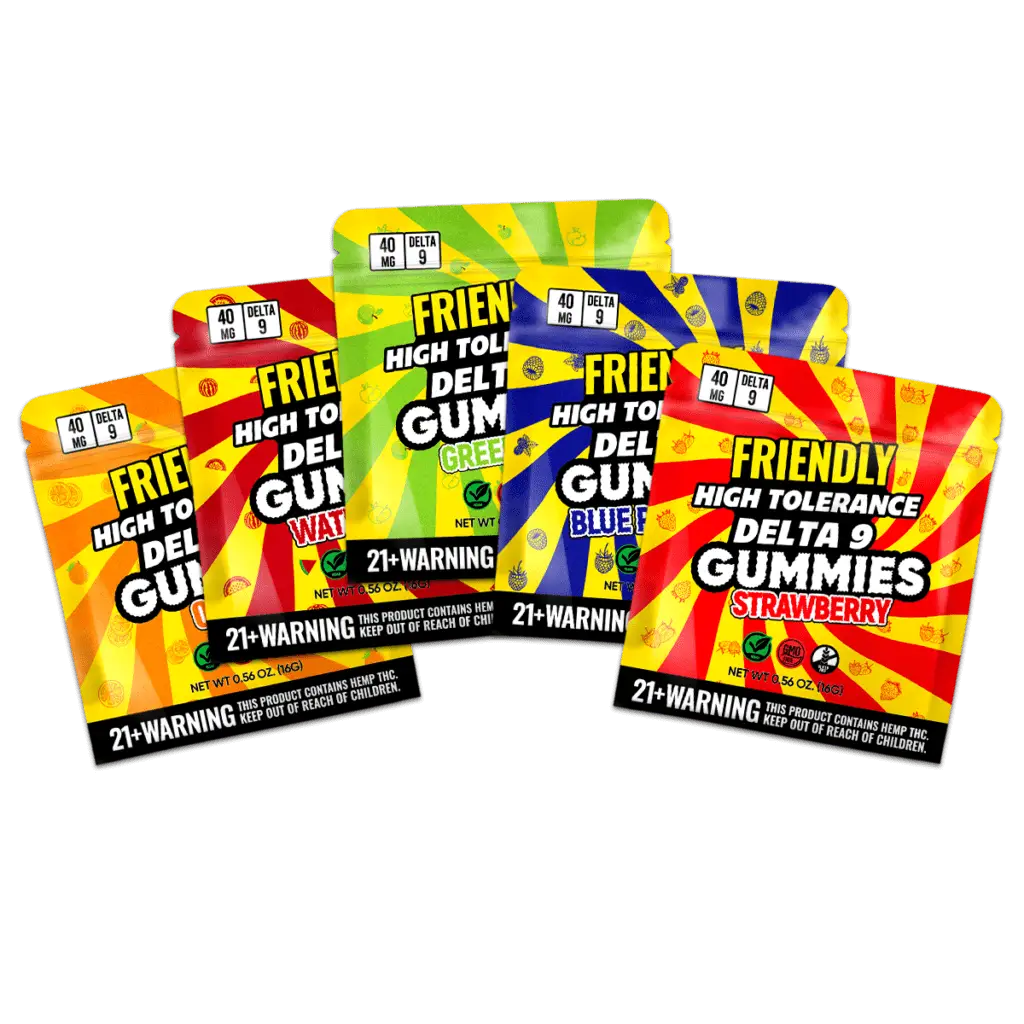
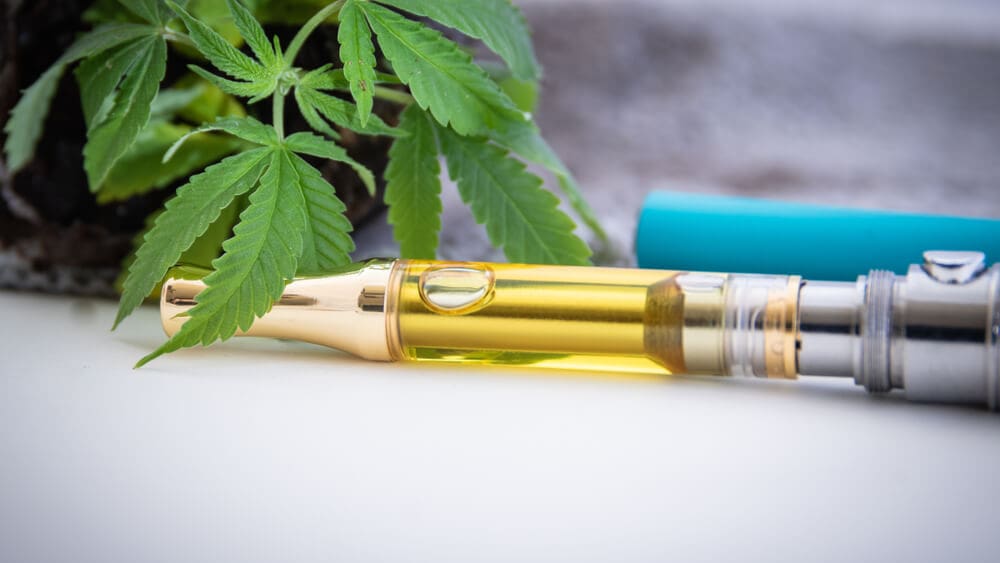
Delta 9 products typically contain a distillate of the cannabinoid, which’s a fancy term for a very purified extract that’s clear in color, without any flavor or aroma (cannabinoids are flavorless, odorless, and colorless). This way, pure delta 9 THC can be easily incorporated into various recipes, including tinctures, vape oils, edibles, and more.
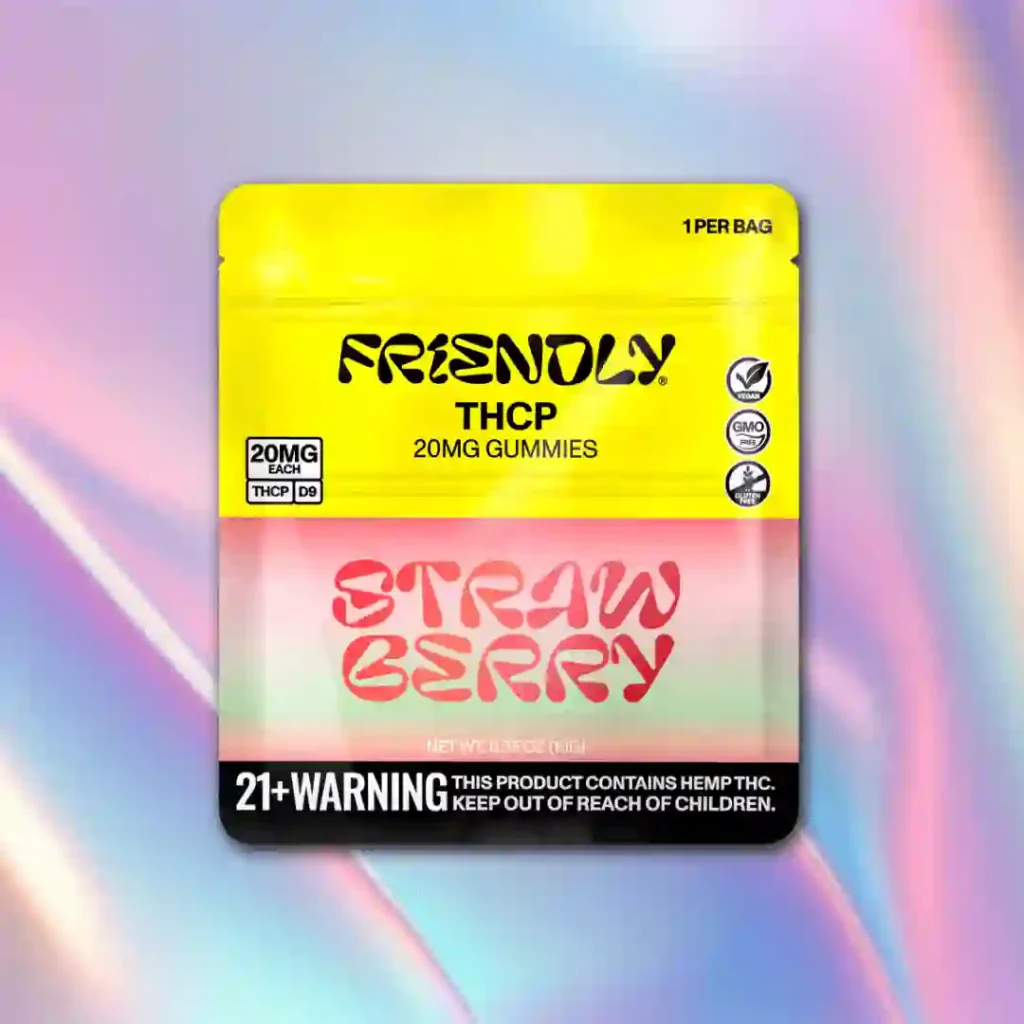
Still, by and large, you’re most likely to find delta 9 THC in the form of edibles, when it pertains to hemp-based products. How come? Good question. It’s because again, to offer enough delta 9 for substantial effects, you need a big portion size, in order to stretch that 0.3% out to a nice number of milligrams. With edibles, customers have no problem eating, say, a large cookie that happens to have 20mg of THC in the recipe.
That being said, the most common types of edibles for delta 9 are gummies and baked goods, both of which are pretty self-explanatory. Gummies offer a sweet fruity flavor and chewy texture, while baked goods like brownies and cookies have that mouthwatering, homemade taste that never fails to satisfy.
How Does Delta 9 THC Interact with Other Cannabinoids?
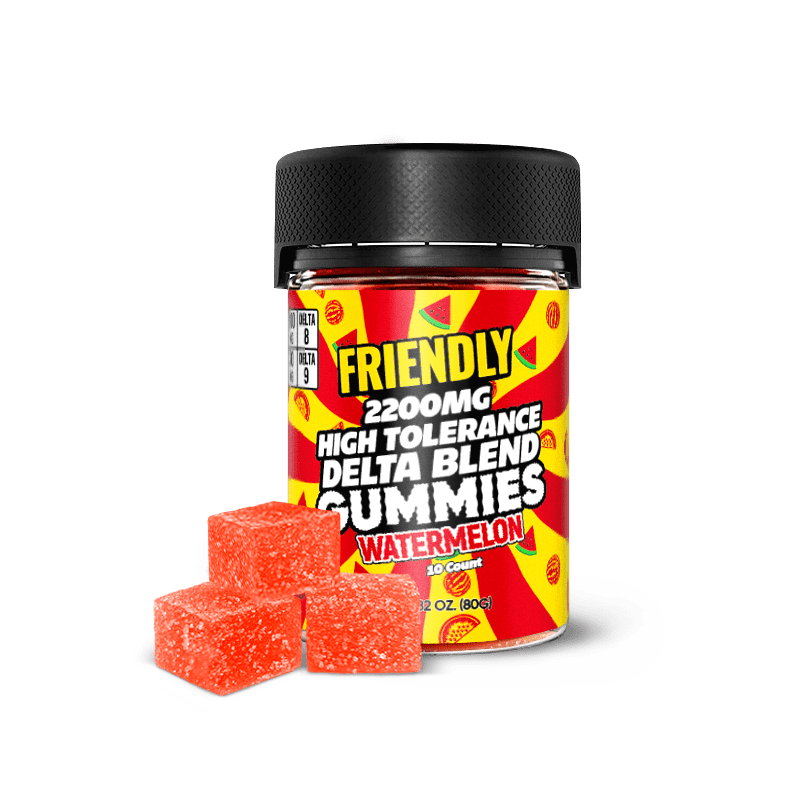
No doubt, when searching online or at your local cannabis shop, you will see products that are blended, meaning have multiple cannabinoids. You see, delta 9 THC interacts with other cannabinoids in several ways, which can influence its effects:
- Entourage Effect: This is the theory that cannabinoids and other compounds in cannabis work together to produce a combined effect that is different from the effect of each compound individually.
- Competitive Inhibition: Some cannabinoids might compete with THC for binding sites on the CB1 and CB2 receptors, which are part of the endocannabinoid system in the human body. This can influence the overall potency and duration of THC’s effects. For instance, cannabinol (CBN) has a lower affinity for the CB1 receptor but might still impact THC’s effect through competitive binding.
- Synergistic Effects: Certain cannabinoids can enhance the effects of THC. For example, terpenes (aromatic compounds in cannabis), can interact with cannabinoids to boost therapeutic effects. Some terpenes may increase the ability of THC to bind to receptors or enhance its absorption. For example, myrcene is believed to enhance THC’s sedative qualities, whereas limonene might elevate mood.
- Metabolic Modulation: Cannabinoids can influence how THC is metabolized in the liver. For example, CBD can inhibit the action of certain enzymes that metabolize THC, potentially increasing THC levels in the bloodstream and prolonging its effects.
Note: The complexity of these interactions is why different cannabis strains can have significantly unique effects, even if they contain similar levels of THC. Understanding these interactions is crucial for tailoring the use of a product to meet your needs and preferences.
How Does Delta 9 THC Interact with Live Resin and Live Rosin?
When discussing live resin and live rosin, we’re focusing on specific types of cannabis concentrates that preserve a high quantity of terpenes and other cannabinoids, compared to other extraction methods which may lose these compounds due to heat and processing. Both live resin and live rosin, due to their rich terpene and cannabinoid profiles, not only potentiate the effects of delta 9 THC but may also influence the flavor, aroma, and overall sensory experience of the concentrates.
Live Resin
This is produced by freezing freshly harvested cannabis and extracting compounds using a solvent like butane. This method preserves more terpenes and cannabinoids, including delta 9 THC. The interaction in this case means that the presence of terpenes and other cannabinoids can potentially enhance the effects of delta 9 THC via the “entourage effect.
Live Rosin
This concentrate is made by a similar process of freezing fresh cannabis, but it’s extracted mechanically without the use of solvents, typically using heat and pressure. This method also maintains high levels of terpenes and cannabinoids. The interaction here is similar to that of live resin, with the entourage effect having a significant role.
Does Delta 9 THC Cause Any Side Effects?
For the most part, people who enjoy hemp-derived delta 9 products are extremely happy with the results (based mainly on anecdotal evidence) – and why not? Delta 9 THC has long been regarded as a cannabinoid that ultimately brings about lots of positive effects for hours on end. Still, you do need to be aware of the potential for side effects, as with any substance.
First off, let’s make it clear that THC is nontoxic, meaning that the human body can, in fact, tolerate relatively high and/or frequent servings of it without significant negative effects. Still, these possible mild and short-lived side effects can occur:
- Dry mouth
- Dry eyes
- Dizziness/lightheadedness
- Anxiety/Paranoia
- Low blood pressure
- Increased heart rate
- Fatigue
- Confusion
- General impairment
Of course, if you’re concerned about certain potential side effects, or have experienced side effects that concern you, it’s best to talk to a medical professional who can give you more personalized advice and guidance.
Does Delta 9 THC Put Me at Risk if I’m Getting Drug-Tested?

Let’s talk about drug-testing for a second. The reality is that any time you take THC, whether it’s from a legal or illegal source, you’re at risk of failing a drug test. Drug tests are searching for a metabolite of THC known as “THC-COOH”, which doesn’t differentiate between the plant it comes from. If THC-COOH is detected in a urine, blood, saliva, or hair strand test, it will cause a failed drug test result to occur, which could have potentially serious implications when it comes to your future.
The time delta 9 remains detectable in the body depends on several factors, including how much and how often you use it, your metabolism, and the sensitivity of the drug test. In urine tests, which’re the most common form of drug testing, THC can typically be detected for several days after occasional use and up to several weeks or more in regular users. Because of all this, we urge you to avoid delta 9 if you will be tested sometime soon.
Hemp-Derived Delta 9 THC Has Found Its Way into Our Daily Lives
Since delta 9 THC is legal – at least when it’s derived from hemp, and within the legal limit of concentration, you can enjoy all of its wondrous effects without worry, and then see for yourself why it’s the most hyped-up plant compound around. Friendly Hemp allows you to explore a fantastic variety of delta 9-infused products, all of which contain federally compliant, organically sourced, hemp-derived delta 9 THC distillate that’s capable of giving you blissful results.
You must be logged in to post a comment.
More Similar Posts