Have you’ve encountered THC-P products like vapes and gummies at your local gas station store or carried by your favorite online hemp brand. Maybe you’re a total hemp newbie who knows almost nothing about the many different forms of THC that exist these days, which we’d never heard of just a few years ago. Either way, we are here to introduce you to one of the most genuinely exciting discoveries to ever come out of cannabis: THC-P, which’s regarded as the most potent cannabinoid in the entire plant. As you will see, it can be like a dream come true for anyone who desires immensely powerful effects from their hemp experience.
The Ins and Outs of THC-P
Tetrahydrocannabiphorol (THC-P) is a cannabinoid that naturally exists in cannabis in very trace levels. Researchers only discovered the existence of THC-P in 2019, and since then, they’ve done very minimal research on its properties. Still, we know a decent amount about it, and besides that, there’s loads of anecdotal evidence to draw on.
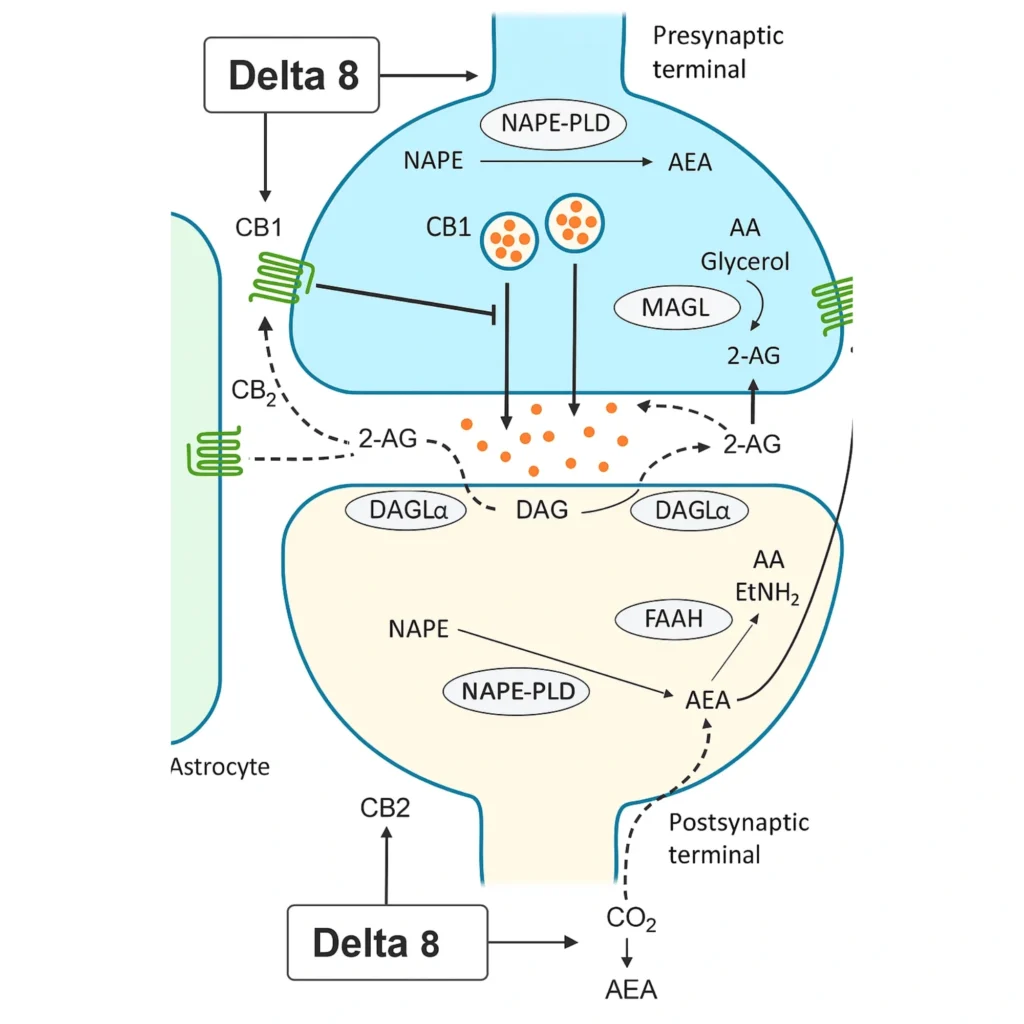
As a cannabinoid, THC-P of course attaches to cannabinoid receptors (CB receptors) in the body, as a mechanism of the endocannabinoid system (ECS). This is to regulate individual physiological processes that pertain to our general homeostasis. THC-P has the distinction of attaching to CB1 receptors (cannabinoid receptors in the nervous system) at around 33x the rate of delta 9 due to its longer alkyl side. Hence, why THC-P’s effects are outstandingly potent. Tetrahydrocannabiphorol’s mind-altering properties are said to be roughly 10x the amount of delta 9, which means you really need to consider your THC tolerance when taking it.
What Does THC-P Feel Like?
THC-P has, like we said, undergone some preliminary studies regarding its unique effects. It appears, too, that tetrahydrocannabiphorol offers the same potential benefits as delta 9 THC, just stronger. For those who aren’t aware, delta 9 has been studied extensively for decades, and so we have a really good idea of what kinds of potential effects it can have on the mind & body.
We also pointed out how tetrahydrocannabiphorol offers powerful mind-altering effects as well, which are described as very blissful and balanced. These effects can be fantastic for people who have a really high THC tolerance, and simply need a bit more of a “kick” when they take cannabis products.
Is THC-P Actually Legal?

In 2018, the United States passed the Farm Bill to legalize hemp and all of its derivatives. Meaning, as of 2018, all hemp-derived products containing a maximum of 0.3% delta 9 THC can be sold legally under federal law. Now, each state has the right to restrict certain hemp products as they see fit, but ultimately, THC-P is a permitted substance, federally.
A number of states, however, have decided to ban THC-P, and those states are the following:
- Alaska
- Arizona
- Arkansas
- Colorado
- Delaware
- Hawaii
- Idaho
- Iowa
- Maryland
- Mississippi
- Montana
- Nevada
- New York
- North Dakota
- Oregon
- Rhode Island
- Utah
- Vermont
- Washington
What Types of THC-P Products are There?
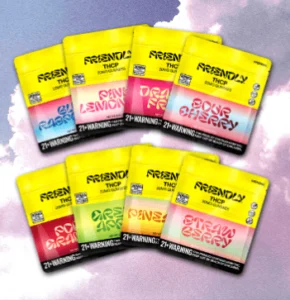
THC-P comes in all the standard product types as other hemp products, as it’s easy to convert into a distillate form that’s then added to various types of formulas. Let’s look at the most popular types of THC-P products you’ll find today.
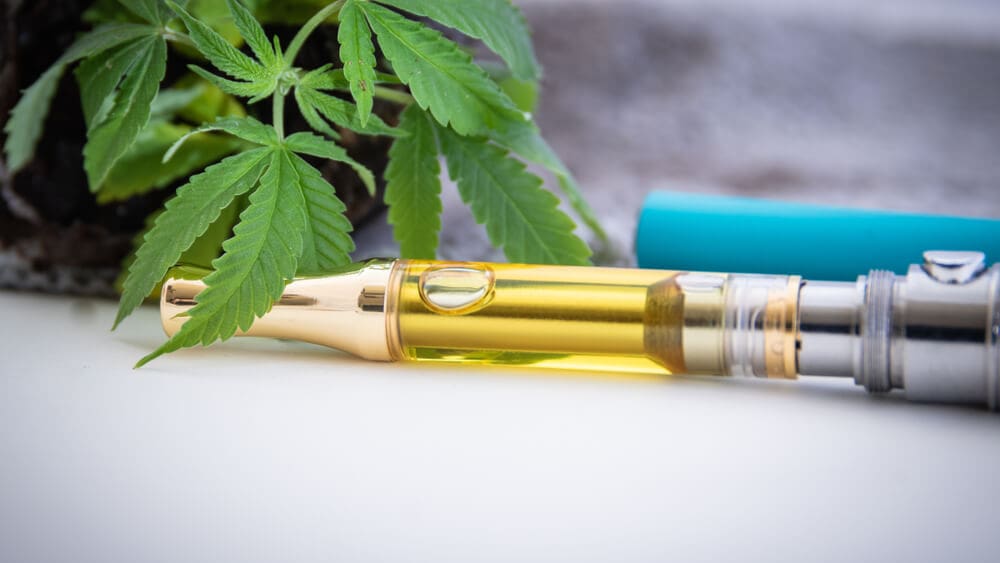
- THC-P Vape Cartridges (Vape Carts): Are 510-threaded cartridges that contain a vape oil consisting of THC-P distillate and terpene extracts, and they attach to 510-threaded vape pens. Like all vapes along with flower and concentrates, vape cartridges come in a large number of strains.
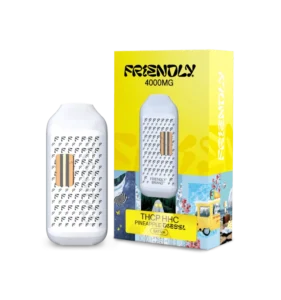
- THC-P Disposable Vapes: Are AIO vape pens with a cartridge and connected battery, that also contain a formula of THC-P distillate and terpene extracts. They require virtually no maintenance and can be vaped straight outta the box.
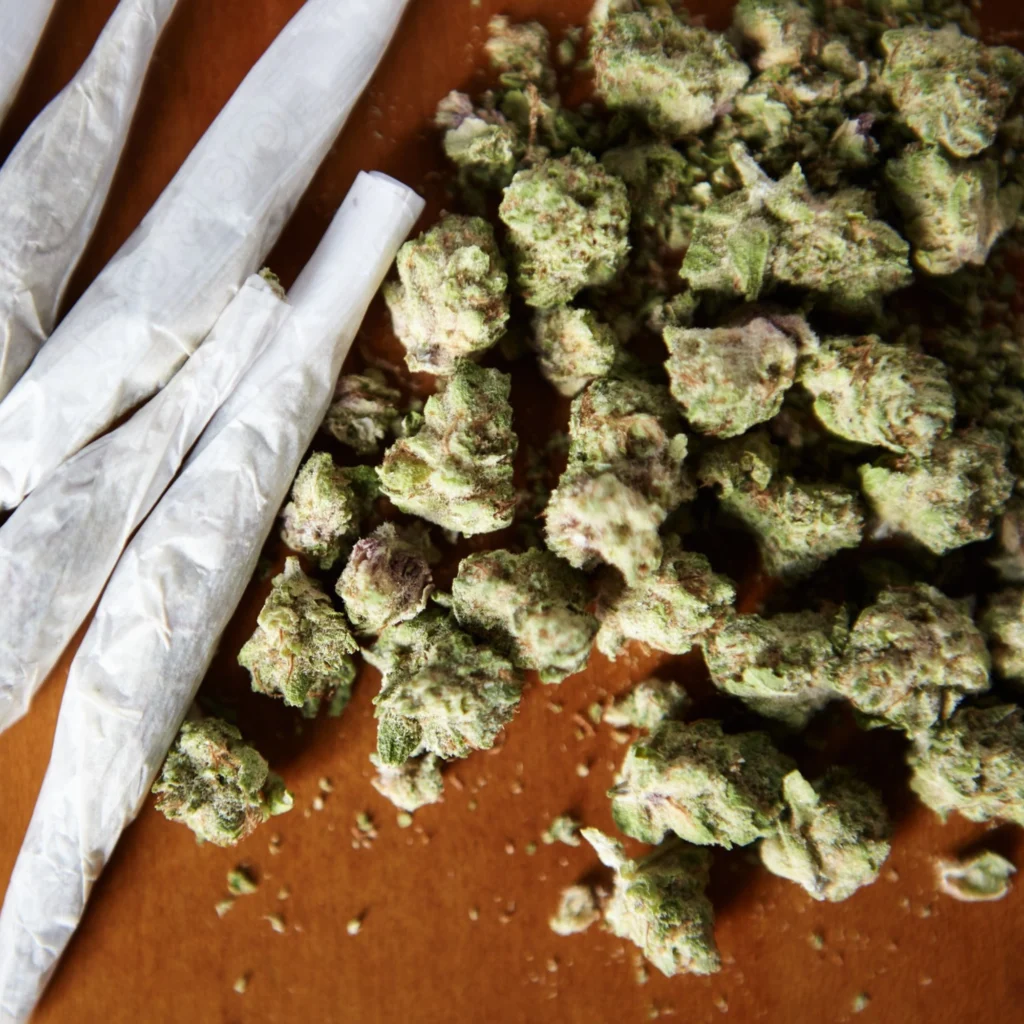
- THC-P Flower: Is raw hemp flower buds that have been infused with THC-P distillate, and it can be used just like “regular” cannabis buds.
- THC-P Pre-Rolls: Consist of ground up flower rolled into paper and are ready to smoke right outta the package.
- THC-P Concentrates: Also known as dabs, like wax, shatter, budder, rosin, etc., are concentrated products that produce far stronger effects than flower or vapes.
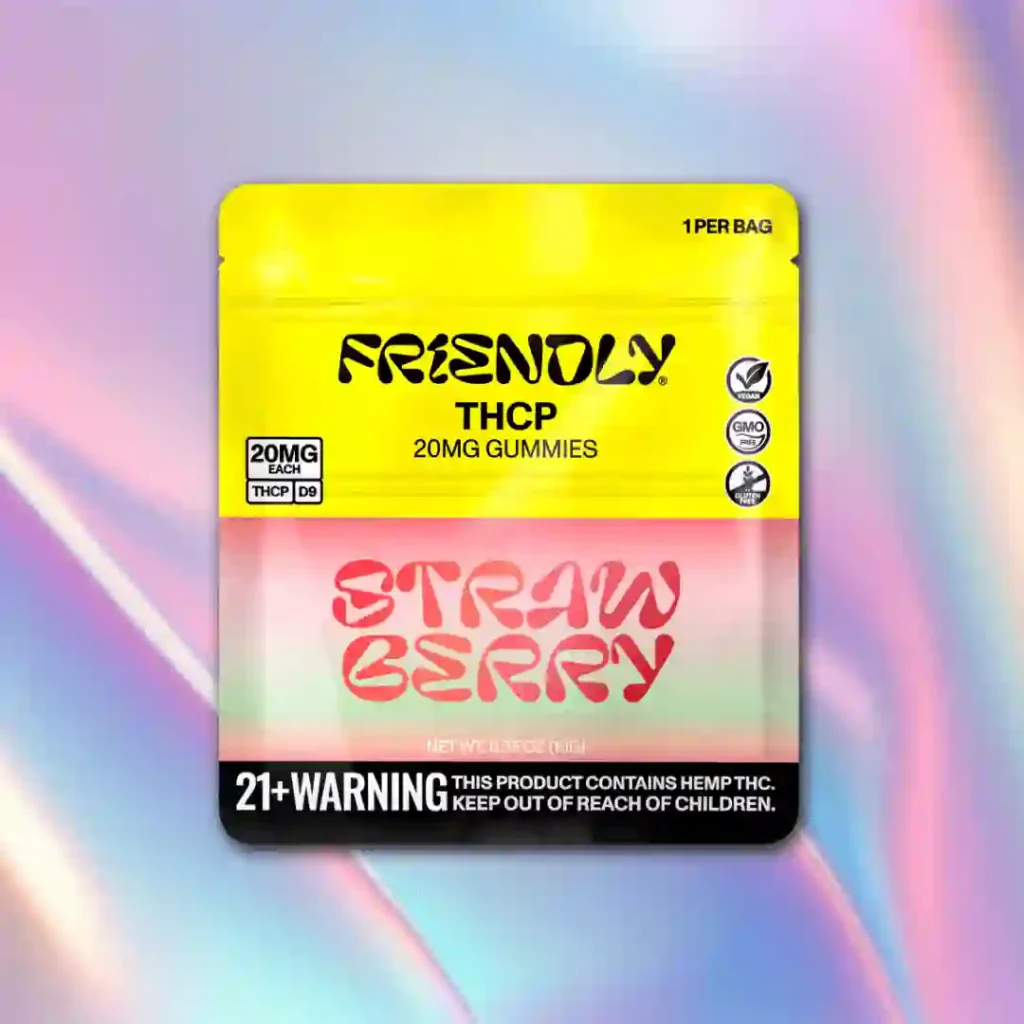
- THC-P Gummies: These are edibles that’re infused with pure THC-P, and also provide the longest-lasting effects (several hours).
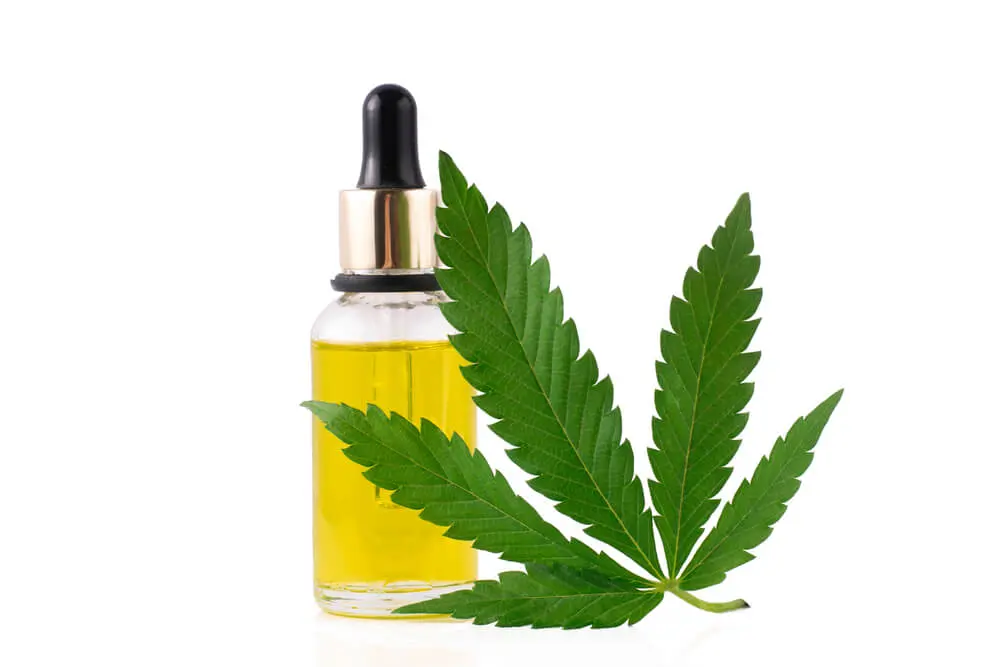
- THC-P Tinctures: Consist of THC-P distillate and a carrier oil (and sometimes flavoring), which’re absorbed below the tongue (sublingually).
How Does THC-P Interact with Other Cannabinoids?
When browsing online or at your local cannabis shop, you will see products that’re blended (have multiple cannabinoids). THC-P interacts with other cannabinoids in several ways, which can influence its effects, and here’s how:
- Enhanced Potency: THC-P’s interaction with other cannabinoids could be influenced by its strong binding ability, potentially amplifying the psychoactive effects when combined with THC.
- Entourage Effect: Like other cannabinoids, THC-P likely participates in the entourage effect, modifying or enhancing the effects of other cannabinoids in the cannabis plant. For example, in the presence of CBD or terpenes, THC-P’s intense psychoactivity might be modulated to create a more balanced effect. The effects of THC-P within a strain will also depend on the ratios and balances of other cannabinoids and terpenes. For example, a strain with a balanced ratio of THC and CBD might offer different effects when THC-P is also present, potentially intensifying the psychoactivity while CBD could modulate some of the intensity.
- Competition at Receptor Sites: Again, due to its strong affinity for CB1 receptors, THC-P might compete with other cannabinoids like THC or CBN for these binding sites. This could influence the efficacy and dominance of THC-P’s effects over other cannabinoids.
- Influence on Metabolism: THC-P might also affect the metabolism of other cannabinoids. Given its potent nature, THC-P could influence how quickly other compounds are processed and broken down in the body, possibly leading to extended or more intense effects.
- Therapeutic Implications: THC-P’s strong effects could enhance the therapeutic side of cannabis, especially in combination with cannabinoids that share its certain properties.
Note: Since the study of THC-P and its interactions with other cannabinoids is still in the early stages, much of the understanding of its effects and interactions comes from preliminary studies and theoretical extrapolations based on its chemical structure and the known mechanisms of other cannabinoids. As research continues, more detailed and specific information about tetrahydrocannabiphorol’s interactions will likely emerge, helping to better understand its role.
How Does THC-P Interact with Live Resin and Live Rosin?
Pertaining to THC-P’s interaction with live resin and live rosin, the dynamics are interesting due to the nature of these concentrates:
- Presence in Concentrates: THC-P is found in only very small amounts in cannabis plants. Because live resin and live rosin are made using fresh or frozen cannabis, they preserve a wide spectrum of cannabinoids, including rare ones like THC-P, although still in small quantities.
- Enhanced Effects through Concentration: The extraction processes used for making live resin (solvent-based) and live rosin (solventless, using heat and pressure) might concentrate THC-P along with other cannabinoids and terpenes. This could potentially enhance its effects due to higher concentrations than found in regular flower.
- Entourage Effect: Similar to other cannabinoids, THC-P in live resin and live rosin could also participate in the entourage effect. This effect refers to the synergistic interaction where cannabinoids and terpenes in cannabis work together to enhance each other’s effects. The presence of THC-P, even in small amounts, could therefore significantly alter the potency and character of the ‘high’ produced by these concentrates.
- Potency and Psychoactivity: Given THC-P’s reported higher potency compared to THC, its presence in live resin and live rosin could lead to a more intense psychoactive experience, assuming it’s decarboxylated and activated effectively during consumption (such as through vaping or dabbing).
Essentially, it is these variables that make THC-P, when combined with either live resin or live rosin, particularly appealing to users seeking a powerful and full-spectrum cannabis experience.
Does THC-P Cause Any Side Effects?
THC-P isn’t considered more potentially harmful than any other component of cannabis. And by now, lots of people have used it without reporting any concerning symptoms, based mainly on anecdotal evidence. Still, like most substances, tetrahydrocannabiphorol may cause side effects in some people, which luckily aren’t considered to be dangerous.
Just so we’re on the same page though, all cannabinoids are nontoxic, so your body can tolerate a surprising amount of them without major negative effects. Nevertheless, these possible mild and short-lived side effects can occur:
- Dry mouth
- Dry eyes
- Anxiety/paranoia
- Dizziness/lightheadedness
- Low blood pressure
- Increased heart rate
- Fatigue
- Confusion
- General impairment
If you’re concerned about certain potential side effects, or have experienced side effects that you find troublesome, it is best to speak with a medical professional who can provide more personalized advice and guidance.
What About Drug-Testing? Does THC-P Get Picked Up?
Most standard drug tests designed to detect cannabis use specifically look for THC, primarily its metabolite: THC-COOH. Since THC-P is a different compound, it’s unlikely that standard THC tests would directly detect THC-P. However, the presence of similar chemical structures and metabolites might lead to cross-reactivity in some testing methodologies.
Again, there is also less research and data on tetrahydrocannabiphorol compared to THC, including how it’s metabolized and detected in the body, meaning:
- Standard Tests may not be configured to detect THC-P specifically, focusing instead on THC and its metabolites.
- Comprehensive or Advanced Testing techniques, which can identify a broader range of substances, might be able to detect THC-P or its unique metabolites if they are specifically targeted.
If you have a drug test scheduled in the near future, wait to take THC-P, as there may be consequences to failing.
Give THC-P a Try for a Super-Powerful Cannabinoid Experience!
No doubt, THC-P is a cannabinoid that must be tried to be believed. Its intense potency can be possibly overwhelming for beginners, but at the end of the day, anyone with some THC experience can really find a lot to love about this relatively new discovery. Plus, you can give THC-P a try for yourself here at Friendly Hemp. Here, you will discover top-quality formulas that introduce tetrahydrocannabiphorol in numerous user-friendly ways.