What is Delta 8 THC? Everything You Need to Know!
In the rapidly evolving landscape of cannabis and cannabinoid research, Delta 8 THC has emerged as a prominent topic of discussion. Often overshadowed by its more famous cousin, Delta 9 THC, Delta 8 THC offers a unique set of properties and benefits that have garnered attention among consumers, researchers, and legal entities. Today, we’ll be providing a FRIENDLY guide, so that you can better understand Delta 8 THC.
What is Delta 8 THC?
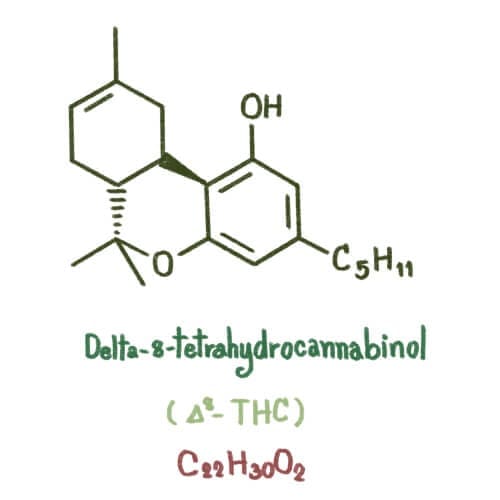
Delta 8 THC, or Delta-8-tetrahydrocannabinol, is a naturally occurring cannabinoid found in small concentrations within the cannabis plant. It’s an isomer of Delta 9 THC, the primary psychoactive component of cannabis, meaning they share the same chemical formula but have a slightly different structure. This minor variation in molecular structure leads to notable differences in their effects and legal status.
Delta 8 THC is typically found in lower concentrations in cannabis plants compared to Delta 9 THC. However, through advanced extraction and conversion processes, it is possible to produce Delta 8 THC in larger quantities, making it more accessible for consumer products. You see, even though Delta 8 is a type of THC that can be derived from hemp – or sometimes – from CBD, and while it exists at rates at less than 1%, it can be extracted and concentrated using scientific processes.
Delta 8 is reported to be slightly less potent than Delta 9, with calming properties. Delta 8 THC is extremely popular with CBD and THC users alike due to its technical federal legality and the fact that in most states you can have it shipped right to your door.
Delta 8 THC’s History
The discovery and research of Delta 8 THC can be traced back to the early 20th Century when scientists began to isolate and study various cannabinoids.
1940s – 1960s: Early Cannabinoid Research
- In the 1940s, Roger Adams and his team at the University of Illinois were among the first to isolate and synthesize cannabinoids, including Delta 9 THC and cannabidiol (CBD). Delta 8 THC was identified as a cannabinoid isomer, differing from Delta 9 THC by the location of a double bond in its molecular structure.
- Raphael Mechoulam, an Israeli chemist, further advanced cannabinoid research in the 1960s. He is credited with the first complete synthesis of Delta 9 THC in 1964, which laid the groundwork for subsequent research on other cannabinoids, including Delta-8 THC.
1970s: Initial Studies on Delta 8 THC
- During the 1970s, researchers began to explore the pharmacological properties of Delta 8 THC. Studies indicated that Delta 8 THC had psychoactive effects similar to Delta 9 THC but was considered to be less potent.
- Early research also suggested potential therapeutic benefits of Delta 8 THC, including antiemetic (anti-nausea) properties, making it a subject of interest for medical applications.
1980s – 1990s: Limited Research and Legal Status
- Throughout the 1980s and 1990s, research on Delta 8 THC remained limited, overshadowed by the focus on Delta-9 THC and other major cannabinoids. The legal status of cannabinoids, heavily influenced by the war on drugs, restricted extensive research.
- The Controlled Substances Act of 1970 classified all forms of THC as Schedule I substances, which imposed strict regulations and made research more challenging.
2000s: Renewed Interest and Legal Ambiguities
- In the early 2000s, there was a resurgence of interest in cannabinoids due to the increasing acceptance of medical marijuana. Researchers revisited minor cannabinoids, including Delta 8 THC, for their potential therapeutic benefits.
- The U.S. 2018 Farm Bill legalized hemp (cannabis with less than 0.3% Delta 9 THC), creating legal ambiguities around cannabinoids derived from hemp. This legislative change paved the way for the commercial production of Delta 8 THC, as it could be derived from hemp-derived CBD through chemical processes.
2010s – 2020s: Rise of Delta 8 Products
- The 2018 Farm Bill led to a proliferation of Delta 8 products in the market. Delta 8 THC became popular for its milder psychoactive effects compared to Delta 9 THC, attracting consumers seeking a less intense high.
- By the early 2020s, Delta 8 products became widely available in states where cannabis is either legalized or where hemp-derived products are permitted.
- The rapid growth of the Delta 8 market prompted concerns from regulatory agencies such as the U.S. Food and Drug Administration (FDA) and the Drug Enforcement Administration (DEA). These agencies raised issues regarding the safety, quality, and labeling of D8 products.
- In 2021, the DEA clarified that Delta 8 THC synthesized from hemp-derived CBD is considered a controlled substance if it is produced through chemical synthesis, potentially placing it under the jurisdiction of the Controlled Substances Act.
- As of 2024, the legal status of Delta 8 THC varies across different states in the U.S., with some states banning its sale and others allowing it under specific regulations. The federal stance remains ambiguous, with ongoing debates about its classification and regulation.
The Science Behind Delta 8 THC: How Does Delta 8 Work With the Human Body?
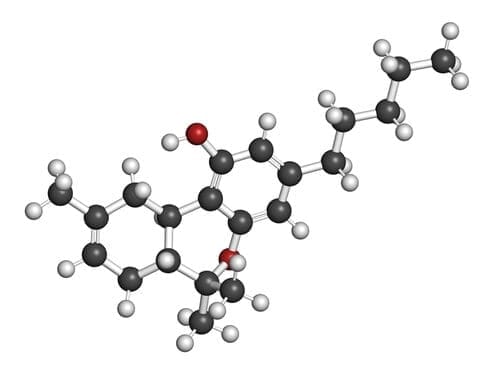
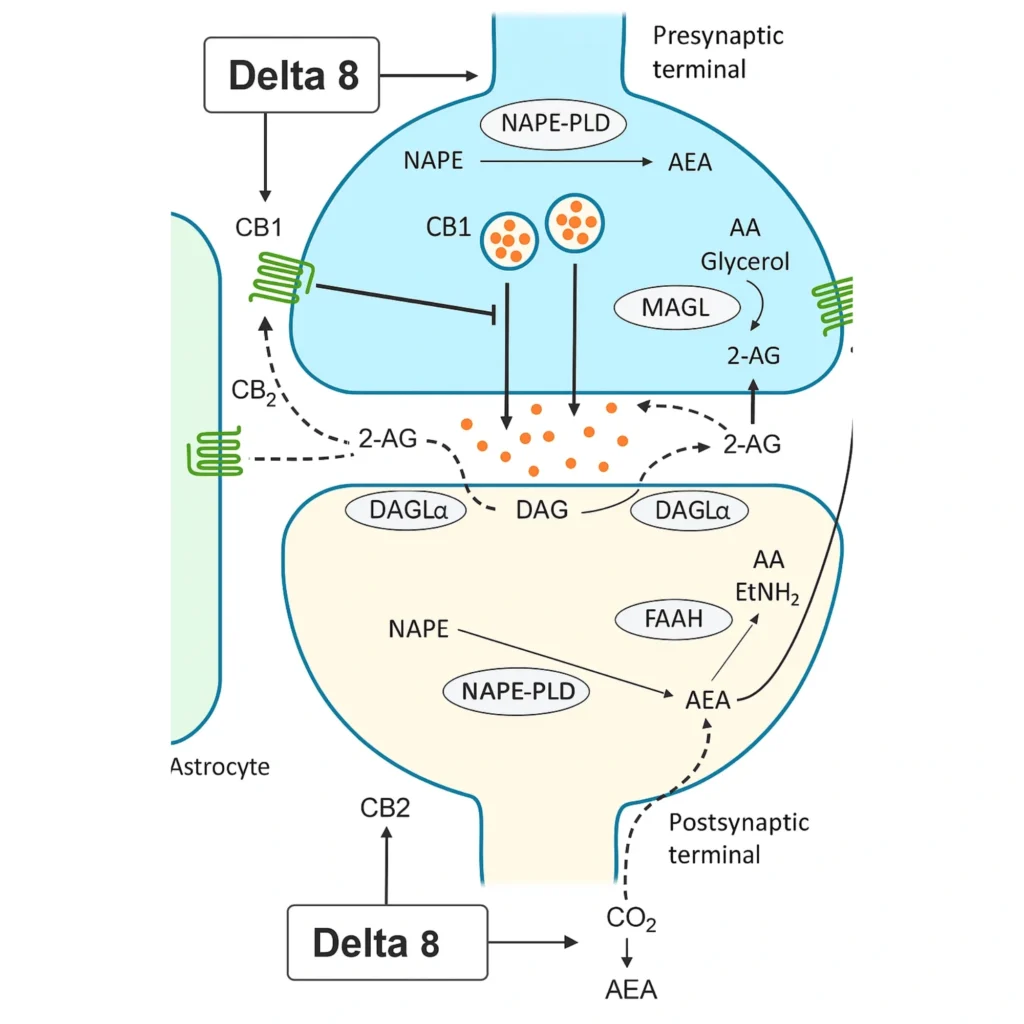
Delta 8 THC binds to the endocannabinoid receptors in the brain, specifically the CB1 receptors. Additionally, Delta 8 has an affinity for CB2 receptors, although less is known about this binding mechanism. Anyways, these receptors are part of the body’s endocannabinoid system (ECS), which has a crucial role in regulating various physiological processes, including:
- Sleep
- Appetite
- Brain function/memory
- Metabolism
- Mood
- Inflammation
- Chronic pain
- And more…
The interaction between Delta 8 THC and the ECS is what leads to its psychoactive and therapeutic effects. Essentially, the ECS sends signals to the rest of your body in order to process these functions.
Now, the key difference between Delta 8 and Delta 9 THC lies in their chemical bonds. Delta 8 THC has a double bond on the eighth carbon chain, whereas Delta 9 THC has this bond on the ninth carbon chain. This slight difference alters the way these cannabinoids interact with the ECS, resulting in distinct effects and potency levels.
For the scientific explanation, just follow this link.
Because Delta 8 is thought to bind with the ECS, we can safely assume that it has some influence over the effects we feel while consuming it.
Delta 8 THC vs. CBD
While both Delta 8 THC and CBD are cannabinoids found in the hemp plant, the primary difference is that Delta 8 will appear on a drug test and CBD will not. However, many of the reported user benefits, like improved sleep, reduced pain, and improved mood are similar. While CBD works quietly in the background, Delta 8 may work faster, allowing you to feel its effects almost instantly.
Delta 8 THC vs. Delta 9 THC vs. Delta 10 THC
Delta 9 is the most common form of THC. Delta 8 and Delta 10 THCs are minor cannabinoids and can be extracted through scientific processes. More research needs to be completed in order to derive accurate conclusions to compare the three varieties. But here’s a summary of what we’ve learned so far:
Delta 8 THC
Chemical Structure and Source:
- Delta 8 THC (Δ8-THC) is an isomer of Delta 9 THC.
- It is found in small amounts in cannabis plants and is often synthesized from CBD or Delta 9 THC.
Effects:
- Produces a milder psychoactive effect compared to Delta 9 THC.
- Users report a more clear-headed high with less anxiety and paranoia.
- Can provide relief from pain, nausea, and anxiety.
Legality:
- Its legality varies by state and country.
- Federally, Delta 8 THC is in a legal gray area in the United States due to the 2018 Farm Bill, which legalized hemp-derived cannabinoids. However, some states have specifically banned it.
Delta 9 THC
Chemical Structure and Source:
- Delta 9 THC (Δ9-THC) is the most abundant and well-known cannabinoid in cannabis.
- It is naturally present in significant amounts in the cannabis plant.
Effects:
- Produces strong psychoactive effects or the “high” associated with cannabis use.
- Can lead to euphoria, altered sensory perception, relaxation, and increased appetite.
- May cause side effects like anxiety, paranoia, dry mouth, and red eyes.
Legality:
- It is classified as a Schedule I controlled substance in the United States, making it illegal federally.
- Some states have legalized it for medical or recreational use.
Delta 10 THC
Chemical Structure and Source:
- Delta 10 THC (Δ10-THC) is another isomer of Delta 9 THC.
- It is found in trace amounts in cannabis and is usually synthesized from CBD or Delta 9 THC.
Effects:
- Known for producing a mild, uplifting, and energizing effect.
- Users report less intense psychoactive effects compared to Delta 9 THC.
- Often described as providing a more cerebral high.
Legality:
- Like Delta 8 THC, Delta 10 THC exists in a legal gray area in the United States.
- Its legality depends on state laws and its derivation process.
To Summarize All 3 Cannabinoids:
- Delta 8 THC: Milder psychoactive effects, less anxiety, varying legality.
- Delta 9 THC: Strong psychoactive effects, widely known, federally illegal but state-dependent legality.
- Delta 10 THC: Mild, energizing effects, legal gray area.
Most Frequently Asked Questions About Delta 8 THC
There are customers who do have questions about this cannabinoid, so we came up with some most frequent FAQs:
Question #1: What Does Delta 8 Feel Like?
Delta 8 can feel very different from a traditional Delta 9 high. Most users report the following effects when taking Delta 8:
- A calm, clear-head with a relaxed mind.
- Improved sleep quality
- Improved, positive mood
- Creative and giggly
- Increased appetite
Question #2: Does Delta 8 Make You Feel Sleepy?
The effects of Delta 8 will vary from person to person. However, Delta-8, when consumed as an edible or in larger doses from a vape cartridge, may help users fall asleep, stay asleep, and wake up well rested. There is some evidence through studies at the National Library of Medicine which list Delta-8 THC as a pain reliever (analgesic) which may assist with relaxation into sleep. Additionally, many users report Delta-8 as having relaxation properties.
Question #3: Does Delta 8 Make You Feel Hungry?
Yes, Delta 8 can make you feel hungry. Why? Delta 8 is an appetite-stimulating analogue of tetrahydrocannabinol (or THC). Of course, this depends on the amount you smoke (vapes) or consume (edibles), but Delta 8 has been reported to stimulate your appetite, in some cases, even more than Delta 9.
Question #4: Will Delta 8 Show Up on a Drug Test?
Delta 8, even when derived from hemp, is a Tetrahydrocannabinol–or as most of us know it: THC. That means it will appear on a drug test in the same way Delta 9 would. That’s because drug tests only test for the presence of THC, not its origin. So even if your source of THC is federally legal, a drug test won’t be able to tell that it is Delta 8 you used, not Delta 9.
Question #5: Is Delta 8 Legal?
Delta 8, technically, is federally legal. However, some states have outlawed the sale of this product. This is always changing so please check your states regulation of this product.
Question #6: What are Some of the Cons of Delta 8?
We’d like to think the good outweighs the bad. But transparency is important. Some people may not view an increase in appetite as a positive side effect. Some of the other reported cons of Delta 8 might include:
- Dry mouth (or cotton mouth)
- A varied tolerance and/or experience from Delta 9
- Difficulty dosing the edible for your desired result (for example, you may want to take less if you want to feel less sleepy)
- Delayed onset (with edibles)
Question #7: Where is Delta 8 Available?
If your state hasn’t outlawed Delta 8, the good news is that you can order Delta 8 products online and have them shipped right to your door. It’s also possible that retailers have Delta 8 available for purchase at your local shop.
Question #8: What Types of Delta 8 Products are There?
Delta 8 products come in a variety of forms, each catering to different preferences and methods of consumption. Here are some common types:
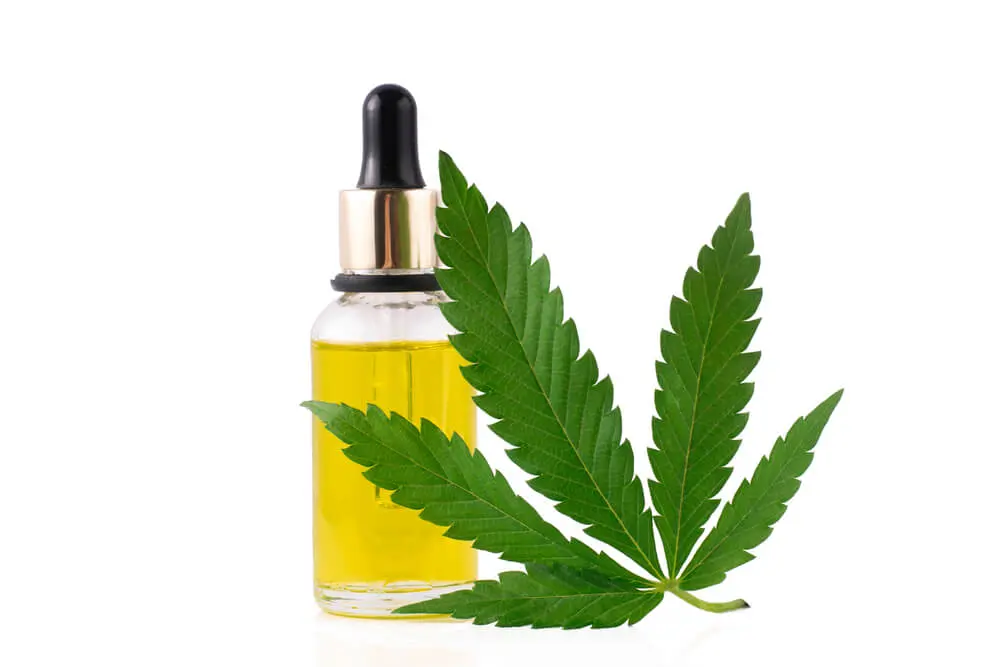
- Delta 8 Tinctures: These are liquid extracts that are usually administered under the tongue for quick absorption. They come in various flavors and strengths.
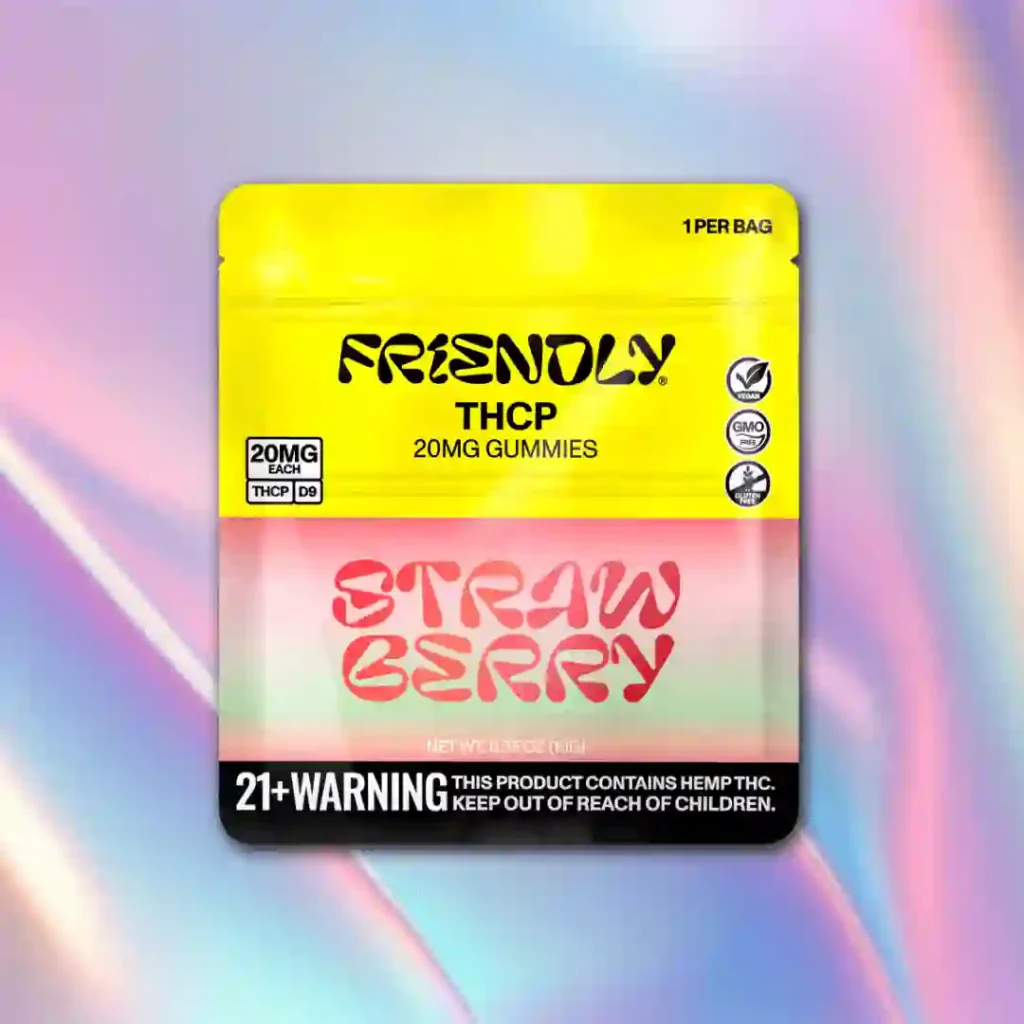
- Delta 8 Edibles: These include gummies, candies, chocolates, and baked goods. Edibles are popular for their convenience and long-lasting effects.
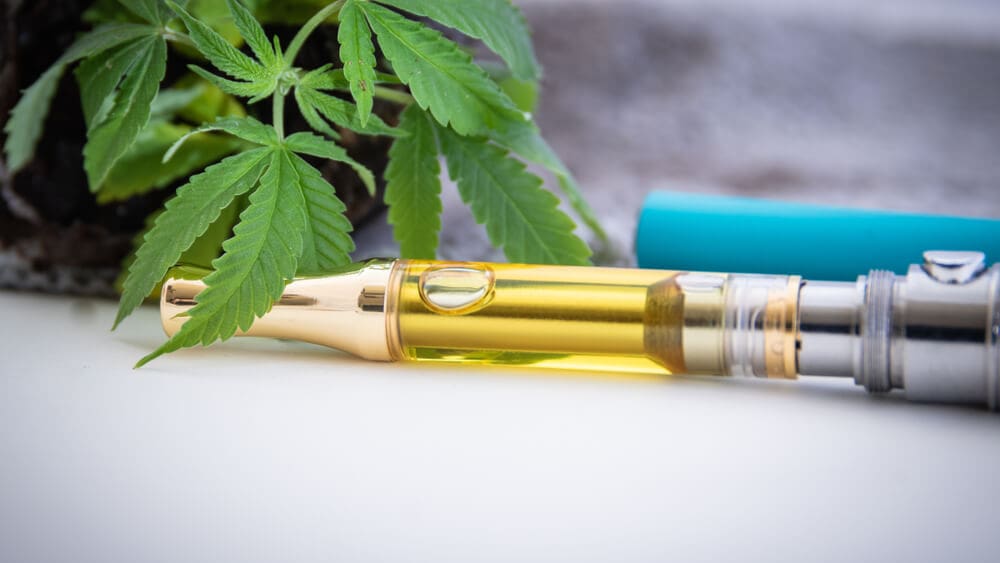
- Delta 8 Vapes: Vape cartridges and disposable pens are available for those who prefer inhalation. These offer fast-acting effects and come in various flavors and strains.
- Delta 8 Capsules/Softgels: Capsules and softgels provide a discreet and precise way to consume delta 8 THC, similar to taking a vitamin or supplement.
- Delta 8 Distillates: These are highly concentrated forms of Delta 8 THC that can be used in dabbing or added to other products like edibles and tinctures.
- Delta 8 Flower: Hemp flower infused with Delta 8 THC is available for smoking or vaporizing. It provides a more traditional method of consumption for those who enjoy the experience of smoking.
- Delta 8 Topicals: Creams, balms, and lotions infused with Delta 8 THC are available for localized relief and skincare benefits.
- Delta 8 Beverages: Drinks infused with Delta 8 THC, such as seltzers and teas, offer a refreshing way to consume the compound.
Each product type/delivery method provides a different experience and duration of effects, allowing consumers to choose the option that best suits their needs and preferences.
Question #9: What to Look For Before Buying a Delta 8 Product
With so many new Delta 8 products and companies emerging on the market it can be tempting to hit ‘buy’ on the first website that catches your eye. But not all Delta 8 products are created equal. It’s critical that you research the company before buying your product. Here are some tips on what to look for:
- Source of Hemp: Ensure the hemp used is sourced from reputable farms, ideally within the United States, as they adhere to strict agricultural guidelines.
- Independent Lab Testing: Part of that trust comes from transparency. Independent lab testing for products should be freely available and accessible from any commercial site that you decide to purchase from. Independent (or third-party) lab testing should not just show you how much THC is in your product – and the type of THC – but also whether there are harmful chemicals present in the product. Basically, these tests should check for potency, purity, and the absence of harmful substances like pesticides, heavy metals, and solvents.
- Certificate of Analysis (COA): Verify that the product comes with a COA, which details the cannabinoid profile and confirms the product contains the advertised amount of Delta 8 THC. The COA should also show results for contaminant testing.
- Ingredients: Check the list of ingredients to ensure there are no unwanted additives or fillers. Ideally, the product should contain natural ingredients and be free from artificial flavors or colors. Commercially-purchased Delta 8 products will usually list Delta 8 THC and/or plant-derived Terpenes on the label.
- Brand Reputation & Reviews: Research the brand’s reputation. Look for customer reviews (always be sure to read through the product reviews), testimonials, and ratings. Established brands with positive feedback are usually more reliable.
- Extraction Method: Prefer products that use safe extraction methods, such as CO2 extraction, which is known for being clean and effective.
- Product Type and Dosage: Determine the type of product (e.g., edibles, tinctures, vape cartridges) and ensure it matches your preferences. Pay attention to the dosage and start with a lower dose if you’re new to D8.
- Legal Compliance: Ensure the product complies with local laws and regulations. Delta 8 THC is not legal in all states or countries, so check the legal status in your area.
- Transparency: Brands that are transparent about their processes, sourcing, and testing are more trustworthy. They should readily provide information about their products and practices.
- Customer Support: Good customer support can be an indicator of a reliable company. Look for brands that offer easy ways to contact them for any questions or issues.
By considering these above factors, you can make a more informed decision and choose a Delta 8 product that can effectively meet your needs and goals.
Question #10: How Should I Store My Delta 8 Products?
Proper storage for your Delta 8 product(s) is crucial, and here’s how you would go about doing so the right way:
- Storing Your Delta 8 Vape Cart: If you can, we highly recommend you store it vertically (standing straight up) to help prevent clogs. Also, it helps to store your Delta 8 vape cart at room temperature and away from direct sunlight.
- Storing Your Delta 8 Disposable Vape Pen: Just like how you would store your vape cart. If your vape pen comes with a cap or cover, use it. This prevents dust and debris from getting into the mouthpiece. If you’ve a protective case, use it to prevent physical damage to the vape pen.
- Storing Your Delta 8 Gummies, Capsules, Tinctures, Distillates, Topicals, and Beverages: We highly recommend keeping your products in their original sealed containers for the best results. Store in a cool dry place and try to avoid extreme temperature changes. For gummies, especially, you will want to avoid overly humid or moist environments.
- Storing Your Delta 8 Flower: Mason jars or other airtight glass containers are ideal. Glass doesn’t affect the taste and helps maintain humidity. Vacuum-Sealed Bags are also excellent for long-term storage as they prevent air from entering. Store your Delta 8 flower in a cool place, ideally between 60°F -70°F (15°C -21°C). Avoid areas with fluctuating temperatures. Keep it away from direct sunlight, heaters, or any heat-generating appliances. Use humidity control packs (such as Boveda or Integra Boost) to maintain optimal humidity levels (around 55%-62%). This prevents the flower from becoming too dry or too moist. Of course, you should store your Delta 8 flower in a dark and dry place, too.
Wondering if Delta 8 THC is right for you? We love our product. A lot. (And we think you will too). Give us a try today.
You must be logged in to post a comment.
More Similar Posts