The Role of Lab Testing in Validating Legit Delta 8 Products
Ever bought a Delta 8 product and wondered if what’s on the label is really what’s inside? That’s a common worry for customers today, and for good reason. A recent U.S. study found that more than 50% of Delta 8 products contained inaccurate Delta 8 levels or even illegal amounts of Delta 9 THC, raising serious concerns about safety and transparency. This is where lab testing steps in.
It’s not just about checking a box for compliance, but also about protecting consumers and building trust. Whether you’re just trying cannabis for the first time or you’ve been using it for years, lab validation ensures the Delta 8 products you choose are truly legit.
What Is Lab Testing for Delta 8?
Third-party lab testing simply refers to the process by which independent laboratories analyze Delta 8 products for their potency, purity, and the presence of contaminants. These labs issue Certificates of Analysis (COAs) that give transparent insight into a product’s contents and safety profile. A COA is your proof that a product isn’t just marketing, it’s verified.
What Areas Does Lab Testing Cover?
To see the full picture, you need to know exactly what a Delta 8 lab test checks for.
- Potency Verification: Confirms that Delta 8 concentration matches the label and ensures compliance (for example, remains below 0.3% Delta 9 THC). Many products fail this test; 68% of items in one report were mislabeled.
- Purity Checks: Ensures that no harmful residues, such as solvents, remain from the extraction process.
- Contaminant Screening: Tests for heavy metals, pesticides, and microbes that pose health risks.
- Consistency: Checks that batch-to-batch quality is reliable, supporting a predictable experience for returning customers.
Why Does Lab Testing Matter for Legit Delta 8 Products?
You might wonder why so much emphasis is placed on lab results. The answer lies in consumer protection and brand credibility.
- Lab testing strengthens consumer trust through transparency, letting users know exactly what they’re consuming.
- Reliable testing means informed choices, both for first-timers and loyal customers.
- It also helps ensure adherence to cannabis regulations, protecting your brand’s reputation with verified legitimacy.
- In industries rife with inconsistency, lab reports are your badge of quality.
How to Read and Verify a Lab Report (COA)?
If you’ve ever glanced at a Certificate of Analysis (COA), it might look like a jumble of scientific terms and numbers. But the truth is, it’s not as complicated as it seems, and knowing how to read it can save you from buying something that isn’t legit. Think of the COA as your product’s “report card,” showing you exactly what’s inside. Here’s how to break it down step by step:
Check the Cannabinoid Profile
This section shows the levels of cannabinoids like Delta 8 and Delta 9 THC. Why does it matter? Because by law, cannabis products must contain less than 0.3% Delta 9 THC on a dry-weight basis.
If a COA shows anything higher, that product isn’t compliant. Additionally, the Delta 8 percentage listed here should line up with what’s on the label. If the label says 25 mg but the COA shows only 10 mg, that’s a red flag.
Review the Contaminant Results
Safety is just as important as potency. A reliable Delta 8 lab test will screen for pesticides, heavy metals like lead & arsenic, residual solvents left over from extraction, and harmful microbes. These aren’t just technical details; they are real risks.
For example, the FDA notes that contaminants in cannabis products can cause serious health issues, especially for vulnerable groups like children or people with compromised immune systems.
Look for the Lab Accreditation and Test Date
The lab that conducted the test should be accredited. ISO 17025 is the gold standard. This ensures the lab follows strict testing protocols. Also, check the test date. A COA that’s two years old doesn’t tell you much about the safety of the batch you’re holding today. Fresh results mean fresh assurance.
[Note: ISO 17025 is the international standard for testing & calibration laboratories.]
Confirm Accessibility
Legit brands don’t hide their COAs. They display them on their websites or even include QR codes on packaging. If you have to chase down a report, it’s worth questioning why. A COA isn’t just paperwork; it’s your peace of mind. Once you know how to read one, you’ll feel much more confident about what’s really in your product.
How Does Lab Testing Help Identify Trustworthy Brands?
Brands that prioritize accurate test lab results demonstrate a commitment to quality and transparency. It’s more than just compliance, as it positions you as a responsible leader in cannabis wellness. By openly sharing COAs and educating customers, you build trust, loyalty, and a stronger brand identity. Transparency reinforces your message that your products are safe, clean, and worth returning for.
What Are Some Additional Insights About Lab Testing?
Beyond the basics, there are a few broader issues worth paying attention to when it comes to cannabis testing. These insights highlight why lab reports are more than just numbers. They’re a safeguard for everyone.
Uniform Standards are Still Missing
Right now, the U.S. doesn’t have federal oversight for Delta 8 testing, which means rules vary from state to state. That patchwork system creates confusion for both brands and consumers. According to legal reviews, inconsistent cannabis testing can lead to disputes and recalls, making a strong case for nationwide standards that would benefit everyone, from regulators to everyday shoppers.
Packaging Can Be Misleading
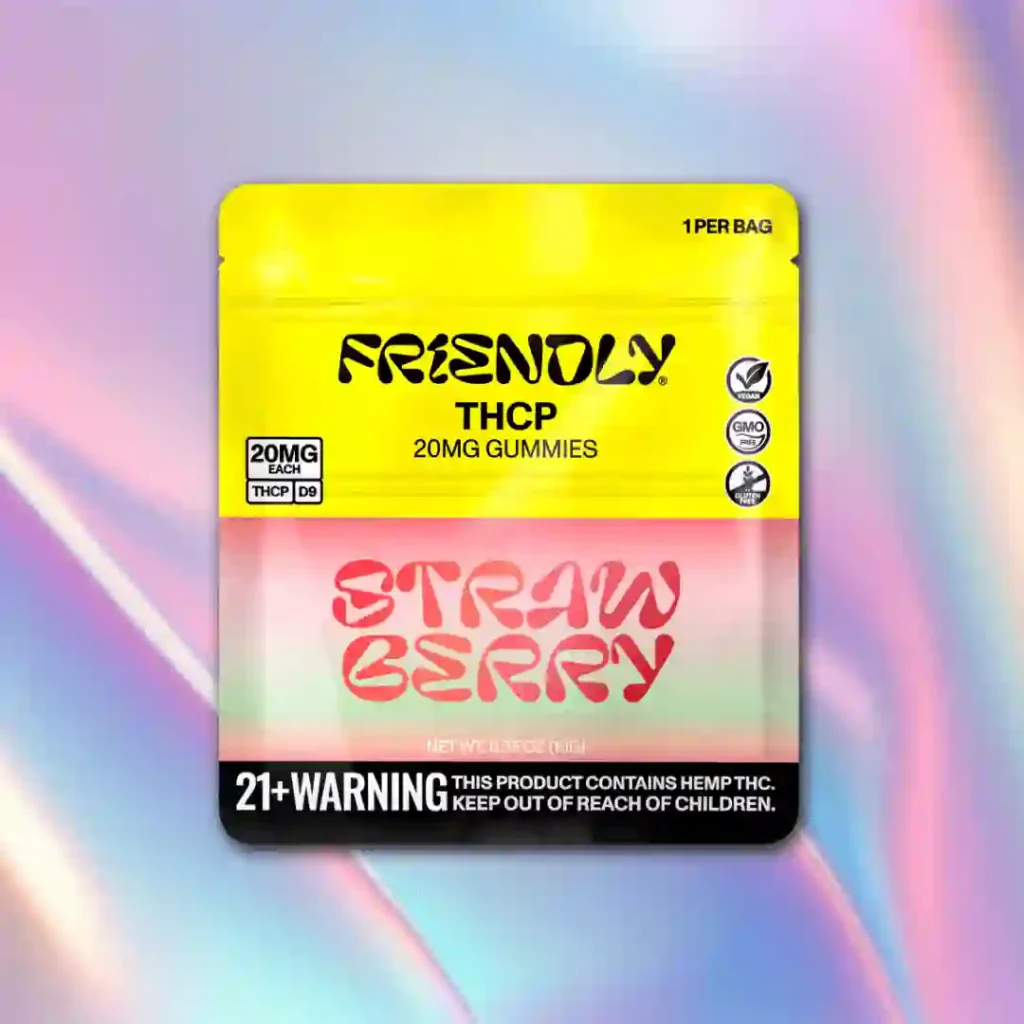
In 2023, the FDA issued a warning about Delta 8 edibles being packaged to look like popular snacks for kids. The concern isn’t hypothetical because children have ended up in emergency rooms after accidental ingestion. When brands combine proper lab testing with responsible packaging, it significantly reduces these risks.
Children’s Safety Is a Growing Concern
Data from poison control centers showed that reports of Delta 8 exposures among children rose nearly 80% between 2021 and 2022. That’s a huge jump, and it underscores why accurate test lab results matter. If products are free from contaminants, properly labeled, and kept out of the wrong hands, parents can feel more confident about safety in their households.
Conclusion
The role of lab testing in validating legit Delta 8 products is simple yet vital: it ensures accuracy, safety, and trust, fueling growth in the cannabis wellness space. At Friendly Hemp, we make it our promise to you that we always partner with labs known for their credibility and transparency in sharing results. We’re committed to raising the bar for quality in the industry. Contact us to get your Delta 8 gummies or vape today!
You must be logged in to post a comment.
More Similar Posts