Is Delta 8 Synthetic or Natural? What You Need to Know
Shopping for hemp products can sometimes feel confusing. Customers often come across Delta 8 THC gummies, vapes, or oils and wonder: Is this compound natural, or is it synthetic? The uncertainty stems from conflicting information online and the fact that Delta 8 doesn’t always appear in hemp in large amounts. For many, this raises concerns not just about legality but also about quality and safety.
That’s why the question “Is Delta 8 Synthetic or Natural?” is so important. Understanding how Delta 8 is formed, where it comes from, and how products are made helps clear the confusion. In this article, we’ll break down the science in simple terms, separate myths from facts, and explain what this means for consumers looking for safe, trustworthy hemp products.
What Is Delta 8 THC?
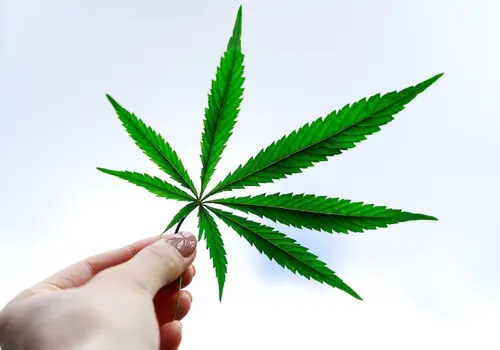
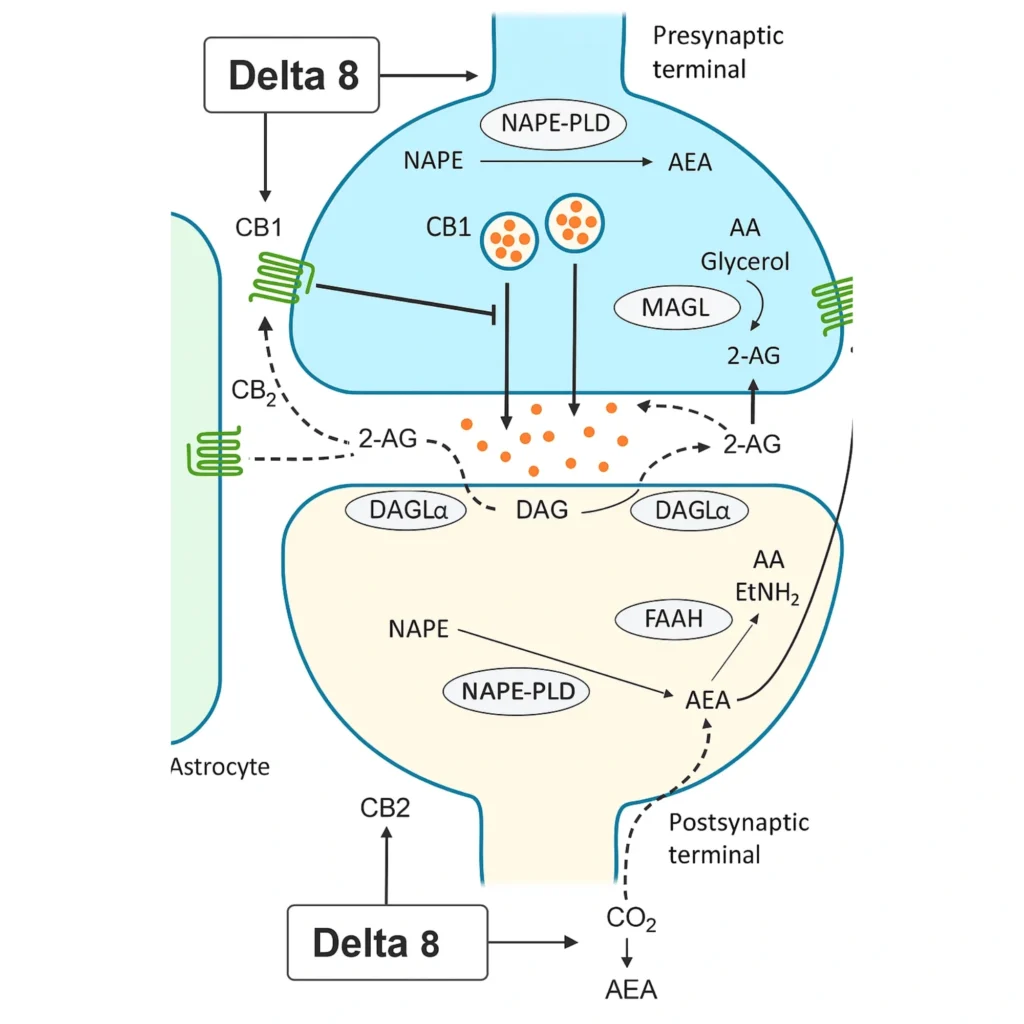
Delta 8 THC (Δ⁸-THC) is one of the many cannabinoids that naturally occur in hemp and cannabis, similar in structure to Delta 9 but with a slightly different double-bond placement, making Δ⁸ a bit more stable and shelf-friendly. Although it’s naturally present, hemp only contains it in minuscule amounts.
Delta 8 in Nature
Delta 8 THC is a naturally occurring cannabinoid, but in very small amounts. Hemp plants contain dozens of cannabinoids, including Delta 8 and Delta‑9 THC; however, Delta 8 typically appears at less than 0.1% of the dry weight. Because these levels are so low, naturally extracting Delta 8 in significant amounts isn’t practical for manufacturing.
How Delta 8 Is Typically Made?
To create usable quantities, most Delta 8 is produced through a process that converts CBD into Delta 8 in a lab setting. This is a controlled chemical reaction using hemp-derived CBD, known as semisynthesis. While this involves lab steps, it doesn’t make Delta 8 synthetic in the “artificial chemical” sense. Instead, it’s a refinement rooted in natural hemp compounds.
Is Delta 8 Really Synthetic or Natural? Clearing Misconceptions
One of the biggest sources of confusion around Delta 8 is the word synthetic. When people hear it, they often think of dangerous substances like K2 or “Spice,” which are man-made chemicals designed to mimic cannabinoids but created entirely from scratch. These are known as non-classical synthetic cannabinoids; they have no natural origin in the hemp plant and are associated with health risks.
Delta 8, however, is very different. Chemists classify it as a classical cannabinoid, meaning it naturally exists in hemp, even if only in trace amounts. To make it commercially available, producers typically use a refinement process that converts CBD into Delta 8. This conversion happens in a controlled lab environment, but it still starts with a natural hemp compound rather than a lab-only formula.
Here’s the key distinction:
- Synthetic cannabinoids (like Spice/K2): Completely lab-made, no plant source, often harmful.
- Delta 8 THC: Naturally occurring in hemp, refined through conversion of CBD, hemp-derived in origin.
So while Delta 8 does involve a laboratory process to become widely accessible, that doesn’t make it “synthetic” in the harmful or unnatural sense. Instead, it’s best understood as a hemp-derived cannabinoid that is made practical for consumers through refinement. This distinction helps explain why Delta 8 products are very different from unsafe synthetics and why lab testing is essential to ensure the process is clean, compliant, and reliable.
Why Is Lab Testing Important for Delta 8?
Understanding this distinction is more than academic; it’s practical. Knowing that Delta 8 comes from hemp and is produced using CBD helps you appreciate why lab testing is so essential.
- Lab testing confirms the purity of the final Delta 8 product, ensuring it’s free from harmful byproducts created during conversion.
- Reliable Certificates of Analysis (COAs) also show Delta 8 potency and any residual solvents or contaminants, giving you confidence in what you’re consuming.
- This reassures customers who ask Is Delta 8 safe by making sure the process was clean, transparent, and compliant.
What Should Consumers Know Before Buying Delta 8?
For everyday buyers, understanding whether Delta 8 is synthetic or natural directly impacts how they choose products and the confidence they feel in using them. Here’s what you should take away:
- Delta 8 is natural in origin, derived from hemp.
- The mainstream production process uses CBD conversion, which is how we get enough Delta 8 to make products.
- To answer “is Delta 8 synthetic or natural?”, it’s best described as naturally derived with lab-assisted refinement.
- This makes lab testing even more critical, helping confirm safety, purity, and compliance across Delta 8 products.
Why Does the Production Method Matter for Delta 8?
The way Delta 8 is produced plays a major role in its quality and safety, making the manufacturing process just as important as the cannabinoid itself.
- Because Delta 8 is made through chemical conversion, quality varies depending on production standards. Third-party testing ensures products meet expectations.
- You can trust Delta 8 THC products more when they come from companies committed to transparency, safety, and regulatory compliance.
- A reliable process paired with clear testing answers the question Is Delta 8 safe with confidence, not guesswork.
Conclusion
So, is Delta 8 synthetic or natural? It’s a natural cannabinoid found in hemp, refined and concentrated from CBD, but not manufactured from scratch in a way that makes it “synthetic.” The best way to stay confident is to choose products that come with verified lab results, proving they’re clean and dependable.
At Friendly Hemp, we value transparency, safety, and quality. We offer only lab-tested Delta 8 products you can trust, because knowing your products are responsibly refined from natural hemp makes all the difference. Contact us today!
You must be logged in to post a comment.
More Similar Posts