What Kind of Drug Tests Detect Delta 8 THC?
Ever get that sinking feeling before a test, not the school kind, but a drug test, when you’ve recently enjoyed some Delta 8? A lot of people aren’t sure how drug tests detect Delta 8 THC or if it even shows up at all. That uncertainty can be stressful, especially if you use hemp products regularly and want to avoid surprises.
In this guide, we’ll walk you through the exact types of tests that can flag Delta 8, how each one works, and what might influence your results, so you know what to expect before you ever face the testing room.
What Is Delta 8 THC?
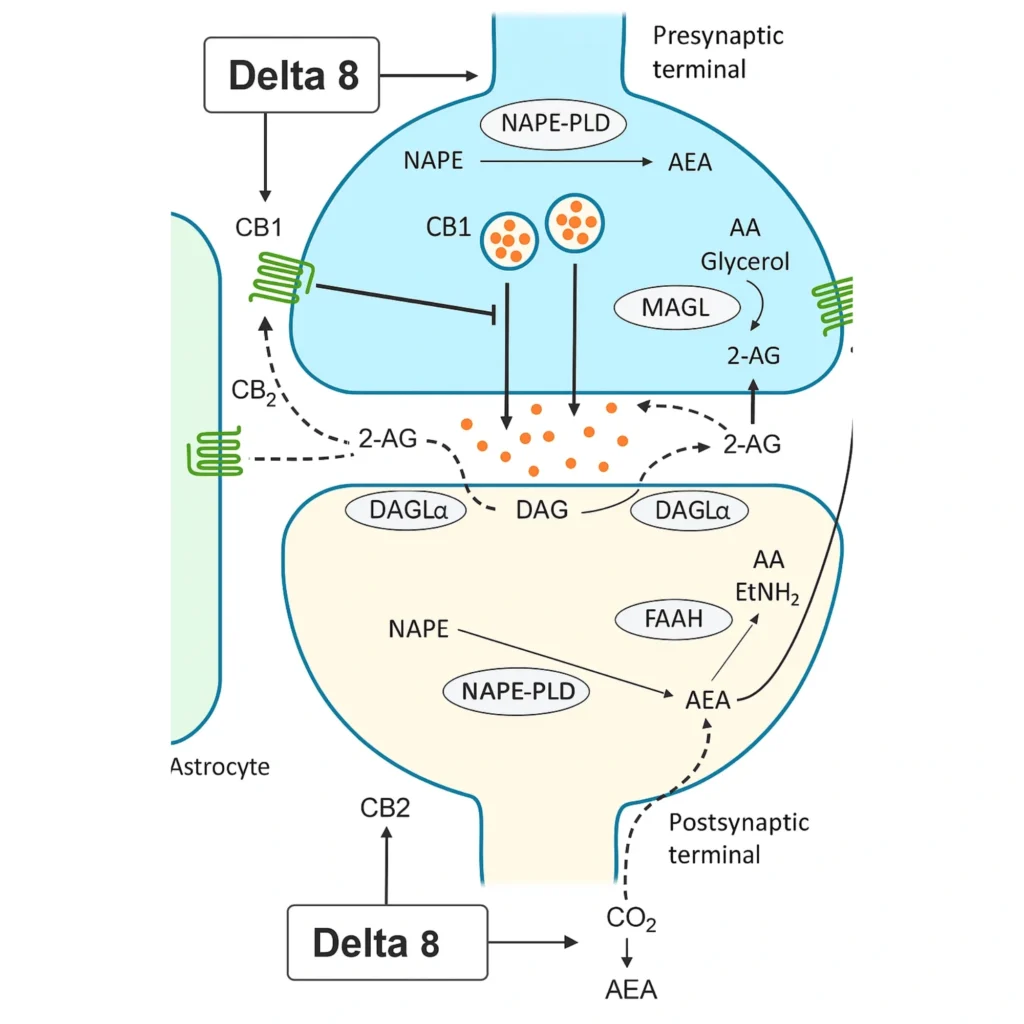
Delta 8 THC is a hemp-derived cannabinoid with psychoactive effects similar to Delta 9 THC, just a bit milder. It’s become popular due to its often legal status and gentle effects. Structurally, Delta 8 resembles Delta 9, meaning drug tests typically can’t tell them apart.
How Drug Tests Work for THC?
Drug tests don’t typically target Delta 8 directly. Instead, they look for THC metabolites, particularly THC-COOH, that result from metabolizing any THC variant. Because Delta 8 and Delta 9 both produce the same metabolite, standard tests will usually flag Delta 8 just like Delta 9.
Common Drug Tests That Can Detect Delta 8 THC
When it comes to drug tests that detect Delta 8 THC, several types of screenings can pick it up. Here’s a quick breakdown of the most common ones and what you should know about each:
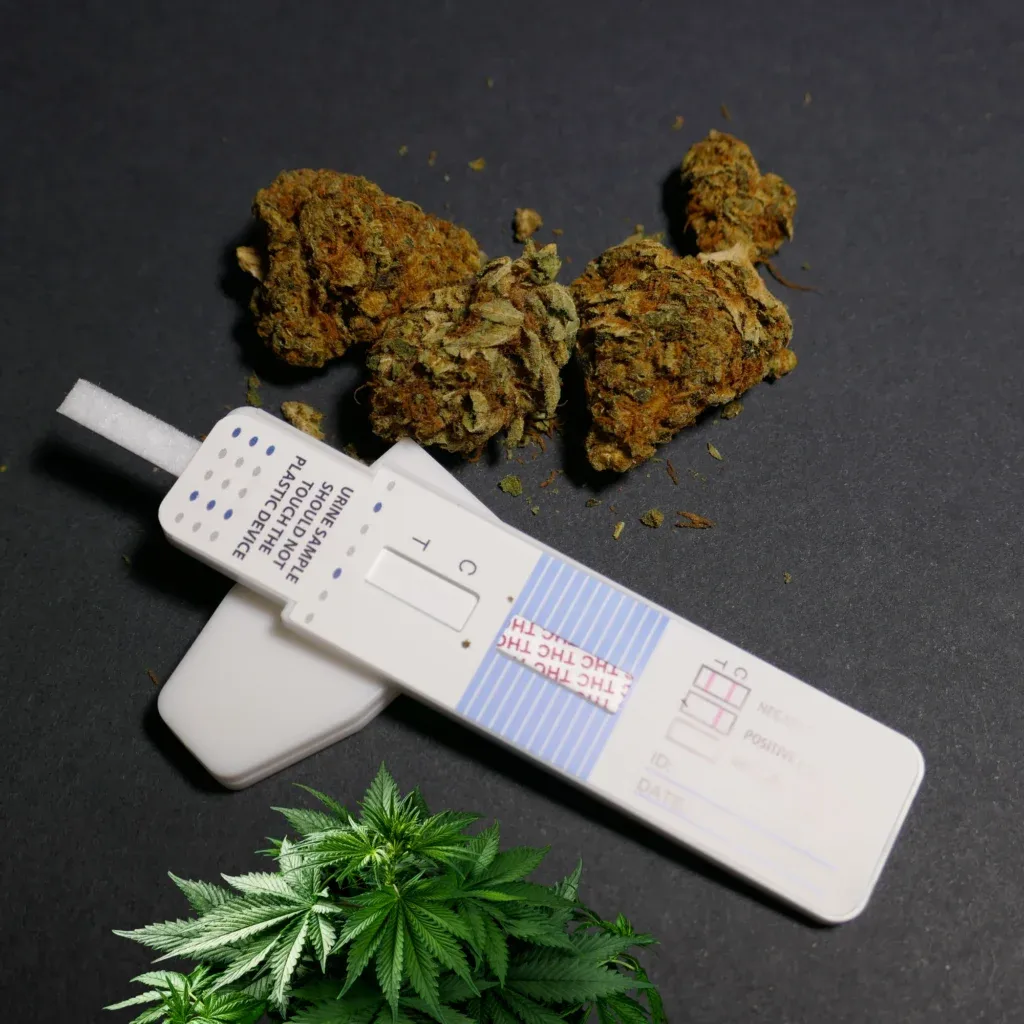
- Urine Tests: These tests are the most common. They detect THC metabolites, yes, including Delta 8s, for different durations depending on use.
- For a single use, detection is roughly 2 to 5 days.
- For moderate (a few times weekly) use, it lasts around 5 to 10 days.
- For chronic or heavy use, this can result in 15 to 30+ days of detection.
- Blood Tests: Blood tests detect active THC compounds shortly after use:
- For a one-time user, Delta 8 may remain detectable for a few hours to 2 days.
- While regular users might test positive for up to 7 days or more.
- Saliva Tests: Saliva (or oral fluid) tests detect Delta 8 only in the short term, up to 24 hours, but under heavy or frequent use, detection can extend to 1 to 3 days.
- Hair Tests: The longest detection window: hair tests can pick up Delta 8 metabolites for up to 90 days after use. These are less common but highly sensitive for long-term monitoring.
Why Delta 8 Appears as Delta 9 on Tests?
It’s because drug tests rely on the metabolite THC-COOH, which both Delta 8 and Delta 9 produce; tests can’t distinguish between them, making Delta 8 indistinguishable from traditional cannabis on standard screens.
Factors That Affect Detection
How long Delta 8 stays in your system isn’t the same for everyone. Many factors can speed up or even slow down detection times:
- Frequency of Use: Occasional vs. daily or heavy use drastically affects detection; chronic users hold metabolites longer.
- Dosage and Product Potency: Higher doses and stronger products mean a longer clearance time.
- Body Fat & Weight: Because THC binds to fat, individuals with higher adipose tissue may retain it longer.
- Metabolism & Lifestyle: Faster metabolisms, regular exercise, hydration levels, and liver health all influence clearance rates.
- Method of Consumption: Edibles and oils digest more slowly (longer detection window) compared to vaping/smoking (faster onset but shorter detection).
Does Delta 8 Show Up on Drug Tests?
When asking “Does Delta 8 show up on drug tests?” the answer is yes, because tests detect shared metabolites. This means a positive result is possible on urine, blood, saliva, or hair tests, depending on timing and usage patterns.
And now, if you’re wondering how long Delta 8 stays in your system, the answer depends on multiple factors. General detection windows are:
- Urine: Single use 2 to 5 days; moderate 5 to 10 days; chronic 15 to 30+ days.
- Blood: Single 1 to 2 days; regular up to 7 days or more.
- Saliva: Up to 1 day; heavy use 1 to 3 days.
- Hair: Up to 90 days.
These are averages; your own results may differ depending on your body, lifestyle, and usage habits.
Legal & Responsible Use Reminder
While Delta 8 is legal under federal law (with certain conditions), rules can vary by state. Staying informed helps you enjoy it without unexpected issues:
- Check Local Laws: Even if it’s federally legal, your state may have its own restrictions.
- Buy From Trusted Sources: Always choose vendors with third-party lab reports to confirm safety and potency.
- Know Your Workplace Rules: Some employers test for THC in all forms, including hemp-derived Delta 8.
Conclusion
We’ve clearly laid out which drug tests detect Delta 8 THC, from common urine screens to long-range hair tests, and explained detection windows, contributing factors, and smart use advice. Now with this knowledge, you can confidently use THC products responsibly.
At Friendly Hemp, we’re committed to transparency and informed enjoyment. We provide lab-tested products, accurate guidance, and support your right to know what’s in your system and how testing works. Let’s stay informed and responsible, together. Contact us today to get the products that are legal and fit right into your healthy lifestyle.
You must be logged in to post a comment.
More Similar Posts