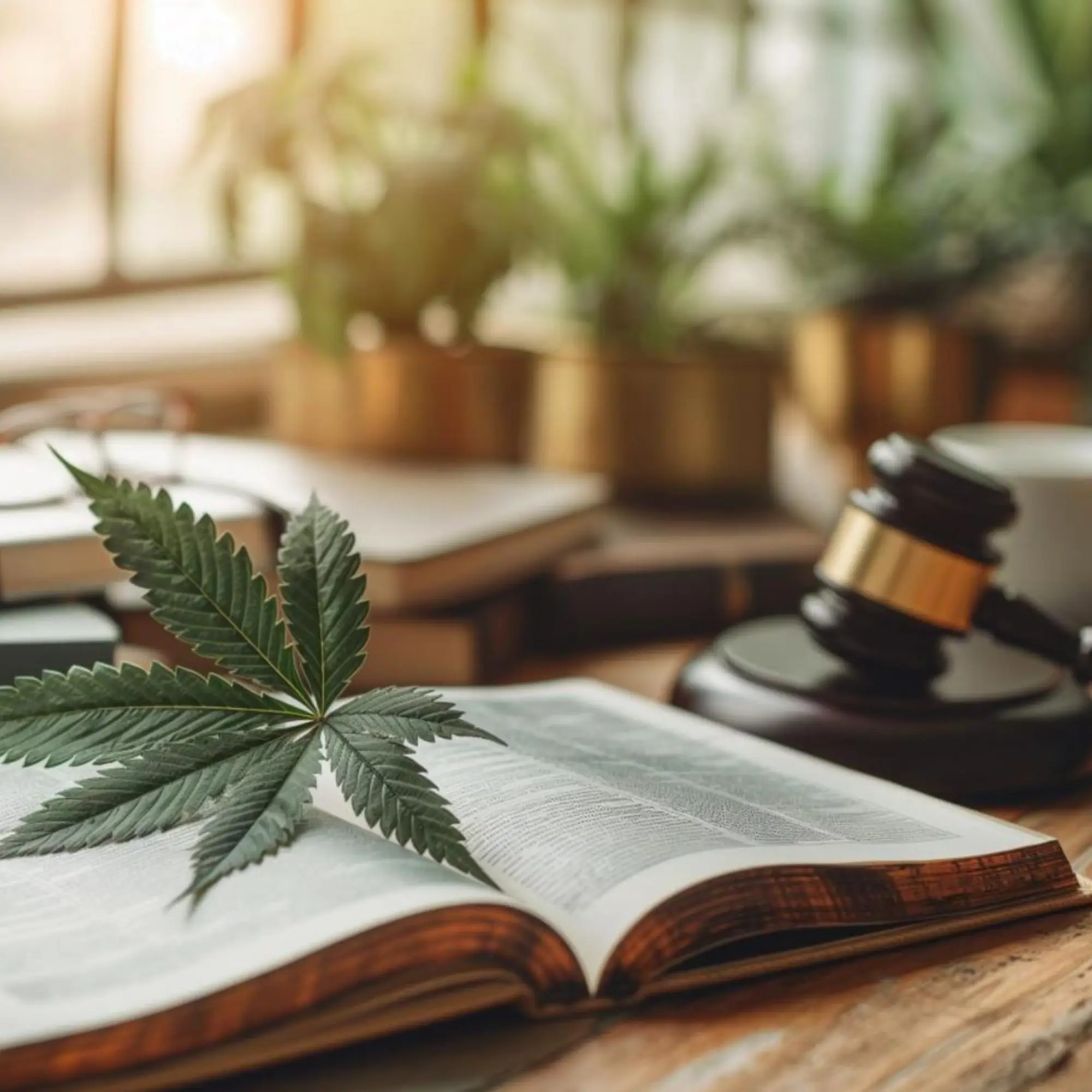
Delta 9 THC Bans: Which States Changed Their Laws in 2025?
Delta 9 THC, the most well-known psychoactive cannabinoid in cannabis, has been making headlines again. While federally legal in hemp-derived form under the 2018 Farm Bill, its legality continues to shift across state lines. With growing interest from consumers and lawmakers alike, 2025 brought several changes to how Delta 9 is regulated across the U.S.
In this blog, we’ll see the most important updates related to Delta 9 THC bans in 2025. Whether you’re a first-time buyer or a seasoned enthusiast, it’s essential to stay informed on where Delta 9 is legal, restricted, or banned, so you can shop smart and stay compliant.
Understanding Hemp-Derived Delta 9 THC Legal Status
To understand the patchwork of regulations, let’s revisit the basics. Under the 2018 Farm Bill, hemp-derived Delta 9 THC is federally legal as long as it does not exceed 0.3% THC by dry weight. This opened the door for gummies, edibles, and other products that deliver psychoactive effects while remaining within legal limits.
However, states retain the right to set their own rules. That means hemp-derived Delta 9 may be legal in one state and banned in another, depending on how local lawmakers interpret and regulate cannabinoids.
A key point: hemp-derived Delta 9 is chemically identical to marijuana-derived Delta 9. The difference lies in the source. At the same time, marijuana remains a Schedule I substance federally, while hemp (cannabis with ≤0.3% THC) is not.
States That Tightened Delta 9 THC Laws in 2025
Several states took legislative action in 2025 to restrict or clarify the sale and use of hemp-derived Delta 9 THC. These updates focused on consumer safety, market oversight, and clarifying grey areas in the previous regulatory landscape.
1. Idaho
Idaho has historically taken a firm stance against THC. In 2025, the state officially prohibited the sale of products containing any detectable level of Delta 9 THC, including those compliant with federal limits. This cemented Idaho’s position on the list of Delta 9 banned states, leaving no room for legal retail sales or possession of hemp-derived Delta 9.
2. North Dakota
North Dakota enacted a bill that prohibits the manufacture and sale of intoxicating cannabinoids, including hemp-derived Delta 9, Delta-8, and others. This aligns with their focus on public safety, but also raises questions around enforcement and testing standards.
3. Oregon
While Oregon has legalized recreational cannabis, its hemp laws became more stringent in 2025. The state now requires more rigorous testing and labeling of hemp-derived THC products and prohibits sales to minors under 21. This isn’t an outright ban, but it adds significant regulatory burdens that affect small hemp businesses.
4. Alaska
Alaska revised its hemp program to prohibit the sale of ingestible hemp products containing Delta 9 unless they are sold through licensed marijuana dispensaries. This limits access for non-THC retailers and pushes compliant hemp products under stricter control.
These changes are part of a broader conversation around Delta 9 law reform. Lawmakers are responding to a fast-evolving industry and aiming to create more standardized safeguards without fully shutting down the market.
States That Clarified or Eased Delta 9 THC Regulations
While some states increased restrictions, others recognized the opportunity to regulate, not ban, hemp-derived Delta 9. In 2025, a few states revised their Delta 9 laws to be more hemp-friendly while maintaining safety standards.
1. Texas
In a highly anticipated ruling, Texas clarified that hemp-derived Delta 9 is legal as long as it meets the federal THC threshold. This decision followed months of legal uncertainty and opened the door for licensed vendors to resume selling compliant products.
2. Illinois
Illinois updated its hemp program to separate Delta 9 regulations from marijuana laws. The new guidelines focus on potency, packaging, and age-restricted sales. This move provides a clear pathway for compliant hemp retailers to operate without facing penalties under recreational cannabis rules.
3. Florida
Florida’s legislature passed a bill that preserved access to hemp-derived cannabinoids but added new labeling and testing standards. This was a win for both consumers and producers, balancing safety with access.
States like these are improving Delta 9 legality by state transparency by putting consumer protection front and center, rather than enacting outright bans.
How Do These Changes Affect Consumers and Retailers?
So what does all this mean for buyers and businesses? Let’s understand:
Legal Access Varies Widely
Depending on where you live, your ability to buy hemp-derived Delta 9 may be limited or unrestricted. In states with bans or restrictions, shipping and possession may result in legal consequences, even if the product is federally compliant.
Retailers must stay updated on Delta 9 legality by state to avoid shipping to restricted areas. Many online stores now maintain shipping lists that exclude states with recent bans, helping protect both the seller and the customer.
Testing and Labeling Take Center Stage
In many of the states that updated their regulations, a common trend was the demand for more transparency. That includes:
- Third-party lab reports
- Accurate cannabinoid content
- Clear labeling of THC source and amount
These practices are becoming standard across the industry and are essential for building consumer trust, especially as concerns about unregulated products persist.
Why Buying Federally-Compliant Hemp Products Still Matters?
Amid changing laws, what hasn’t changed is the importance of buying responsibly. Federally compliant hemp products, like those containing ≤0.3% Delta 9 THC by dry weight, remain legal at the national level. However, navigating Delta 9 banned states means customers must do their homework.
Reputable sellers:
- Ensure third-party testing is available
- Follow strict sourcing and manufacturing standards
- Offer products that comply with both state & federal regulations.
Even as laws evolve, the hemp space continues to mature. Businesses & consumers alike are becoming more educated and discerning, leading to higher product quality and safer use.
Conclusion
The conversation around Delta 9 THC bans isn’t over. In 2025, several U.S. states tightened regulations, while others chose to refine or protect legal access to hemp-derived Delta 9. These updates reflect the growing need for clarity, safety, and accountability in a rapidly expanding industry.
As laws continue to evolve, staying current with these updates is key, especially if you’re buying online or selling across state lines. At Friendly Hemp, we remain committed to offering federally compliant, lab-tested Delta 9 products that meet the highest standards of quality and legality. We encourage all our customers to stay updated on local laws and shop responsibly. Contact us today!
You must be logged in to post a comment.
More Similar Posts