Digestive discomfort and appetite swings can disrupt daily life, especially for people dealing with chronic stress, inflammation, or irregular eating patterns. Many users are now turning to natural alternatives, like hemp-derived cannabinoids, to support their gut health. But when it comes to regulating digestion and appetite, how CBD affects appetite and digestion compared to Delta 8 THC is a growing area of curiosity.
Both compounds are known to interact with your body’s endocannabinoid system (ECS), but their effects are quite different. In this blog, we’ll explore what science and user experience say about how each of these cannabinoids can support appetite and digestive function so that you can choose the right fit for your wellness goals.
Understanding the ECS and Digestive Function
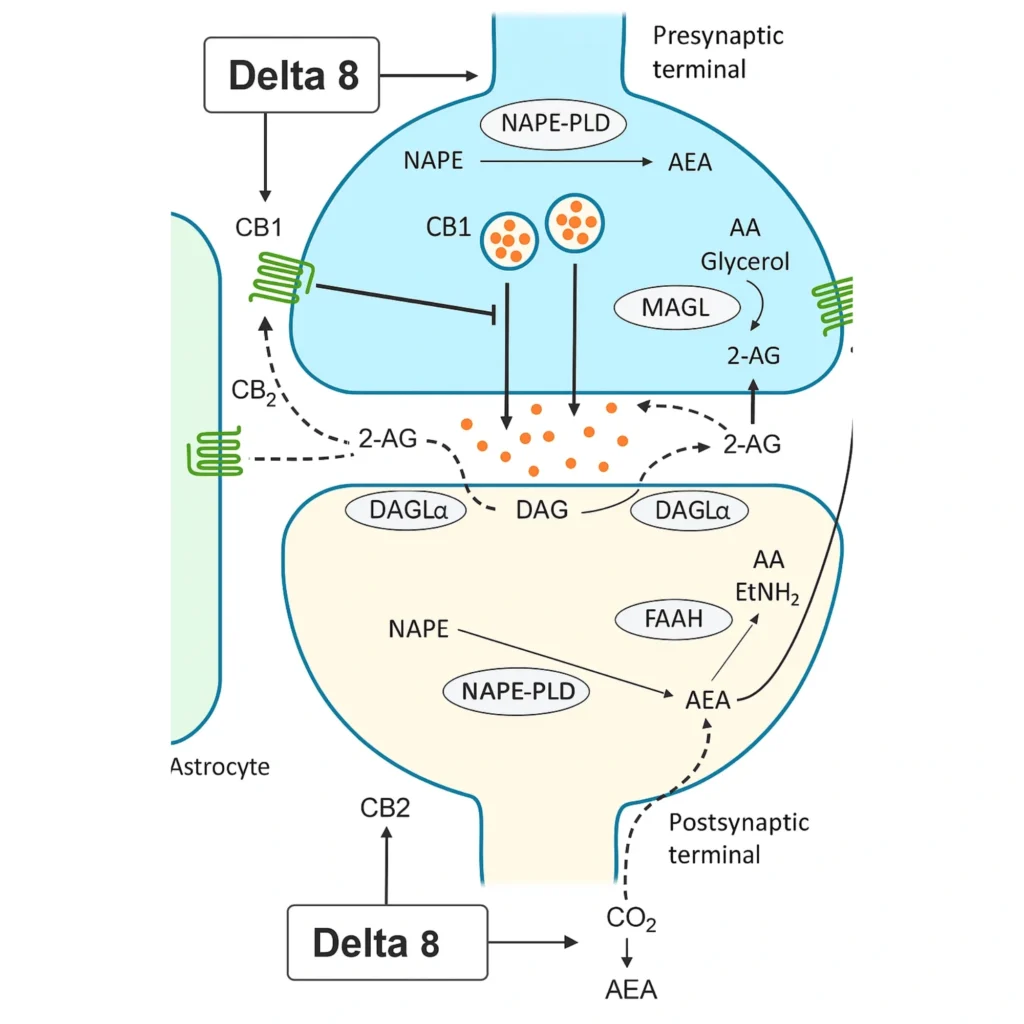
The ECS or call it endocannabinoid system, plays a central role in maintaining internal balance or homeostasis. It affects a wide range of functions, like mood, immunity, inflammation, pain, and, you guessed it, digestion.
Within the digestive system, cannabinoid receptors (CB1 and CB2) are located throughout the gut, including the stomach, intestines, and even the enteric nervous system (sometimes called the “second brain”). Activation of these receptors can impact gastric motility, hunger signals, and gut inflammation.
This is where cannabinoids like CBD and Delta 8 THC come in. They each interact with these receptors in unique ways, resulting in distinct effects on digestion and appetite.
CBD and Appetite: What Science Tells Us
Cannabidiol, or CBD, is a non-psychoactive compound extracted from hemp. While it doesn’t bind strongly to CB1 receptors like THC does, it influences the ECS indirectly, primarily through serotonin and TRPV1 receptors. These interactions can result in subtle but meaningful digestive support.
One of the primary benefits of CBD is its anti-inflammatory action. A 2020 review in Frontiers in Pharmacology noted that CBD may reduce intestinal inflammation, making it promising for people with IBS, Crohn’s, or other gut-related issues. CBD may also help ease nausea. A study published in the British Journal of Pharmacology showed that CBD exerts anti-nausea effects by interacting with serotonin receptors in the brain and gut.
In terms of appetite, CBD is often seen as neutral or even mildly appetite-suppressing in some users. That’s because it doesn’t trigger the same hunger pathways as THC. Instead, it may help regulate overeating caused by stress or anxiety. When comparing CBD vs Delta 8 for gut health, CBD tends to be the better fit for users seeking inflammation control, anxiety relief, and appetite balance without feeling intoxicated.
Delta 8 THC and Appetite: How It’s Different
Delta 8 THC is a lesser-known cannabinoid that’s structurally similar to Delta 9 THC (the main psychoactive component in cannabis), but it’s generally considered less potent and more tolerable for many users.
Unlike CBD, Delta 8 binds directly to CB1 receptors, which are heavily involved in hunger signaling and digestion. This is why Delta 8 is known for stimulating the appetite, sometimes referred to as the “gentler munchies.”
In a 2004 study published in Pharmacology, Biochemistry, and Behavior, researchers found that Delta 8 THC significantly increased food consumption in animal models, even more effectively than Delta 9 in some cases. This suggests Delta 8 could be useful for individuals experiencing appetite loss due to medical conditions, stress, or treatments like chemotherapy.
Additionally, Delta 8 may help with nausea. The U.S. National Cancer Institute has acknowledged its potential as an antiemetic, showing promise in reducing nausea and vomiting in early trials.
Unlike CBD, Delta 8 can cause a mild euphoric or relaxing effect. This can be beneficial for those whose digestive troubles are worsened by anxiety or chronic stress. However, it’s important to use it mindfully and start with low doses to assess your individual response.
Digestive Support: CBD vs Delta 8 THC at a Glance
Here’s a quick comparison of how each cannabinoid supports digestion and appetite:
CBD
- May reduce gut inflammation and irritation
- Can ease anxiety-related digestive discomfort
- Supports regular bowel movements
- Generally neutral or suppressive effect on appetite
- No psychoactive effects, suitable for daily use
Delta 8 THC
- Stimulates appetite gently without intense intoxication
- May relieve nausea and promote food interest
- Helps ease digestive tension related to stress
- Offers light euphoria or relaxation
- May be better suited for occasional use or targeted support
While both cannabinoids interact with the ECS, their outcomes differ based on receptor pathways and user goals.
Choosing the Right Option Based on Your Needs
So, how do you decide between CBD and Delta 8 for appetite or digestive issues? It depends on your body, your goals, and how you respond to each compound. Consider CBD if:
- You struggle with gut inflammation or discomfort.
- You’re sensitive to THC or don’t want any intoxication.
- You need gentle, daily support to regulate your appetite.
- Anxiety or IBS symptoms affect your digestion.
Consider Delta 8 if:
- You need help regaining your appetite.
- You’re recovering from illness or stress that caused nausea or food aversion.
- You want occasional support for digestive discomfort with mild relaxation.
Many users find benefit in combining both, using CBD for ongoing regulation and Delta 8 occasionally when appetite stimulation is needed. Just make sure to start low and go slow, especially with Delta 8 THC.
Friendly Hemp’s Approach: Gut-Friendly, Lab-Tested Products
At Friendly Hemp, we believe in honest, effective, and compliant cannabinoid wellness. That’s why all of our CBD and Delta 8 products are:
- Third-party lab tested for purity and potency
- Formulated with organic hemp sourced from U.S. farms
- Clearly labeled with THC content and suggested use
- Available in various delivery methods like gummies, tinctures, and capsules to suit digestive comfort
Whether you’re looking for a CBD oil that soothes your stomach or a Delta 8 edible to help reignite your appetite, we offer targeted solutions made with care and transparency.
Conclusion
When it comes to how CBD affects appetite and digestion compared to Delta 8 THC, the choice isn’t always about one being better than the other; it’s about understanding how each fits into your wellness routine. CBD offers calm, anti-inflammatory support that’s ideal for long-term digestive balance. Delta 8, on the other hand, can help increase appetite and reduce discomfort when more targeted action is needed.
At Friendly Hemp, we’re committed to making that choice easier, with reliable, clean, and compliant cannabinoid products you can trust. Explore our collection today and find what works best for your gut health and appetite goals, naturally. Contact us today to buy your favorite Delta 8 THC product.