Differences Between Delta-8 Vs Delta-9 Legality Across U.S. States
If you’re shopping for hemp products, it’s frustrating and risky to find out your state has stricter rules than you thought. Cannabis may be federally legal, but Delta-8 vs Delta-9 Legality can differ dramatically depending on local regulations. One state’s casual store shelves might be another’s prohibited territory.
Understanding both Delta-9 and Delta-8 Legality by state keeps you compliant, confident, and ready to enjoy your hemp-derived favorites without worry. In this guide, we’ll break down where each cannabinoid is legal, restricted, or banned in 2025 so you can shop with peace of mind.
Legal Foundation: 2018 Farm Bill & Hemp-Derived THC
Before diving into state-specific laws, it’s important to understand what makes Delta-8 and Delta-9 legal at the federal level. The 2018 Farm Bill federally legalized industrial hemp (containing ≤ 0.3% Delta-9 THC by dry weight), freeing hemp-derived cannabinoids like Delta‑8 and compliant Delta-9 from Schedule I classification.
However, states retained the authority to ban or regulate the use of hemp derivatives. That means both Delta‑8 Legality and Delta-9 Legality can vary significantly depending on local statutes, even when federal law appears permissive.
Delta‑8 Legality by State
Delta-8’s legal status isn’t uniform across the U.S. Many states have differing views on its safety and processing methods, resulting in a patchwork of laws.
- Banned States (15 total): These include Alaska, Colorado, Delaware, Idaho, Iowa, Montana, Nevada, New York, North Dakota, Oregon, Rhode Island, South Carolina, Vermont, Virginia, and Washington. Delta-8 is illegal to sell in these states.
- Restricted or Regulated States: States like California, Connecticut, Kentucky, Michigan, Minnesota, and Tennessee allow Delta-8 but have specific rules about who can sell it, how it’s packaged, and how it’s tested.
- Fully Legal States: Florida, Texas, Illinois, Georgia, Wisconsin, Indiana, Missouri, and Pennsylvania allow the sale of Delta-8 with minimal restrictions.
Delta‑8 laws change fast; some states ban it outright, others actively regulate it, and the rest treat it like any other hemp derivative.
Delta-9 Legality by State
While Delta-9 is more familiar, legality depends on the THC concentration and whether it comes from hemp. Hemp-derived Delta-9 THC (≤0.3% by dry weight) is federally legal, but states may impose their own rules:
- Fully Legal: In 42 states, including Alabama, Florida, Maine, Massachusetts, Michigan, New York, Texas, and Virginia, hemp-derived Delta-9 is permitted for adult use.
- Restricted: Some states require buyers to be 21+, mandate lab testing, or enforce specific packaging and labeling laws.
- Prohibited or Only Allowed Through Medical Programs: States like Idaho, Indiana, Iowa, Kansas, Kentucky, Nebraska, South Carolina, Tennessee, Texas, Wisconsin, and Wyoming have limitations or complete bans unless Delta-9 is accessed through state-regulated medical cannabis programs.
In states where hemp-derived Delta-9 is legal, some may still enforce restrictions like limiting how much THC is allowed per gummy or edible. Instead of “mg cap,” we refer to these as THC limits per serving to improve clarity.
Key Legal Differences Between Delta-8 and Delta-9
To truly understand the legality across the U.S., it is helpful to know how states differentiate Delta-8 from Delta-9 in practice. Here’s a breakdown:
- How They’re Made: Delta-8 is typically synthesized from CBD, while Delta-9 can occur naturally in hemp plants within legal THC limits.
- State Scrutiny: Delta-8 receives more bans due to synthetic processing concerns. Delta-9 is more commonly addressed through cannabis-related regulations.
- Legal Treatment: Delta-9 is often managed under existing cannabis laws. Delta‑8 is either allowed through hemp laws or banned due to a lack of regulatory infrastructure.
- Product Regulations: States may limit Delta-9 products to 5 to 10 mg THC per serving (THC limit), while Delta-8 rules often involve packaging, age restrictions, and testing protocols.
Why Compliance Still Matters (Even for Hemp)?
Hemp products may be federally legal, but failing to meet state-level compliance can still cause problems.
- Products must be lab-tested and include Certificates of Analysis (COAs)
- Accurate labeling and packaging are required to reflect THC limits per serving.
- Retail and shipping must respect each state’s laws.
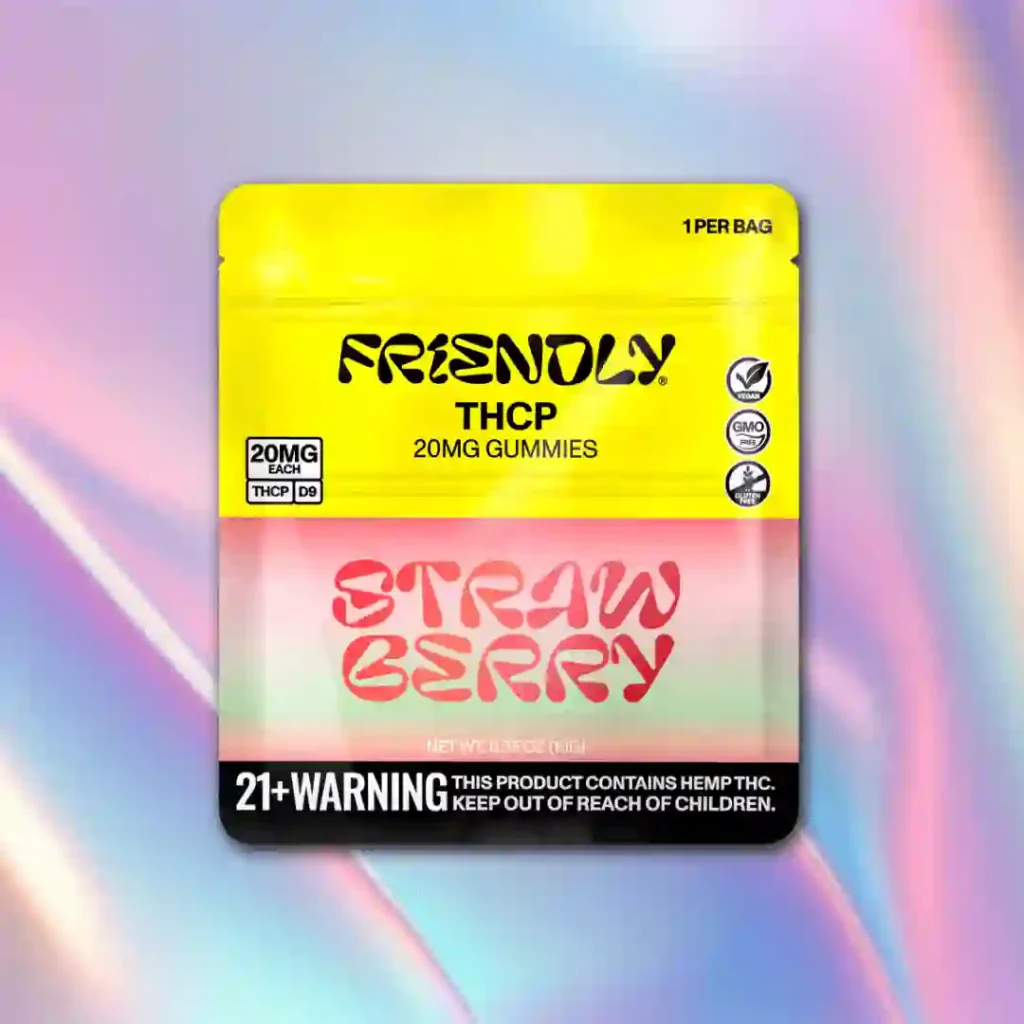
At Friendly Hemp, we only sell compliant, fully legal hemp products that meet strict quality standards.
How to Shop Smart Based on Your State?
Not sure if your state allows Delta-8 or Delta-9? Use these quick tips to stay on the right side of the law.
- Check your state’s current hemp regulations before purchasing.
- Only buy from brands with transparent lab reports (COAs).
- Make sure the THC content per serving complies with state laws.
- Look for proper labeling and packaging that is child-safe.
- Note state restrictions on shipping, dosage, and age requirements.
Friendly Hemp always ships within legal boundaries to ensure safe and legal delivery.
2025 Legal Trends & What’s Coming
Hemp laws are evolving quickly in 2025. Here’s what you need to know about recent and upcoming changes:
- California banned intoxicating hemp drinks and edibles aimed at minors.
- Alabama now limits THC per serving to 10 mg, prohibits smokables, and imposes a 5% excise tax.
- Texas is evaluating broader THC bans but hasn’t passed final legislation.
- Federal oversight may grow as the FDA and DEA weigh in on Delta-8.
Laws shift fast; what’s legal today could be restricted tomorrow, especially with Delta‑8.
Conclusion
Understanding Delta-8 vs Delta-9 Legality means knowing your state’s rules. Whether you’re after Delta-8’s mellow effect or Delta-9 potency, legal access depends entirely on local regulations. For Delta-8 Legality, 15 states ban it, while others regulate or allow it. For hemp-derived Delta-9, about 42 states permit it (sometimes with caps), while ~10 states restrict THC entirely. At Friendly Hemp, we stay on top of legal changes and only offer products that are fully compliant, lab-tested, and safe. Shop confidently because lawful hemp products aren’t that hard to get from us. Contact us to get yours today!
You must be logged in to post a comment.
More Similar Posts