How Delta‑9 from Hemp Is Legal: Understanding the Farm Bill Loophole
In recent years, the phrase Farm Bill loophole has become a hot topic among hemp consumers and wellness enthusiasts. At its core, it explains how Delta 9 THC, traditionally linked to marijuana, can be grown, processed, and sold legally under federal law when derived from hemp. This guide clarifies exactly what the loophole entails, offering both first-time visitors and returning users clear insight into the Delta 9 hemp landscape.
What Is Delta 9 THC?
Delta 9 tetrahydrocannabinol (THC) is the main compound in the cannabis plant that gives that popular psychoactive effect. However, whether Delta 9 comes from hemp or marijuana doesn’t change its chemistry. The major legal distinction lies in the plant’s THC concentration; hemp is legally defined as Cannabis sativa with no more than 0.3% Delta 9 THC on a dry-weight basis.
The 2018 Farm Bill: A Quick Breakdown
The Agriculture Improvement Act of 2018, commonly called the 2018 Farm Bill, marked a seismic shift in U.S. hemp policy. Signed into law on 20th December 2018, it legalized hemp production, distinguishing hemp from marijuana under the Controlled Substances Act. Key takeaways:
- Hemp is no longer a Schedule I substance.
- Farmers may cultivate hemp with ≤ 0.3% Delta 9 THC.
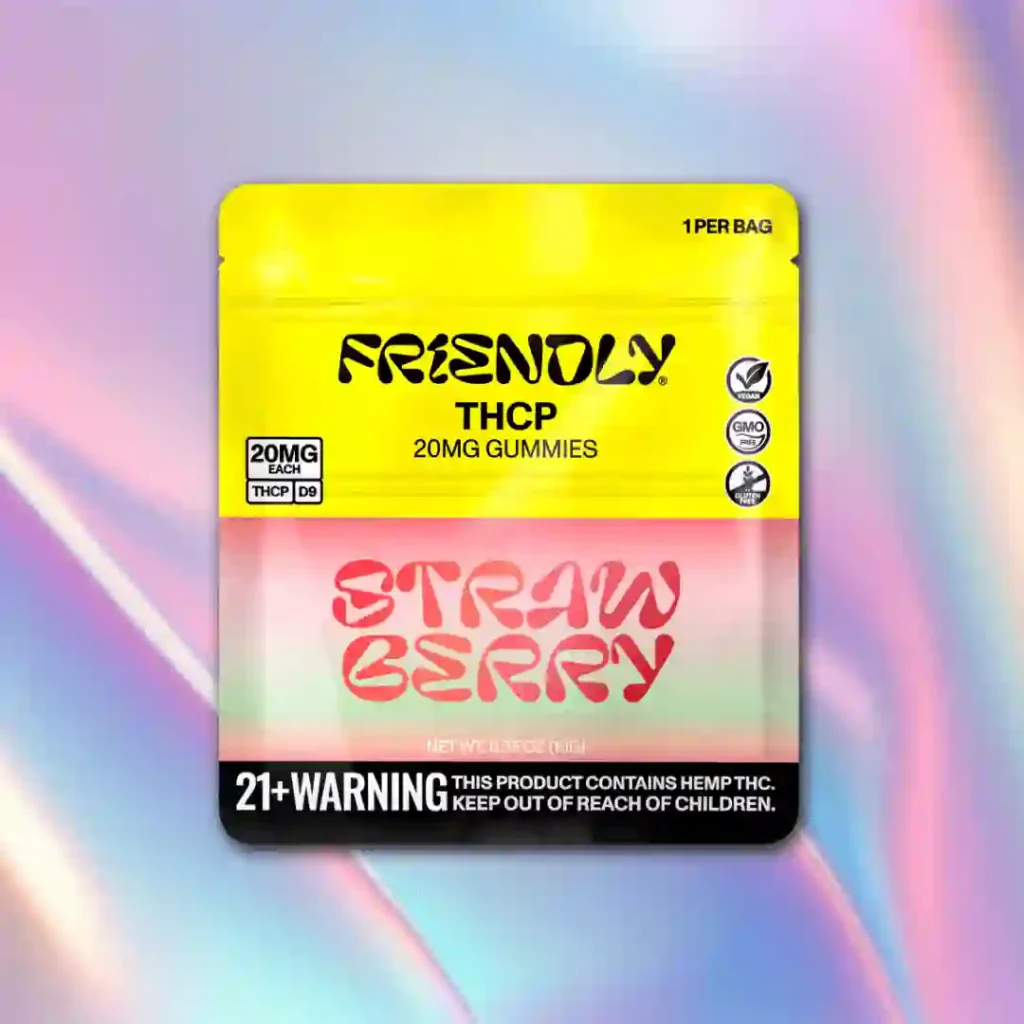
- Hemp-derived products, including Delta 9 watermelon gummies, may be sold across state lines.
- USDA oversees cultivation, while the FDA regulates finished products.
This framework enabled the creation of consumer-friendly, legal Delta 9 products under federal law.
The So-Called “Loophole”: What It Actually Means
Critics call it a loophole, but it’s actually a legal structure that governs hemp:
- Dry-weight rule: As long as a hemp plant’s THC is ≤ 0.3% of its dry mass, it qualifies as hemp.
- Form factor matters: A single edible or drink can contain hundreds of milligrams of Delta 9 yet remain compliant if it’s less than 0.3% of the item’s total weight.
- Derived from hemp: Whether Delta 9 is extracted directly or converted from CBD, it remains legal as long as the source hemp complies with federal rules.
Therefore, legal Delta 9 products, like gummies, tinctures, and beverages, are market staples that meet both federal law and the Delta 8 farm bill framework.
Why Hemp‑Derived Delta 9 Is Safe and Compliant?
Legitimacy in this market hinges on transparency:
- Lab testing: A 2023 study found that 96.2% of hemp Delta 9 products comply with the 0.3% limit, though 66% had dosage variances >10%, and only 15% performed age verification.
- Third-party COAs: About 85% of compliant products provide lab certificates, but 71% don’t test for impurities.
- Source matters: Roughly 49% of products used synthetic conversion from CBD, 26% derived Delta 9 from marijuana-derived sources, and only 18% sourced it naturally from hemp.
To ensure customer safety, reputable brands prioritize natural hemp-derived Delta 9, comprehensive third-party testing, accurate labeling, and age-gate checkout systems.
State vs. Federal Law: What Consumers Should Know
While federal law supports the Farm Bill loophole, state regulations vary significantly:
- Over half the U.S. states have adopted more restrictive rules on hemp‑derived Delta 9.
- Some states ban it in edibles or beverages.
- Yet, many online retailers continue shipping to most areas, as enforcement remains inconsistent.
- States like Connecticut and Louisiana are considering tightening or banning hemp‑derived THC products.
We recommend that customers stay informed about local laws before making a purchase. At Friendly Hemp, we strive to follow every state’s regulations and only ship where it’s allowed.
Benefits of Legal Hemp‑Derived Delta 9 Products
Consumers are increasingly drawn to legal Delta 9 alternatives for wellness reasons:
- Natural wellness: Hemp-derived Delta 9 offers a full-spectrum effect with cannabinoids like CBD and minor terpenes, unlike Delta 8’s sometimes synthetic origins.
- Accessibility: Many wellness consumers without access to dispensaries appreciate federally legal Delta 9 options shipped right to their door.
- Regulatory clarity: Compliance with the Delta 8 farm bill means reliable testing, transparent labeling, and consistent dosing.
These products empower consumers with choice, so long as they choose trusted, educated sources.
What to Look for in Compliant Delta 9 Products?
Here are actionable tips to ensure both safety and legality:
- Third-party lab reports: Ideal ones test for potency, THC content, solvent residue, heavy metals, and microbes.
- Source transparency: Natural hemp‑extracted Delta 9 is preferable to chemically converted variants.
- Label accuracy: Brands should list accurate milligram (mg) dosages and include the THC percentage.
- Age verification: Systems ensuring end-users are over 21 protect both consumer safety and retailer compliance.
Such diligence isn’t just best practice; it’s the mark of a brand you can trust.
Conclusion
Understanding the Farm Bill loophole helps demystify how legal Delta 9 products are made available nationwide. The 2018 Farm Bill didn’t create a loophole; it established a regulated, intentional path for hemp‑derived THC while maintaining safeguards like the 0.3% limit and FDA oversight.
Still, not all cannabis products are created equal. Quality, safety, and sourcing differ, and it’s on reputable brands to lead the way with integrity. At Friendly Hemp, we’re committed to full transparency: lab-tested, natural hemp-sourced Delta 9, accurate labels, and respect for both federal and state laws. Explore our lab-testing Delta 9 offerings, where wellness meets clarity, and every product is backed by our promise of trust and quality. Ready to buy and try? Contact us to grab yours today!
You must be logged in to post a comment.
More Similar Posts