How Delta-8 & Delta-9 THC Interact with Your Endocannabinoid System?
The world of cannabis can be complex and it is especially when it comes to understanding the various compounds within it. Among the most talked-about cannabinoids are Delta-8 and Delta-9 THC. While these two cannabinoids share similarities, their effects on the body can differ significantly, particularly when it comes to how they interact with the endocannabinoid system (ECS).
In this blog, we’ll break down how Delta-8 and Delta-9 interact with endocannabinoid system and explore their potential benefits for your wellness. Understanding how these cannabinoids work within the body is key to making informed decisions about which products to use. So, whether you’re new to hemp or a seasoned user, we’ve got you covered with valuable insights.
What Is the Endocannabinoid System (ECS)?
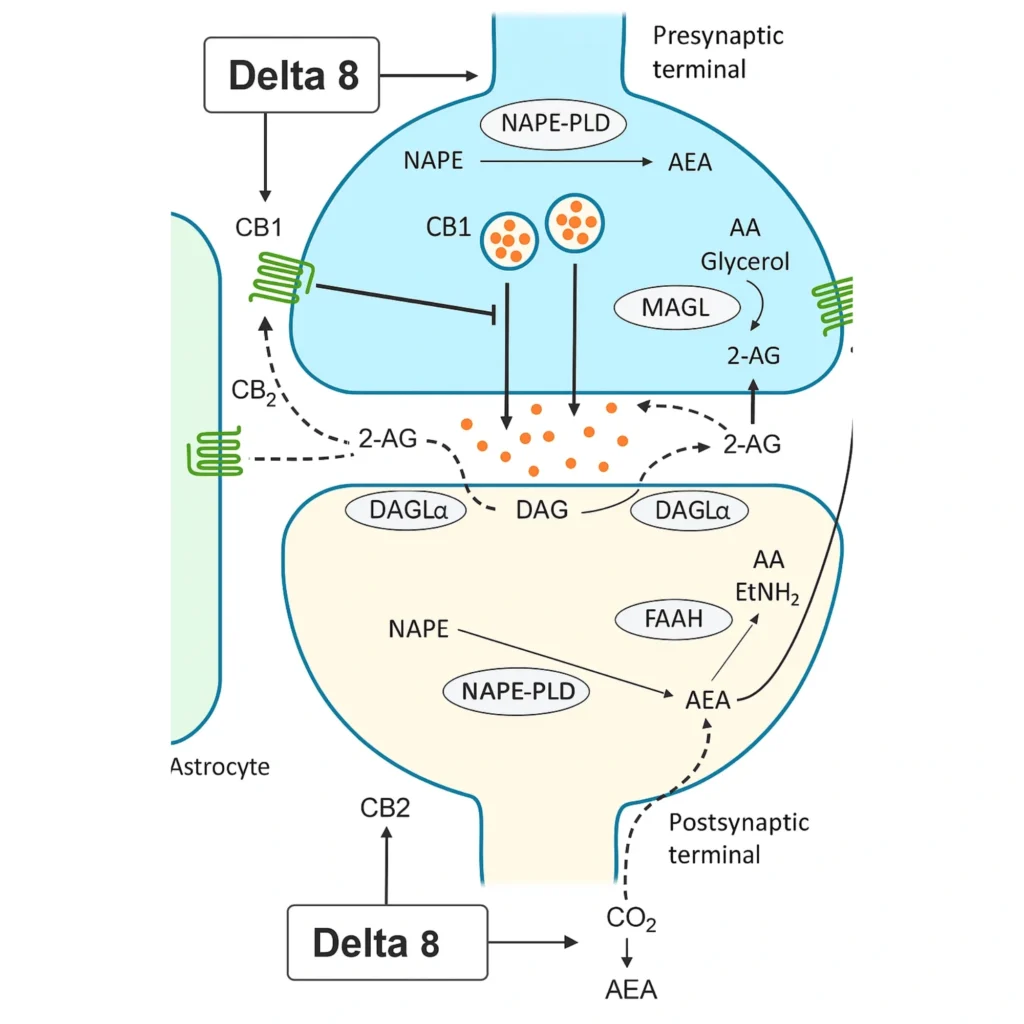
Before diving into how Delta-8 and Delta-9 THC work, it’s essential to understand the endocannabinoid system. The ECS is an intricate network of molecules and receptors that helps maintain homeostasis (balance) in the body. This system helps in regulating various physiological processes, including appetite, mood, sleep, pain perception, and immune function. The ECS consists of three key components:
- Endocannabinoids: These are naturally produced molecules within the body, such as anandamide and 2-AG, that help regulate various functions.
- Cannabinoid Receptors: These receptors can be located throughout the body, primarily in the brain & immune system, and are involved in processing the signals from endocannabinoids.
- CB1 Receptors: These are predominantly found in the central nervous system and brain.
- CB2 Receptors: These are mostly located in the immune system and peripheral tissues.
- Enzymes: These break down the endocannabinoids after they’ve completed their job, ensuring the system remains balanced.
The ECS works to keep the body in a state of equilibrium, reacting to both internal and external changes. Now, let’s dive into how Delta-8 and Delta-9 THC interact with this system.
How Does Delta-8 THC Interact with the ECS?
Delta-8 THC is basically a cannabinoid found in the cannabis plant. While it is somewhat similar in chemical structure to Delta-9 THC, it differs slightly in its effects. Delta-8 is often praised for its more gentle, milder psychoactive effects compared to Delta-9. Here’s how it interacts with the endocannabinoid system:
- Binding to CB1 Receptors: Delta-8 THC binds to the CB1 receptors in the brain & central nervous system. However, its interaction is less intense than that of Delta-9 THC, leading to a more subtle effect.
- Milder Psychoactive Effects: The psychoactive effects of Delta-8 are often described as less overwhelming. Users typically report feeling relaxed, calm and uplifted without the paranoia or anxiety that can sometimes accompany Delta-9 THC.
- Therapeutic Benefits: Because of its gentle action, Delta-8 THC may be a suitable option for individuals looking for relief from conditions like anxiety, stress, and mild pain. It has also shown potential for improving focus and appetite stimulation.
In addition to its interaction with the ECS, Delta-8 THC’s more controlled effects make it a popular choice for those new to cannabis or those who want therapeutic benefits without the intensity of Delta-9.
How Does Delta-9 THC Interact with the ECS?
Delta-9 THC, the most well-known and studied form of THC, has stronger psychoactive properties than Delta-8. Here’s how it interacts with the endocannabinoid system:
- Stronger CB1 Receptor Binding: Delta-9 THC binds more strongly to the CB1 receptors in the brain. This stronger interaction results in more intense effects, including euphoria, heightened sensory perception, and increased appetite.
- Potent Psychoactive Effects: Delta-9 THC is responsible for the “high” associated with cannabis use. While this can be a desirable effect for many users, it can also lead to feelings of anxiety, paranoia, or dizziness in some individuals, particularly when consumed in higher doses.
- Common Therapeutic Uses: Delta-9 THC is frequently used for its ability to manage chronic pain, stimulate appetite (especially for those undergoing treatments like chemotherapy), and improve sleep. It has also been shown to possess potential anti-inflammatory and neuroprotective properties.
Because of its potent effects, Delta-9 THC is often reserved for more experienced users or those who require stronger therapeutic intervention.
Key Differences Between Delta-8 & Delta-9 THC
While both interact with the endocannabinoid system, their effects are noticeably different. Here are some key differences between these two cannabinoids:
- Intensity of Effects: Delta-8 THC is generally considered to produce a more moderate experience, offering relaxation and mild euphoria, without the intensity of Delta-9 THC. On the other hand, Delta-9 THC offers a more potent high and may cause stronger side effects like anxiety.
- Therapeutic Uses: Both cannabinoids have therapeutic potential, but Delta-8 is favored for more subtle benefits like stress relief, anxiety reduction, and focus enhancement. Delta-9 THC, on the other hand, is widely used for managing pain, promoting sleep, and stimulating appetite.
- Side Effects: Delta-8 is less likely to cause adverse side effects like paranoia, making it more user-friendly for those who may be sensitive to cannabis. Delta-9, while beneficial for many, can sometimes lead to negative experiences in higher doses.
Why Does It Matter for Your Wellness?
Understanding how Delta-8 and Delta-9 THC interact with your endocannabinoid system can help you select the right product for your goals of wellness. Whether you’re seeking relaxation, pain relief, or stress management, both cannabinoids offer unique benefits, but they may suit different needs and preferences.
For those looking for a lighter, more controlled experience, Delta-8 THC might be the perfect option. It provides relief from anxiety, stress, and mild pain without overwhelming effects. For those who need more potent relief or are seeking the classic cannabis “high,” Delta-9 THC can provide stronger results, with the added benefit of therapeutic effects like appetite stimulation and pain relief. By selecting the right product, you can better support your body’s natural balance and overall wellness.
Conclusion
Both Delta-8 and Delta-9 interact with endocannabinoid system and offer unique benefits in different ways. Delta-8 is ideal for those who prefer a milder, more subtle effect, while Delta-9 THC provides a more potent experience. Understanding how these cannabinoids work can help you make wise choices for your health and wellness.
At Friendly Hemp, we are committed to providing premium hemp products that harness the power of cannabinoids like Delta-8 and Delta-9 THC. Whether you’re new or looking to explore new options, we offer products that support your journey to balanced living. Visit our website or contact us to get the one that suits your body and mood.
You must be logged in to post a comment.
More Similar Posts