Why the 2018 Farm Bill Sparked the Delta-8 Boom
The 2018 Farm Bill marked a transformative moment in U.S. agricultural and cannabis policy. Signed into law in December 2018, it federally legalized industrial hemp, setting the stage for a rapid expansion of hemp-derived products. One of the most unexpected outcomes? The meteoric rise of Delta-8 THC, a compound that quickly captured consumer interest for its unique effects and legal status. This blog breaks down how the 2018 Farm Bill fueled the Delta-8 boom, reshaping the hemp landscape in the process.
Understanding the Turning Point in Hemp Legislation
Before 2018, hemp was grouped alongside marijuana as a controlled substance under federal law despite lacking the psychoactive potency of its cousin. The Bill, basically known as the Agriculture Improvement Act of 2018, changed that. It removed hemp, defined as cannabis containing less than 0.3% Delta-9 THC on a dry weight basis, from the Controlled Substances Act. It unlocked new opportunities for cultivation, research, and the development of commercial products. This legislative shift gave way to innovation in cannabinoids, opening a legal pathway for compounds like Delta-8 THC.
What Did the 2018 Farm Bill Legalize?
At its core, the 2018 Farm Bill created a federally recognized distinction between hemp and marijuana based on Delta-9 THC content. Hemp & all its derivatives, extracts, and cannabinoids were legalized, provided they did not exceed the 0.3% Delta-9 THC threshold. This included compounds like cannabidiol (CBD), cannabigerol (CBG), and Delta-8 THC, as long as they were derived from legal hemp.
Crucially, the bill also allowed for the sale, transportation, and possession of hemp and hemp-derived products across state lines, which significantly accelerated nationwide access. The 2018 Farm Bill hemp classification removed long-standing barriers, enabling the hemp sector to expand into new markets with less legal ambiguity.
Additionally, the law empowered states to regulate their hemp programs under USDA oversight, provided they complied with federal guidelines. This federal legalization created a foundation for scientific exploration, business innovation, and broader consumer adoption of hemp-derived cannabinoids.
Delta-8 THC: A Legal Opportunity Emerges
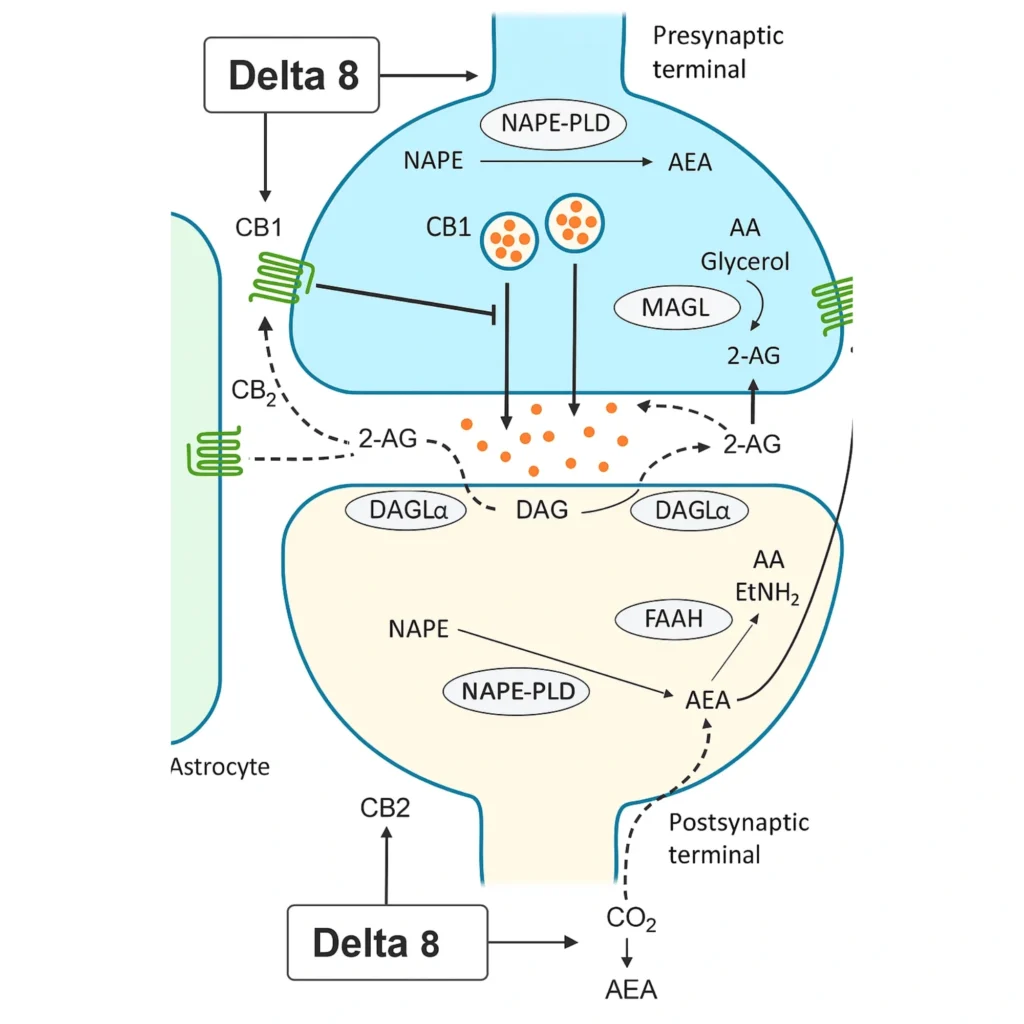
Among the many compounds found in hemp, Delta-8 THC quickly emerged as a standout. Unlike CBD, Delta-8 is mildly psychoactive, offering a less intense experience compared to traditional Delta-9 THC. This unique characteristic attracted both experienced cannabis users and newcomers seeking a more balanced option.
Though Delta-8 occurs naturally in hemp in trace amounts, it is typically derived from CBD through a chemical conversion process called isomerization. Thanks to the 2018 Farm Bill hemp provision, this process became a legal workaround to produce a psychoactive compound that met the bill’s THC threshold criteria.
This interpretation of the law opened a floodgate of innovation, allowing manufacturers to legally create and distribute Delta-8 THC across many states. As of 2024, Delta-8 remains federally legal under the Farm Bill, though some states have opted to impose their own restrictions.
Rise in Extraction and Innovation
Once the legality was clarified, the hemp industry wasted no time in exploring ways to extract more value from the plant. Advances in extraction technology made it feasible to convert surplus CBD into Delta-8 THC, enabling manufacturers to capitalize on existing hemp biomass.
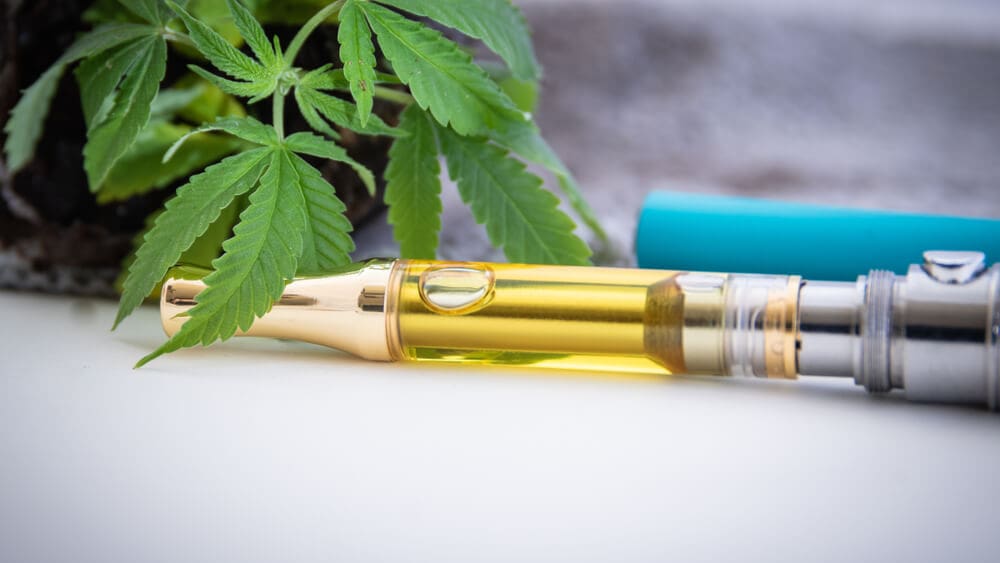
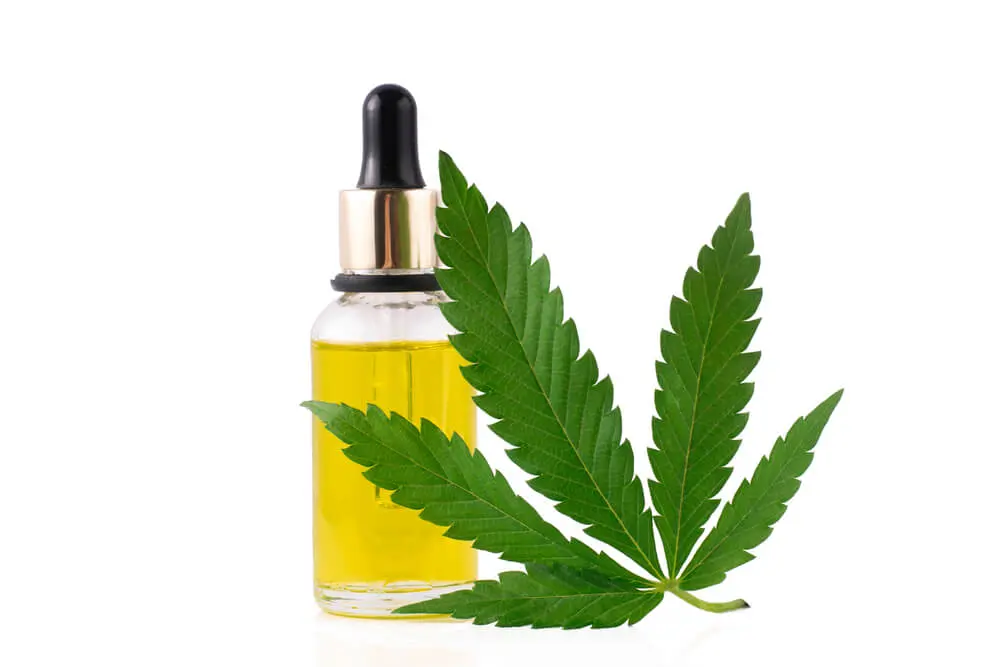
This led to a surge in product development. From Delta-8 vape pens and edibles to tinctures and capsules, a wide range of products hit the shelves. The compound’s appeal wasn’t just in its effects but also in its accessibility; consumers could purchase it online or in local stores without needing to visit a dispensary.
By mid-2021, Delta-8 THC products were available in over 30 states, with consumer interest rapidly growing. According to a report by the U.S. Food and Drug Administration (FDA), consumer inquiries and reports regarding Delta-8 THC surged after the implementation of the Farm Bill, indicating a notable shift in awareness and usage patterns.
Market Growth and Consumer Demand
The legal clarity given by the 2018 Farm Bill gave brands and retailers the confidence to invest in the hemp sector. As a result, the Delta-8 market experienced an influx of startups and new product lines. Consumer demand followed suit, especially among those who found Delta-9 THC too intense or lived in non-recreational cannabis states.
The availability of Delta-8 THC provided a legal and convenient alternative that fits within the bill’s federal guidelines. As per the National Center for Complementary and Integrative Health (NCCIH), over 14% of U.S. adults report using cannabinoid products for wellness purposes, and Delta-8 has rapidly joined that category.
Online marketplaces and specialty wellness shops expanded their inventories to meet the growing interest. Educational content, third-party lab testing, and transparent labeling further helped build consumer trust in Delta-8 products derived from legal hemp.
The Bill’s Lasting Impact on the Cannabinoid Industry
The 2018 Farm Bill hemp framework didn’t just give rise to Delta-8; it catalyzed a broader cannabinoid renaissance. Compounds like CBN, CBC, and THCV are now being explored for their potential benefits, and companies are investing heavily in research and development.
This shift also encouraged states to modernize their hemp policies, many of which now include explicit guidelines for Delta-8 and similar compounds. The ripple effect of the 2018 legislation continues to shape industry standards, testing protocols, and regulatory frameworks.
Moreover, the bill helped normalize the conversation around hemp-derived products, paving the way for further legislative progress in cannabis reform at the state and federal levels.
Conclusion
The 2018 Farm Bill was a legislative milestone that redefined the future of hemp in the United States. By establishing clear guidelines and separating hemp from marijuana, it enabled a new wave of cannabinoid innovation, none more significant than the rise of Delta-8 THC. What was once a niche compound is now a mainstream option for wellness-focused consumers and cannabis enthusiasts alike.
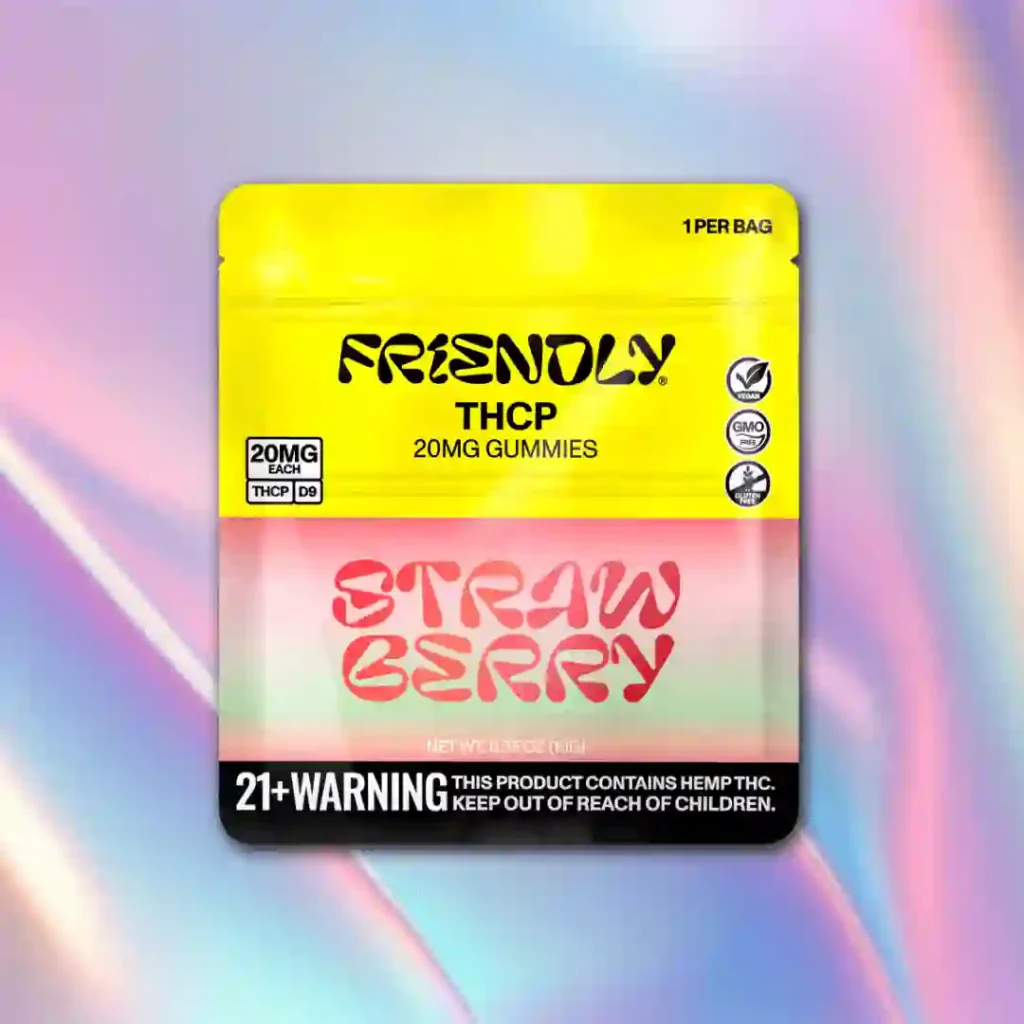
At Friendly Hemp, we’re proud to offer a curated range of Delta-8 products that fully comply with the 2018 Farm Bill. Our products are third-party, lab-tested, crafted from premium hemp, and designed to deliver a consistent and safe experience. We believe in transparency, quality, and the lasting potential of hemp-derived cannabinoids in wellness routines. Contact us today!
You must be logged in to post a comment.
More Similar Posts