Is THCa Legal in Pennsylvania? A Guide
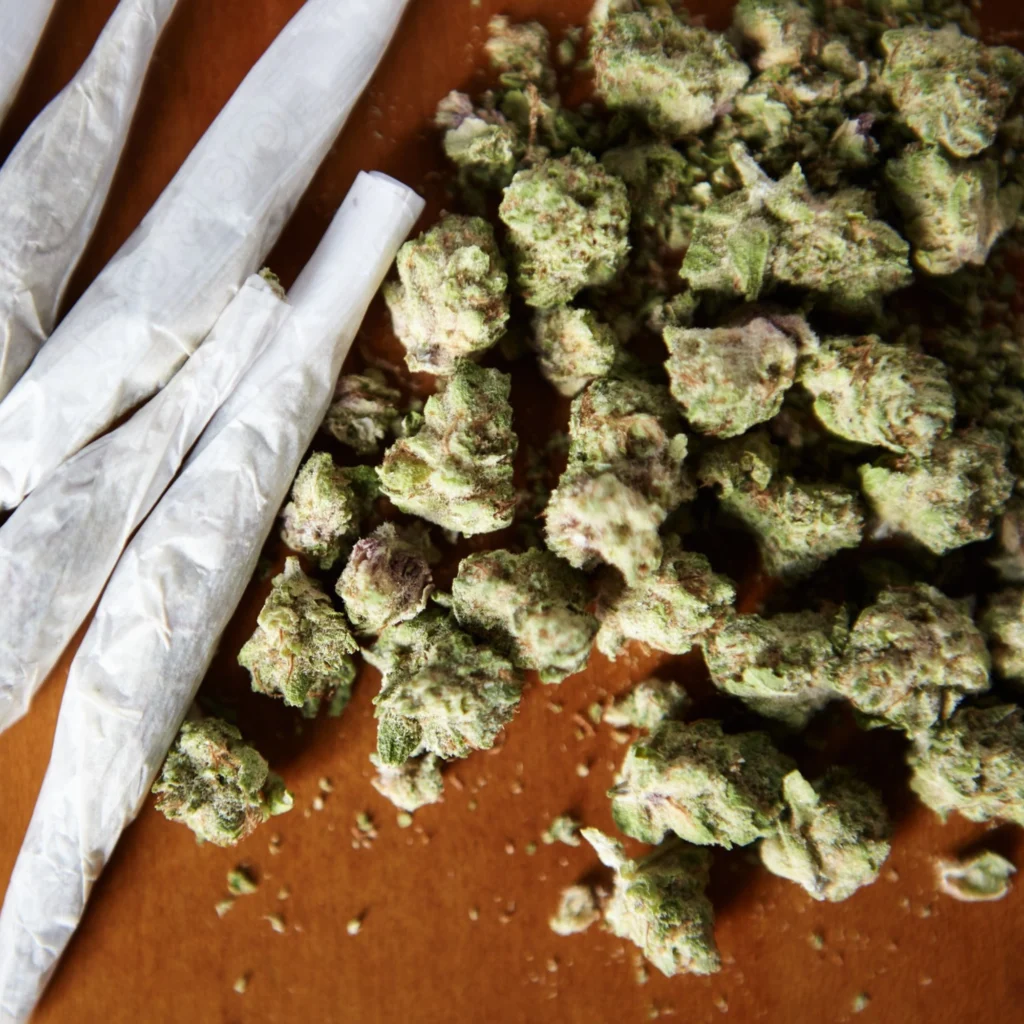
Have you stumbled upon a potent hemp flower that delivers therapeutic benefits without the typical cannabis “high”? Welcome to the world of THCa. However, its legal status can really be a bit of a head-scratcher, especially in places like Pennsylvania. In this guide, we’re diving into the crucial details of ‘is THCa legal in Pennsylvania and what that means for folks exploring therapeutic options.’ Whether you’re just curious or seriously considering THCa for personal use, stick with us to get the lowdown on the legal ins & outs in the Keystone State.
Federal Legal Status of THCA
Because of the 2018 Farm Bill, hemp and its byproducts are legal if they contain under 0.3% THC. Since THCA itself isn’t psychoactive before it’s heated, it technically falls under the hemp category, making it federally legal in its unheated form.
The plot thickens when THCA is heated and morphs into THC, the compound with a buzz. This transformation can push the THC level over the legal threshold, potentially putting THCA products in hot water legally if they’re heated. Plus, enforcement can vary by state, adding layers of confusion for everyone from buyers to sellers and even the cops. Understanding this legal limbo is crucial for navigating the THCA landscape.
THCA Laws In Pennsylvania: What You Need to Know
The legal landscape of THCA involves a dance with both state and federal laws, which is crucial for residents to get rights. While the state has welcomed medical marijuana with open arms, the rules for THCA for the everyday Joe can get a bit murky.
- State Sync with Federal Farm Bill: Like many states, Pennsylvania aligns its hemp regulations with the federal Farm Bill, accepting hemp products with less than 0.3% THC. This means THCA, in its untouched state, is legally A-OK, provided it stays under this THC threshold. But remember, heating THCA turns it into THC, which might tip you into risky legal territory if you’re not careful.
- Medical vs. Non-Medical Use: If you have a medical marijuana card in Pennsylvania, you’re in clearer waters. You can legally enjoy products containing THCA as part of the state’s medical program. However, without that card, the waters get murkier. While raw THCA might fly under the radar because of its low THC content, any heat-induced transformation into THC could have you brushing up against the law.
- Enforcement and Interpretation: It’s worth noting that enforcement of THCA regulations can vary, largely depending on local law enforcement’s interpretation. Pennsylvania’s stance on medical marijuana is straightforward, but THCA remains in a legal gray zone.
- A Word of Caution: Given THCA’s potential to convert to THC, users need to tread carefully, especially if employing methods that involve heat. Crossing the legal THC limit could lead to unexpected legal headaches, even if you believed your product was compliant.
What Are the Differences Between THCA And THC?
These two compounds are found in cannabis and have unique characteristics and legal statuses. Let’s understand this:
- THCA: This is tetrahydrocannabinolic acid, a non-psychoactive cannabinoid found in the raw & unprocessed cannabis plant. THCA is what you’ll find in fresh cannabis and is considered a precursor to THC. It doesn’t make you feel high because it doesn’t really interact with your brain’s cannabinoid receptors in its raw form.
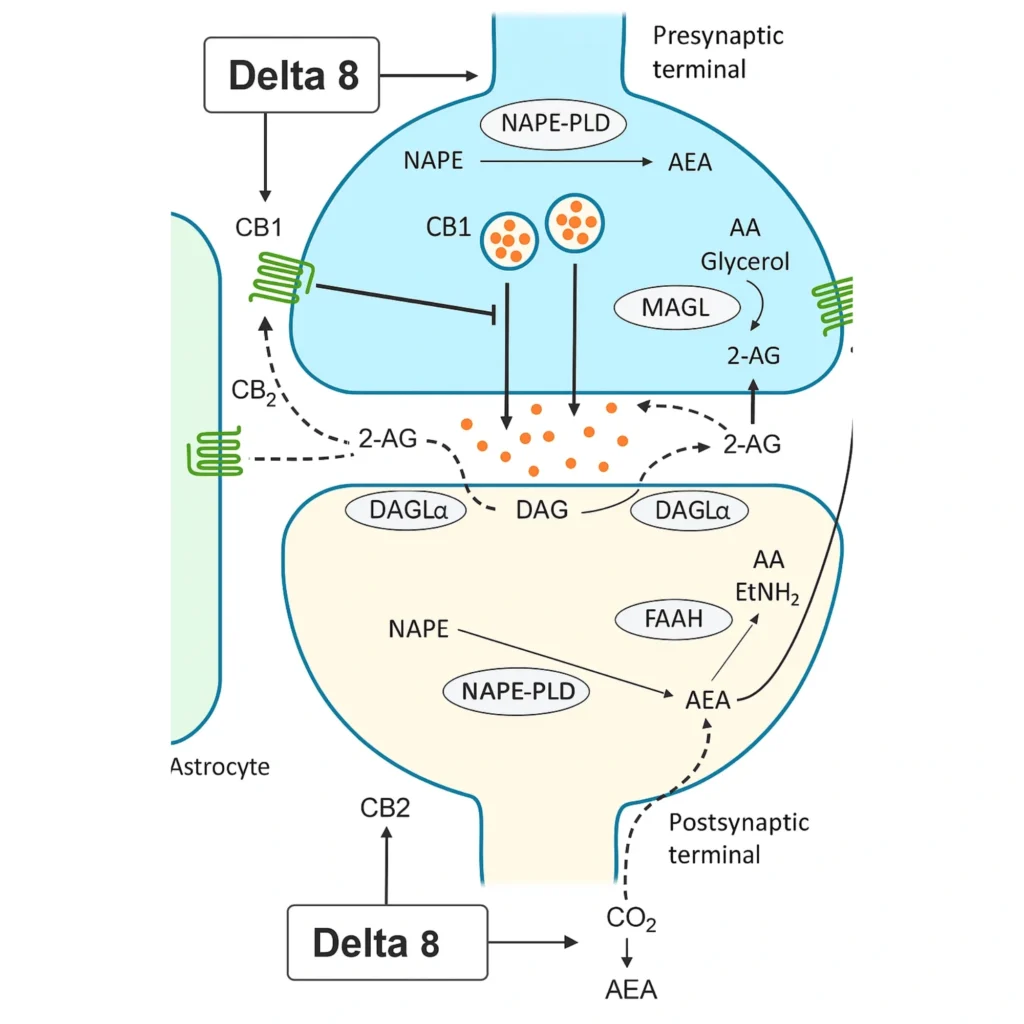
- THC: Here’s the famous (or infamous) delta-9-tetrahydrocannabinol, the star behind the psychoactive effects of cannabis. THC comes into play when THCA is heated through smoking, vaping, or cooking—a process known as decarboxylation. This transformation sheds the carboxyl group from THCA, turning it into the THC that can impact your brain’s receptors.
- Chemical and Legal Differences: The key chemical shift from THCA to THC allows THC to engage with the endocannabinoid system, leading to those well-known psychoactive effects. Legally, while THCA often flies under the radar due to its non-psychoactive status, THC’s mind-altering capabilities put it firmly in the spotlight of federal and state regulations.
How THCA Interacts With Pennsylvania’s Medical Marijuana Program?
While the state supports the medical use of cannabis for registered patients, it’s essential to stick within the THC limits and guidelines set by the program.
- THCA’s Role in Medical Cannabis: THCA is typically found in raw or minimally processed cannabis and offers therapeutic pros without the psychoactive effects associated with THC. This is particularly beneficial for Pennsylvania patients who need symptom relief but want to avoid feeling high, making THCA a valuable option in medical treatment plans.
- Understanding Conversion and Usage: When THCA is heated—say, through vaping or cooking—it transforms into THC and becomes subject to the state’s medical cannabis regulations, which include strict THC dosage limits. It’s vital for patients to understand how their methods of consuming THCA might lead to its conversion into THC, impacting their compliance with the program.
- Staying Compliant with THCA: For patients in Pennsylvania’s medical marijuana program, using THCA in its raw form is generally within the rules. However, careful attention must be paid to how you prepare and use THCA products. Transforming THCA into THC through heating could potentially put you at odds with the program’s regulations.
Future of THCA Regulations In Pennsylvania
As the cannabis industry continues to expand, let’s dive into what could shape the future legal scene for THCA:
- State Laws Could Get a Refresh: As the cannabis sector matures, Pennsylvania might refine its regulations to better manage THCA, especially considering how other states are increasingly legalizing or adjusting their cannabis laws. We could see more specific rules distinguishing raw THCA from the THC it becomes when heated.
- Federal Moves Could Reshape Local Rules: If the feds shift their stance on cannabis—may be moving towards legalization or setting a uniform policy—it could prompt Pennsylvania to rethink its own regulations concerning THCA and its transformation into THC.
- Push from Industry and Consumers: With a rising tide of demand for THCA products and strong advocacy from the cannabis industry, Pennsylvania’s lawmakers might be nudged towards updating laws. This could lead to clearer, more user-friendly regulations that reflect both consumer interests and industry standards, ultimately influencing how THCA is regulated in the Keystone State.
Conclusion
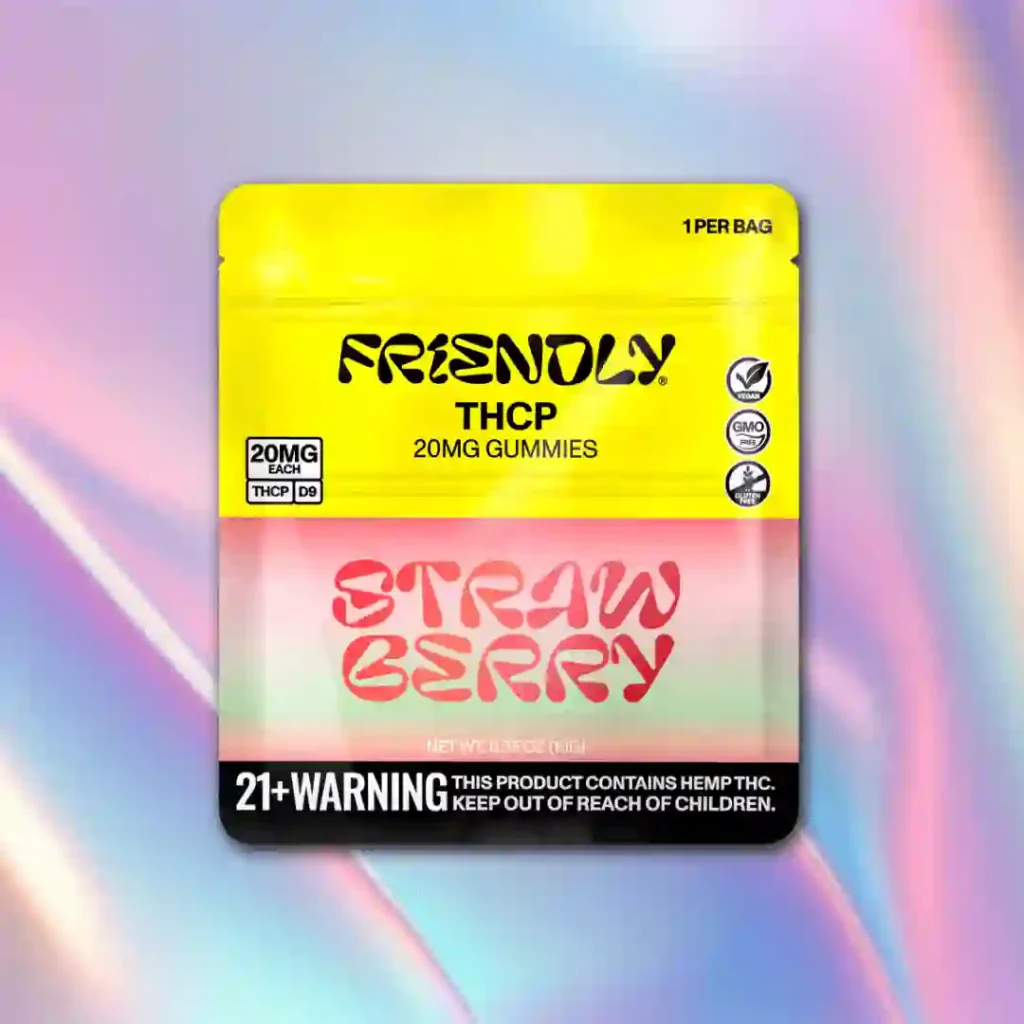
The question, “Is THCa legal in Pennsylvania?” opens up a can of complexities due to the dynamic nature of cannabis laws. For those exploring THCA’s benefits, knowing the legal nuances is crucial—especially since THCA can turn into THC upon heating. While state laws follow federal guidelines, the distinctions aren’t always clear, particularly for non-medical users. As regulations evolve and interest in THCA grows, staying updated is key for anyone looking to use or market THCA products safely and legally in Pennsylvania. And if you want to buy THCA and THC products, then do so from reputed sources like Friendly Hemp. We provide the best quality THCA products that you can trust. Contact us to get yours today!
You must be logged in to post a comment.
More Similar Posts