10 Myths About CBD That You Should Know
CBD is all the rage these days, popping up in celebrity gossip and newsfeeds alike. But with its popularity comes a bunch of misinformation. We’re here to clear the air and debunk some of the most common myths about CBD that you might have come across online or in casual chats. Stick with us as we tackle these myths head-on and set the record straight on what CBD really offers.
Myth No. 1: CBD Comes from Marijuana
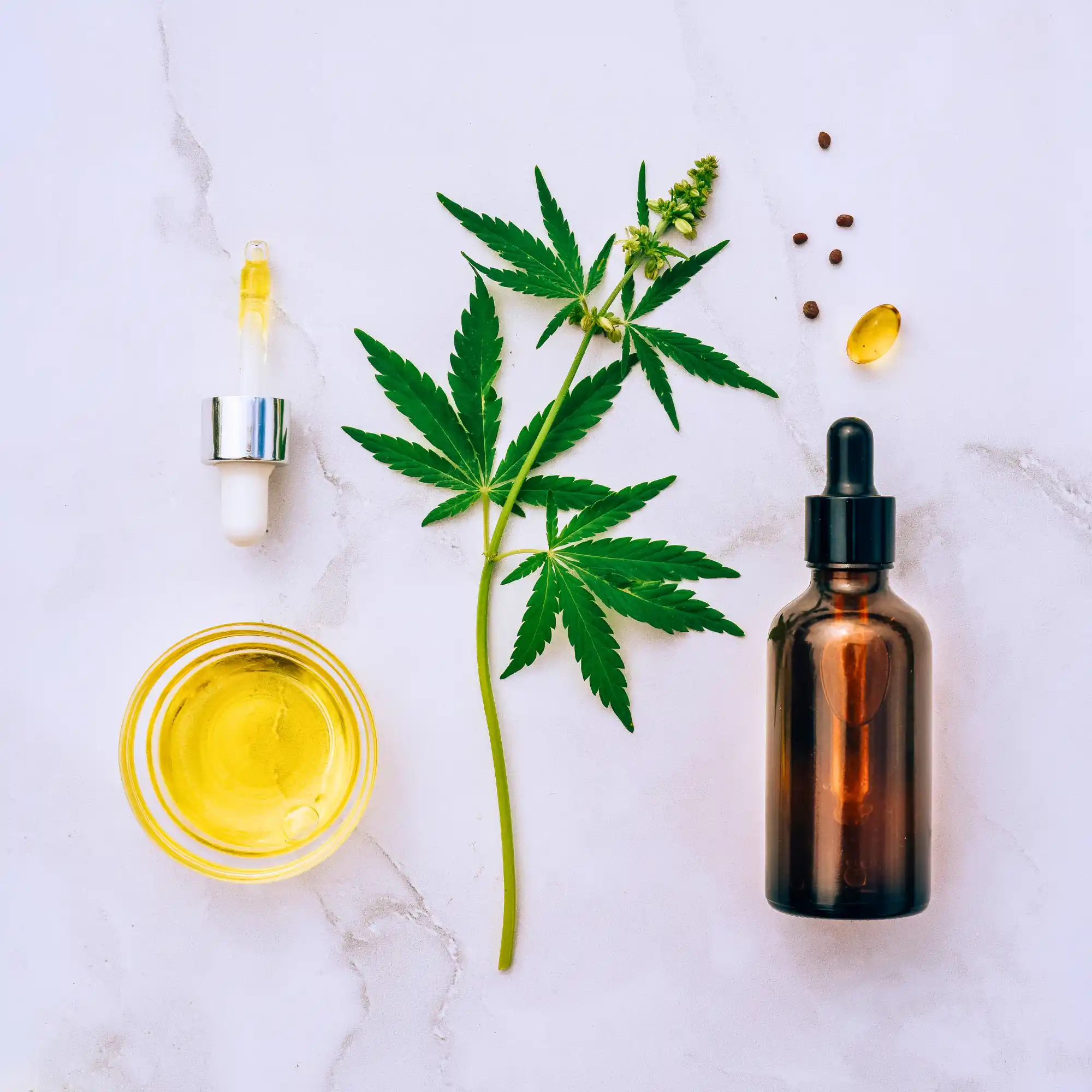
There’s a common misconception that CBD is derived from marijuana, but that’s not the case, especially when it comes to legal CBD oil. Legally, in places like Poland and across the EU, CBD is extracted from industrial hemp, not marijuana. This hemp is grown from Cannabis Sativa seed strains specifically bred to have THC levels below 0.3%, meeting legal standards. Thus, the hemp used is distinctly different from Cannabis indica or marijuana. While THC-rich cannabis can indeed be processed into extracts, these are only available via prescription and are classified differently from over-the-counter CBD oil.
Myth No. 2: CBD Is the Most Valuable Component of Hemp
While CBD is a standout in hemp, touted for its abundance and researched benefits, it’s not the sole star of the show. Hemp is a complex plant boasting other valuable players like THC, CBG, CBN, and terpenes such as limonene, myrcene, and pinene. These compounds also shine in phytotherapy and preventive health. It’s tough to pin down the single most valuable substance in hemp since each component contributes uniquely.
Myth No. 3: CBD Is a Panacea (Cure-All)
It’s easy to get swept up in the claims some overzealous CBD oil sellers make. However, CBD isn’t a miracle cure. While it’s true that CBD oil, as a dietary supplement, supports the body holistically and may aid in the management of various health conditions, it’s not a cure-all.
Cannabidiol works by interacting with cannabinoid receptors throughout the body, helping to regulate and maintain balance within the nervous, hormonal, and immune systems. It’s important to understand that CBD is supportive, not a pharmacological cure, and should be seen as part of a broader health strategy, not a standalone solution.
Myth No. 4: CBD Puts You to Sleep
It’s a common belief that CBD is a sedative, likely because it’s often touted for its stress-relieving and sleep-enhancing benefits. However, CBD doesn’t exactly put you to sleep. Instead, it smartly interacts with your body’s nervous system in a way that aligns with your natural circadian rhythms.
During the day, it can help boost your focus and concentration; at night, it helps calm and relax you, preparing your body for sleep. So, rather than acting as a direct sedative, CBD supports your body’s own regulatory systems to promote wakefulness when needed and relaxation when it’s time to wind down.
Myth No. 5: CBD Is Addictive
There’s a bit of chatter online about CBD being addictive, with some worrying about withdrawal symptoms if they stop taking it. Let’s set the record straight: CBD is not addictive. Scientific studies confirm that CBD doesn’t produce an addictive response or euphoria.
Unlike THC, which is mostly known for its psychoactive effects, CBD does not impact consciousness or foster dependency. In fact, research has shown that CBD can be beneficial for individuals struggling with severe addictions, such as those to heavy drugs or opiates.
Myth No. 6: CBD Lacks Scientific Backing
Think CBD doesn’t have scientific support? Think again! Legal barriers once made studying cannabidiol tough, but since 2018, there’s been a surge in research. Hundreds of studies now highlight CBD’s positive impacts on both humans and animals. Recent findings demonstrate its ability to support the nervous system, ease mental disorders, regulate hormones and immunity, reduce inflammation, and relieve pain, among other benefits.
Cannabidiol-based medications are now prescribed worldwide for conditions like multiple sclerosis, epilepsy, and glaucoma, proving their efficacy through rigorous clinical trials. Plus, the medicinal use of hemp dates back over 3,000 years, with its benefits documented across all continents.
Myth No. 7: CBD Does Not Work On Everyone
It’s a common myth that CBD doesn’t work for everyone, but that overlooks how CBD interacts with the endocannabinoid system (ECS), which all mammals have. CBD works by engaging with this system’s receptors to help regulate various bodily functions. So, why might it work for one person and not another? Often, it boils down to dosage. More isn’t always better. Sometimes, smaller doses taken more frequently can be more effective. Another factor is the quality of the CBD oil.
Myth No. 8: CBD Causes Adverse Effects
There’s a big myth that CBD can cause adverse effects, but that’s just not true. If it were, it wouldn’t be legal in states like South Dakota, where laws are strict against psychoactive substances in foods and supplements. This confusion might stem from mixing up CBD with THC, which is the actual psychoactive component of cannabis. Legally, hemp extracts can only contain up to 0.3% THC, which isn’t enough to produce any adverse effects. While CBD does interact with brain receptors, it doesn’t alter your consciousness as THC does.
Myth No. 9: CBD Is More Effective as an Isolate
There’s a belief that CBD as an isolate—just pure cannabidiol in powder form—is the most effective way to go. However, this overlooks the power of the entourage effect found in full-spectrum CBD oils. Hemp flowers contain hundreds of phyto-compounds like cannabinoids, terpenes, flavonoids, and phenols.
Studies have shown that these compounds work better together, enhancing each other’s effects and improving bioavailability. Full-spectrum oils, which include a complete range of hemp’s natural compounds, tend to offer broader and more potent benefits to the body than CBD isolate.
Myth No. 10: CBD Oil Is Medical Marijuana
The term “medical marijuana” has roots back in the 1950s, coined during a propaganda push to label Indian hemp as a dangerous drug. Nowadays, as we’re rediscovering hemp’s therapeutic benefits, the medical world uses “medical marijuana” for certain drugs and extracts derived from it. However, it’s key to understand that CBD oil, which is produced from industrial hemp, isn’t the same as medical marijuana.
Conclusion
We hope this rundown has helped clear up some of the myths about CBD and set the record straight. Remember, CBD is generally a safe option with potential perks, but the key to reaping those benefits is choosing quality. It’s worth investing a bit more in products from trustworthy, reputable sources like Friendly Hemp, where everything is lab-tested and reliable. If you want to try any of our top-notch CBD offerings, Contact us today!
You must be logged in to post a comment.
More Similar Posts