Does Delta 8 THC Help with Anxiety? Exploring the Evidence
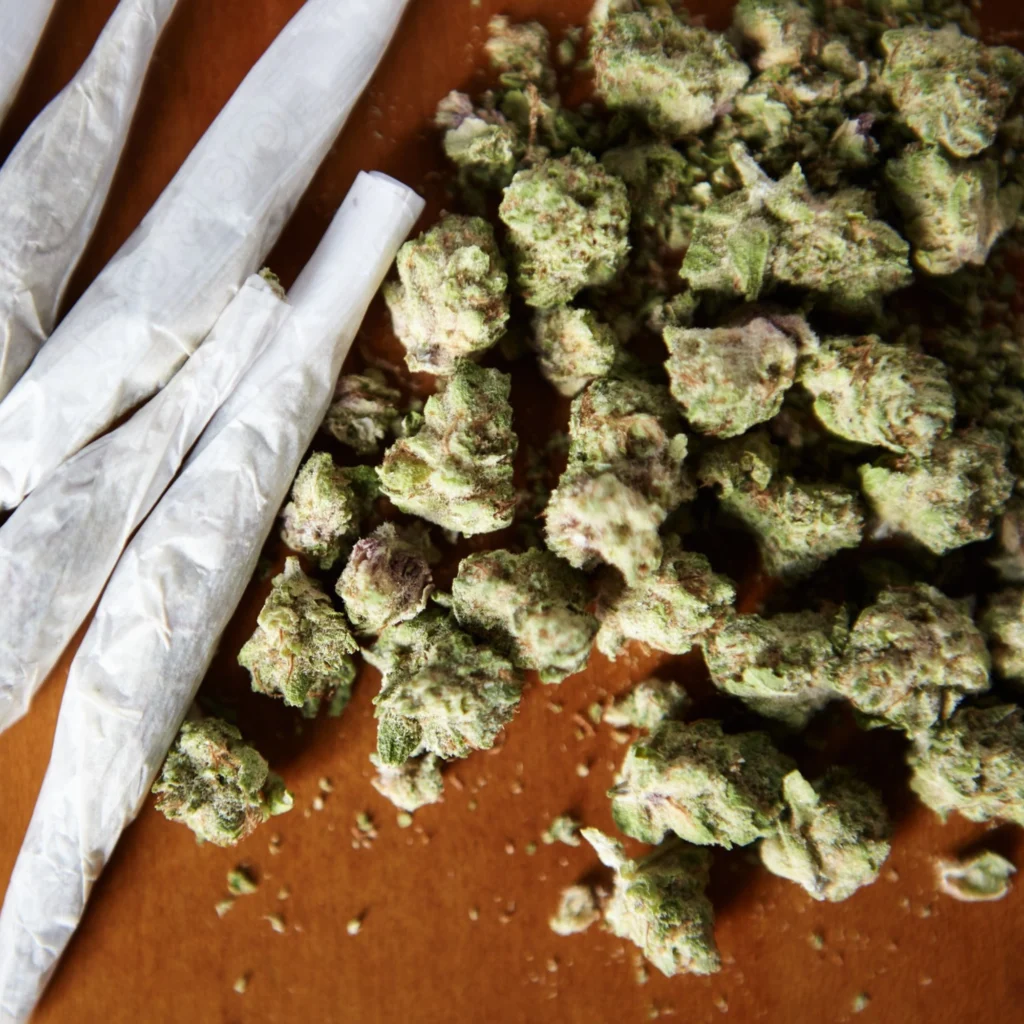
Delta 8 THC has garnered significant attention in the wellness world as a potential alternative to Delta 9 THC for those seeking milder psychoactive effects. Many users report its ability to create a sense of calm and relaxation, raising questions about its potential role in alleviating anxiety. But what does the evidence say, and how does Delta 8 interact with the body to create these effects?
What is Anxiety and How’s It Typically Diagnosed and Treated?
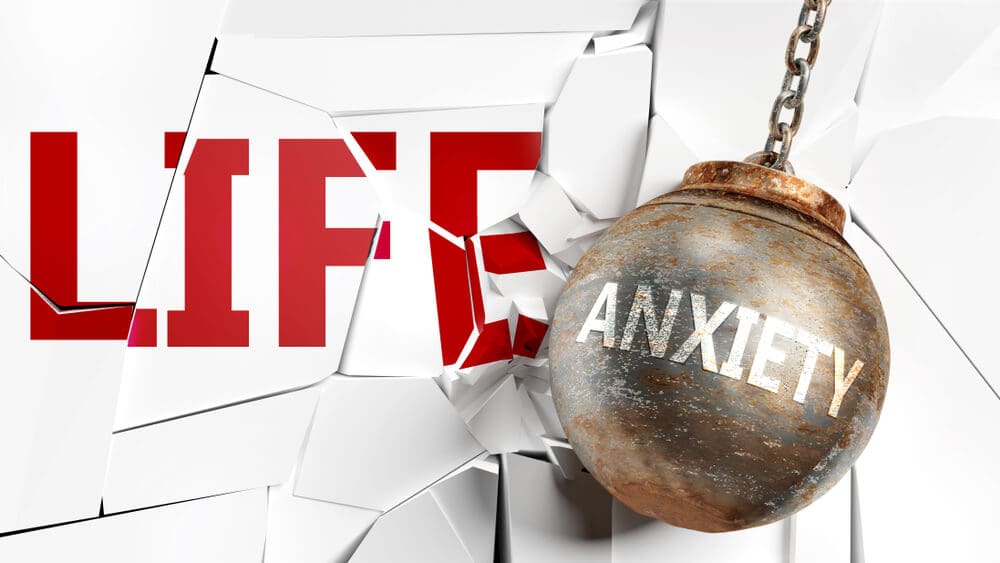
Anxiety is a natural emotional and physical response to stress or perceived threats. It involves feelings of worry, nervousness, or unease, often accompanied by physical sensations like a racing heart, sweating, or restlessness. While occasional anxiety is a normal part of life, persistent or intense anxiety that interferes with daily activities may indicate an anxiety disorder. You see, anxiety disorders are among the most common mental health conditions, affecting millions of people worldwide. They include several subtypes, such as:
- Generalized Anxiety Disorder (GAD): Chronic and excessive worry about various aspects of life.
- Panic Disorder: Recurring panic attacks characterized by intense fear and physical symptoms like chest pain or shortness of breath.
- Social Anxiety Disorder (SAD): Fear of social situations or being judged by others.
- Specific Phobias: Intense fear of a specific object, situation, or activity (e.g., heights, spiders).
- Obsessive-Compulsive Disorder (OCD): Obsessions (persistent, intrusive thoughts) and compulsions (repetitive behaviors).
- Post-Traumatic Stress Disorder (PTSD): Anxiety triggered by traumatic events.
- Separation Anxiety Disorder: Fear of being away from loved ones, common in children but also present in adults.
Diagnosing Anxiety
Anxiety is typically diagnosed by a healthcare professional, such as a psychologist, psychiatrist, or primary care provider. The diagnostic process may include:
- Medical History and Physical Exam: To rule out underlying medical conditions (e.g., hyperthyroidism, heart disease) or substance use that might cause anxiety-like symptoms.
- Psychological Assessment: Structured interviews or questionnaires to evaluate symptoms, their severity, and impact on daily life. Examples of diagnostic tools include the GAD-7 (Generalized Anxiety Disorder Scale) or Beck Anxiety Inventory (BAI).
- DSM-5 Criteria: Healthcare providers use the Diagnostic and Statistical Manual of Mental Disorders, Fifth Edition (DSM-5), to determine if symptoms meet the criteria for an anxiety disorder.
- Observation: A clinician may observe behavior, mood, and physical symptoms during the consultation.
The Different Treatments for Anxiety
The treatment for anxiety depends on its type and severity, along with a case by case basis for overall treatment methods and such. Keep in mind too, that if anxiety significantly impacts your daily life, relationships, or physical health, or if symptoms worsen over time, it’s essential to seek professional help. Early intervention can improve outcomes and prevent symptoms from becoming debilitating.
Treatment Method #1: Psychotherapy
Psychotherapy, also known as talk therapy, is a treatment for mental health issues and emotional challenges through structured conversations between a therapist and a patient. It involves using psychological techniques to help individuals understand, address, and manage their thoughts, feelings, and behaviors. Psychotherapy is typically used to treat a wide range of conditions, such as anxiety, along with depression, trauma, stress, and relationship difficulties. In fact, there are various types of psychotherapy, including:
- Cognitive Behavioral Therapy (CBT): Focuses on identifying and changing negative thought patterns and behaviors.
- Psychodynamic Therapy: Explores unconscious thoughts and past experiences to understand current behavior and emotions.
- Humanistic Therapy: Centers on personal growth, self-acceptance, and fulfilling one’s potential.
- Dialectical Behavior Therapy (DBT): Combines CBT techniques with mindfulness strategies, especially effective for individuals with emotion regulation challenges.
- Interpersonal Therapy (IPT): Addresses interpersonal relationships and social functioning to improve emotional well-being.
Treatment Method #2: Medication
There are different medications that can be properly prescribed, such as:
- Antidepressants: Selective serotonin reuptake inhibitors (SSRIs) like sertraline and fluoxetine are often prescribed.
- Anti-Anxiety Medications: Benzodiazepines (e.g., lorazepam, alprazolam) provide short-term relief but have risks of dependency.
- Beta-Blockers: Sometimes used for physical symptoms like a racing heart.
- Buspirone: Specifically for generalized anxiety disorder.
Treatment Method #3: Lifestyle Changes
Yes, simply making a certain lifestyle change can help in dealing with anxiety, like:
- Exercise: Regular physical activity can reduce stress and improve mood.
- Healthy Diet: Avoiding caffeine and alcohol can help manage symptoms.
- Sleep Hygiene: Maintaining a consistent sleep schedule is crucial for reducing anxiety.
- Relaxation Techniques: Deep breathing, meditation, and yoga can lower stress levels.
Treatment Method #4: Support Groups
A support group for anxiety is a gathering of people who share similar experiences with anxiety. It provides a safe space where individuals can talk about their feelings, challenges, and coping strategies. Members offer each other emotional support, share advice, and encourage one another in managing anxiety. These groups can be led by a trained professional or run by peers, and they help individuals feel less isolated and more understood.
Treatment Method #5: Complementary Therapies
Complementary therapies for anxiety are non-medical treatments that are used alongside traditional therapies to help reduce anxiety. These can include practices like meditation, yoga, deep breathing exercises, acupuncture, or herbal supplements. The goal is to promote relaxation, improve well-being, and manage anxiety symptoms in a natural, holistic way. While they don’t replace medical treatments, they can support mental health and help individuals feel more balanced and calm.
Getting to Know Delta 8 THC a Bit Better
Delta 8 THC, short for delta-8-tetrahydrocannabinol, is a naturally occurring cannabinoid found in the cannabis plant. It is chemically similar to Delta 9 THC, the primary psychoactive compound in cannabis, but with a few key differences:
- Molecular Structure: Delta 8 and Delta 9 THC differ slightly in their molecular arrangement, specifically the location of a double bond in their carbon chain. This subtle variation leads to distinct effects on the body and mind.
- Psychoactive Intensity: Delta 8 THC is often described as a “milder” cousin to Delta 9 THC. While it is psychoactive, the effects are typically less intense, making it an appealing option for those seeking a more balanced experience.
- Legal Landscape: In many places, Delta 8 THC exists in a legal gray area. It’s often derived from hemp, which was federally legalized in the United States under the 2018 Farm Bill. However, its legality can vary by state.
These unique characteristics have sparked interest in Delta 8 THC as a potential tool for relaxation and stress management.
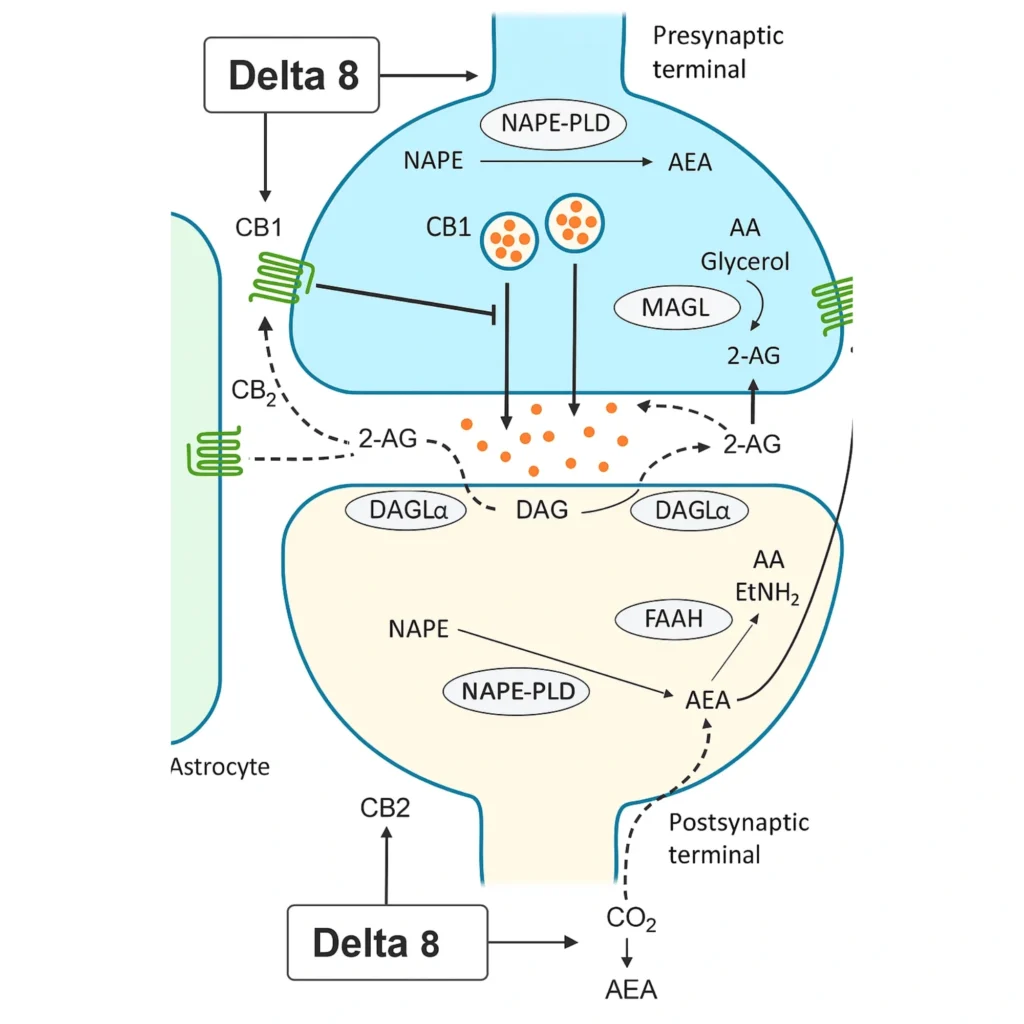
So, to further understand how Delta 8 THC might affect anxiety, it’s essential to examine first, how it actually interacts with the body. Like other cannabinoids, Delta 8 THC interacts with the endocannabinoid system (ECS) – a complex network of receptors, enzymes, and endocannabinoids that help regulate various physiological processes, including mood, stress, and emotional responses. This is broken down into three parts essentially:
- CB1 Receptors: Delta 8 THC binds to CB1 receptors in the brain and central nervous system. This interaction is thought to produce its psychoactive effects, which may include relaxation and a sense of calm.
- CB2 Receptors: While Delta 8 primarily binds to CB1 receptors, it also interacts with CB2 receptors found in the immune system and peripheral tissues. This dual interaction could contribute to its overall effects on the body.
- Modulation of Neurotransmitters: Delta 8 THC may influence the release of neurotransmitters such as dopamine and serotonin, which play crucial roles in mood regulation. This is one reason why some users report feelings of euphoria or reduced stress.
What Does the Research Say Then About Delta 8 THC and Anxiety?
Currently, there is limited scientific research specifically examining the effects of Delta 8 THC on anxiety. Most of the evidence comes from anecdotal reports, early studies, and what is known about cannabinoids in general.
Anecdotal Evidence
Many users claim that Delta 8 THC helps them feel relaxed, calm, and less anxious. These testimonials are often shared on online forums and social media platforms, creating a buzz around its potential benefits for stress and anxiety. However, anecdotal evidence, while valuable, is not a substitute for scientific research.
Preclinical Studies
While direct research on Delta 8 THC and anxiety is sparse, some preclinical studies provide insights. For instance, research on Delta 9 THC indicates that it can both alleviate and exacerbate anxiety depending on dosage, setting, and individual tolerance. Since Delta 8 THC is chemically similar, it’s possible that it may also produce similar effects at lower intensities.
The Role of Terpenes
Many Delta 8 THC products are enhanced with terpenes, which are aromatic compounds found in cannabis. Certain terpenes, such as linalool (found in lavender) and myrcene, are believed to have calming properties. The synergy between Delta 8 THC and these terpenes could contribute to its reported effects on anxiety.
Potential Benefits and Risks/Drawbacks of Taking Delta 8 THC for Anxiety
Like with any cannabinoid and its intended use, there are going to be essentially pros & cons if you will that you will need to weigh in on.
Potential Benefits of Delta 8 THC for Anxiety
Once again, while the scientific evidence is still emerging, some potential benefits of Delta 8 THC for anxiety may include:
- Milder Psychoactive Effects: Unlike Delta 9 THC, which can cause intense euphoria or paranoia at higher doses, Delta 8 THC is often described as producing a smoother, more controlled high. This could make it a more suitable option for those prone to THC-induced anxiety.
- Relaxation and Stress Reduction: Many users report feeling relaxed and stress-free after using Delta 8 THC, which may help create a sense of calm in high-pressure situations.
- Enhanced Focus: Some anecdotal accounts suggest that Delta 8 THC provides mental clarity and focus, which can be beneficial for managing situational anxiety or tackling overwhelming tasks.
Potential Risks and Drawbacks
While Delta 8 THC may offer some benefits, it’s essential to approach it with caution:
- Dosage Sensitivity: The effects of Delta 8 THC can vary significantly based on dosage. Taking too much can lead to undesirable effects, such as drowsiness or impaired cognitive function, which may exacerbate anxiety in some individuals.
- Individual Variation: Everyone’s body reacts differently to cannabinoids. Factors such as genetics, tolerance, and overall health can influence how Delta 8 THC affects anxiety.
- Lack of Regulation: Because Delta 8 THC exists in a legal gray area, the quality and safety of products can vary widely. Contaminants or inaccurate labeling could pose risks to consumers.
- Psychological Effects: While Delta 8 THC is less likely to cause paranoia compared to Delta 9 THC, it is still psychoactive and may not be suitable for everyone, particularly those with a history of severe anxiety or mental health conditions.
Using Delta 8 THC Safely
If you’re considering Delta 8 THC as part of your wellness routine, here are some tips for safe use:
- Start Low, Go Slow: Begin with a small dose to gauge your body’s response. This is especially important if you’re new to cannabinoids or have a low tolerance.
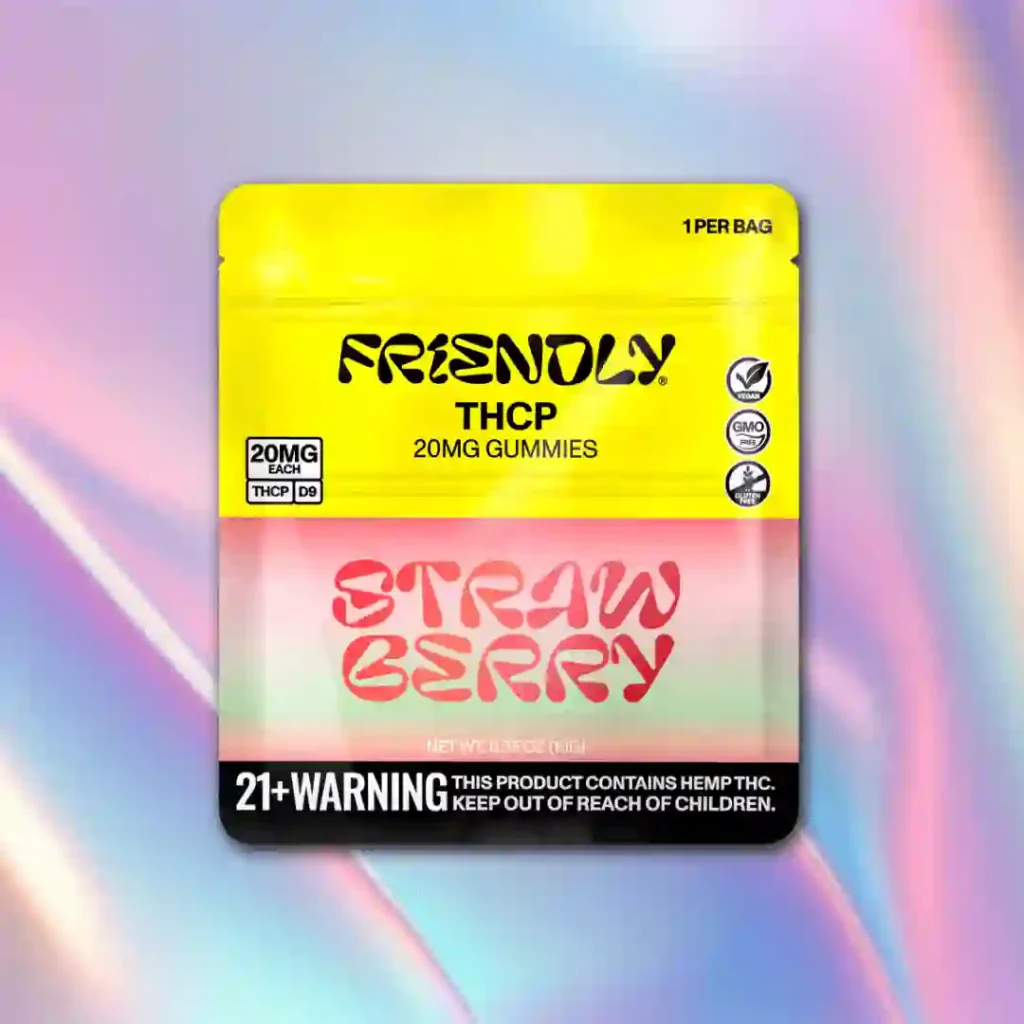
- Choose High-Quality Products: Look for Delta 8 THC products that have been third-party tested for purity, potency, and safety. Reputable brands like Friendly Hemp will provide certificates of analysis (COAs) to verify product quality.
- Combine with Calming Practices: Delta 8 THC may complement other relaxation techniques, such as meditation, deep breathing, or yoga, to help manage stress.
- Consult a Healthcare Professional: If you’re dealing with chronic anxiety or taking other medications, consult a healthcare provider before using Delta 8 THC to ensure it’s safe and appropriate for you.
Delta 8 THC’s Potential to Help with Anxiety Remains an Area of Emerging Interest
Overall, until more data is gathered, Delta 8 THC should be approached with an open mind and used responsibly, keeping individual needs and tolerances in mind. Meaning, if you’re considering Delta 8, prioritize safety, choose reputable products, and consult with a healthcare provider if necessary. As the cannabis industry continues to evolve, ongoing research will provide clearer answers about Delta 8 THC’s role in managing anxiety. Until then, it’s essential to stay informed and make decisions based on credible evidence and personal experience.
Please Note: This information is only valid as per December 9th, 2024.
You must be logged in to post a comment.
More Similar Posts