Is Delta 9 THC Stronger than Delta 8 THC?
The cannabis world is packed with intriguing compounds, each offering a unique experience. Among the many cannabinoids, Delta 9 THC and Delta 8 THC are two of the most popular. While both are known for their psychoactive effects, many users wonder which one packs a stronger punch. Today, we’ll dive into the differences between these two cannabinoids and explore which one takes the crown in terms of potency and effects.
What are Cannabinoids?
Cannabinoids are naturally occurring compounds found in cannabis plants. These compounds interact with the body’s endocannabinoid system (ECS), a network of receptors that help regulate a variety of functions, including mood, pain sensation, appetite, and sleep. Cannabinoids are responsible for the effects we associate with cannabis consumption, from the psychoactive high to the potential therapeutic benefits.
The cannabis plant contains over 100 different cannabinoids, each with its own unique properties. Some of the most well-known cannabinoids include THC (tetrahydrocannabinol) and CBD (cannabidiol). THC is the primary psychoactive component in cannabis, but even within the THC family, there are different variants—Delta 8 THC and Delta 9 THC being two of the most prominent.
First, Getting to Know Delta 9 THC and Delta 8 THC
Before we determine which of these two cannabinoids is stronger, let’s get to know each one a little better.
What You Gotta Know About Delta 9 THC
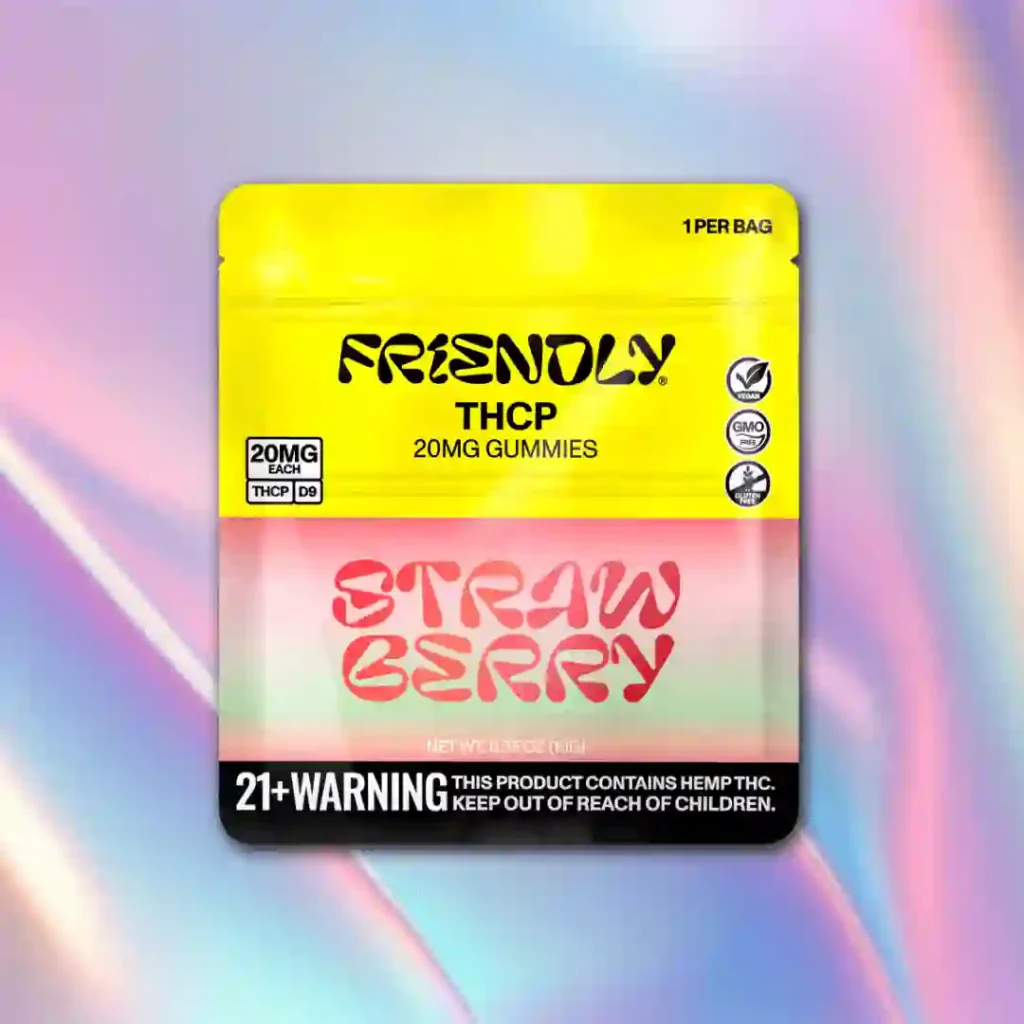
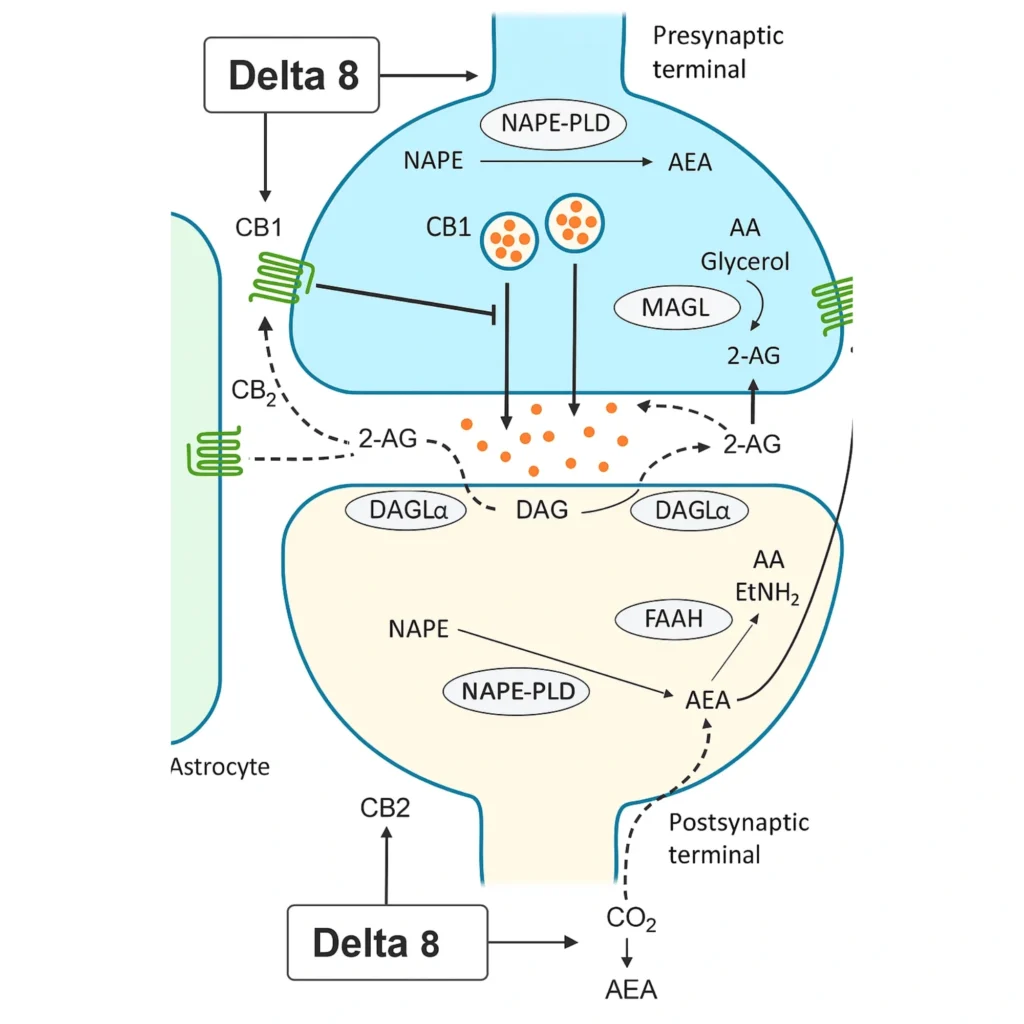
Delta 9 THC is the most abundant psychoactive compound found in cannabis. It’s what most people refer to simply as “THC”. When consumed, like in a gummy form, Delta 9 THC binds to CB1 receptors in the brain, producing the euphoric high that cannabis is known for.
Key features of Delta 9 THC include:
- Potency: Delta 9 THC is known for its intense effects, which can range from euphoria and enhanced sensory perception to altered time perception and increased appetite. It’s the go-to choice for those seeking a potent high.
- Common Effects: Users often experience a sense of relaxation, happiness, and sometimes even giggles. However, high doses can also lead to side effects like anxiety, paranoia, or increased heart rate.
- Legal Status: Delta 9 THC is federally illegal in the U.S., though it’s legal for medical or recreational use in many states. In states where it’s legal, Delta 9 THC is widely available in forms like flower, edibles, concentrates, and tinctures.
Delta 9 THC is ideal for those who enjoy a robust, mind-altering experience, but it’s also the compound most likely to cause discomfort if taken in excess, especially for those new to THC.
What You Gotta Know About Delta 8 THC
Delta 8 THC, a minor cannabinoid found in smaller quantities in cannabis, is often derived from hemp. It has gained popularity for providing a milder high compared to Delta 9 THC, making it appealing to those who want to enjoy the effects of THC without the intensity.
Key features of Delta 8 THC include:
- Milder High: Delta 8 THC offers a more laid-back experience, often described as being less likely to cause anxiety or paranoia. It’s a good option for beginners or those who prefer a more manageable high.
- Common Effects: Users report feelings of relaxation, mild euphoria, and a calming sense of well-being. Delta 8 is also known for its potential anti-nausea properties, which makes it a popular choice for those seeking relief without a strong high.
- Legal Status: Thanks to the 2018 Farm Bill, Delta 8 THC derived from hemp is legal in many U.S. states. However, its legal status varies by state, and it’s important to check local laws before purchasing.
Delta 8 THC is perfect for those looking to unwind without the risk of an overwhelming experience. It’s often described as a “lighter” version of Delta 9 THC, making it popular for daytime use or for those new to THC.
Delta 9 THC vs. Delta 8 THC: Which is Stronger?
When it comes to potency, Delta 9 THC generally takes the crown. Its stronger psychoactive effects make it the go-to cannabinoid for those seeking a powerful high. Delta 9 THC binds more readily to CB1 receptors in the brain, leading to a more intense experience that affects both the mind and body.
Delta 8 THC, on the other hand, offers a subtler high. While it still binds to CB1 receptors, its affinity is slightly weaker than that of Delta 9, resulting in a gentler effect. Users often describe Delta 8 as delivering a smoother, more clear-headed high that’s less likely to cause anxiety.
In terms of psychoactivity, Delta 9 is about twice as potent as Delta 8. That means you’d need a higher dose of Delta 8 to achieve the same effects as a smaller amount of Delta 9. However, Delta 8’s milder nature makes it more appealing to those who want the benefits of THC without the risk of an overpowering high.
Can Delta 9 THC’s Strength and Delta 8 THC’s Strength Be Enhanced?
While Delta 9 THC is naturally stronger than Delta 8, there are ways to enhance the effects of both cannabinoids, depending on your preferences and tolerance.
- Increasing Dosage: The most straightforward way to enhance the effects of either cannabinoid is by increasing the dosage. However, this approach should be approached cautiously, especially with Delta 9 THC, as it can easily lead to overwhelming effects and potential side effects like anxiety or paranoia.
- Consuming with Fatty Foods: THC is fat-soluble, meaning it’s more readily absorbed when consumed with fats. Eating a fatty meal before consuming Delta 8 or Delta 9 THC can enhance the absorption rate and increase the intensity of the effects.
- Blending with Other Cannabinoids: The entourage effect suggests that cannabinoids work better together. By combining Delta 8 or Delta 9 with other cannabinoids like CBD, CBG, or even terpenes, users can potentially enhance and balance the overall experience. For example, CBD can counteract some of the anxiety-inducing effects of Delta 9, making it more tolerable for some users.
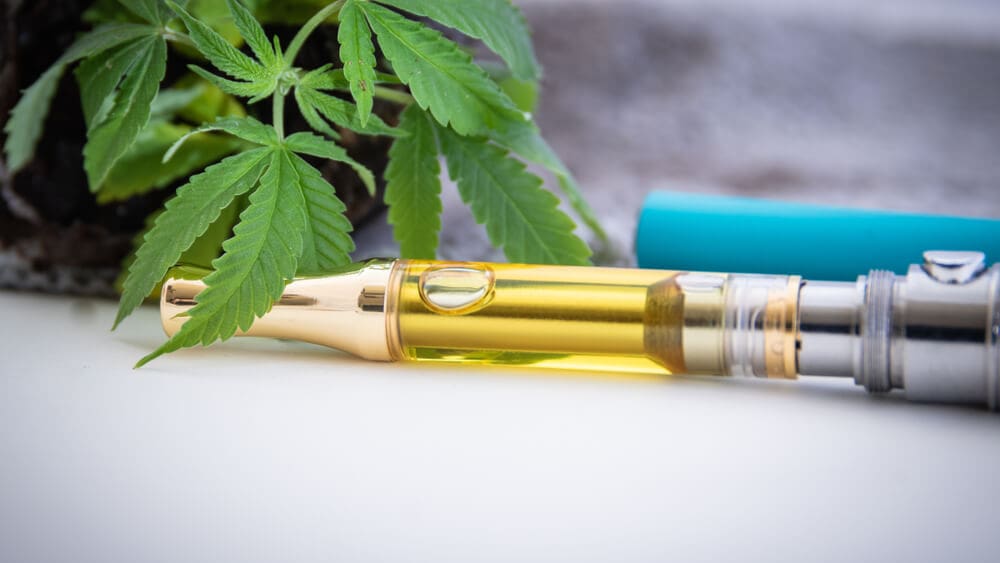
- Trying Different Consumption Methods: Different methods of consumption can also impact the potency of the experience. Smoking or vaping Delta 8 or Delta 9 THC leads to quicker and often more intense effects, while edibles provide a slower onset with longer-lasting results. Concentrates like wax or shatter offer a highly potent experience, suitable for more experienced users.
- Using Delta 8 and Delta 9 Together: Some products combine both Delta 8 and Delta 9 THC, allowing users to experience a blend of their effects. By balancing the two, users can enjoy the calming effects of Delta 8 alongside the euphoria of Delta 9, creating a balanced high that’s potent but more manageable than Delta 9 alone.
While enhancing the strength of either Delta 8 or Delta 9 THC can lead to a more intense experience, it’s important to approach these strategies with mindfulness and care. Especially for those new to THC, starting with low doses and gradually increasing can help prevent any unwanted side effects.
And The Strongest Cannabinoid Winner Is…
When it comes to sheer strength, Delta 9 THC emerges as the winner. Its potent psychoactive effects make it the go-to choice for users seeking an intense, mind-altering experience. However, strength isn’t everything. For those looking for a more moderate, relaxing high without the potential for anxiety, Delta 8 THC offers an appealing alternative.
Both Delta 9 and Delta 8 THC have their unique benefits and appeal to different types of users. If you’re looking for a powerful high, Delta 9 THC is the way to go. But if you’re after a smoother, more relaxed experience, Delta 8 THC provides a fantastic option. No matter which cannabinoid you choose, understanding their differences and effects can help you make the best choice for your preferences and needs.
You must be logged in to post a comment.
More Similar Posts