Does Delta 8 THC Interact with Medications?
Delta 8 THC, a cannabinoid that’s quickly gaining popularity, offers a unique, mellow high that many users find appealing. As more people explore Delta 8 for its bliss-like effects, a critical question arises: does it interact with medications? For those who rely on prescription or over-the-counter drugs, understanding how Delta 8 THC may interact with these substances is essential for safe and effective use.
What are Prescription and Nonprescription Drugs?
Prescription and nonprescription drugs, commonly known as over-the-counter (OTC) medications, form the backbone of modern healthcare. Prescription drugs are specifically tailored treatments that require a healthcare provider’s approval, while OTC medications are generally deemed safe for self-administration to treat minor ailments.
Prescription Drugs: Uses, Types, and Forms
Prescription drugs cover a broad spectrum of treatments for conditions ranging from mild to life-threatening. They come in various types and forms, each designed to address specific health issues:
- Antibiotics: Used to fight bacterial infections.
- Antidepressants: Aimed at managing symptoms of depression, anxiety, and other mood disorders.
- Antihypertensives: Focused on controlling high blood pressure.
- Pain Relievers: Ranging from non-narcotic options like acetaminophen to opioids like morphine for severe pain.
- Hormones: Including birth control pills, thyroid medications, and hormone replacement therapies.
Prescription drugs are available in forms such as pills, capsules, injectables, and topical creams. The specific form and dosage depend on the condition being treated, the patient’s age, and other individual factors.
Nonprescription Drugs: Uses, Types, and Forms
Nonprescription drugs, or OTC medications, provide potential relief for a variety of minor health issues without needing a doctor’s prescription. They’re commonly used to address headaches, colds, allergies, and digestive problems. Some widely used OTC drugs include:
- Analgesics: Pain relievers like ibuprofen and aspirin.
- Antihistamines: For allergy relief, such as diphenhydramine (Benadryl) or loratadine (Claritin).
- Cough Suppressants: Like dextromethorphan for cold and flu symptoms.
- Antacids: For indigestion and heartburn, such as Tums or Pepto-Bismol.
OTC medications come in various forms, including tablets, syrups, topical creams, and lozenges. While OTC drugs are generally considered safe, they can interact with prescription medications or other substances, including cannabinoids like Delta 8 THC.
A Quick Insight into Delta 8 THC and Its Effects
Delta 8 THC is a naturally occurring cannabinoid found in cannabis plants, offering a less potent psychoactive experience compared to Delta 9 THC. Many users appreciate Delta 8 for its milder effects, which tend to produce a calm and chilled out feeling.
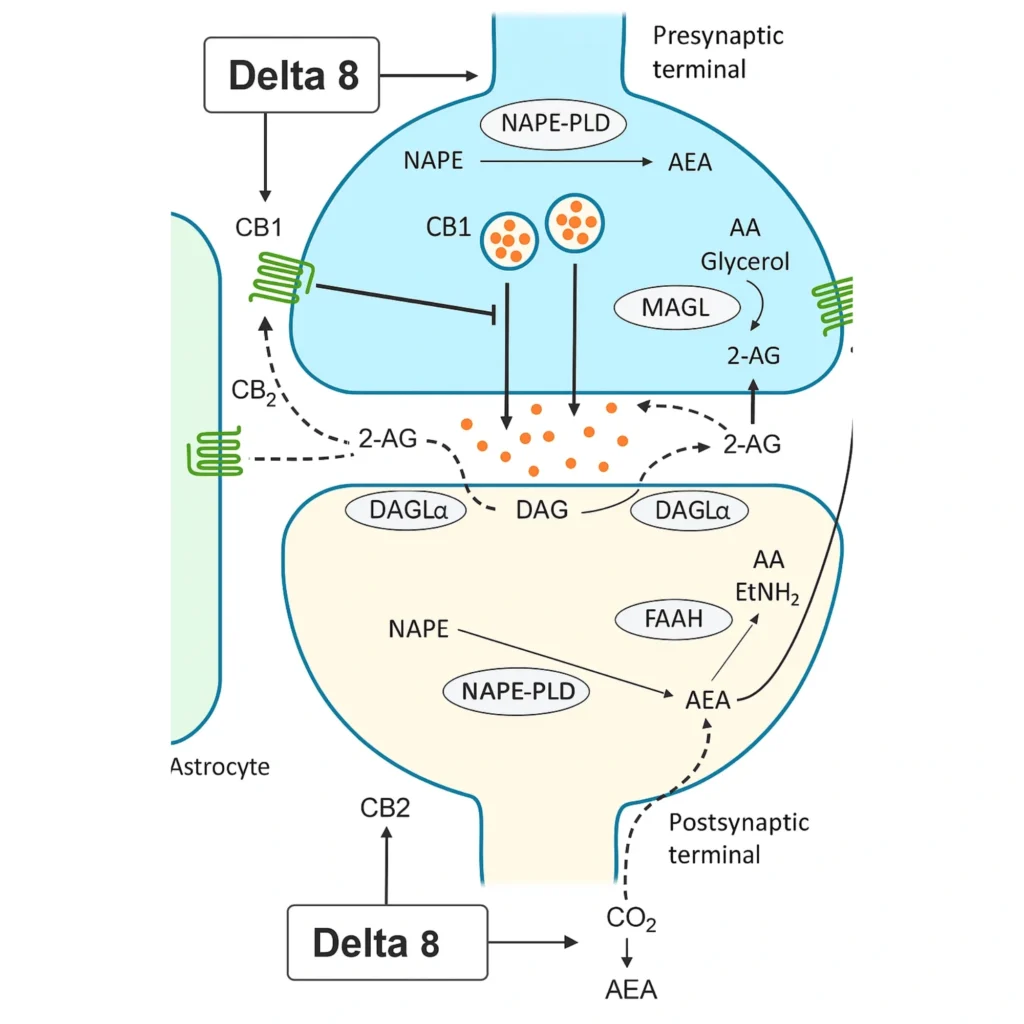
You see, Delta 8 THC interacts with the endocannabinoid system (ECS), binding primarily to CB1 receptors in the brain and central nervous system. These interactions influence various physiological functions, including mood, pain perception, and appetite. Due to its moderate effects, Delta 8 is often considered a more accessible option for those who may be sensitive to Delta 9 THC or new to cannabis products.
While many users find Delta 8 beneficial, it’s essential to understand how it may interact with other substances, especially if you’re taking prescription or nonprescription medications. Again, cannabinoids, including Delta 8, can potentially influence the effectiveness and safety of various drugs by interacting with the enzymes that metabolize them.
So, the Question for Those Who are Taking Meds Then: “Does Delta 8 THC Interact with Medications?”
The possibility of drug interactions is a valid concern for anyone considering Delta 8 THC while on medication. Delta 8 THC, like other cannabinoids, is metabolized by the liver, primarily through enzymes in the cytochrome P450 family (specifically CYP3A4). These enzymes are responsible for breaking down many commonly used drugs. When Delta 8 is introduced, it can compete with medications for the same enzymes, potentially leading to altered blood levels of either substance.
How Delta 8 is Processed in the Human Body
When consumed, Delta 8 THC enters the bloodstream and is processed by the liver, where it undergoes metabolism via the cytochrome P450 enzyme system. This process breaks down Delta 8 into smaller compounds that can be excreted through urine and feces. The interaction with cytochrome P450 enzymes is crucial because these enzymes also metabolize a wide range of medications, from blood thinners to antidepressants.
If Delta 8 inhibits these enzymes, it can slow down the metabolism of certain drugs, leading to higher concentrations in the bloodstream. Conversely, if it induces these enzymes, it can accelerate the metabolism of drugs, reducing their efficacy. Understanding how Delta 8 is processed helps to shed light on the potential for interactions with various medications.
Who Should and Shouldn’t Be Attempting to Take Delta 8 When on Medications
While Delta 8 THC may be well-tolerated by some, others should exercise caution or consult a healthcare provider before using it alongside medication:
People Who May Consider Delta 8 with Medical Guidance:
- Those on Low-Dose, Non-Critical Medications: If you’re taking medications that don’t have strict dosage requirements, such as vitamins or mild antihistamines, the risk of interaction may be lower, but it’s still advisable to consult a professional.
- Occasional Delta 8 Users: If you only use Delta 8 THC sporadically and in low doses, the risk of significant drug interactions may be minimized. However, periodic use does not eliminate the possibility of interactions entirely.
- Those on Medications Metabolized Outside of the Cytochrome P450 Pathway: Not all drugs are metabolized by the cytochrome P450 enzymes. If your medication is processed by a different pathway, Delta 8 THC may have a reduced impact on its metabolism.
People Who Should Avoid Delta 8 Without Medical Approval:
- Individuals on Blood Thinners: Drugs like warfarin are particularly sensitive to changes in blood levels, and interactions with Delta 8 could increase the risk of adverse effects, such as bleeding.
- Those Taking Antidepressants or Anti-Anxiety Medications: Medications like SSRIs and benzodiazepines can be influenced by cannabinoid interactions, potentially altering their effectiveness and leading to side effects.
- People on Medication for Chronic Conditions: If you’re taking medications for chronic illnesses, such as diabetes, hypertension, or epilepsy, consult your healthcare provider before introducing Delta 8 THC to avoid any adverse interactions.
- Patients on High-Dose Medications: High-dose medications require precise management, and any alteration in drug levels can significantly impact their effectiveness. Introducing Delta 8 THC in such cases without guidance could result in unintended side effects.
Factors That Determine Delta 8’s Interaction with Medications
Several factors influence how Delta 8 THC might interact with medications, including:
- Dosage of Delta 8 THC: Higher doses of Delta 8 THC are more likely to produce noticeable interactions due to the increased load on the liver’s enzyme system. Keeping Delta 8 doses low may reduce the risk of interactions but does not eliminate it.
- Frequency of Use: If you frequently consume Delta 8, it can consistently impact enzyme levels, leading to prolonged effects on drug metabolism. Occasional users may experience fewer interactions, but repeated use increases the likelihood of interactions.
- Method of Consumption: Yes, the product type/delivery method can have an impact. For instance, inhaled Delta 8 typically has a faster onset and shorter duration than ingested forms like edibles (like gummies for example). The quicker metabolism of inhaled Delta 8 might lead to different interaction dynamics compared to slower-acting edible forms.
- Metabolism and Genetic Factors: Everyone’s body metabolizes cannabinoids differently. Genetic variations in cytochrome P450 enzymes can make some individuals more susceptible to drug interactions, as they may naturally process drugs at a faster or slower rate.
- Other Substances Ingested: If you’re consuming other cannabinoids, such as CBD, alongside Delta 8, the interaction potential increases. Each cannabinoid affects enzyme systems differently, and thus, combining them can amplify these effects.
How Soon Could You Notice an Interaction When Taking Delta 8 THC with Medications Anyways?
The timeframe for noticing interactions between Delta 8 THC and medications can vary based on several factors. For some people, interactions might be apparent within hours, while others may not experience any noticeable effects immediately.
- Rapid-Onset Symptoms: For drugs with quick effects, such as certain painkillers or anti-anxiety medications, interactions with Delta 8 THC could become noticeable within an hour of consumption. Symptoms might include increased drowsiness, heightened effects, or unexpected side effects.
- Gradual Interactions: For medications with longer action periods, such as antidepressants or antipsychotics, interactions may take days or even weeks to become evident. Changes in mood, effectiveness, or other symptoms may develop over time.
- No Noticeable Symptoms: In some cases, interactions may not produce noticeable symptoms but could still affect the drug’s efficacy. Routine blood tests or medical check-ups can help detect subtle interactions that might not be immediately apparent to the user.
When on Certain Medications, It’s Best to Be Safe Than Sorry When Introducing Delta 8 THC into Your Body
Introducing Delta 8 THC into your routine while taking medications requires careful consideration and, ideally, consultation with a healthcare provider. While many enjoy the potential effects of Delta 8, the risk of interactions can vary based on individual factors, types of medication, and dosage. Prioritizing your safety and well-being by seeking professional healthcare guidance ensures you can enjoy the benefits of Delta 8 THC without compromising your health.
You must be logged in to post a comment.
More Similar Posts