Does Delta 8 THC Help You Sleep?
Delta 8 THC is a buzzword in the cannabis community, especially for those looking to explore its potential benefits. Known for delivering a mild, calming high, it’s often touted as a more manageable option compared to Delta 9 THC. But as more people seek natural solutions for sleep issues, a growing question arises: can Delta 8 THC help you sleep? Let’s delve into the details to uncover whether this trendy cannabinoid might be the answer to your nighttime woes.
Why Do People Need an Adequate Amount of Sleep Every Night?
Adequate sleep is crucial for overall health and well-being. Plus, prioritizing good sleep hygiene can lead to significant improvements in these areas below:
- Physical Health: Sleep is essential for the body’s repair processes. During sleep, the body repairs tissues, builds muscle, and synthesizes proteins. This is important for physical recovery and overall health.
- Mental Functioning: Sleep plays a vital role in cognitive functions such as memory, learning, problem-solving, and decision-making. A lack of sleep can impair attention and concentration, making it harder to focus and retain information.
- Emotional Regulation: Adequate sleep helps regulate emotions and mood. Insufficient sleep can lead to irritability, anxiety, and increased stress levels. It can also exacerbate mood disorders like depression.
- Immune Function: Quality sleep strengthens the immune system. During sleep, the body releases cytokines, which are proteins that help combat infections and inflammation. Lack of sleep can weaken the immune response, making individuals more susceptible to illness.
- Hormonal Balance: Sleep is involved in regulating hormones that control appetite, metabolism, and stress. Poor sleep can disrupt these hormones, potentially leading to weight gain and other metabolic issues.
- Cardiovascular Health: Sleep is linked to heart health. Insufficient sleep has been associated with increased blood pressure and a higher risk of cardiovascular diseases.
- Longevity: Studies suggest that consistent lack of sleep may be linked to a shorter lifespan. Quality sleep is associated with better overall health and longevity.
- Performance and Safety: For those who drive or operate machinery, adequate sleep is crucial for safety. Sleep deprivation can lead to slower reaction times and decreased alertness, increasing the risk of accidents.
What are Some Ways a Person Can Get a Good Night’s Sleep?
Since getting a good night’s sleep is essential for overall health and well-being, implementing these tips can help create a healthier sleep environment and improve your overall sleep quality:
- Establish a Sleep Schedule: Go to bed and wake up at the same time every day, even on weekends. This helps regulate your body’s internal clock.
- Create a Relaxing Bedtime Routine: Engage in calming activities before bed, such as reading, listening to soothing music, or practicing relaxation techniques like deep breathing or meditation.
- Make Your Sleep Environment Comfortable: Ensure your bedroom is conducive to sleep—dark, quiet, and cool. Consider using blackout curtains, earplugs, or a white noise machine.
- Limit Exposure to Screens: Reduce screen time from phones, tablets, and computers by at least an hour before bed. The blue light emitted by screens can interfere with melatonin production.
- Watch What You Eat and Drink: Avoid large meals, caffeine, and alcohol close to bedtime. Instead, opt for a light snack if you’re hungry.
- Get Regular Exercise: Regular physical activity can help you fall asleep faster and enjoy deeper sleep. However, avoid vigorous exercise close to bedtime.
- Limit Naps: If you take naps, keep them short (20-30 minutes) and avoid napping late in the day.
- Manage Stress and Anxiety: Practice stress-reducing techniques such as yoga, mindfulness, or journaling to help calm your mind.
- Seek Professional Help if Necessary: If you continue to have trouble sleeping despite trying these strategies, consider speaking with a healthcare provider. They can help identify any underlying issues or sleep disorders, and come up with a sound plan, such as prescribing certain sleep aids or supplement suggestions.
A Quick Insight into Delta 8 THC
Delta 8 THC, a cannabinoid found in trace amounts in cannabis plants, is structurally similar to the more widely known Delta 9 THC. However, Delta 8 THC tends to produce a milder, more relaxing high, often described as smoother and less anxiety-inducing.
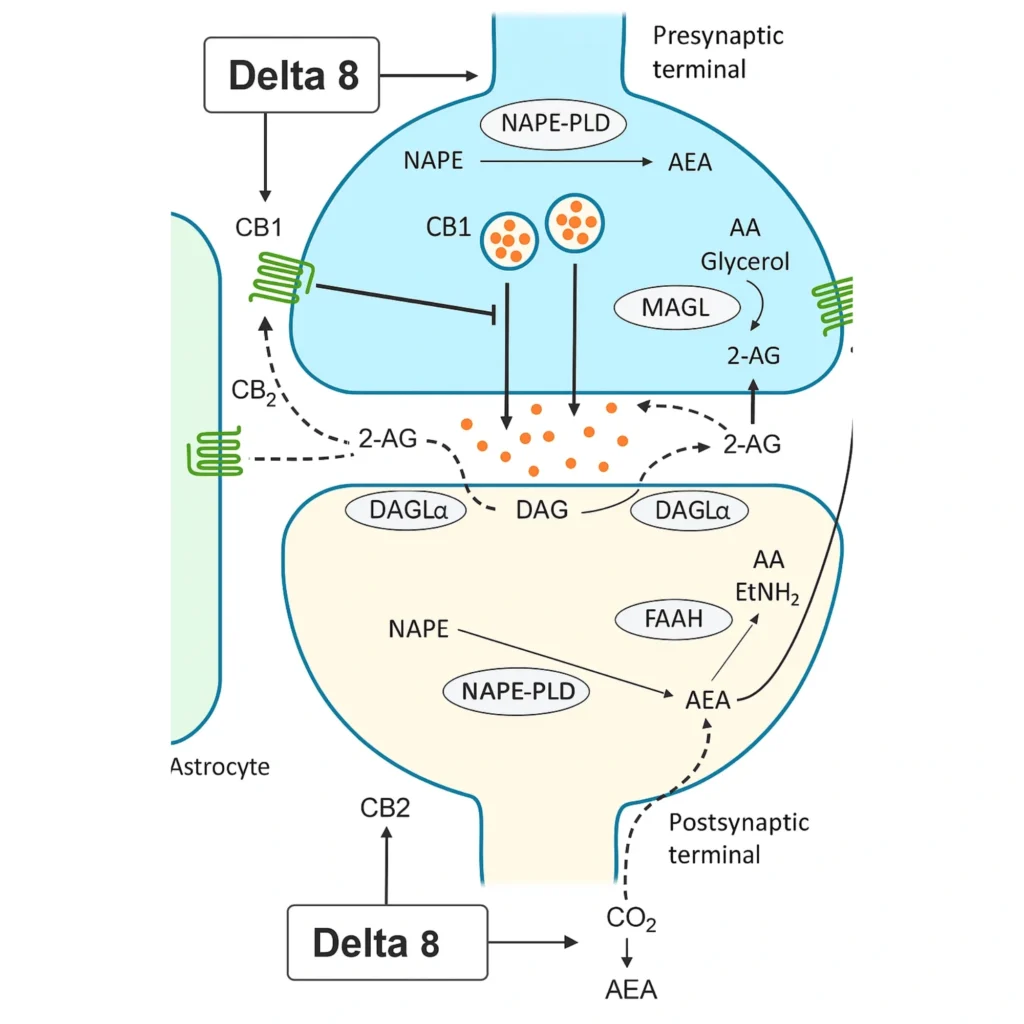
The appeal of Delta 8 lies in its ability to interact with the body’s endocannabinoid system (ECS), which has a role in regulating various bodily functions, including mood, appetite, and sleep. By binding to CB1 receptors in the brain, Delta 8 THC influences the ECS in ways that may promote relaxation and ease tension, which can be beneficial when winding down at night.
The Question for Many People Trying to Get a Goodnight’s Sleep: “Does Delta 8 THC Help You Sleep?”
Now, let’s address the big question: can Delta 8 THC actually help you catch those elusive Z’s? While it’s tempting to think of it as a miracle solution for sleep, the truth is a bit more nuanced. The way Delta 8 interacts with your body, along with individual differences, can determine how effective it is as a sleep aid.
How Delta 8 is Processed in the Human Body
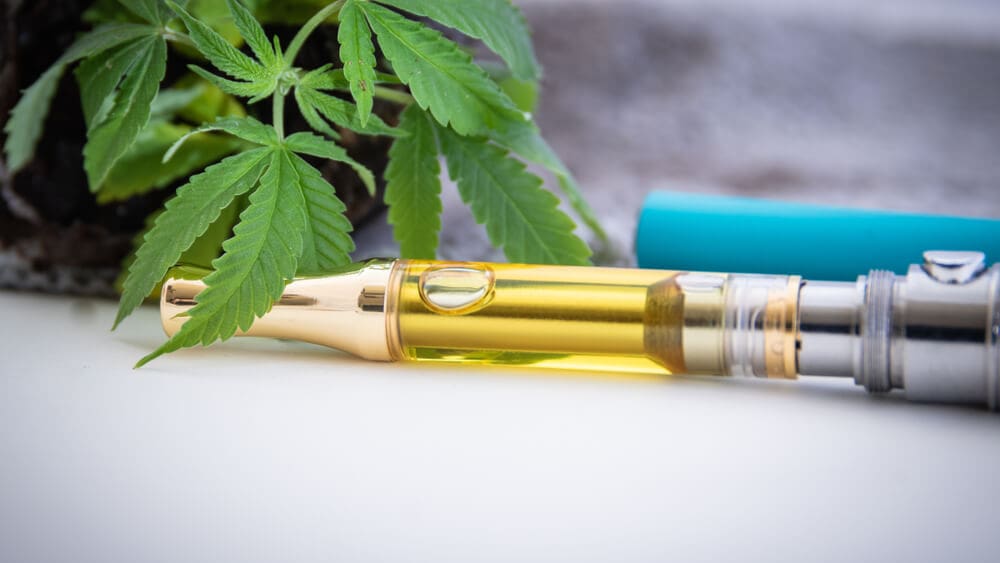
Delta 8 THC can be consumed in various forms, including edibles, vapes, flower, etc., each of which affects how quickly and efficiently the compound is processed. When inhaled (vaping or smoking), Delta 8 THC enters the bloodstream via the lungs, offering fast-acting effects that can be felt within minutes. When ingested (gummies for example), it passes through the digestive system, and the liver metabolizes it before it enters the bloodstream, resulting in a delayed but longer-lasting effect.
Once Delta 8 THC reaches the bloodstream, it binds to the CB1 receptors within the ECS, which are involved in sleep regulation. This binding can produce calming effects that may help to reduce feelings of tension and promote a relaxed state conducive to sleep. However, it’s worth noting that how each person processes Delta 8 can vary based on factors like metabolism, body weight, and tolerance levels.
Delta 8 vs. Melatonin
When it comes to sleep aids, melatonin is a go-to option for many. Unlike Delta 8 THC, which works by interacting with the ECS, melatonin is a hormone that the body naturally produces in response to darkness. It helps regulate the sleep-wake cycle by signaling to your body that it’s time to wind down.
The primary difference between Delta 8 THC and melatonin lies in their mechanisms of action. While melatonin directly influences the circadian rhythm, Delta 8 THC provides more of an indirect approach by promoting relaxation and reducing restlessness. Some users report that Delta 8 helps them fall asleep faster or stay asleep longer, though these effects can vary widely.
Those seeking a more natural approach to sleep might consider melatonin due to its direct role in the sleep cycle. On the other hand, people who struggle with underlying stress or tension might find Delta 8 more beneficial, as it targets the body’s broader relaxation pathways. For some, combining the two could potentially provide a balanced solution, though it’s always best to consult a healthcare professional before trying multiple sleep aids.
Who Should and Shouldn’t Be Attempting to Take Delta 8 for Sleep
Delta 8 THC can be an appealing option for certain individuals looking to improve their sleep, but it’s not suitable for everyone. Here’s a quick breakdown of who might benefit from Delta 8 as a sleep aid and who should approach it with caution:
Who Might Benefit:
- People with Occasional Sleep Issues: Those who experience occasional difficulty falling asleep due to stress or other short-term factors might find Delta 8 helpful in promoting relaxation.
- Individuals Sensitive to Delta 9 THC: For those who find Delta 9 THC too intense or anxiety-inducing, Delta 8 can provide a gentler alternative with fewer psychoactive effects.
- People Seeking a Holistic Approach to Sleep: Those interested in exploring cannabinoids and other natural supplements may appreciate the more subtle effects of Delta 8 on sleep and relaxation.
Who Should Avoid or Consult a Doctor First:
- Pregnant or Nursing Individuals: The effects of Delta 8 THC on pregnancy and nursing are not well-studied, so it’s generally recommended to avoid it during these periods.
- Individuals with Certain Medical Conditions: Those with liver issues or mental health disorders should consult a healthcare provider before using Delta 8 THC to ensure it’s safe for them.
- Those Taking Medication: If you’re on medication, especially those that interact with the ECS, it’s wise to consult a medical professional before adding Delta 8 to your routine, as it may alter the effectiveness of other treatments.
- People New to Cannabinoids: If you’re unfamiliar with cannabinoids, starting with Delta 8 can be gentler, but it’s still advisable to begin with a low dose and observe how it affects you.
Factors That Determine Whether or Not Delta 8 Can Help You Sleep
The effectiveness of Delta 8 THC as a sleep aid depends on various factors, including:
- Dosage: Finding the right dose is crucial for maximizing the potential sleep benefits of Delta 8. Lower doses may provide mild relaxation, while higher doses can induce drowsiness, though too much can have the opposite effect and cause restlessness.
- Timing: Taking Delta 8 about an hour before bed might help you ease into sleep. For edibles, which have a slower onset, consider taking them two hours prior to bedtime to allow enough time for the effects to kick in.
- Tolerance: If you regularly consume THC or other cannabinoids, you may need a higher dose of Delta 8 to achieve the same effects as someone with a lower tolerance.
- Method of Consumption: As mentioned earlier, vaping or smoking offers a faster onset, while edibles provide a slower, longer-lasting effect. Choose the method that aligns with your needs based on how quickly you want to fall asleep and how long you want the effects to last.
- Underlying Causes of Sleep Disturbances: If stress or physical discomfort are the primary causes of your sleep issues, Delta 8’s relaxing effects might be beneficial. However, if you’re dealing with more complex sleep disorders, Delta 8 may not address the root cause and should not replace professional treatment.
How Long Should You Use Delta 8 THC for, Particularly as a Sleep Aid?
Like any supplement, Delta 8 THC is best used responsibly and with an understanding of your personal needs. Some people find that occasional use of Delta 8 for sleep is enough to help them reset their sleep patterns or overcome temporary stress. However, it’s not intended for long-term use without medical guidance.
Delta 8 can be an effective option when used occasionally to alleviate sleep disturbances, but building a routine around it might lead to dependency or reduced effectiveness over time. If you’re using Delta 8 as a sleep aid, consider rotating it with other natural sleep solutions, such as melatonin or relaxation techniques, to avoid developing a tolerance.
Additionally, keeping a sleep journal can be helpful for tracking how Delta 8 impacts your sleep over time. By noting changes in sleep quality, duration, and how you feel in the morning, you can better gauge if it’s an effective and sustainable solution for you.
Looks Like Delta 8 THC Shows Some Promise When it Comes to Catching Some Z’s
While Delta 8 THC isn’t a one-size-fits-all solution for sleep, it does offer some intriguing potential as a natural aid for relaxation and winding down. Its ability to produce a gentle high without the intensity of Delta 9 THC makes it a favored choice for those seeking a more balanced way to unwind.
However, as with any supplement, using Delta 8 THC for sleep requires some self-awareness and trial and error. Start with a low dose, pay attention to how your body responds, and remember that consistency in your sleep routine has a vital role. Delta 8 can be an enjoyable and effective part of your nighttime ritual, but it should be complemented with other healthy sleep habits for the best results.
Whether you’re new to cannabinoids or just curious to see if Delta 8 can improve your sleep, taking the time to understand how it interacts with your body can help you make the most of your experience. With a little patience and the right approach, you might just find Delta 8 to be the sleep ally you’ve been looking for.
You must be logged in to post a comment.
More Similar Posts