The rise of CBD gummies as a popular wellness product has been nothing short of meteoric. These chewy treats, infused with cannabidiol (CBD) derived from hemp, offer a convenient and discreet way to potentially experience the therapeutic benefits of this non-intoxicating cannabinoid. However, the legal status of CBD gummies remains a complex and often confusing landscape, with regulations varying significantly from state to state.
The 2018 Farm Bill: A Watershed Moment for Hemp
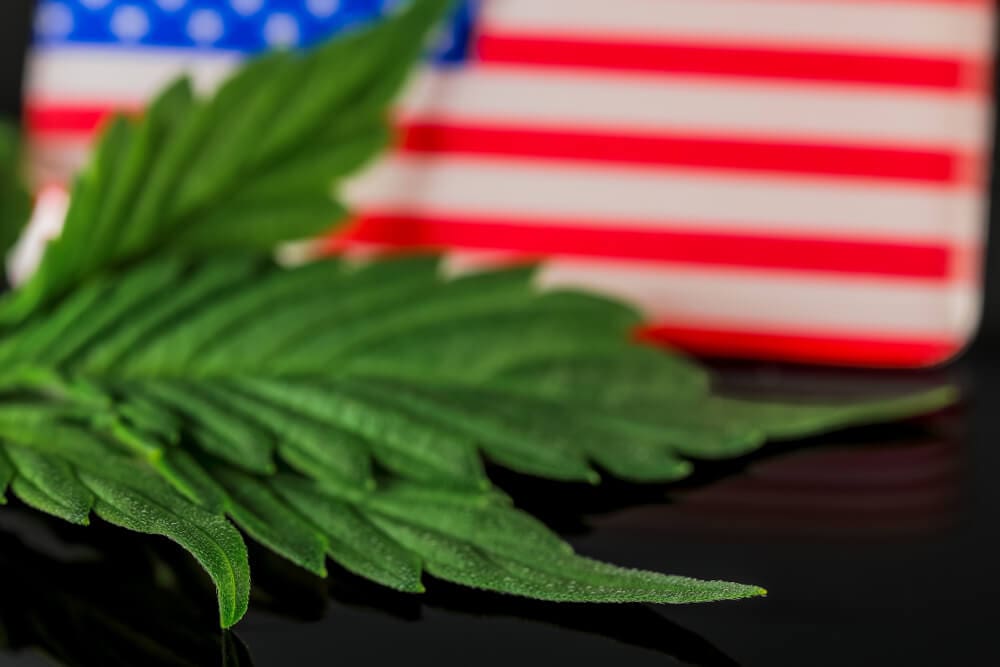
To fully understand the current legal status of CBD gummies, it’s essential to delve into the impact of the 2018 Farm Bill. This landmark legislation fundamentally redefined hemp by removing it from the Controlled Substances Act. This reclassification effectively legalized the cultivation, processing, and sale of hemp and hemp-derived products, including CBD, as long as they contain no more than 0.3% THC. This pivotal moment opened the floodgates for the burgeoning CBD industry, leading to a surge in the availability of CBD products, including gummies.
State-Level Regulations: A Patchwork of Laws
While the 2018 Farm Bill provided a federal framework for hemp-derived CBD, it also empowered individual states to create their own regulatory systems. This has resulted in a complex web of laws and regulations, with some states fully embracing CBD legalization, while others impose restrictions or maintain outright prohibitions.
States Embracing CBD: A Clear Path to Legality
In many states, CBD gummies derived from hemp and containing 0.3% THC or less are fully legal for both medicinal and recreational use. These states have largely aligned their regulations with the federal guidelines established by the 2018 Farm Bill, providing a clear legal pathway for the sale and consumption of CBD gummies.
Navigating the Gray Areas: Restrictions and Nuances
Several states have adopted a more cautious approach, implementing specific restrictions on CBD products, including gummies. These restrictions can manifest in various forms, including:
- THC Limits: Some states have established stricter limits on THC content in hemp-derived CBD products, even dipping below the 0.3% federal threshold.
- Medical Marijuana Programs: Certain states may only permit the use of CBD for specific medical conditions, requiring patients to obtain a medical marijuana card to legally access CBD gummies.
- Licensing and Labeling Requirements: States may impose stringent licensing requirements for businesses involved in the production and sale of CBD products, including gummies. Additionally, they may mandate specific labeling guidelines to ensure consumer safety and transparency.
- Source Restrictions: A handful of states may restrict the sale of CBD gummies to those derived from hemp grown exclusively within state borders, further complicating the supply chain and market access.
Are CBD Gummies Blended with Other Psychoactive Cannabinoids Legal in all 50 States?
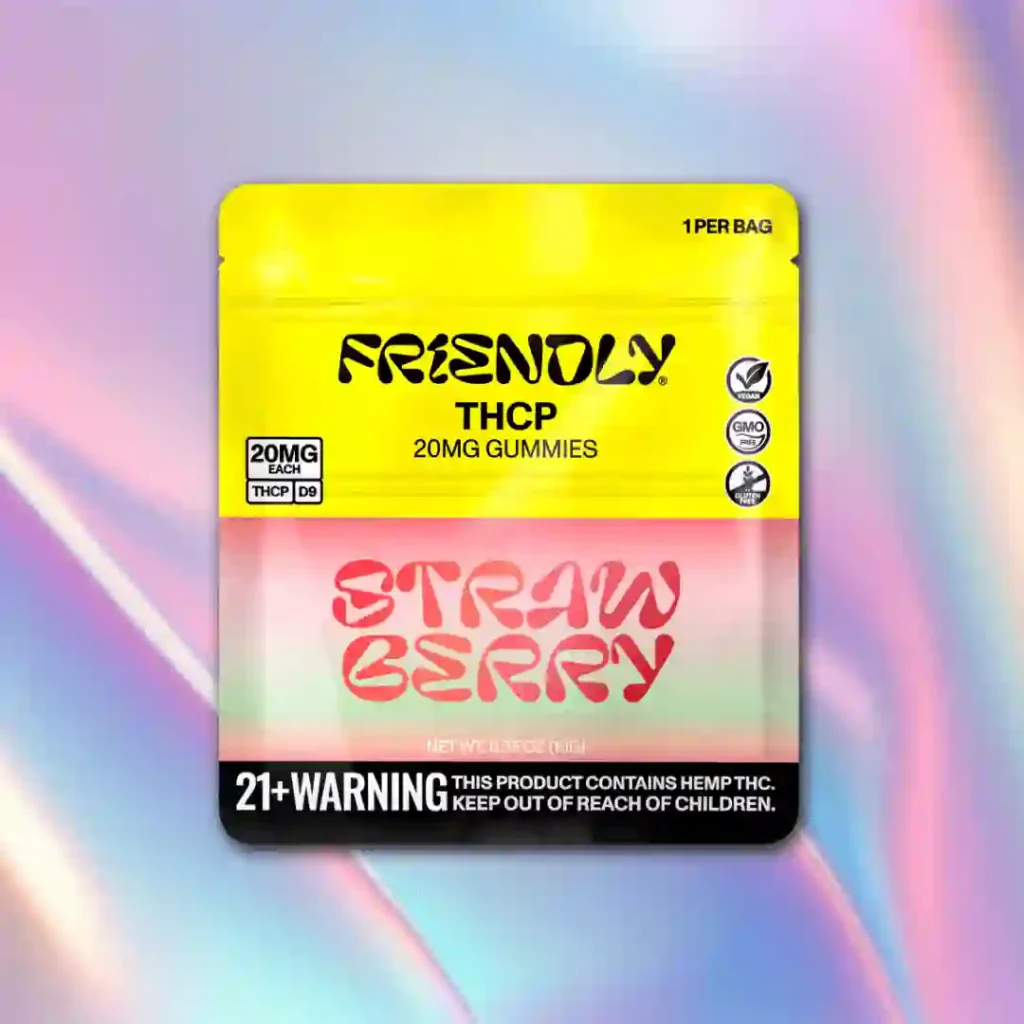
No, CBD gummies blended with other psychoactive cannabinoids aren’t legal in all 50 states, and here’s exactly why:
- THC Content: The legality of CBD products hinges on their THC content (the psychoactive compound in marijuana). Most states allow CBD products with up to 0.3% THC, but some have stricter limits or outright bans.
- Psychoactive Cannabinoids: If a gummy contains other psychoactive cannabinoids besides THC, it further complicates the legality. These cannabinoids may not be explicitly addressed in state laws, leading to potential legal issues.
- State-Specific Laws: Cannabis laws vary significantly from state to state. Some states have fully legalized both recreational and medical marijuana, while others maintain strict prohibitions.
Basically, while CBD itself may be legal in many forms, adding other psychoactive cannabinoids makes the legality of the gummies much more complex and dependent on individual state laws. So then, it’s essential to check the specific laws in your state before purchasing or using such products.
Outliers: States with Stricter Stances
While the majority of states have embraced some form of CBD legalization, a few remain outliers, maintaining stringent restrictions or outright prohibitions on CBD products:
- Idaho: Idaho stands as one of the most restrictive states regarding CBD, essentially prohibiting any product containing detectable amounts of THC, effectively banning most CBD gummies.
- Nebraska: Nebraska also maintains a strict approach, requiring CBD products to be completely THC-free, making it challenging to find legal CBD gummies within the state.
What Else Can Impact a CBD Gummy’s Legality in the U.S. Besides the Norms?
You’re right to think there’s more to CBD gummy legality than just the source and amount of cannabidiol! You see, there are some other crucial factors to take note of like:
- Other Ingredients: While CBD might be legal, other ingredients in the gummy could be regulated or even banned. This is especially important with things like melatonin or other potentially psychoactive substances.
- Labeling and Claims: The FDA cracks down on misleading labeling and unsubstantiated health claims. Even if the gummy is fine in its composition, claiming it cures cancer or falsely stating the amount of CBD will land a product in legal trouble.
- Marketing and Sales Channels: Where and how the gummy is sold matters. Online sales might face different regulations than brick-and-mortar stores. Selling to minors is usually a big no-no.
- Import/Export Regulations: If the CBD is sourced internationally, import regulations and potential bans on certain products can come into play.
- Local Ordinances: Even if a state allows CBD, cities or counties might have their own restrictions. Always check local rules too.
The FDA’s Evolving Role: A Call for Clarity
The Food and Drug Administration (FDA) plays a critical role in regulating CBD products, including gummies. While the agency has approved one CBD-based drug, Epidiolex, for the treatment of certain seizure disorders, it has yet to establish comprehensive regulations for the broader CBD market. This lack of clear regulatory guidance has raised concerns about product quality, labeling accuracy, and potential consumer safety risks. The FDA’s ongoing efforts to develop a robust regulatory framework for CBD will significantly impact the future of CBD gummies and the industry as a whole.
Consumer Considerations: Navigating the CBD Landscape
Given the complex and evolving legal landscape surrounding CBD gummies, consumers must exercise caution and prioritize informed decision-making. Here are some key considerations:
- Thorough Research: Before purchasing or consuming CBD gummies, conduct thorough research on the specific laws and regulations in your state. Stay updated on any changes or updates to these laws.
- Reputable Brands: Opt for CBD gummies from reputable brands that prioritize transparency and provide third-party lab testing results to verify the product’s purity, potency, and compliance with legal requirements.
- Dosage and Consumption: Start with a low dosage of CBD and gradually increase it as needed to assess your individual response and tolerance. Consult with a healthcare professional if you have any underlying health conditions or are taking medications.
- Product Sourcing and Labeling: Pay close attention to the product labeling, including the source of CBD, THC content, and any other ingredients. Choose products that clearly indicate the hemp source and extraction methods.
Looking Ahead: The Future of CBD Gummies
The legal status of CBD gummies continues to evolve as state and federal regulations adapt to the growing CBD market. As the FDA progresses towards establishing a comprehensive regulatory framework, consumers can expect greater clarity and standardization within the industry. In the meantime, staying informed about the legal landscape, choosing reputable brands, and prioritizing consumer safety remain crucial for navigating the exciting and evolving world of CBD gummies. Also, even if a gummy seems compliant at first glance, digging deeper into some other factors we covered is crucial to help determine its true legality.