THCA Diamonds: A Hemp User’s Best Friend!
In the evolving landscape of cannabis concentrates, one product has garnered significant attention for its purity and potency: THCA diamonds. These crystalline structures represent one of the purest forms of THCA available. Still for those who are new to this type of cannabis concentrate, we’re gonna cover what it is, especially by exploring the creation process, properties, usage, and even market impact.
The Science Behind THCA
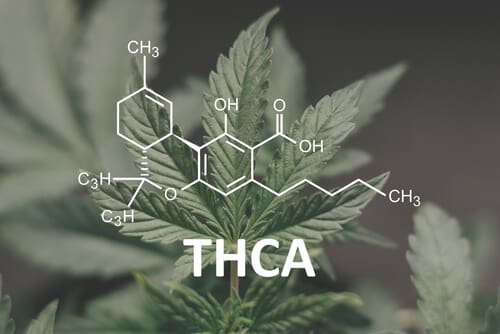
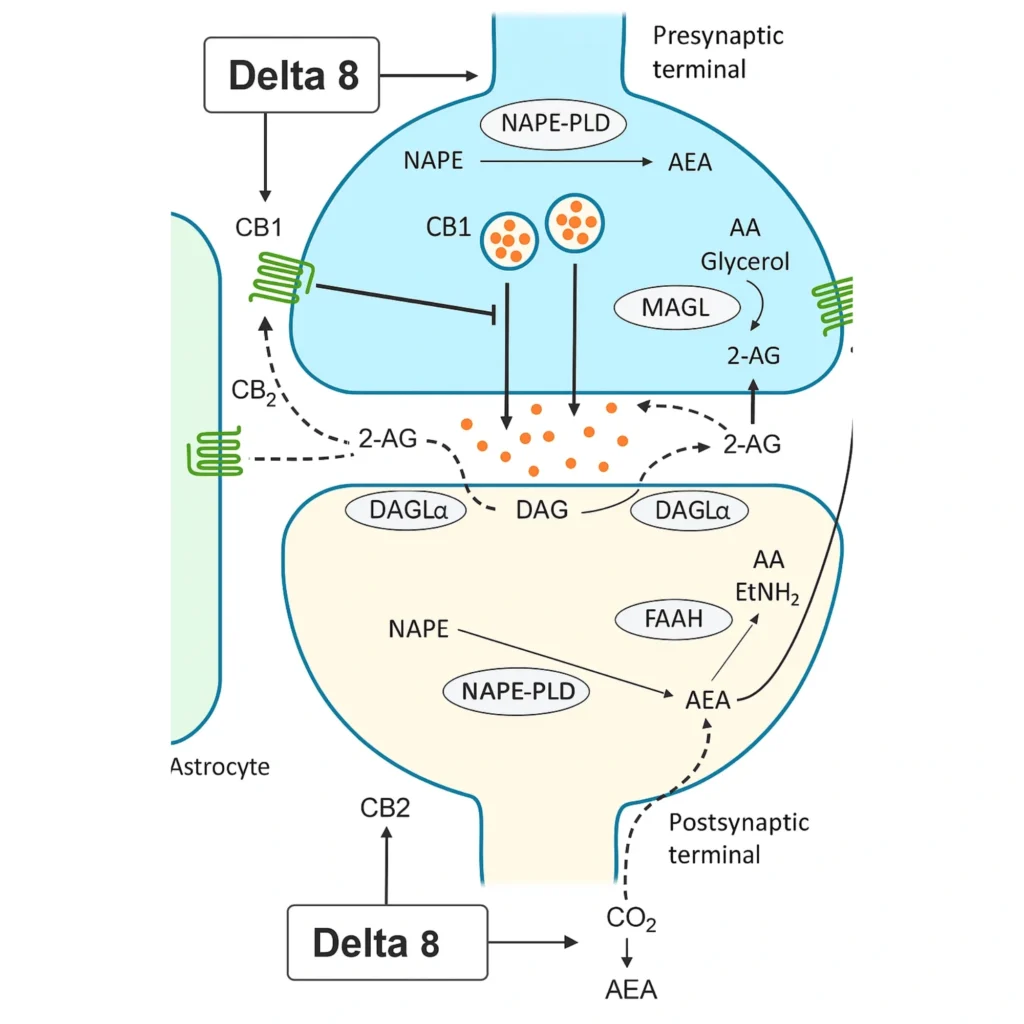
We need to start somewhere here. Tetrahydrocannabinolic acid (THCA) is one of many cannabinoids found in raw cannabis plants. It forms in the trichomes, the resinous glands of the plant, through the biosynthesis of cannabigerolic acid (CBGA). THCA is often referred to as the “raw” form of THC. You see, when cannabis is heated through smoking, vaping, or cooking/baking, THCA undergoes decarboxylation, losing a carboxyl group (COOH) and becoming THC. When it’s kept raw though, it may have its own unique positive effects that’re different from those of Delta 9 THC, since rather than acting on cannabinoid receptors (CB receptors), it works with other types of receptors in the body, such as those that influence serotonin uptake.
What are THCA Diamonds Anyways?
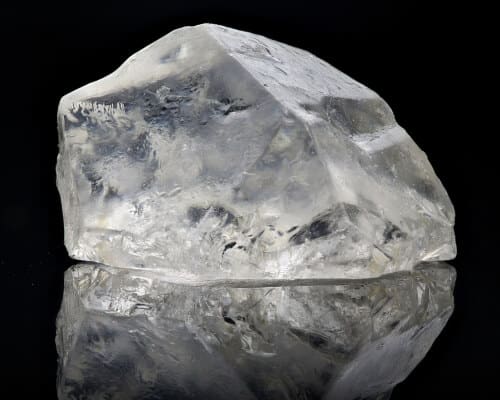
Now that you have an idea of what THCA is, let’s dive into THCA diamonds, shall we. THCA diamonds are a form of cannabis concentrate known for their high purity and crystalline appearance. They are almost pure tetrahydrocannabinolic acid, the precursor to tetrahydrocannabinol (THC). Once Again, unlike THC, THCA is non-psychoactive until it is heated, a process known as decarboxylation, which transforms it into THC, the compound responsible for the euphoric effects of cannabis.
Now, the process of creating THCA diamonds involves several steps, each requiring precision and a controlled environment.
Step #1: Starting Material
The process begins with high-quality cannabis flower or trim. The quality of the starting material is crucial as it affects the final product. The cannabis used should be rich in cannabinoids, especially THCA.
Step #2: Extraction
The first step in the process is to extract the cannabinoids and terpenes from the plant material. This is typically done using a solvent such as butane, propane, or a blend of both. The extraction process involves:
- Loading the Extraction Tube: The cannabis material is loaded into an extraction tube.
- Adding Solvent: The solvent is passed through the tube to dissolve the cannabinoids and terpenes.
- Collection: The resulting solution, which contains the dissolved compounds, is collected.
Step #3: Winterization
To purify the extract further, winterization is performed. This involves:
- Mixing with Alcohol: The extract is mixed with ethanol and placed in a freezer for 24-48 hours.
- Filtering: The mixture is then filtered to remove fats, lipids, and other impurities that precipitate out at low temperatures.
- Evaporation: The filtered solution is then evaporated to remove the ethanol, leaving behind a purer concentrate.
Step #4: Crystallization
The key to forming THCA diamonds lies in the crystallization process. This step involves:
- Saturation: The purified concentrate is saturated with THCA.
- Seeding: Sometimes, a small amount of crystalline THCA (seed crystals) is added to initiate crystallization.
- Controlled Environment: The mixture is then placed in a controlled environment, often in a jar or closed container, where temperature and pressure are carefully regulated.
- Slow Crystallization: Over a period of several days to weeks, THCA crystals begin to form. This slow process allows the THCA to form large, well-defined crystals, which’re the diamonds.
Step #5: Separation
Once the crystallization is complete, the crystals (THCA diamonds) are separated from the remaining liquid, known as mother liquor. This can be done by:
- Pouring Off the Liquid: Carefully pouring off the remaining liquid.
- Filtering: Using a fine mesh filter or sieve to separate the crystals from the liquid.
Step #6: Purification (Optional)
For even higher purity, the THCA diamonds can undergo an additional purification step. This may involve:
- Recrystallization: Dissolving the crystals in a solvent again and repeating the crystallization process.
- Washing: Washing the crystals with a non-polar solvent to remove any remaining impurities.
Step #7: Drying
Finally, the THCA diamonds are dried to remove any residual solvents. This can be done by:
- Air Drying: Allowing the crystals to air dry in a clean environment.
- Vacuum Drying: Using a vacuum oven to gently heat and remove any residual solvents without degrading the product.
What are the Properties of THCA Diamonds?
THCA diamonds are renowned for their purity and potency. So, let’s cover some key properties that distinguish them from other cannabis concentrates:
- Purity: THCA diamonds are among the purest cannabis concentrates available, often exceeding 99% THCA content. This high purity is achieved through meticulous extraction and purification processes.
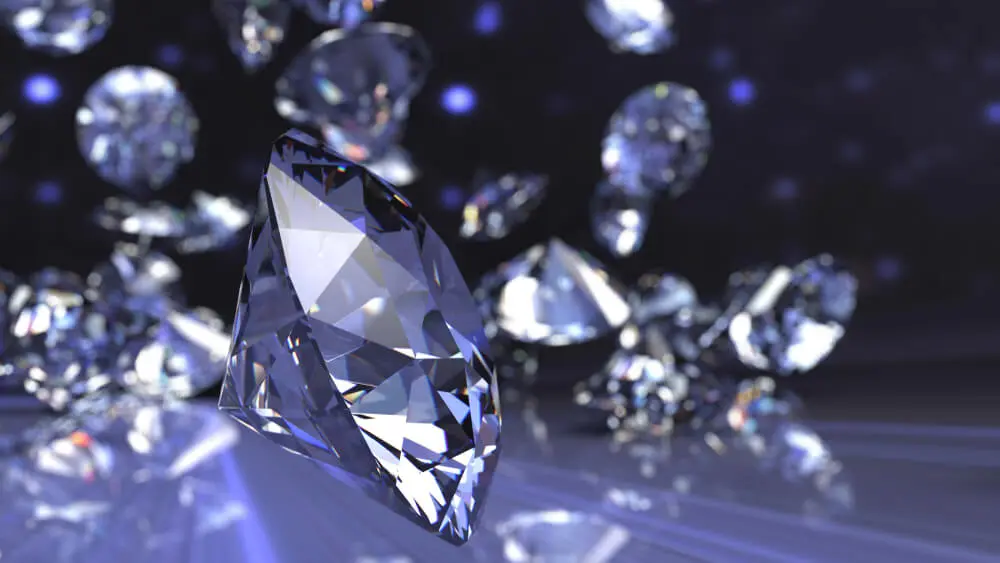
- Appearance: True to their name, THCA diamonds resemble crystalline gems. They are typically clear or slightly opaque, with a faceted structure that reflects light.
- Stability: Unlike some cannabis concentrates, THCA diamonds are relatively stable. They don’t degrade or change form easily, making them ideal for long-term storage.
- Non-Psychoactive: In their raw form, THCA diamonds are non-psychoactive. They only produce psychoactive effects when heated and converted to THC.
What are the Benefits of THCA Diamonds?
The unique properties of THCA diamonds translate into a few main benefits that users can get the most out of, such as:
- High Potency: The high THCA content means that, once decarboxylated, THCA diamonds can deliver extremely potent effects. This makes them attractive to experienced users seeking strong therapeutic or recreational experiences.
- Versatility: THCA diamonds can be used in various ways, including dabbing, vaporizing, and adding to edibles. Their versatility allows users to tailor their consumption methods to their preferences and needs.
- Purity and Clean Experience: The high purity of THCA diamonds ensures a clean and uncontaminated experience. Users can be confident that they are consuming a product free from residual solvents, pesticides, and other impurities.
How to Use THCA Diamonds
THCA diamonds can be consumed in several ways, each offering a different experience:
- Dabbing: One of the most popular methods for consuming THCA diamonds. It involves heating a small amount of the concentrate on a hot surface (usually a nail) and inhaling the vapor. This method provides quick and potent effects.
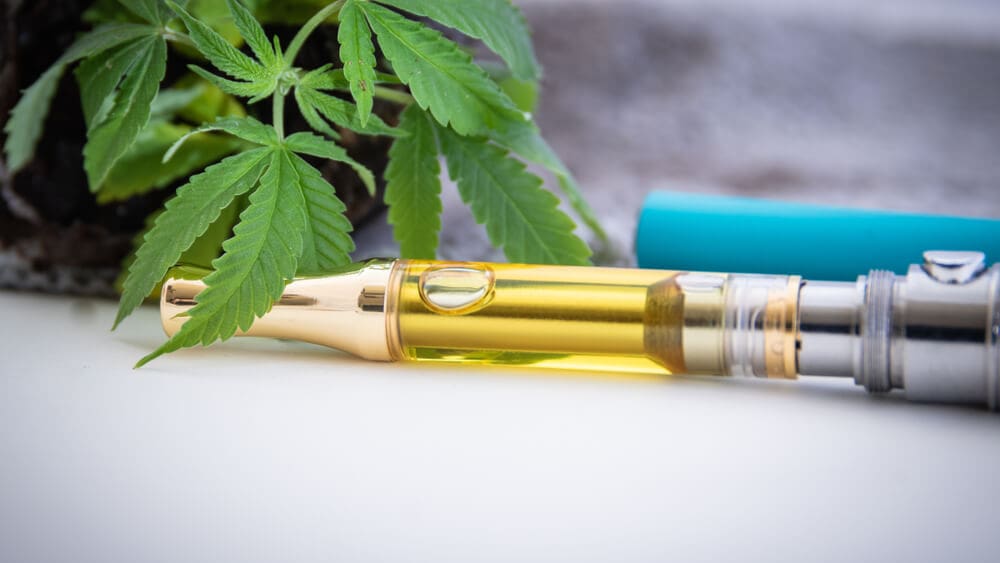
- Vaporizing: Vaporizing THCA diamonds involves using a vaporizer designed for concentrates. This method is similar to dabbing but can be more user-friendly and less intense.
- Adding to Edibles: THCA diamonds can be incorporated into edibles by first decarboxylating them to convert THCA to THC. This can be done by heating the diamonds in an oven and then infusing them into butter, oil, or other edible bases.
- Smoking: Although less common, THCA diamonds can be added to joints or blunts. This method is less efficient and can lead to uneven heating, but it remains an option for those who prefer traditional smoking.
Market Impact and Trends Pertaining to THCA Diamonds
The rise of THCA diamonds has had a significant impact on the cannabis concentrate market. Here are some key trends and developments:
- Growing Popularity: THCA diamonds have gained popularity among both medical and recreational users for their potency and purity. This has led to increased demand and more products entering the market.
- Innovations in Extraction Technology: The production of THCA diamonds has driven innovation in extraction technology. Manufacturers are continually refining their methods to improve yield, purity, and consistency.
- Consumer Education: With the rise of THCA diamonds, there has been a growing emphasis on consumer education. Users need to understand how to use these potent concentrates safely and effectively.
- Price and Accessibility: THCA diamonds are typically more expensive than other concentrates due to their high purity and the complex production process. However, as the market grows and technology advances, prices may become more accessible.
Friendly Hemp THCA Diamond Prerolls are Where It’s At!
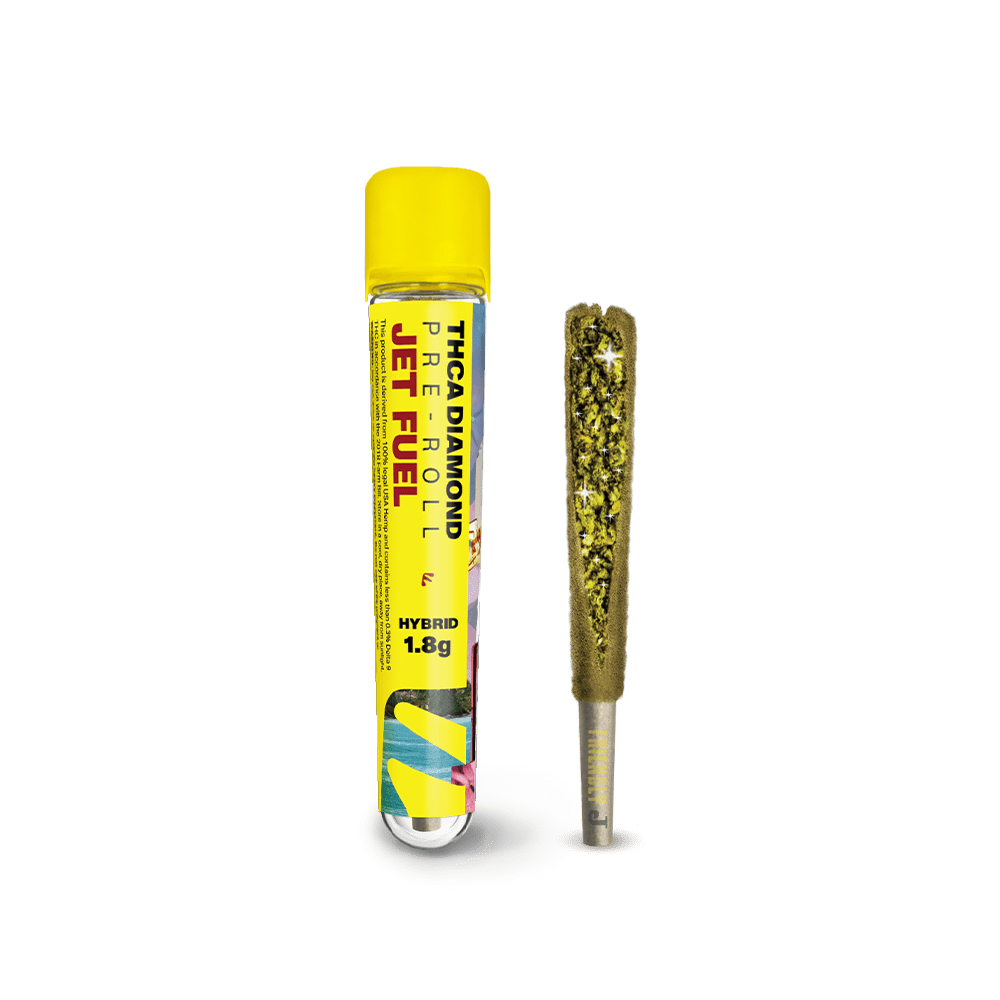
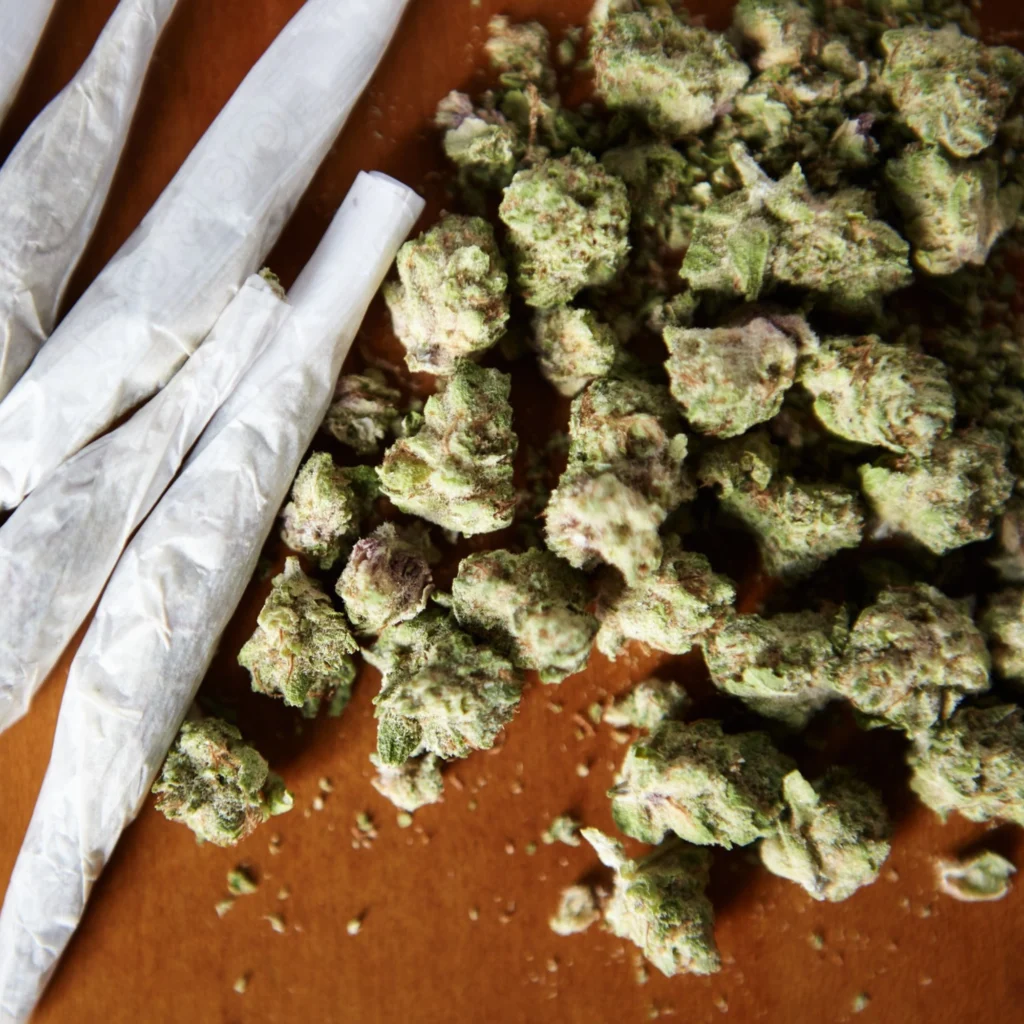
If you wanna experience some THCA diamond satisfaction in all their “clarity”, try one of our THCA diamonds pre roll. For those who don’t know, prerolls are ready-to-smoke joints of cannabis flower. They are typically rolled in paper and can vary in size and the type of cannabis strain used.
So, THCA diamond prerolls combine the potent effects of THCA diamonds with the traditional smoking experience of a pre-roll. The diamonds are usually incorporated into the ground cannabis flower, either by mixing in with the flower before rolling or by topping off the preroll with diamonds. This combination enhances the potency and effects of the preroll, making it significantly stronger than standard joints due to the high concentration of THCA.
Our1.8 gram diamond-infused THCA pre-rolls are particularly noted for their strong effects, making them popular among users who are seeking some immense mind & body effects. In fact, these little goodies are crafted with precision, care and love so you can skip the rolling hassle and dive straight into a sweet experience. Each pre-roll is carefully packaged to keep it fresh and fabulous from the first puff to the last. Because life’s too short for subpar smokes.
THCA Diamonds: A True Beauty in Our Industry!
No doubt, THCA diamonds represent a pinnacle of cannabis concentrate purity and potency. Their unique properties and versatile usage make them a standout product in the evolving cannabis market. As consumer demand grows and extraction technology advances, THCA diamonds are likely to remain a prominent fixture in the world of cannabis concentrates. Not to mention, since THCA diamonds offer a compelling option for cannabis enthusiasts, understanding their properties, benefits, and methods of use can help consumers make informed decisions and fully appreciate the potential of this remarkable concentrate.
You must be logged in to post a comment.
More Similar Posts