Boarding a Flight with Cannabinoid Products: What You Need to Know!
Traveling with cannabinoid-infused products has become somewhat of a concern for many adult travelers in the United States. With the increasing legalization and popularity of these products, understanding the regulations and guidelines for carrying them on domestic flights is crucial. Today, we will be providing some detailed information on the legal landscape, TSA regulations, safety tips, and best practices for flying with cannabinoid products.
Understanding the Legal Landscape
The legal status of cannabinoid products in the United States is complex, primarily due to the differing laws at the federal and state levels.
Federal Level
Federally, the 2018 Farm Bill legalized hemp-derived products containing less than 0.3% THC. However, marijuana-derived products, including those with higher THC content, remain illegal under federal law, despite being legalized or decriminalized in many states.
State-Specific Regulations
Each state has its regulations regarding cannabinoid products. Some states have legalized both recreational and medicinal marijuana, while others have only legalized medicinal use or have strict prohibitions. When flying, it’s essential to be aware of the laws in both your departure and destination states to avoid legal complications.
TSA Regulations and Guidelines
The Transportation Security Administration (TSA) has specific guidelines for flying with cannabinoid-based products. According to the TSA website, products that contain hemp-derived CBD with less than 0.3% THC are legal to bring on flights. However, marijuana and certain cannabis-infused products remain illegal under federal law, regardless of state laws.
TSA officers are not specifically looking for illegal drugs, but they are responsible for ensuring the safety of all passengers. During the screening process, if a TSA officer discovers a substance that appears to be marijuana or a THC-containing product, they are required to report it to local law enforcement. This can result in delays, confiscation of the product, or legal consequences.
Tips for Smooth Security Checks
To ensure a hassle-free travel experience with cannabinoid products, follow these practical tips:
- Stay Informed: Regularly check the TSA and state-specific guidelines for the latest updates on cannabinoid products and air travel.
- Travel Light: Carry only the necessary quantity of cannabinoid products to minimize scrutiny.
- Consult Legal Experts: If in doubt, consult with legal experts specializing in cannabis law to ensure compliance with all regulations.
- Use Discretion: While traveling, avoid drawing attention to your cannabinoid products and follow all standard airport security protocols.
- Documentation: Carry documentation proving that your cannabinoid product is hemp-derived and contains less than 0.3% THC. This can include lab test results or a certificate of analysis from the manufacturer.
- Labeling: Ensure that the product is clearly labeled, indicating its cannabinoid content and even THC level.
- Quantity: Follow the TSA’s liquid regulations by carrying cannabinoid products in containers no larger than 3.4 ounces and placing them in a clear, quart-sized bag.
Traveling with Different Types of Cannabinoid Products
Ensuring all products are securely packaged to prevent leaks or spills is key. Not only that but keeping cannabinoid products easily accessible in your carry-on bag for quick removal during security checks is a good idea. You also need to be mindful of temperature-sensitive products like certain edibles and vapes. Avoid exposing them to extreme temperatures during your trip.
We also need to point out that you might want to plan your dosage schedule to avoid using cannabinoid products immediately before or during the flight. Being aware of the regulations regarding the use of cannabinoid-infused products at your destination, including hotels, rental cars, and public areas is a must.
Now, going a bit further here, let’s also touch upon how someone should travel with the following cannabinoid-based product types:
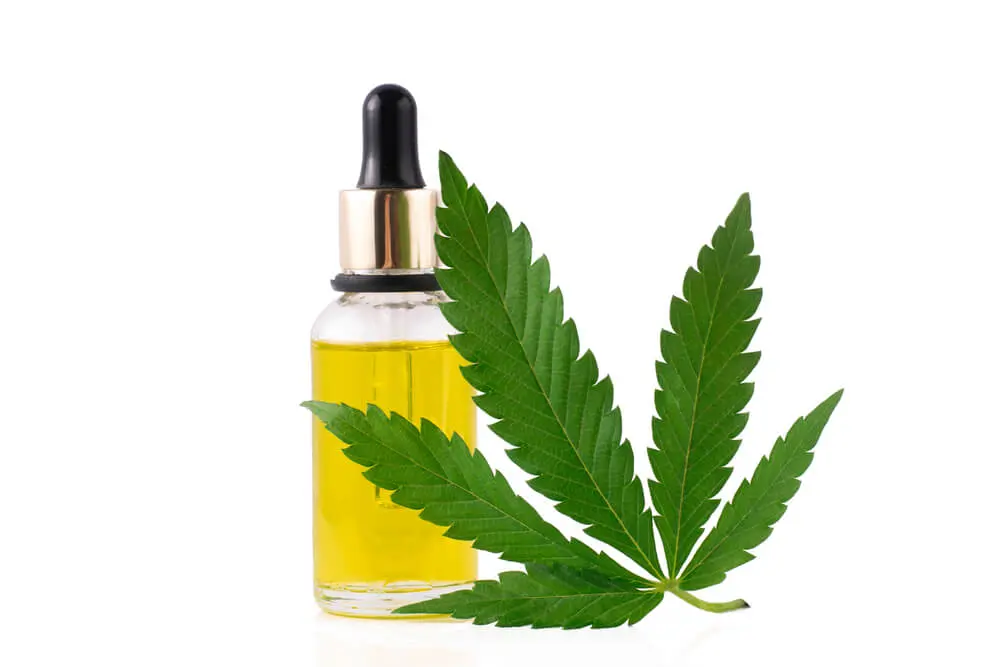
- Tinctures: When flying, it’s crucial to keep tinctures within the TSA’s 3.4-ounce limit and pack them in your carry-on bag. Make sure the bottles are sealed properly to prevent leaks.
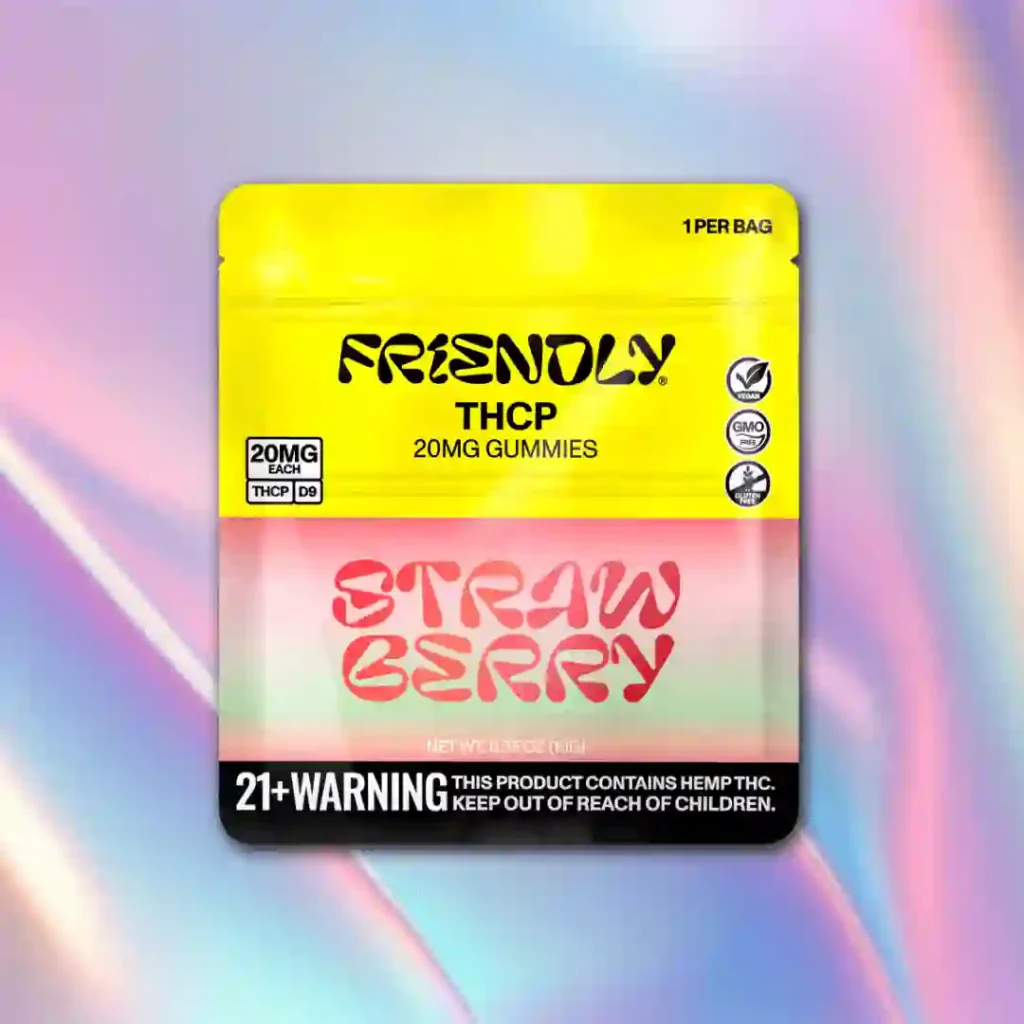
- Edibles (Gummies, Candies, Capsules, etc.): Edible products are convenient for travel, being generally easier to carry through security since they are not liquids. However, you still need to ensure they are properly labeled (if not already in their original packaging that meets TSA requirements).
- Topicals (Gels, Lotions, Balms, etc.): These are also subject to the TSA’s liquid regulations. Keep them in containers no larger than 3.4 ounces (if already packaged in their original container that meets TSA guidelines, then you’re fine) and pack them in your carry-on bag.
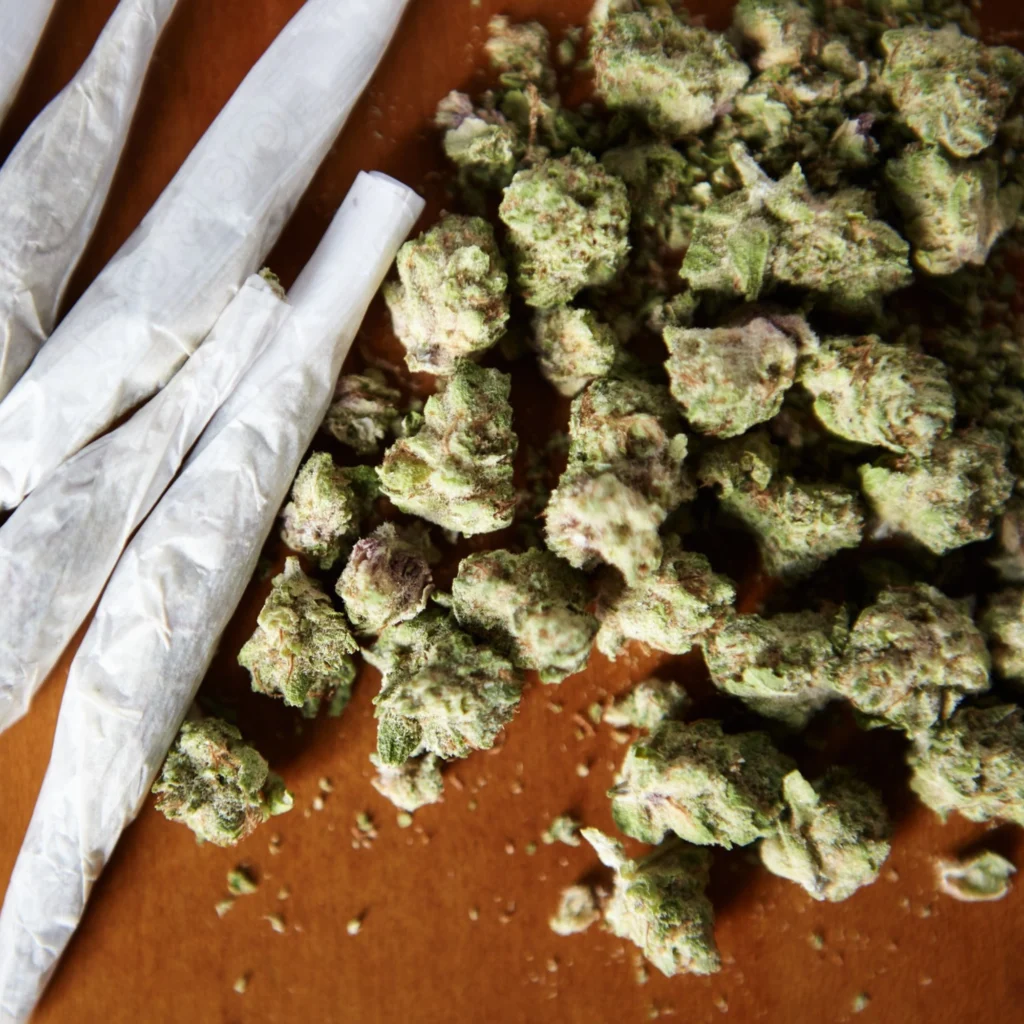
- Flower (Loose Buds and Pre-Rolls): Ensure that the hemp flower contains no more than 0.3% THC. Try to keep the hemp flower in its original packaging, which often includes labeling that indicates it is a legal hemp product. Also, carry only quantities that are clearly for personal use to avoid suspicion of intent to distribute. For pre-rolls, the same rules apply. Ensure they are clearly labeled and keep documentation handy. It might be wise though, to avoid carrying too many pre-rolls, as this could draw unwanted attention.
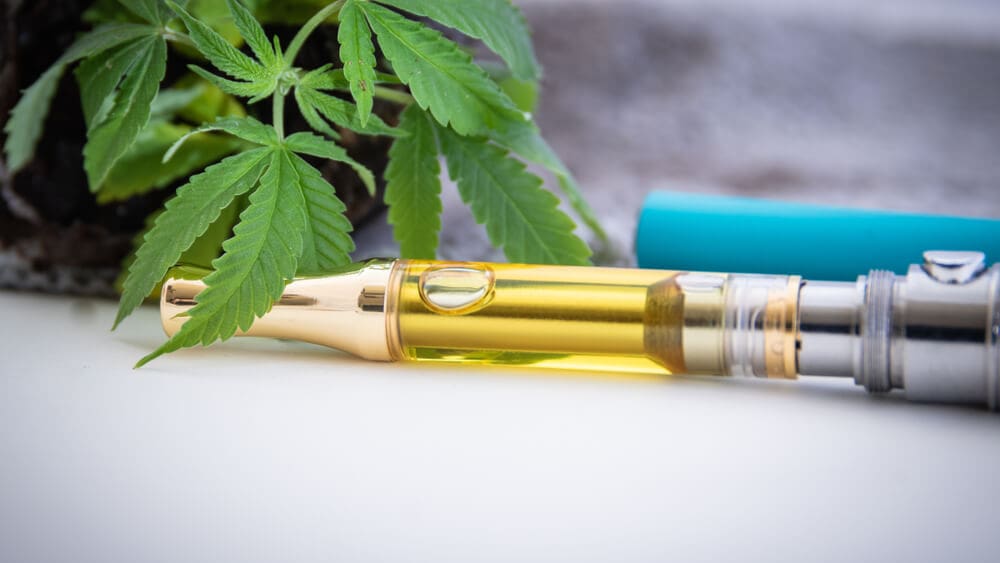
- Vapes (Vaporizers, Bottled E-Liquids, Pre-Filled Cartridges, and Disposable Vape Pens): When flying with vapes, including bottled e-liquids, pre-filled cartridges, and disposable vape pens, there are specific guidelines set by the Transportation Security Administration (TSA) and airlines that you need to follow. For instance, all vaping devices, including batteries, must be carried in your carry-on bag or on your person. These items are not allowed in checked baggage because of the potential fire hazard. It’s advised to turn off your devices and, if possible, remove the batteries. This precaution reduces the risk of accidental activation or overheating. Also, bottled e-liquids and pre-filled cartridges fall under the TSA’s liquids rule. This rule allows you to carry liquids in containers that hold 3.4 ounces (100 milliliters) or less per item. All liquids must fit comfortably in a single, transparent, quart-sized, zip-top bag. Only one bag per passenger is allowed. While you can pack e-liquids in checked luggage, there’s a risk of leakage due to changes in cabin pressure. It’s often safer to carry them with you. Plus, for disposable vape pens, these must be carried in your hand luggage or on your person. They are not allowed in checked baggage. Although disposable pens are less prone to leakage than bottled e-liquids and some cartridges, they can still leak under pressure. Packing them in a clear plastic bag can help contain any potential leaks.
Potential Legal Issues and How to Avoid Them
Despite the federal legalization of hemp-derived products, some states have stricter regulations. It’s essential to research and understand the laws of the states you are traveling to and from. Ignorance of the law is not a valid defense, and violating state laws can lead to fines or even arrest.
If you’re stopped by TSA or local law enforcement, remain calm and respectful. Provide any documentation you have that proves the legality of your cannabinoid products. Be prepared for the possibility of having your products confiscated, even if they are legal under federal law.
Keep in mind that if traveling internationally with cannabinoid products, this is even more complicated. Many countries have strict prohibitions on cannabis and its derivatives. Before traveling abroad, thoroughly research the laws of your destination country and consider leaving your cannabinoid products at home.
Now You Know What to Do the Next Time You Board a Flight with Your Cannabinoid Product
Traveling with cannabinoid products in the U.S. requires careful planning and a thorough understanding of the legal landscape. By adhering to TSA guidelines, carrying proper documentation, and being aware of state-specific laws, you can minimize the risks associated with flying with cannabinoid products. Remember, the landscape of cannabis laws is continually evolving, and staying updated with the latest regulations is key to ensuring compliance and avoiding complications during your travels. After all, we all want a smooth and stress-free travel experience.
You must be logged in to post a comment.
More Similar Posts