Cannabinoid Blends: How They’re Made, Products They Used In, and More!
The hemp marketplace keeps expanding and finding new ways to give enthusiasts what they’re looking for. In fact, a trend that we’re super delighted about are cannabinoid blends, referring to products that consist of multiple cannabinoids in active servings.
Cannabinoid blends are a relatively new addition to the market, and they exist mainly because there have been so many new and exciting cannabinoid discoveries over the past few years, and it can be hard to choose just one. The natural result is that customers appreciate products that combine these cannabinoids, to experience a multitude of enjoyable effects – usually of a psychoactive nature, and in a balanced way.
The Basics on Cannabinoids
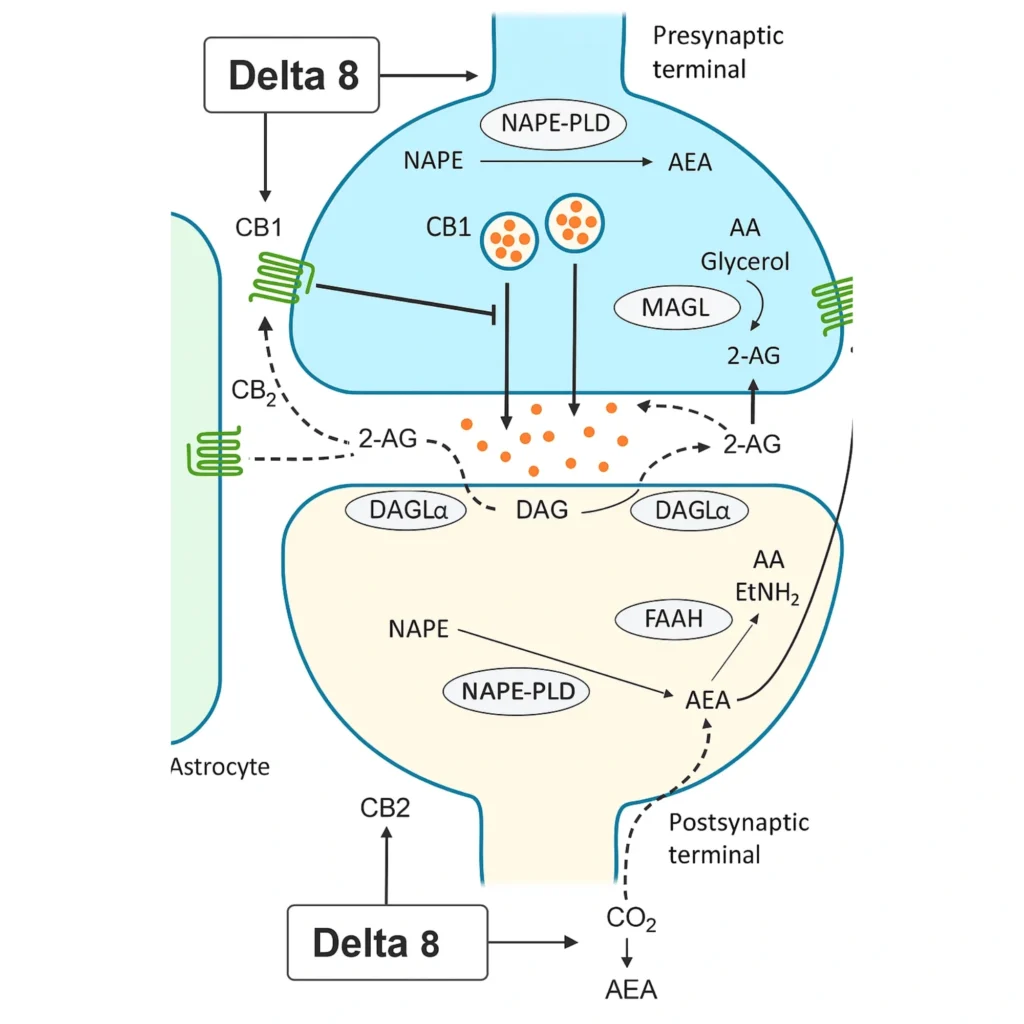
Cannabinoids are compounds found solely in cannabis, which have the rare ability to work directly with our body’s endocannabinoid system (ECS). This complex system of the body consists of networks of cannabinoid receptors which take cannabinoids like CBD, delta 8, delta 9, THC-P, HHC, and what have you, and attach them to cannabinoid receptors to promote effects, mainly related to the regulation of bodily processes. This is why cannabinoids are promoted to provide all kinds of relief affecting how we feel.
The endocannabinoid system serves the purpose of keeping the body in homeostasis, by regulating individual processes so that each system of the body is functioning to its highest potential. Different cannabinoids interact with different receptors at varying rates, which explains why, for example, CBD is non-psychoactive, while THC is. There’s more nuance, too. For instance, delta 8 THC and delta 9 THC may sound like they’re basically the same thing, but delta 8 is noticeably milder, and provides almost sedative-like effects by comparison, showing just how unique each cannabinoid’s relationship with the ECS truly is.
Psychoactive cannabinoids are what you will most typically find in cannabinoid blends, and include:
- Delta 8 THC
- Delta 9 THC
- Delta 10 THC
- Delta 11 THC
- 11-HXY THC
- THC-P
- THCV
- THC-B
- THC-H
- THCjd
- PHC
- HHC
- HHC-O
- HHC-P
- And others!
These cannabinoids have the distinctive ability to attach to CB1 receptors in the brain that trigger intoxication, and each of these THC variants interacts with these receptors in its own specific way – something we’ll get into more in the next section.
Most importantly, perhaps, is the fact that these cannabinoids may cause mild side effects while you’re high, but none of them are toxic to the adult human body. This matters, because it means that taking combinations of cannabinoids at once shouldn’t put you at any kind of real risk.
What are the Most Popular Cannabinoids on the Hemp Market Today?
Let’s take a look at some of the most popular cannabinoids that you will find in cannabinoid blends. That way, you can get a better idea of the role that they have in the product you’ll end up taking:
- Cannabidiol (CBD): CBD is, as we know, not psychoactive. But, its valuable effects on our mood make it a great addition to any cannabinoid blend. CBD can provide a sense of ease to the mind & body, and it can even subdue some of the stronger effects of intoxicating cannabinoids.
- Δ-8-Tetrahydrocannabinol (Delta 8 THC): A relatively mild cannabinoid compared to Delta 9, and its effects are noticeably soothing, which can help mellow out other cannabinoids.
- Tetrahydrocannabinol (Delta 9 THC): The OG psychoactive cannabinoid, Delta 9 is the key intoxicant in marijuana, and offers a potent yet manageable high for most people, which can be euphoric and tranquil at the same time.
- Tetrahydrocannabinolic acid (THCA): THCA is the raw form of Delta 9 THC, and when in vape, flower, or concentrate form, the THCA converts into Delta 9 THC, offering a D9 high.
- Δ-10-Tetrahydrocannabinol (Delta 10 THC): Also milder on the psychoactive spectrum, but it’s more uplifting and focus-enhancing according to its users.
- Delta-11-Tetrahydrocannabinol (Delta 11 THC): A relatively newly discovered cannabinoid that might be twice as potent as Delta 9 THC, although there is very limited anecdotal data out there about it.
- 11-hydroxy-THC (11-HXY THC): Not to be confused with Delta 11 THC, 11-HXY THC is a metabolite of Delta 9 THC, made by the liver when we consume edibles. Products containing 11-HXY THC are said to behave like edibles, even when consumed in vape form. This means the body high can be really strong, the ‘high’ can feel “sleepy”, and the effects can last much longer.
- Hexahydrocannabinol (HHC): An analog to Delta 9 THC, and people say that it behaves quite similarly.
- Tetrahydrocannabiphorol (THC-P): The most intoxicating cannabinoid in the plant, and the ‘high’ is said to be about 10x as strong as that of Delta 9 THC.
- Tetrahydrocannabihexol (THC-H): Slightly less intoxicating than THC-P, and its effects are generally the same otherwise.
- Tetrahydrocannabutol (THC-B): A new discovery, and people say that its euphoria-inducing potential is strong. It’s a lot more intoxicating than delta 9 THC, although just how much is not known yet.
- Tetrahydrocannabivarin (THCV): is a cannabinoid that was discovered in the 1970s, even though to many of us, it’s new. THCV is very mildly intoxicating, and so it’s not the most in-demand cannabinoid for recreational purposes. But it can potentiate other cannabinoids. In other words: make their effects stronger.
- Tetrahydrocannabidiol (THCjd): Another naturally occurring, minor cannabinoid in cannabis that has only been discovered recently. It’s said to be at least 3x as intoxicating as Delta 9.
- Hydrox4PHC (PHC): This is a synthesized form of Delta 9 THC, and its effects are extremely similar to Delta 9’s. It’s essentially a legal way to get Delta 9 into the system.
Getting Down to the Basics on Cannabinoid Blends
Blending cannabinoids together is a pretty simple process. The manufacturer selects the cannabinoids they want to blend together, and then creates distillates. Distillates are pure cannabinoid isolates in a liquid extract form, and they’re all made from, surprisingly, cannabidiol.
You see, these other cannabinoids exist in only trace amounts, while CBD is highly abundant in hemp. All cannabinoids share a common ancestor, so to speak, which is cannabigerol (CBG), aka “Mother of Cannabinoids”, found in immature cannabis flower. CBG eventually becomes the 100+ cannabinoids in mature hemp, thus making all cannabinoids isomers of one another. This means rearranging the molecules in CBD turns it into another cannabinoid entirely. Once you’ve converted CBD into another cannabinoid, you end up with a distilled extract that undergoes purification.
Now, companies have multiple cannabinoid distillates that can be added to a product formula, so let’s quickly cover the three main product types/delivery methods that typically offer cannabinoid blends in their formulas:
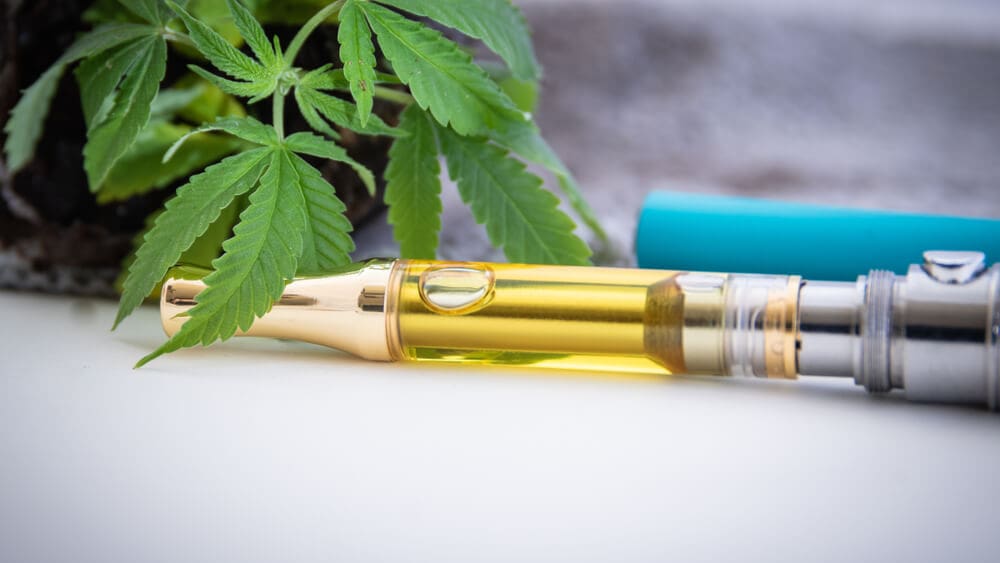
- Vapes: Whether it’s disposable vapes (all-in-one, disposable devices that’re ready to vape out of the box) or vape carts (510-threaded cartridges that attach to rechargeable vape pens), the results are the same: combining cannabinoid blends with terpene extracts, in all kinds of dreamy strains.
- Tinctures: Administered below the tongue, absorbing through the sublingual tissue, and offering moderately potent effects that last longer than vapes.
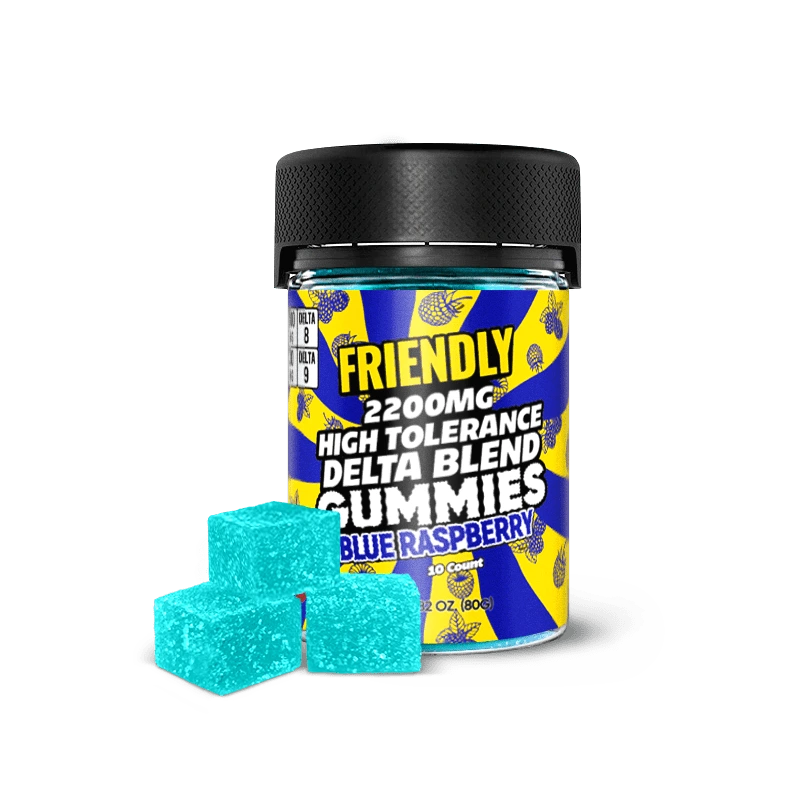
- Edibles: Offering the longest-lasting effects of all, edible-based products like gummies, candies, and even baked goods are ingested, and they come in dazzling flavor options.
Of course, choosing a product type is just about personal preference. And, you won’t be surprised to hear us recommend trying all three, since this lets you experiment and see for yourself how each product type feels in the body.
What Should You Be Looking for in a Cannabinoid Blended Product?
When shopping for cannabinoid blended products, there are several key things to be aware of, each having an impact on how your overall experience will go.
Milligram Strengths and Ratios
Obviously, the milligram strength of each cannabinoid will determine the balance of the actual effects that you get. For instance, 50mg Delta 8 and 5mg THC-P can feel different from 50mg THC-P and 5mg Delta 8, based on what you now know about how these cannabinoids affect you.
Overall Potency
Your tolerance has a lot to do with which cannabinoid blend is likely right for you. For instance, a cannabinoid blend consisting of THC-P, THC-H, and THC-B is probably best for high-tolerance users, while something with, say, Delta 8, Delta 11, and HHC is more suitable for lower-tolerance users.
Strain Selection
If you’re opting for a product that comes in different strains (i.e., vapes and some gummies), then keep in mind that the strain can impact in terms of those effects for which you feel. If you’re sorta new to strains, just look up the ones that a company offers to see what the dominant effects are of each option.
Third-Party Lab Reports
Another thing to keep in mind is that all hemp companies should offer third-party lab reports on their website, which allow you to check the purity, safety, potency, and authenticity of a hemp product through the lab reports from an unbiased third-party laboratory. Never buy a hemp product before checking these reports, to know you’re getting the product as advertised.
Friendly Hemp is Where It’s At for Some Awesome Cannabinoid Blends!
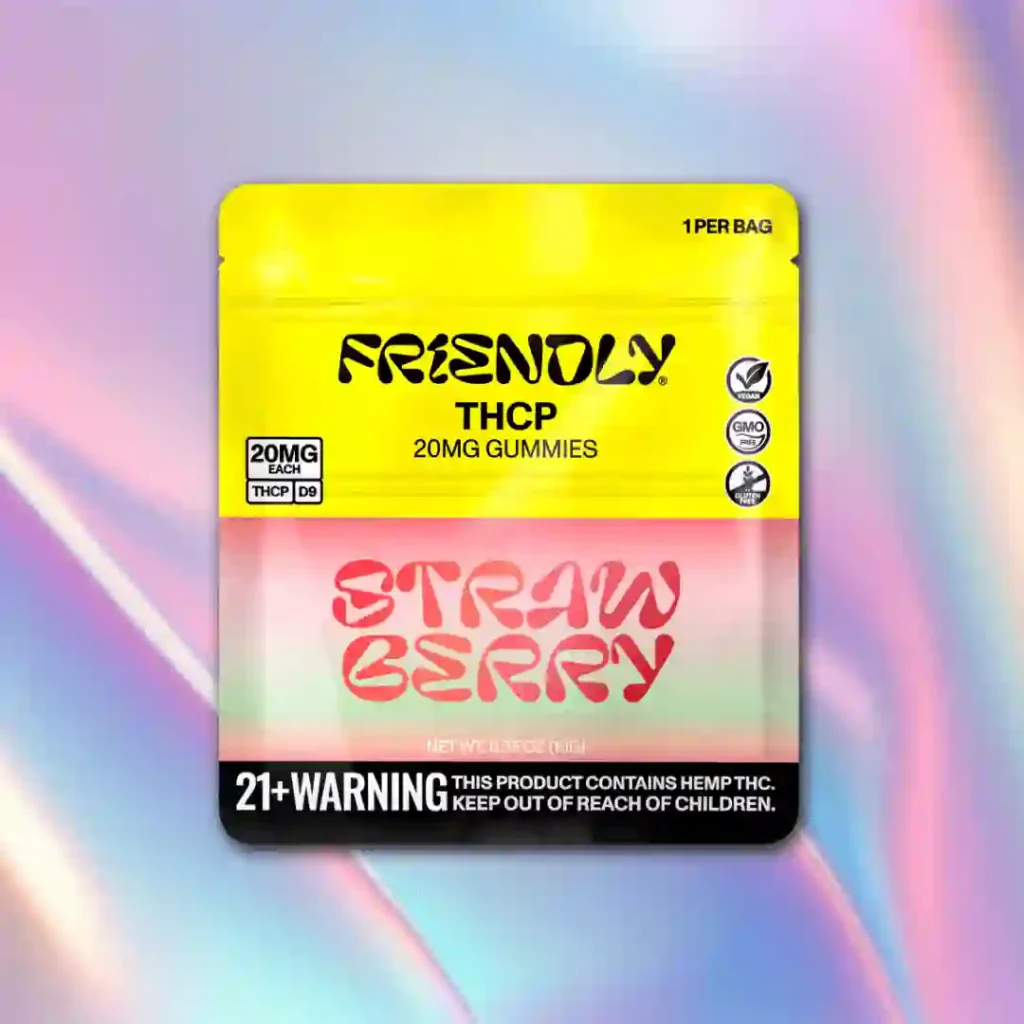
Friendly Hemp is thrilled to carry numerous cannabinoid blended products; bringing together duos of the most reliably satisfying and well-researched cannabinoids out there. Our cannabinoid blends supply a soothing yet euphoric high that our customers find absolutely irresistible, like in a mouthwatering gummy form that promotes long-lasting effects. Check out our amazing selection today!
You must be logged in to post a comment.
More Similar Posts