Friendly Guide to Reading and Understanding Cannabinoid Lab Results
Whenever you buy a cannabinoid-based product, there are a few things that you want to look for. One’s obviously the product’s contents, i.e., the dominant cannabinoid(s), strain type, and ingredients being used within the formula. You also gotta check out customer reviews, in order to ensure that the company you’re buying from is legit. And another important thing that you definitely don’t wanna sleep on are those good ol’ third-party lab reports.
Basically, third-party lab reports are an absolutely vital part of running a hemp company. Without them, it’s hard for customers to prove that they’re getting a product that’s safe, legit, and effective. Fortunetly, virtually every manufacturer out there ensure that these reports are easy to find.
Still, if you don’t know what info you’re looking at, they’re not much help. Well, no worries folks, since we’ll be covering those lab reports, and how to read them, to understand precisely what’s in that said cannabinoid-infused product, and whether or not it meets your standards.
What Exactly are Lab Reports Anyways?
Lab reports are a required part of running a hemp business. Basically, it means that every company is required to send a sample of each batch of product they make to a certified laboratory that specializes in analyzing cannabis.
During this process, the laboratory analyzes specific factors related to the contents of the product, to gain a detailed consensus on its contents, its safety, its purity, its potency, and its legal compliance, among other things. These lab reports are then returned to the company that made the product, and it’s up to the company to now make them accessible to customers.
How Important is it for Customers to Read the Lab Reports?
We always recommend that consumers look at these lab reports before buying a product. This is essentially the only way to get objective, unbiased information about a product before making a purchase. You see, a hemp company can legally make all kinds of claims about how awesome their vapes or gummies are, but the lab reports don’t lie. This is how you can find out which brands are telling the truth, and which ones are exaggerating how potent, how pure, or how overall exceptional their formulas actually are.
What Does a Cannabinoid Lab Report Consist of?
A third-party lab report is going to consist of two documents that provide what you need in terms of cannabinoid and overall product information.
Document #1: Short-Form Lab Report
A short-form lab report is a single-page document, which goes over the composition of the product. This is where you can find a list of the key cannabinoids and terpenes (if applicable) in the product, which tells you how much of each cannabinoid is present in the formula. You will be able to find out if the product is legally compliant, as the amount of Delta 9 THC is clearly stated. Also take notice of the amount of cannabinoids per weight of the product, which tells you how diluted the product may be.
Document #2: Long-Form Lab Report
The long-form lab report goes into a lot more detail about what’s in the product. Unlike a short-form report, which offers a condensed summary, a long-form report delves deeper into various aspects of the sample’s composition and quality. Sometimes, the terpenes are listed on this document rather than the first one. And, you’ll see a longer breakdown of other compounds and impurities, such as mycotoxins, residual solvents, heavy metals, and more, to determine the product’s safety & purity. Here are the typical components you might find in a long-form cannabinoid lab report:
- Product Information: Detailed information about the sample, including its name, batch number, date of testing, and possibly the manufacturer or supplier details.
- Cannabinoid Profile: A detailed breakdown of the cannabinoids present in the sample, often including minor cannabinoids in addition to major ones like THC (tetrahydrocannabinol), CBD (cannabidiol), CBC (cannabichromene), CBG (cannabigerol), CBN (cannabinol), and others. This section may provide quantitative data (in percentages or milligrams per gram) for each cannabinoid detected.
- Total THC and CBD: Clear indication of the total percentage of THC and CBD present in the product, which’s crucial for regulatory compliance and consumer understanding.
- Terpene Profile: Many long-form reports include a detailed analysis of the terpene profile of the sample. This section lists the terpenes detected and their concentrations, often providing insights into the aroma, flavor, and potential effects of the product.
- Testing Methodology: Comprehensive details about the analytical methods used for testing, such as liquid chromatography (LC), gas chromatography (GC), or mass spectrometry (MS). This section may explain how the cannabinoids and terpenes were identified and quantified.
- Quality and Safety Testing: Information on additional tests conducted to ensure product safety and quality. This might include tests for contaminants like pesticides, heavy metals, microbial organisms, and residual solvents, depending on regulatory requirements and product type.
- Compliance with Regulations: Notes on whether the product meets regulatory limits for THC content or other legal requirements, ensuring it is safe and legally compliant for sale.
- Graphs and Charts: Visual representations of the cannabinoid and terpene profiles, making the data easier to interpret for consumers and stakeholders.
- Conclusion and Recommendations: Some reports include a summary or conclusion section that interprets the results and may offer recommendations or insights based on the findings.
Where Can I Find Lab Reports for a Cannabinoid Product?
Luckily, lab reports are usually easy to find. To find lab reports (also known as Certificates of Analysis or COAs) for a cannabinoid product, you typically need to visit the manufacturer’s website or contact their customer service directly. Here’s how you can typically locate them:
- Manufacturer’s Website: Most reputable cannabinoid product manufacturers will have a section on their website dedicated to lab reports. Look for terms like “Lab Reports”, “COAs”, or “Testing”.
- Product Packaging: Some products include a QR code or a direct link to their lab reports on the packaging itself. Check the packaging for any such information.
- Third-Party Retailers: If you have purchased the product via a third-party retailer, they may also have access to lab reports or can help direct you to where they are available.
- Customer Service: If you can’t find the lab reports online, contacting the manufacturer’s customer service directly is a reliable way to request this information. They can often provide you with the COAs for the specific batch of product you purchased.
What’s in a Cannabinoid Product’s Lab Report?
A third-party lab report can give you lots of insight into the quality of the company’s product. But if you don’t know what information you should be looking for, and what standards you should be holding that information to, they may very well be useless. Let’s provide some detail as to what the main sections mean, and what you should be on the lookout for to ensure you’re getting the best product possible.
A Breakdown of Dominant Chemical Compounds
You will see a section that lists the dominant cannabinoids, along with a percentage next to each one, starting with the most prominent and working its way down. This should match the description of the product. For example, if you’re buying a THC-P vape cart, THC-P should make up the majority of the cannabinoid breakdown.
Also, consider the difference between full-spectrum, broad-spectrum, and cannabinoid isolate products. For example, broad-spectrum CBD gummies should contain 0% delta 9 THC, as that’s what broad-spectrum hemp is.
There’s also a breakdown of the terpenes in the product, which should reflect the strain of the product’s terpene profile. Now, keep in mind that some hemp products don’t contain terpenes – for example, a gummy that contains just a pure cannabinoid distillate as its only hemp extract.
Delta 9 THC Level (Legal Compliance)
By law, products must be tested for their THC levels, to ensure that they comply with federal law. If a product contains more than 0.3% delta 9 THC, as federal law permits, then it’s not actually being sold legally. Even in states where marijuana is legal, hemp products must adhere to this rule.
Purity of the Product
A product’s purity level is reflected in the purity of its distillates. Now, this is basically the same thing as the breakdown of cannabinoids, worded differently. For instance, if a product says that their tincture contains a 95% pure HHC distillate, then the cannabinoid breakdown should show that HHC makes up 95% of the extract.
Potency of the Product
Again, potency is reflected in this cannabinoid breakdown, and sometimes, there’s a separate blurb on the sheet that tells you the number of milligrams in the product, depending on the product (this is common with gummies). Naturally, this should reflect the information shared on the product’s description page, by the manufacturer.
The Amount of Cannabinoids by Weight
There will be a section that gives you the amount of cannabinoids in the product by weight, and this indicates how much of the overall formula is made up of cannabinoids. For example, a tincture is supposed to be diluted with a carrier oil, while a vape product should contain 100% hemp extract. So naturally, a vape will have a higher cannabinoid weight than a tincture.
Product’s Safety
The second, longer document will go into all of the safety factors. Here is where you’ll see the results when the product was tested for things like heavy metals, pesticides, other environmental toxins, microbes, additives, solvents, and so on. Read this section carefully, as safety is a huge component to buying a product off of the hemp market.
Let’s go into more detail:
- Pesticides: Pesticides present in the product indicate that the hemp wasn’t grown organically. Pesticides are an environmental toxin, and therefore shouldn’t be in a hemp product that’s going to be consumed.
- Heavy Metals: The presence of heavy metals in a hemp product typically indicates that heavy metals were found in the soil. Heavy metals are linked to adverse health effects when consumed in high enough concentrations.
- Residual Solvents: Some hemp extraction methods rely on the use of solvents, which are chemical agents used to separate the desirable compounds of cannabis from the rest of the plant material. Solvents are meant to be vacuumed out of the final product so that no traces remain.
- Microbes: Microbes include any harmful bacteria, fungus, or other microorganisms that may exist in the product. Naturally, you want to avoid any hemp product that tests positive for microbes known to cause bodily harm.
- Mycotoxins: Mycotoxins are toxic compounds that result from mold. These can cause harm to the body and must be avoided.
- Misc. Additives: If a company is sneaking any kind of additive into their hemp extract, such as a preservative, this is where you’d find it.
How the Product was Handled
There will also be a section stating how the sample of hemp was maintained during transport, like if it was exposed to high temperatures, etc., which can affect how stable the chemical compounds are when the product was tested.
How to Verify that a Cannabinoid Product’s Lab Reports are Authentic?
To verify the authenticity of a cannabinoid product’s lab reports, follow these steps:
- Check for Lab Accreditation: Ensure that the lab conducting the testing is accredited. Look for certifications from organizations like ISO (International Organization for Standardization) or other relevant accrediting bodies in your region.
- Verify Lab Credentials: Visit the lab’s website or contact them directly to verify their credentials. Legitimate labs will provide information about their accreditation, testing methods, and staff qualifications.
- Match Batch Numbers: The lab report should include a batch or lot number that matches the product you have. This ensures that the report corresponds to the specific product batch.
- Review Testing Details: Look for detailed information in the lab report, including cannabinoid content (CBD, THC, etc.), terpene profiles, contaminants (like pesticides, heavy metals), and microbial content. Ensure the report includes quantitative data and not just qualitative observations.
- Compare with State Regulations: Check if the lab report meets the regulatory requirements in your state or country. Some jurisdictions have specific guidelines for what lab reports must include and how they should be formatted.
- Cross-Reference with Manufacturer Claims: Compare the lab report findings with what the manufacturer claims about the product. Authentic reports should align with the stated ingredients and potency levels.
- Look for Third-Party Verification: Ideally, the lab report should indicate that it is third-party verified. This means an independent party has reviewed and confirmed the accuracy of the lab’s findings.
- Request Transparency: Again, if unsure, contact the manufacturer or seller directly and ask for additional information or clarification regarding the lab reports. Legitimate companies should be willing to provide transparency about their products.
By following these steps, you can ensure that the lab reports for cannabinoid products are authentic and reliable, giving you confidence in the product’s quality and safety.
Do Cannabinoid Lab Reports Vary Based on Product Type?
One last thing we need to touch upon is that the lab reports can look different based on the product type – something we’ve alluded to earlier. Each product type has unique characteristics and requirements that necessitate tailored testing and reporting to ensure safety, efficacy, and compliance with legal standards.
Product Formulation
Different product types/delivery methods have distinct formulations that can affect the cannabinoid profile. For example:
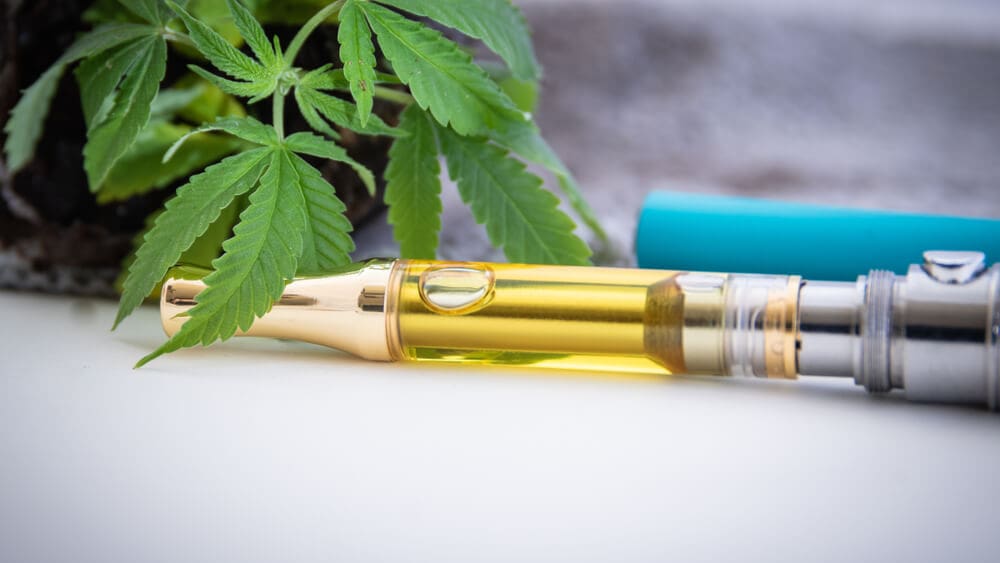
- Vapes: Should contain 100% pure hemp, so no other ingredients should be detected. Vapes will contain a mixture of cannabinoids and terpenes, as vapes are full-spectrum products. The terpenes will vary depending on the strain.
- Flower: The same rules apply for flower that apply to vapes. Typically, lab reports for cannabis flower will focus on the content of major cannabinoids like THC and CBD, as well as minor cannabinoids like CBG, CBC, and CBN. Terpene profiles are also often included.
- Concentrates: Like vapes and flower, concentrates (wax, shatter, etc.) will contain a blend of cannabinoids and terpenes, and should contain no added ingredients. However, these products usually have higher concentrations of cannabinoids, so lab reports will emphasize the potency levels of THC, CBD, and other cannabinoids.
- Edibles: Edible-based products, such as gummies, candies, and even pre-packaged baked goods, contain other ingredients, and that will be reflected in the lab report. Also, an edibles lab report typically displays the number of milligrams of hemp extract in the product, which should reflect the amount that’s advertised by the manufacturer. Essentially, lab reports for edibles focus on the total cannabinoid content per serving, ensuring that the dosage is accurate and consistent.
- Tinctures: Similar to edibles, tincture lab reports focus on the concentration of cannabinoids per milliliter or dropper. With tinctures, hemp extract does not make up the entirety of the product, so the lab reports will reflect that. The lab reports will also reflect if the tincture contains a cannabinoid isolate, broad-spectrum extract, or full-spectrum extract.
- Topicals: Finally, with topical solutions (i.e. balms, salves, lotions, etc.), you’ll also likely see a milligram strength amount, like with edibles. Also, like tinctures and edibles, you can find out through lab reports whether the product is made with a CBD isolate, a broad-spectrum hemp extract, or a full-spectrum hemp extract.
Extraction Methods
The method used to extract cannabinoids from the cannabis plant can affect the final product’s cannabinoid profile:
- Solvent-Based Extraction: This method can result in a higher concentration of cannabinoids but may also introduce solvents that need to be tested for residuals.
- Solventless Extraction: Methods like rosin pressing or ice water extraction typically yield products with fewer contaminants but might have a different cannabinoid and terpene profile.
Processing Techniques
Post-extraction processing can alter the cannabinoid content:
- Decarboxylation: This process converts THCA and CBDA into their active forms, THC and CBD, which is crucial for edibles and tinctures.
- Distillation: This process can isolate specific cannabinoids, leading to products with very high purity and concentration of particular cannabinoids.
Intended Use and Labeling Requirements
The intended use of the product often dictates what’s highlighted in the lab report:
- Medicinal Products: Lab reports for medicinal cannabis products often include a detailed cannabinoid profile, terpene analysis, and the presence of any contaminants (pesticides, heavy metals, microbes).
- Recreational Products: These lab reports might focus more on the potency of THC and overall cannabinoid content.
Regulatory Standards
Different jurisdictions have varying regulatory standards that can affect lab reporting requirements:
- Testing Requirements: Some regions might require comprehensive testing for a wide range of cannabinoids and contaminants, while others may have more lenient requirements.
- Labeling Laws: Regulations might dictate specific information that must be included in the lab report, such as batch numbers, expiration dates, and detailed cannabinoid percentages.
Analytical Methods
The specific analytical methods used by the testing laboratory can also result in variations:
- Chromatography Techniques: Different types of chromatography (HPLC, GC) can be used to analyze cannabinoids, each with its own strengths and limitations.
- Equipment Calibration: Regular calibration and maintenance of testing equipment can impact the accuracy and reliability of lab reports.
Bottom Line: Cannabinoid Lab Reports are Essential for Consumers
At the end of the day, third-party testing is a required process for any hemp company. If a company doesn’t allow you to see their lab reports, that’s pretty much a major red flag. At Friendly Hemp, discover how every product of ours has undergone extensive third-party testing. Hence, we’re proud to make the lab reports easy to find on our website. This way, you can buy our products with the confidence; knowing you’re getting only the purest, safest, and most effective formulas around!
You must be logged in to post a comment.
More Similar Posts